
Listen to this article
The redevelopment of Liverpool Street Station is poised to reshape one of London’s busiest transport hubs, yet its plans have encountered delays. With proposals from Network Rail to partially demolish the station and erect a modern multi-storey tower, the project has faced scrutiny from various stakeholders. The City of London Corporation is tasked with evaluating the updated application, which has been enriched with additional details following public objections. Conservationists have raised concerns about the project’s impact on historic preservation and local heritage, leading to a reconsideration of design elements. As this urban planning endeavor unfolds, it remains to be seen how it will balance modern needs with the preservation of Liverpool Street Station’s rich historical significance.
The ongoing transformation initiatives at Liverpool Street Station highlight the complex challenges associated with revitalizing critical urban infrastructure. Known as a vital transit intersection, this project aims to enhance the station’s functionality while navigating the hurdles posed by heritage regulations and community feedback. Network Rail’s ambitious plans to merge new architectural features with existing historic elements underscore the tension between innovation and conservation in urban design. As the City of London Corporation reviews these redevelopment proposals, the conversation around urban revitalization and the integration of modern amenities with historically significant sites continues to evolve. Stakeholders are keenly observing how this project will influence future urban planning strategies in one of London’s most iconic precincts.
Overview of the Liverpool Street Station Redevelopment Plans
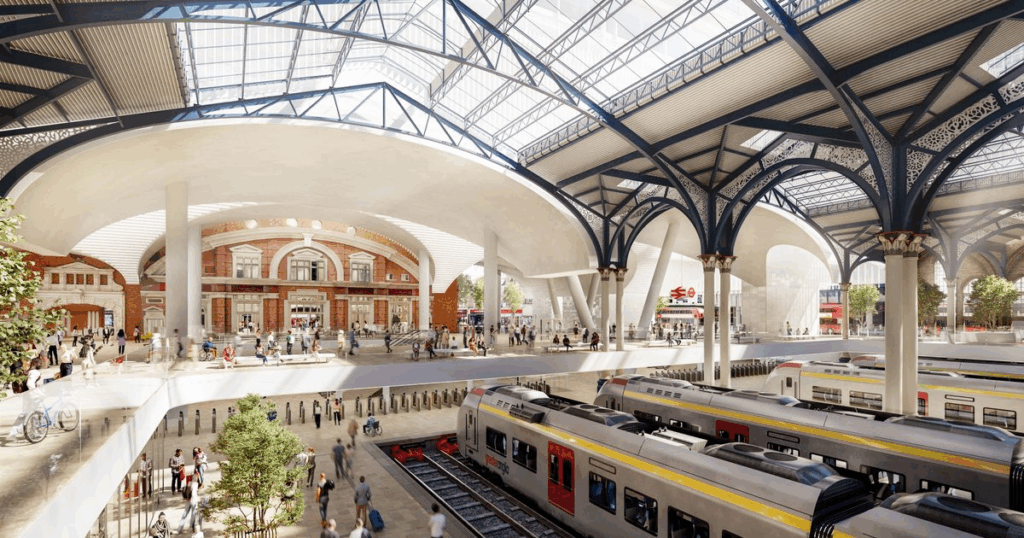
The redevelopment of Liverpool Street Station represents one of the most ambitious urban planning projects in London’s City. Network Rail aims to not only transform the operational dynamics of this historic hub but also to integrate a modern office tower above it, connecting the city’s transportation infrastructure with contemporary facilities. This project involves the partial demolition of the existing structures, a feature that has drawn varying responses from the public and stakeholders. The proposal has undergone several iterations, reflecting the feedback from bodies such as Historic England and the Victorian Society, which advocate for historic preservation alongside urban development.
Initial plans faced significant opposition, with over 2,000 objections raised, highlighting public concern over the environmental impact and the potential loss of the station’s historical significance. In response, the current blueprint includes modifications aimed at addressing these issues, such as reducing the office block’s footprint and preserving vital landmarks. As the application progresses, Network Rail continues to refine its approach, demonstrating a commitment to marrying modern infrastructure with the cultural heritage that Liverpool Street represents.
Historical Significance and Preservation Efforts
Liverpool Street Station is not only a crucial transportation node but also a piece of London’s rich history, dating back to the 19th century. The station is a vital part of the City of London Corporation’s landscape and reflects the architectural evolution over time. The need for modern upgrades must consider the historical importance of the site, particularly the preservation of the Grade II* listed hotel adjacent to the station. Urban planning efforts in this regard require a delicate balance between modernization and conservation, ensuring that the historical integrity of the area is maintained.
In light of the redevelopment plans, organizations like Historic England have played a pivotal role in assessing the implications of the proposed changes. Their expert opinions highlight the necessity of preserving the area’s historical elements, advocating for designs that respect Liverpool Street’s past while accommodating future growth. The Society continues to monitor the progress and influence the decision-making at the City of London Corporation, ensuring that history remains a focal point in the face of rapid urban development.
Public Sentiment and Community Involvement
The response from the community regarding the Liverpool Street Station redevelopment has been highly polarized. With more than 2,100 representations, the feedback reveals a division in public opinion—while over 1,000 individuals have expressed support for the plan, many others have voiced strong objections. Conservationist groups argue that the proposed changes could diminish the station’s characteristic features. Community involvement in urban planning processes is essential; it ensures that the voices of those most affected by the redevelopment are heard and considered.
Engagement with local stakeholders and advocacy groups is paramount as Network Rail seeks to build support for the redevelopment. By addressing community concerns and integrating feedback into their plans, the organization not only enhances the project’s viability but also fosters trust among residents. The ongoing dialogue reflects a broader trend in urban development where transparency and collaboration are becoming increasingly necessary to achieve successful outcomes.
The Role of Network Rail in Urban Development
As the primary agency behind Liverpool Street Station’s redevelopment, Network Rail is tasked with the complex role of managing transportation infrastructure while also spearheading urban transformation. Their efforts reflect a commitment to enhancing rail services, improving passenger experience, and adapting to London’s evolving needs. This project serves as an essential case study in how transportation authorities can leverage redevelopment to foster more integrated urban spaces, blending historical reverence with modern requirements.
Network Rail’s involvement extends beyond mere construction; they are essential advocates for creating strategic transport solutions that align with the broader objectives of the City of London Corporation. By stressing the significance of effective transport links, the organization positions itself as a leader in innovative urban planning. The eventual success of the Liverpool Street Station redevelopment will hinge on its ability to meet both transit demands and the aspirations of a changing city landscape.
The Impact of Urban Planning on Historical Sites
Urban planning in historic areas poses unique challenges, particularly regarding the need to modernize while fostering the preservation of heritage sites. In the case of Liverpool Street Station, the balance between contemporary needs and historical integrity is critical. The City of London Corporation’s approval processes must carefully evaluate the potential impact of redevelopment on the station’s architectural and cultural significance, ensuring that any transformations respect the past.
The outcome of the Liverpool Street Station redevelopment will set a precedent for future urban projects involving historic sites in London. Effective urban planning that emphasizes both modern innovation and historic preservation can result in vibrant communities that respect their roots while advancing into the future. This case study underpins the need for careful consideration of heritage in all redevelopment initiatives.
Revised Plans: Addressing Initial Concerns
Following extensive feedback from public consultations, Network Rail has revised its redevelopment plans for Liverpool Street Station. These changes reflect a responsiveness to concerns raised by various stakeholders, including conservationists, local residents, and heritage organizations. Modifications such as a reduced height for the new office tower and realigned structures to preserve the nearby Great Eastern Hotel exemplify Network Rail’s commitment to addressing objections while moving forward with the redevelopment.
The alterations made in response to public concerns are crucial for maintaining harmony between new developments and existing historical assets. By incorporating feedback and showcasing a willingness to adjust plans, Network Rail is demonstrating an accountable approach to urban planning. The ongoing dialogue with organizations like Historic England will continue to influence the next steps in this complex project.
Transport Consultations: Collaborating for Enhanced Access
Critical to the success of the Liverpool Street Station redevelopment is the collaboration between Network Rail and transport authorities, including Transport for London. These consultations are designed to analyze and address transport issues related to the proposed changes. Improved accessibility and the integration of transport services are paramount as the station serves as a hub for commuter and leisure travel alike.
As Network Rail progresses with its planning application, feedback from transport consultations will shape the operational aspects of the redevelopment. Ensuring that passenger flow is optimized and that connections to other transport modes are seamless will be vital in achieving an improved commuter experience. This strategic collaboration emphasizes the interconnectedness of urban transport and planning efforts in creating a modern, efficient city.
Future Perspectives: The Vision for Liverpool Street Station
The future of Liverpool Street Station is envisioned not only as a transport hub but also as a vibrant urban space that accommodates businesses, leisure activities, and community gatherings. The redevelopment aims to create a dynamic environment that fosters economic growth while enhancing the city’s aesthetic appeal. Through innovative urban design, the station will serve as a gateway to London, inviting visitors and residents alike.
As Network Rail and the City of London Corporation continue to evolve the plans, the potential for Liverpool Street Station as a model of modern urban development becomes increasingly tangible. The integration of public feedback, historical preservation, and sustainable practices will be crucial in realizing this vision. Stakeholders remain optimistic that a well-executed redevelopment will not only revitalize the station but also contribute positively to the surrounding community.
Navigating the Planning Process: Stakeholders’ Roles
The planning process for the Liverpool Street Station redevelopment involves several key stakeholders, each with unique perspectives and objectives. The City of London Corporation plays an essential role in regulating planning applications and ensuring that all developments align with the city’s broader goals for sustainable growth and historic preservation. Their thorough examinations of proposals, including public consultations, are integral to shaping the final outcomes.
Meanwhile, organizations like Historic England and advocacy groups ensure that the historic significance of the station is not overlooked. Their contributions help maintain a balanced dialogue between progress and preservation, highlighting the importance of community input and expert insights. Navigating this multifaceted planning process underscores the necessity for collaboration among stakeholders to achieve successful and harmonious urban development.
Frequently Asked Questions
What is the current status of the Liverpool Street Station redevelopment plans?
As of now, the Liverpool Street Station redevelopment plans have been delayed again as Network Rail provides more details for their application. The City of London Corporation’s decision is pending.
Why has the Liverpool Street Station redevelopment faced criticism?
The Liverpool Street Station redevelopment has faced criticism primarily due to concerns from conservationists who argue that the project could be a waste of resources and that it may not be necessary once completed.
What changes were made to the Liverpool Street Station redevelopment proposal?
The redevelopment proposal for Liverpool Street Station was revised to reduce the size of the office block, realign the structure to minimize disruption, and redesign the station entrances amid significant public objections.
How many objections were submitted against the Liverpool Street Station redevelopment plan?
The Liverpool Street Station redevelopment plan has garnered over 2,100 objections, including concerns from local councils and heritage organizations, although there have also been more than 1,000 supportive representations.
What role is Historic England playing in the Liverpool Street Station redevelopment?
Historic England has been a key objector to the Liverpool Street Station redevelopment plans but has softened its stance, now considering the revised application a ‘significant improvement’ despite concerns over potential harm to the site’s historic integrity.
How has Network Rail responded to the public objections regarding Liverpool Street Station redevelopment?
Network Rail remains committed to the Liverpool Street Station redevelopment and has revised its plans in response to public objections, emphasizing ongoing engagement with stakeholders like Transport for London.
What are the key features of the new Liverpool Street Station redevelopment plans?
Key features of the revised Liverpool Street Station redevelopment plans include a 19-story multi-storey tower, redesigned entrances, and improved landscaping around the Kindertransport Statue, intended to enhance the station’s connection to its historical context.
How does the Liverpool Street Station redevelopment impact urban planning in the City of London?
The Liverpool Street Station redevelopment is a critical element of urban planning in the City of London, aiming to balance modern needs with historic preservation while addressing transportation and public space enhancements.
| Key Point | Details |
|---|---|
| Postponed Decision | The redevelopment plans for Liverpool Street Station have been delayed as further details are added to the application. |
| Network Rail’s Proposal | Involves demolition of parts of the station and construction of a multi-storey tower above the former hotel. |
| Public Objections | Over 2,000 objections submitted from the public, with additional criticism from local councils and preservation groups. |
| Revised Plans | Revisions included reducing the office block size and redesigning station entrances to mitigate disruption. |
| Historic England’s Stance | Initially opposed, now describes plans as a “significant improvement,” despite acknowledging potential harm. |
| Support vs Opposition | More than 1,000 representations of support against over 2,100 objections received. |
| Ongoing Commitments | Network Rail remains committed to the redevelopment, with ongoing consultations regarding transport issues. |
Summary
The Liverpool Street Station redevelopment has encountered another delay in decision-making as the City of London Corporation awaits further details. After extensive public objections and revisions to the original proposal, the project is now seen as a significant improvement by some stakeholders, although it continues to face criticism. This evolution in plans reaffirms the importance of community feedback, as well as the ongoing commitment of Network Rail to modernize one of Britain’s busiest transport hubs.