
Listen to this article
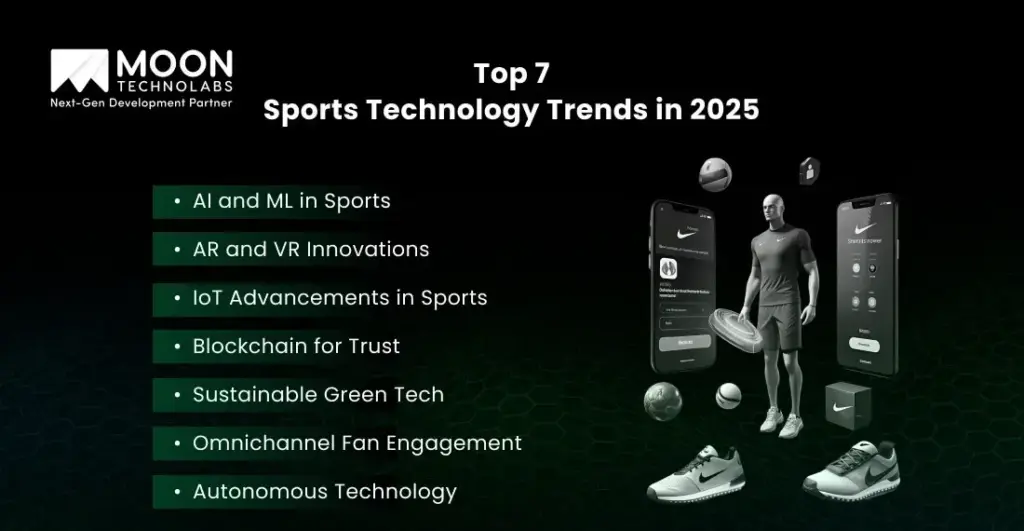
Emerging trends in sports technology are set to reshape the landscape of athletic performance and fan engagement in unprecedented ways. With the integration of artificial intelligence in sports, teams can now analyze performance metrics and injury risks more effectively. Wearable technology in sports has also gained traction, offering athletes real-time insights into their health and training regimens. Alongside these advancements, virtual reality sports are becoming an essential part of training, allowing players to hone their skills in immersive environments. Lastly, data analytics sports are revolutionizing decision-making processes, helping organizations optimize strategies and enhance viewer experiences.
The evolution of sports is being fueled by groundbreaking technological advancements that enhance both athletic prowess and the viewer experience. Innovations such as intelligent algorithms, smart wearables, and immersive digital environments are transforming how athletes prepare and compete. Additionally, data-driven methodologies are enabling teams to tailor their strategies and understand fan engagement at a deeper level. The rising influence of competitive gaming and digital platforms is spawning new subcultures within sports, encouraging broader participation and interest. As these technologies converge, we are witnessing a seismic shift in the way sports are played, perceived, and enjoyed.
The Rise of Artificial Intelligence in Sports
Artificial intelligence (AI) has rapidly emerged as a game-changer in the sports industry, redefining how players train and compete. AI-driven analytics tools analyze vast datasets, providing insights that enhance athlete performance and strategic planning. For instance, AI algorithms can assess players’ physiological data and optimize training regimens for injury prevention, ultimately leading to improved outcomes on the field. Additionally, AI is instrumental in decision-making processes for coaches, simplifying player scouting and match analysis, thus enabling teams to identify hidden talents and optimal tactics more efficiently.
Moreover, AI is not just influencing professional sports; it is also becoming ingrained in grassroots levels. Coaches from youth leagues to high schools are increasingly incorporating AI tools to develop tailored training programs. This democratization of technology allows athletes across skill levels to access detailed performance analytics, helping them refine their skills in a supported environment. As AI blankets the sports sector, it lays the foundation for a future where athletes can harness detailed insights to elevate their game.
Emerging Trends in Sports Technology
The future of sports is undeniably shaped by cutting-edge innovations, where emerging trends redefine how athletes compete and fans engage. Technologies such as virtual reality (VR) and augmented reality (AR) are at the forefront, providing immersive experiences that change the landscape of sports training and viewer engagement. These tools allow athletes to practice in simulated environments that develop their skills without the risk of physical fatigue or injury, transforming traditional training methods into more dynamic practices.
Additionally, VR platforms are enhancing the way fans interact with sports events. With AR applications, spectators enjoy supplementary information about players and game stats while watching live matches. This integration of technology not only enriches the viewing experience, making it more informative and entertaining, but also deepens fan loyalty. As these trends evolve, they have the potential to create a more personalized sports culture where both athletes and fans can thrive.
Wearable Technology: Revolutionizing Athlete Performance
Wearable technology is rapidly becoming integral to modern sports training and performance analysis. Devices such as fitness trackers, heart rate monitors, and smart textiles provide athletes and coaches with real-time data on performance metrics, enabling informed training decisions. By continuously tracking elements like movement patterns, hydration levels, and fatigue rates, athletes can optimize their practices, enhancing performance while minimizing injury risks. This detailed feedback equips teams to tailor training regimens effectively, based on precise data rather than anecdotal observations.
Furthermore, the adoption of wearables is expanding across sports, even to recreational levels. Fitness enthusiasts leverage these devices to monitor their exercise habits, encouraging a more data-driven approach to personal health. As wearables continue to advance with more sophisticated biometric sensors, we can expect them to provide even deeper insights into athletic performance and recovery strategies, solidifying their role as essential tools in sports and fitness.
Data Analytics: Driving Insights in Sports Management
Data analytics has fundamentally transformed how sports organizations operate, shifting from instinct-based decision-making to data-driven strategies. Teams are employing advanced analytics to decode player performance, market trends, and fan engagement numbers. This analytical approach allows franchises to pinpoint strategic opportunities, from optimizing recruitment processes to enhancing marketing campaigns aimed at fan engagement. Crucially, big data empowers teams to create impactful promotional content that resonates with their target audiences, bridging the gap between organizations and fans.
Moreover, the application of analytics extends to optimizing broadcast experiences. Networks are integrating data-driven insights into live coverage, presenting viewers with enriched content that includes real-time player statistics and interactive elements. By increasing the depth of information available during broadcasts, fans gain a richer understanding of the game dynamics, fostering a deeper connection with the sport. As teams harness the power of data analytics, the overall landscape of sports management evolves, encouraging more strategic, informed decision-making.
Esports: The New Frontier of Competition
Esports has rapidly become a significant player in the global sports landscape, with millions of fans engaging in competitive gaming events. This explosion in popularity represents an evolution in how sports are perceived, particularly among younger audiences who gravitate towards digital arenas. Major sporting organizations are recognizing this trend, integrating esports into their portfolios to reach this digital-first generation, where traditional sports figures are becoming esports competitors.
The economic potential of esports is remarkable, attracting considerable investment from brands looking to capitalize on its reach. This growth has led to new career opportunities within the esports ecosystem, from professional gamers to event organizers and marketing specialists. As esports continues to grow, its potential to revolutionize the competitive landscape expands, indicating that it will play a pivotal role in shaping the future of entertainment and sports.
Blockchain Technology: The Future of Sports Ticketing
Blockchain technology is paving the way for a revolution in sports ticketing, eliminating issues like counterfeit tickets and ensuring transparency throughout the ticketing process. By utilizing blockchain’s decentralized ledger, teams can issue secure digital tickets, making it virtually impossible for scammers to replicate physical tickets. Additionally, the implementation of smart contracts automates ticket transactions, simplifying and streamlining the purchasing process while minimizing administrative overhead for teams and venues.
Furthermore, blockchain opens the door for innovative fan engagement through unique fan tokens, allowing supporters to influence decisions involving team strategies or merchandise designs. This participatory approach fosters a more profound relationship between teams and fans, enhancing community ties and elevating the fan experience. As more sports entities recognize the advantages of blockchain in ticketing, we are likely to see widespread adoption across professional leagues.
Sustainable Practices: The Green Future of Sports
Environmental sustainability is increasingly becoming a core value in the sports industry, as organizations aim to reduce their ecological footprint. From eco-friendly stadium designs to the use of sustainable materials in merchandise, teams are implementing practices that align with the growing demand for environmental responsibility. Initiatives such as promoting recycling at events and minimizing waste are critical steps towards a more sustainable future for sports.
Moreover, fans themselves are driving this shift, showing a preference for teams that prioritize sustainability efforts. This consumer demand is influencing organizations to take substantial actions toward environmental stewardship, including carbon offset initiatives and partnerships with green organizations. As sustainable practices gain traction, they not only improve the industry’s public image but also attract a dedicated fanbase committed to responsible consumption and ecological awareness.
Fan Engagement: The Game Changer in Sports Experience
Enhancing fan engagement is paramount in today’s competitive sports landscape, where organizations strive to create memorable experiences for their supporters. With advancements in technology, teams are leveraging digital platforms to foster deeper connections with their audience, transforming passive viewers into active participants. Engaging content, real-time interaction on social media, and personalized messages from teams increase fan loyalty and enthusiasm around events.
Additionally, augmented and virtual reality experiences are redefining fan interaction, blending the physical and digital realms. Through immersive technologies, supporters can access behind-the-scenes content, participate in virtual meet-and-greets, or view games from unique perspectives. This evolution in fan engagement exemplifies how technology can enhance the overall experience, attracting new audiences and retaining dedicated supporters in an increasingly digital world.
The Intersection of Technology and Sports Innovation
The intersection of technology and sports is a vibrant space ripe with innovation, showcasing the continuous evolution of athletic disciplines. With emerging trends like AI, VR, and data analytics, the sports industry is undergoing a substantial digital transformation. These advancements not only enhance player performance from training to competition but also enrich the overall experience for fans, creating an integrated sports ecosystem.
As we move into the future, the influence of technology will only grow stronger, leading to groundbreaking methods of competition and fan engagement. By embracing these innovations, the sporting world can unlock new avenues for growth, creating opportunities for athletes and organizations while fostering a resilient, engaged community of sports enthusiasts.
Frequently Asked Questions
How is artificial intelligence in sports changing team strategies?
Artificial intelligence in sports is transforming team strategies by providing advanced data analysis that optimizes training programs and player performance. Coaches leverage AI to study player movements, fatigue levels, and game tactics, enabling them to craft personalized strategies aimed at improving overall team efficiency.
What role does wearable technology in sports play for athletes?
Wearable technology in sports plays a crucial role in enhancing athlete performance by tracking health metrics like heart rate, movement patterns, and hydration levels. These devices offer real-time analytics that can alert coaches to potential injuries, thus ensuring safer training regimens and maximizing performance outcomes.
How is virtual reality sports changing player training methods?
Virtual reality sports is significantly changing player training methods by allowing athletes to practice in immersive, simulated environments. This technology reduces physical strain while enabling players to refine skills, make split-second decisions, and understand game scenarios without the risk of injury.
What is the impact of data analytics sports on fan engagement?
Data analytics sports greatly impacts fan engagement by allowing teams to tailor content and marketing strategies based on audience preferences. By analyzing social media interactions and fan behavior, organizations can enhance the viewing experience, making it more personalized and interactive.
Why is the growth of esports significant in the context of sports technology?
The growth of esports is significant in sports technology as it introduces new forms of competitive entertainment. This trend has led to increased investments from traditional sports leagues and sponsors, creating a hybrid environment that merges digital competition with conventional sports, appealing to a tech-savvy audience.
How does blockchain ticketing sports improve transparency?
Blockchain ticketing sports improves transparency by ensuring secure and verifiable transactions. Using blockchain technology, teams can issue digital tickets that are easy to track, preventing fraud and giving fans confidence in their purchases, significantly enhancing the ticketing experience.
What are sustainable sports practices being adopted by teams?
Sustainable sports practices being adopted by teams include eco-friendly event management, the use of renewable energy, and sustainable materials in merchandise. Teams are prioritizing initiatives to reduce their carbon footprint and promote environmentally conscious behaviors among fans.
How is data analytics impacting player recruitment in sports?
Data analytics impacts player recruitment in sports by allowing teams to evaluate player performance and potential more accurately. By analyzing vast datasets, teams can make informed decisions on which athletes to recruit, leading to better overall team performance and success.
How are artificial intelligence and data analytics working together in sports?
Artificial intelligence and data analytics are working together in sports to enhance decision-making processes. AI algorithms process complex datasets to extract actionable insights, helping coaches and management make informed choices regarding player development, training regimens, and game strategies.
What future innovations can we expect in wearable technology sports?
In wearable technology sports, we can expect innovations like advanced biometric sensors, AI-driven analytics, and integration with augmented reality to provide deeper insights into athlete performance and overall well-being, making training regimens more effective and safer.
| Trend | Description |
|---|---|
| Artificial Intelligence | Revolutionizes coaching and training through data analysis, enhancing performance and injury prevention. |
| Virtual and Augmented Reality | Enhances training and fan experience by creating simulated environments and overlaying digital content on broadcasts. |
| Wearable Technology | Provides athletes with performance analytics and injury alerts through health monitoring devices. |
| Data Analytics and Big Data | Optimizes team decisions and fan engagement through insights derived from extensive data collection. |
| Esports | Represents a growing market integrating digital gaming with traditional sports, appealing to younger audiences. |
| Blockchain Technology | Enhances ticketing security and transparency, creating unique fan engagement opportunities through digital tokens. |
| Sustainable Practices | Emphasizes eco-friendly operations in sports, fostering a culture of environmental responsibility. |
Summary
Emerging trends in sports technology are set to redefine how athletes perform and fans engage with their favorite sports. The integration of technologies such as artificial intelligence, virtual reality, and blockchain highlights a transformative shift in the industry. These advancements not only enhance the performance of athletes through detailed analysis and training simulations but also create immersive experiences for fans, from enriched viewing options to active participation in team decisions. As sustainability also becomes a priority, the sports sector is embracing eco-friendly practices that mirror broader societal values. This convergence of innovation and responsibility signifies an exciting era for sports, where technology plays a pivotal role in shaping user experiences and cultivating community engagement. The future is bright, as emerging technologies continue to fuel the evolution of how we play, watch, and enjoy sports.

