
Listen to this article
Low Traffic Neighbourhoods (LTNs) have emerged as a pivotal solution in the quest for safer and healthier urban environments. Recent developments in Tower Hamlets have showcased the increasing support for these innovative traffic-reducing measures following a landmark High Court ruling that deemed it unlawful to dismantle three local LTNs. Advocates of LTNs highlight the numerous benefits, including community safety enhancements and significant air pollution reduction, which play a critical role in improving public health. As more residents recognize the advantages of calmer streets, they are vocal in their support, with campaigners declaring this ruling a triumph for local voices. The ongoing debate around LTNs reflects a broader shift toward sustainable living and prioritizing community well-being over vehicular convenience.
In many urban areas, neighborhoods are reimagined with initiatives like Low Traffic Zones (LTZs) and pedestrian-friendly districts designed to promote a tranquil community atmosphere. These strategies aim to minimize vehicle traffic through residential streets, enhancing safety and encouraging active travel alternatives such as walking and cycling. The recent developments surrounding the Tower Hamlets initiative exemplify how local governance and community activism intersect to create healthier living conditions. Legal decisions surrounding LTZs have become critical markers in the ongoing narrative of urban development, emphasizing the importance of listening to community concerns. By fostering quieter streets, these measures not only contribute to air quality improvements but also foster a sense of belonging among residents.
Understanding Low Traffic Neighbourhoods (LTNs)
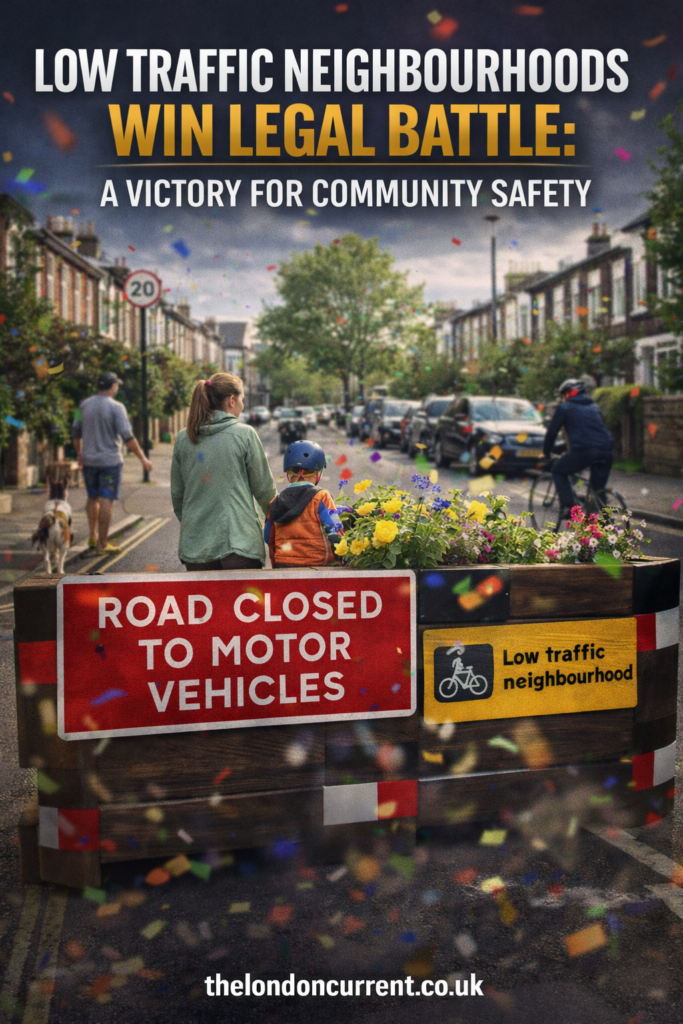
Low Traffic Neighbourhoods (LTNs) are urban areas designed to minimize motor traffic primarily to promote safer and healthier living conditions. Through the use of barriers such as planters and lockable bollards, these neighborhoods restrict vehicle access, effectively reducing congestion and noise pollution. This design encourages walking, cycling, and community interactions while ensuring that local residents enjoy cleaner air and safer streets. Communities across London, including Tower Hamlets, have increasingly recognized the immensely positive impact of LTNs, particularly amidst rising concerns over air pollution and road safety.
The concept of LTNs not only addresses traffic flow but also contributes to mental and physical well-being of residents. Reducing vehicular traffic leads to lower levels of harmful air pollutants and contributes to improved public health outcomes. In areas like Tower Hamlets, where childhood obesity and vehicular accidents are pressing issues, implementing LTNs can play a crucial role in transforming urban living. As more areas adopt LTNs, the potential for reduced traffic accidents and enhanced community safety becomes apparent, making these neighborhoods more enjoyable for all.
The Importance of Community Safety in LTNs
Community safety is a vital aspect of urban planning, particularly in areas implementing Low Traffic Neighbourhoods. The recent High Court ruling in favor of Tower Hamlets residents emphasizes the importance of community-led safety initiatives. Advocates argue that LTNs not only promote traffic reduction but also discourage speeding and reckless driving, thereby protecting pedestrians, cyclists, and vulnerable populations. By prioritizing community safety, LTNs create an environment that fosters trust and collaboration among residents, which is essential for constructing a resilient neighborhood.
Moreover, the engagement of local organizations, like Save our Safer Streets, amplifies the voice of residents in safety discussions, ensuring their needs are met. This community-driven approach fosters inclusivity and empowers residents to take active roles in shaping their surroundings. As evidenced in Tower Hamlets, where campaigns against dismantling LTNs reflect widespread support for safer streets, it’s clear that community safety is paramount. LTNs have become a cornerstone for mobilizing residents in the fight for healthier, more secure urban environments.
Air Pollution Reduction Through LTNs
One of the most significant benefits of Low Traffic Neighbourhoods is their potential for air pollution reduction. As vehicular traffic is curtailed, the levels of hazardous emissions, such as nitrogen dioxide and particulate matter, significantly decrease. This is particularly critical in urban areas like Tower Hamlets, where high rates of childhood obesity and health complications related to pollution persist. By implementing LTNs, cities can effectively lower air pollution levels, contributing to healthier neighborhoods inhabited by future generations.
The High Court ruling underscored these benefits when affirming the LTNs’ legality in Tower Hamlets. The council’s plan to dismantle these initiatives was viewed as a threat to the ongoing improvements in air quality that local residents have experienced since their introduction. Prominent figures in the community, including health experts, have advocated for the preservation of LTNs, noting their essential role in ensuring cleaner air and healthier public spaces. Transitioning to cleaner energy and reducing traffic not only combats air pollution but promotes the broader goals of sustainability across urban London.
LTNs and the High Court Ruling in London
The recent High Court ruling regarding Tower Hamlets’ Low Traffic Neighbourhoods highlights the ongoing legal and political debates surrounding urban traffic management across London. The court’s decision underscores the responsibilities municipalities have in maintaining local implementation plans (LIPs) while prioritizing community feedback. By recognizing the unlawful intent to dismantle LTNs without reconsultation, the ruling establishes a precedent for community involvement in urban planning decisions, which should be regarded as a model for other boroughs in London.
This ruling resonates with previous legal decisions in London, emphasizing the necessity for transparent governance and adherence to regulations when implementing transportation strategies. The legal challenges faced by councils illustrate the importance of municipal accountability regarding public safety, environmental impact, and overall community well-being. As cities continue to combat traffic congestion and pollution, the High Court’s support for LTNs reaffirms their critical role in fostering livable urban environments while ensuring local voices are heard and respected.
Benefits of Low Traffic Neighbourhoods for Urban Living
Low Traffic Neighbourhoods introduce numerous benefits that enhance urban living, contributing to improved quality of life for residents. They create safer spaces for pedestrians and cyclists, which is vital in city areas where traffic-related incidents are prevalent. The reduction in motor vehicle access within these neighborhoods encourages more active modes of transportation, facilitating healthier lifestyles for community members. In tools like Tower Hamlets, these benefits align with public health objectives, addressing the needs of vulnerable populations by promoting physical activity and reducing air pollution.
Additionally, LTNs help cultivate community connections by transforming roadways into more walking and cycling-friendly environments. As streets become quieter and safer, residents are more inclined to engage with their neighborhoods, fostering a sense of community cohesion. This social capital is essential, leading to greater advocacy for local improvements and initiatives. Furthermore, LTNs have the potential to enhance economic vitality in local areas, encouraging foot traffic to businesses and enriching the cultural fabric of the community.
Growing Support for LTNs Across London
The recent legal victories surrounding Low Traffic Neighbourhoods reveal a growing tide of support among Londoners for safer and cleaner streets. Advocates have mobilized around the concept of LTNs, emphasizing benefits such as decreased air pollution, improved public health, and boosted community safety. Campaigns, like that of Save our Safer Streets, reflect the collective voice of residents who understand the importance of prioritizing public spaces over vehicular access. Their enthusiastic backing demonstrates not only a desire for safer streets but a commitment to ongoing engagement in local governance.
As more boroughs observe the positive effects of LTNs on community engagement and air quality, a shift toward their implementation is likely to gain momentum. Local councils are recognizing that LTNs are not merely traffic management strategies; they are vital public health initiatives that align with broader goals of sustainability and urban livability. The sustained push from community groups, coupled with judicial acknowledgment of their importance, suggests that the future of urban design in London will heavily feature Low Traffic Neighbourhoods.
Challenges Faced by Tower Hamlets in Implementing LTNs
Despite the positive implications of Low Traffic Neighbourhoods, Tower Hamlets faces significant challenges in their implementation and continuation. The reluctance of some local leaders and ongoing political debates hinder the stability of these initiatives, causing uncertainty among residents. The council’s attempt to dismantle the LTNs was met with backlash yet indicates the complexities of navigating community preferences, political agendas, and budgetary obligations. This conflict can lead to a fragmentation of public support, complicating future efforts to enhance community safety.
Moreover, reconciling the diverse views of residents on traffic management strategies poses a further challenge. While many residents advocate for LTNs to foster safer and cleaner environments, others express concern over access and potential increases in traffic in surrounding areas. Bridging these gaps requires concerted efforts from local governance to ensure comprehensive planning, transparent communication, and robust engagement mechanisms. Moving forward, Tower Hamlets must navigate these challenges to fulfill its commitment to effective urban planning, responsive to the needs of its community.
Future of LTNs in London Post High Court Ruling
The High Court ruling safeguarding Tower Hamlets’ Low Traffic Neighbourhoods sets a significant legal precedent for the future of LTNs across London. It paves the way for further scrutiny of borough policies aimed at dismantling such initiatives without substantial justification. This judicial affirmation of LTNs reinforces their importance in discussions surrounding urban traffic management and public health, accentuating the need for local councils to respect community input in decision-making processes. It also presents an opportunity for other boroughs to reconsider their approaches to traffic congestion and pollution.
Looking forward, the future of LTNs in London appears promising as communities rally for cleaner, safer urban spaces. As awareness of the benefits associated with LTNs grows, more neighborhoods may advocate for their implementation and continuation. Policymakers will likely be called upon to invest in infrastructure that not only supports LTNs but also facilitates sustainable transportation options. The combined efforts of engaged citizens and responsive governance are essential in shaping the future landscape of London’s urban environment, ensuring it remains conducive to the health and well-being of its residents.
Frequently Asked Questions
What are the benefits of Low Traffic Neighbourhoods (LTNs)?
Low Traffic Neighbourhoods (LTNs) provide several benefits including reduced air pollution, enhanced community safety, and lower traffic congestion. They create calmer streets, which can lead to healthier environments and improved public spaces for residents. The implementation of LTNs is aimed at promoting walking and cycling, thus fostering a more active lifestyle in neighborhoods.
How do Low Traffic Neighbourhoods affect air pollution reduction?
Low Traffic Neighbourhoods significantly contribute to air pollution reduction by decreasing the amount of through traffic in residential areas. Fewer vehicles on the roads lead to lower emissions, resulting in cleaner air. This is particularly vital in urban areas like Tower Hamlets, which face high levels of pollution. The promotion of cycling and walking through LTNs also encourages greener travel options.
What was the recent High Court ruling regarding Tower Hamlets LTN?
The High Court recently ruled against Tower Hamlets Council’s plan to dismantle three Low Traffic Neighbourhoods, deeming it unlawful due to a failure to properly consult the community. This ruling is considered a significant victory for local groups advocating for safer streets and highlights the importance of LTNs in managing traffic and improving public health.
How do LTNs contribute to community safety?
Low Traffic Neighbourhoods enhance community safety by minimizing vehicle traffic in residential streets, leading to reduced road dangers. This reduction in traffic helps decrease accidents, particularly in areas with high pedestrian activity, such as around schools and parks. Safer streets promote a greater sense of community and encourage more people to enjoy outdoor spaces.
What is the impact of the Tower Hamlets LTN court case on local residents?
The court case regarding Tower Hamlets LTN has a positive impact on local residents by preserving the LTNs that contribute to safer streets and reduced air pollution. Community groups like Save our Safer Streets (SOSS) celebrated the ruling, viewing it as a victory that will benefit thousands of residents by keeping the community healthier and furthering initiatives to improve local quality of life.
What measures are typically used in Low Traffic Neighbourhoods?
To create Low Traffic Neighbourhoods, various measures such as planters, lockable bollards, and traffic cameras are used. These tools help to restrict vehicle access on certain streets, promote walking and cycling, and ultimately enhance the quality of life for residents by creating quieter and more peaceful environments.
What challenges do councils face when implementing LTNs?
Councils face challenges such as community resistance, legal challenges, and the need for thorough consultation processes when implementing LTNs. As seen in Tower Hamlets, failure to engage the public can lead to court rulings against their decisions. However, the potential benefits for air quality and community safety often support the case for LTNs.
How can LTNs help address childhood obesity in urban areas?
Low Traffic Neighbourhoods can help tackle childhood obesity by promoting active travel options like walking and cycling. By creating safer, less polluted streets, children are encouraged to play outside and engage in physical activities, contributing to healthier lifestyles and potentially reducing obesity rates in urban populations, especially in areas like Tower Hamlets where these issues are prevalent.
| Key Points |
|---|
| High Court ruling protects three Low Traffic Neighbourhoods (LTNs) in east London. |
| The Tower Hamlets Council planned to dismantle the LTNs, which led to a legal challenge by Save our Safer Streets (Soss). |
| Court found that the council failed to reconsult with residents and violated its local implementation plan (LIP) duties. |
| Local campaigners consider the ruling a victory for the community, highlighting the benefits of reduced traffic. |
| The contested LTNs are located on Columbia Road, Arnold Circus, and Old Bethnal Green Road. |
| The decision supports efforts for safer streets amidst concerns of childhood obesity and road dangers in the area. |
| Previous High Court rulings regarding LTNs have generally favored the councils, showing a shift in legal perspective. |
| Officials from the mayor of London support the ruling for its benefits on road safety and air quality. |
Summary
Low Traffic Neighbourhoods (LTNs) are crucial in enhancing road safety and reducing vehicular congestion in urban areas. The recent High Court ruling affirms this, establishing the legality of maintaining three LTNs in east London and highlighting their importance to local communities. The court’s decision emphasizes that public safety must take precedence over bureaucratic processes. As residents advocate for healthier, quieter streets, it is evident that LTNs play a pivotal role in promoting safer and more livable environments.