
Listen to this article
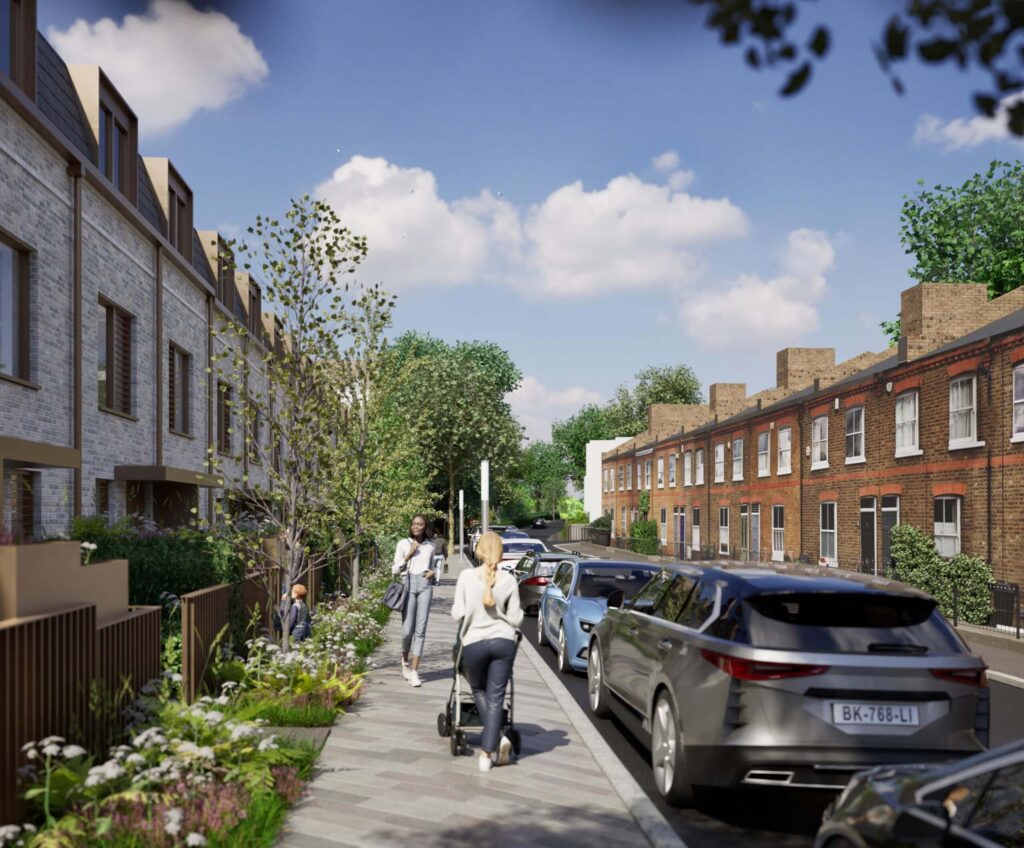
The ongoing Blackheath station redevelopment project has sparked significant debate within the community, as plans unfold to transform the station’s car park into a residential space. Acorn, the developer at the helm of this project, envisions erecting 45 new homes—a combination of terraced houses and flats—while dramatically reducing parking provisions from 162 spaces to just 17. This ambitious initiative has raised concerns among local residents and business owners, many of whom fear the implications for the area’s charm and character, especially within the historically significant Blackheath conservation area. With over 1,200 objections received, the Lewisham Council planning committee faces tremendous pressure to reconsider the project amidst perceptions of a housing controversy. The emphasis on creating affordable housing in Blackheath contrasts starkly with community responses highlighting the potential risks of overdevelopment in this cherished neighborhood.
The redevelopment of Blackheath station is generating a whirlwind of opinions as plans to repurpose the car park emerge, aiming to introduce new residential units in the area. The proposal by Acorn seeks to establish a mix of homes designed to alleviate housing shortages, yet it poses a threat to the distinctive character of this historic locale. As residents and local businesses rally against the significant reduction in parking and the overwhelming size of the proposed structures, many express deep concerns about preserving the essence of Blackheath. Critics of the project emphasize the importance of thoughtful urban planning that respects the Blackheath conservation area’s legacy while also addressing the community’s housing needs. The juxtaposition of development ambitions and community heritage is at the heart of this controversial discourse.
Blackheath Station Redevelopment Controversy
The redevelopment of Blackheath station’s car park has created significant controversy in South East London. Proposed by developer Acorn, the plan includes the construction of 45 new homes, which many locals have vehemently opposed. This push for new housing, while potentially beneficial, has been criticized for its scale and impact on the Blackheath conservation area. With only 17 car parking spaces remaining after the redevelopment, residents are concerned that this will exacerbate existing parking shortages, creating a detrimental effect on local businesses.
Moreover, the scale of the proposed buildings—ranging from four to five storeys—has raised alarms regarding their compatibility with the surrounding historic architecture. The outcry from the community highlights a broader discussion about maintaining Blackheath’s unique character amidst urban development pressures. The plans, which come amid calls for greater affordable housing, have drawn mixed responses, but the level of resident dissatisfaction cannot be ignored.
The Impact on Blackheath’s Community
The proposed developments have spurred an intensive debate within the Blackheath community, with residents voicing their fears of losing the area’s charm and character. As one of London’s first conservation areas, the community emphasizes that any new projects should respect its historical significance. The sentiment echoed by lifelong residents suggests that the massing and design of the new buildings do not align with the existing structures, risking the potential to overshadow cherished landmarks and the tight-knit village atmosphere.
In response to these plans, personal testimonies from local figures—including actors and business owners—have emerged. They express a collective concern regarding the future viability of local independent businesses, which are perceived as integral to Blackheath’s identity. Campaigning against the redevelopment reflects a deep-rooted commitment to preserving Blackheath as a vibrant community hub, underlining the complex balance between development and conservation in urban planning.
Affordable Housing Debate in Blackheath
The introduction of affordable housing in Blackheath has been framed as a necessary response to the growing housing crisis in London, but the specifics of the proposed development have been met with skepticism. Though Acorn claims that 21.3 percent of the new homes will be designated as affordable housing, many residents argue that this percentage is insufficient given the area’s pressing needs for more inclusive housing solutions. The controversy surrounding the ‘affordable housing’ term often stems from the disparity between what is deemed affordable and actual local income levels.
This juxtaposition of the need for affordable housing against the backdrop of historic preservation is a challenge faced by many London boroughs. Critics assert that while new developments may contribute to reducing housing shortages, they must also align with the community’s values and preserve the character of established neighborhoods like Blackheath. Engaging the community in the planning process is crucial to ensure that developments meet both housing needs and protect the area’s historical essence.
Community Responses and Local Opposition
The responses from the Blackheath community regarding the redevelopment plans have been nothing short of passionate. With over 1,200 objections logged against Acorn’s proposal, residents are clearly articulating their discomfort regarding the project’s size and scale. The overwhelming community sentiment suggests that any advancement in housing projects must consider the unique local context and community feedback. Individuals, including lifelong residents, have openly criticized the proposals for lacking respect for the area’s character, inciting the advocacy for an alternative development approach.
This strong local resistance highlights a broader theme in urban development where community voices are increasingly pivotal. Engaging with local stakeholders, understanding their concerns, and working collaboratively on solutions could mitigate conflicts and foster community trust. If the developers and Lewisham Council aim to get community buy-in, incorporating public feedback into planning sessions may encourage a more feasible and sustainable development outcome.
The Role of Lewisham Council in Planning Decisions
Lewisham Council’s commitment to addressing housing demands while managing conservation principles places it in a challenging position with the redevelopment of Blackheath station’s car park. As a key player in the planning process, the council is tasked with balancing the urgent need for new homes against the backdrop of resident apprehensions. Whether the council will heed community concerns or prioritize developer proposals remains a critical question that local activists are keenly monitoring.
The council’s planning committee has been advised to approve the redevelopment, raising questions about transparency and responsiveness to public sentiment. Insights from planning officers point to an urgent need for new housing but also reveal the complexities of integrating affordable housing into plans that may otherwise compromise a neighborhood’s integrity. Going forward, Lewisham Council must navigate these contentious waters with sensitivity and clarity, focusing on long-term impacts for the community.
Advocacy from Local Businesses
The impact of the Blackheath station redevelopment on local businesses has gathered support from various sectors, emphasizing the economic implications of reduced parking availability. Local entrepreneurs have voiced fears that the proposed reduction of car parking spaces will adversely affect foot traffic and sales, especially for small independent retailers. Such a shift could mark a pivotal moment for businesses in Blackheath, as reduced access might lead to dwindling patronage during critical hours.
Additionally, local businesses are actively engaging with both councils and developers to advocate for solutions that ensure their survival amidst the proposed changes. There’s a consensus that fostering a vibrant trading environment requires more than new housing; it necessitates a holistic approach to urban planning that considers essential amenities for both residents and businesses. The future of Blackheath’s unique village atmosphere is intrinsically tied to preserving the livelihoods of its independent traders.
Celebrity Involvement and Public Reaction
The involvement of celebrities and high-profile personalities in the Blackheath station redevelopment debate has brought additional attention to the community’s plight. With notable figures like Jude Law and Dominic Cooper publicly opposing the plans, their advocacy has amplified local objections and drawn media attention to the ongoing housing and development controversy in Blackheath. Their involvement highlights the intersection of community concerns and broader societal narratives surrounding urban development.
Public reactions to such celebrity endorsements vary, but they often serve to unite citizens around a common cause. When influential individuals take a stand against development projects perceived as detrimental, it encourages local residents to rally for change. This trend underscores the role of community in activism, demonstrating that the fight for preserving local integrity transcends social and economic barriers.
Plans for Sustainable Development
As discussions surrounding the Blackheath station redevelopment progress, there is increasing emphasis on sustainable development practices that could cater to both housing needs and environmental preservation. Advocates for sustainable urban planning argue that any new project should incorporate elements such as green spaces, energy-efficient designs, and community-oriented facilities to enhance the quality of life for all residents—new and old alike.
The potential for creating a development that serves as a model for future projects in London hinges on the commitment to integrating community feedback with sustainable designs. If the proposed housing can coexist with the conservation objectives of Blackheath, it may pave the way for future developments that harmonize growth with conservation, ensuring both unity and progress within the community.
The Future of Blackheath and Urban Development
Looking to the future, the outcomes of the Blackheath station redevelopment will set a critical precedent for urban development in London. The town has historical significance and a unique cultural landscape that must be preserved even as pressures for new housing grow. How effectively the council and the developer can negotiate community objections and planning requirements will be fundamental in shaping how similar projects are approached in the future.
The balance between accommodating new housing and upholding the integrity of beloved neighborhoods will likely resonate beyond Blackheath, influencing how other communities deal with development pressures. If managed well, Blackheath could emerge as a case study for successful integration of urban development while maintaining its historical essence—providing a blueprint for similar challenges throughout the capital and beyond.
Frequently Asked Questions
What are the plans for the Blackheath station redevelopment?
The Blackheath station redevelopment plans propose building 45 new homes on the existing car park site, which includes 20 terraced houses and 25 flats spread across two blocks of five and four storeys respectively. This development is part of broader efforts to increase housing supply in Blackheath, including provisions for affordable housing.
How does the Blackheath station redevelopment affect local parking?
The Blackheath station redevelopment will significantly reduce the existing car park from 162 spaces to only 17. This reduction has raised concerns among local residents and businesses who argue it will worsen the already limited parking situation in Blackheath, impacting local commerce and community accessibility.
What is the community response to the Blackheath station redevelopment plans?
The community response to the Blackheath station redevelopment has been largely negative, with over 1,200 objections submitted, alongside objections from local businesses and high-profile residents. Concerns focus on the scale of the development, its impact on the Blackheath Conservation Area, and potential harm to the character of the village.
What percentage of affordable housing is included in the Blackheath station redevelopment proposal?
The Blackheath station redevelopment proposal includes approximately 21.3 percent affordable housing based on habitable room count. This is part of the effort to address the urgent need for new homes in the Blackheath area, although many residents feel it’s not sufficient given the project’s scale.
How does the Blackheath station redevelopment impact the Blackheath Farmers’ Market?
There are uncertainties regarding the future of the Blackheath Farmers’ Market, which currently operates in the car park designated for redevelopment. However, proponents of the redevelopment, including the Director of London Farmers Market, suggest that a new, more suitable venue may be created to enhance its operations.
Who are the notable figures opposing the Blackheath station redevelopment?
The Blackheath station redevelopment has drawn opposition from several notable figures, including Hollywood actors like Jude Law and Dominic Cooper, as well as former MP Dame Joan Ruddock. This high-profile dissent highlights the strong community sentiment against the proposed development.
What are the implications of the Blackheath housing controversy on future developments?
The Blackheath housing controversy surrounding the redevelopment of the station may set a precedent for future projects. Locals fear that if this large-scale development is approved, it could lead to similar overdevelopments within the Blackheath Conservation Area, undermining the area’s character and heritage.
What actions have local businesses taken against the Blackheath station redevelopment?
In response to the Blackheath station redevelopment plans, around eighty local businesses have united in an open letter urging Lewisham Council to reject the proposal, citing concerns that it threatens their survival and the unique character of Blackheath.
What are the conservation concerns related to the Blackheath station redevelopment?
The Blackheath station redevelopment has raised significant conservation concerns as it is poised to alter the historic landscape of the Blackheath Conservation Area, established in 1968. Critics argue that the scale and design of the new buildings do not respect the heritage and character typical of the area.
What statements have been made by the developers regarding the Blackheath station redevelopment?
Developers Acorn have stated that the Blackheath station redevelopment represents a chance to unlock the site’s potential and provide public benefits, including housing. They argue the design will replace the current underutilized parking with a well-considered layout aimed at enhancing Blackheath Village.
| Aspect | Details |
|---|---|
| Development Proposal | Acorn plans to build 45 homes: 20 terraced and 25 flats across two blocks of five and four storeys. |
| Current Car Park | 162 parking spaces will be reduced to 17. |
| Affordable Housing | The development will include 21.3% affordable housing by habitable room. |
| Community Reaction | 1,202 objections from residents and local businesses; 30 comments in support. |
| Concerns Raised | Residents fear the development will harm the historic Blackheath Conservation Area. |
| Prominent Opposition | Celebrities and locals, including Jude Law and Dominic Cooper, oppose the plans. |
| Local Business Impact | Eighty local businesses warn that the car park reduction threatens their survival. |
| Market Concerns | Uncertainty regarding the future of the Blackheath Farmers’ Market. |
| Architect Response | Architects assert the design will enhance the area and align with planning policies. |
Summary
The Blackheath station redevelopment is a highly contentious issue, with proposed plans for a new housing development on the car park site stirring significant debate among residents and stakeholders. While the developer, Acorn, presents a vision of modern living with affordable housing, the local community has expressed strong reservations due to the scale of the project and its potential impact on the historic conservation area. As the Planning Committee prepares to make a decision, the ongoing dialogue reflects the importance of balancing urban development needs with the preservation of local heritage.