Listen to this article
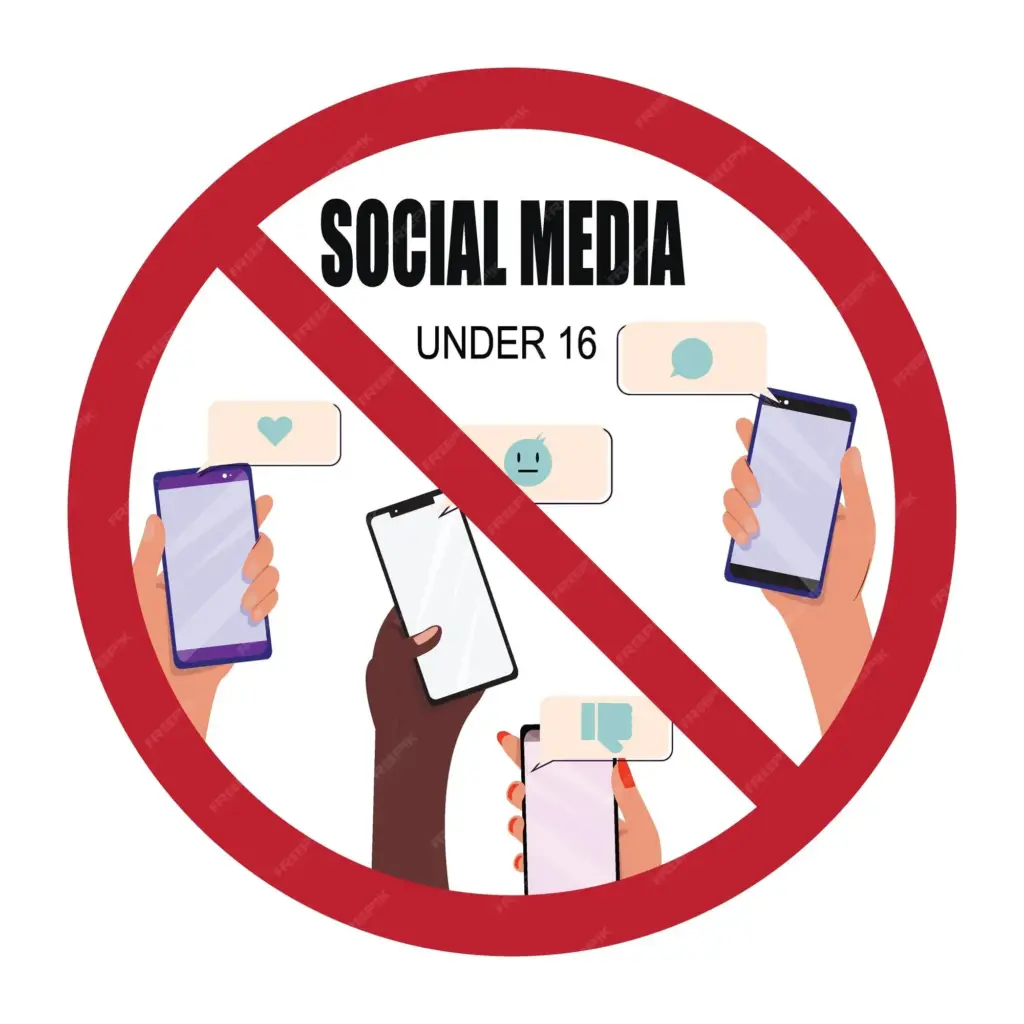
The recent push for a social media ban for under-16s in the UK has sparked significant debate, highlighting concerns about child safety online and the impact of digital platforms on young minds. Advocates, including Lord Nash, argue that limiting access can help protect children from the adverse effects of social media and promote healthier development. This proposed legislation aligns with broader UK social media regulations aimed at safeguarding vulnerable users by employing age verification techniques to ensure compliance. As discussions progress, the government measures for social media will be scrutinized, focusing on how they can effectively mitigate risks associated with excessive screen time. Ultimately, this ban could reshape how young people interact with technology, prompting necessary conversations on the implications of social media on children today.
In the UK, a controversial initiative is underway that seeks to restrict social media access for those under the age of 16, aiming to enhance child safety online. This proposed restriction has garnered support from several lawmakers, emphasizing the importance of protecting youth from potential mental health issues linked to digital interactions. By introducing stricter age verification measures and evaluating current regulations, the government aims to address the impacts of social media on minors. As this discussion unfolds, it raises pertinent questions about the future of children’s online engagement and how society can better shield young individuals from harmful content. The conversation underscores a growing need for effective regulations that prioritize the well-being of the younger generation in an increasingly digital world.
The Importance of Raising the Social Media Age Limit
The debate surrounding the proposed ban on social media for users under 16 in the UK highlights significant concerns about children’s mental health and safety online. As Lord Nash pointed out, extensive research indicates that prolonged exposure to social media can adversely affect young people’s wellbeing, leading to increased anxiety, depression, and challenges in distinguishing between reality and the digital world. Parents across the UK are increasingly voicing their desire for stricter regulations—evidence suggests that a majority support the measure to enhance child safety online, reflecting a growing awareness of the potential hazards of social media.
In addition to mental health implications, there is a notable push for implementing age verification techniques to ensure that minors do not access platforms that may harm them. With social media giants enduring scrutiny for their lenient policies, advocates are calling for more rigorous checks to secure a safe online environment for children. Heightened regulations are essential to empower parents and educators alike, as they play vital roles in safeguarding children from the adverse effects of social media. As discussions progress, the emphasis on child welfare is paramount in crafting effective legislation.
Potential Government Measures for Social Media Regulation
The UK government is exploring various measures to bolster online child safety, including the proposed ban on social media for those under 16. Technology Secretary Liz Kendall has initiated a consultation aimed at identifying effective strategies to protect young users. This could lead to implementing overnight curfews and preventing harmful habits like “doom-scrolling.” Additionally, there is a focus on how social media companies can enforce age verification measures, ensuring that access is limited to appropriate age groups, thereby reducing exposure to unsuitable content.
Such government measures are part of a broader agenda to address the alarming trend of excessive social media usage among children. Campaigners posit that by curbing access at a younger age, children can develop healthier habits and better cognitive skills that are essential for navigating digital landscapes. As the UK considers following Australia’s lead on social media regulation, ongoing discussions emphasize the imperative of safeguarding youth against potential societal impacts and fostering a generation that approaches social media with maturity.
Support and Opposition to the Proposed Social Media Ban
The proposed ban on social media for under-16s has garnered mixed responses. Supporters, including children’s charities and concerned parents, argue that this measure is a necessary step toward ensuring the safety of children in a digital era rife with risks. Citing various academic studies, advocates assert that excessive online engagement can lead to serious mental health issues for the youth, underscoring the urgent need for action. The backing from prominent figures like Lord Nash signals widespread recognition of the problem, suggesting that substantial public support might lead to legislative change.
Conversely, some campaigners challenge the ban, asserting that it might not be the most effective solution to the deeper issues of child safety online. They argue that educational initiatives and parental guidance could empower children to navigate social media responsibly, rather than outright bans that may inadvertently stifle their development in a digital age. The ongoing debate raises crucial questions about the balance between regulatory measures and the importance of teaching children digital citizenship skills, highlighting the complexities of child safety online.
The Role of Age Verification Techniques in Social Media Safety
Age verification is a critical aspect of the proposed legislation aimed at enhancing child safety on social media platforms. Experts assert that effective age checks can significantly limit children’s exposure to inappropriate content and interactions, demonstrating a commitment to protecting minors online. Social media companies are being called upon to adopt more sophisticated technology to ascertain user ages reliably. This shift would require investment in security measures but is viewed as a necessary burden to ensure that children’s welfare is prioritized.
Furthermore, robust age verification techniques can foster a more secure environment where children can learn to engage with digital platforms safely. By legally obligating platforms to adopt age checks, the government’s stance on social media regulation sends a powerful message that child safety cannot be compromised. Ensuring that younger audiences are shielded from harmful influences will enable the development of healthier online habits, facilitating a more responsible approach toward digital interaction in the future.
Evaluating the Impact of Social Media on Children’s Wellbeing
As the UK debates the prospect of banning social media for under-16s, it becomes increasingly essential to evaluate the impact that these platforms have on young people’s mental health. Research continues to reveal alarming correlations between social media usage and adverse effects such as anxiety, depression, and issues with body image. Many experts argue that children, being still in developmental stages, may not have the necessary skills to navigate the complexities of social media, leading to engagement with harmful content and peer pressure that can magnify these psychological issues.
Understanding this dynamic is crucial when formulating legislation that aims to protect children. The implications of unmonitored social media access can be profound, influencing children’s self-esteem and social interactions. By addressing these concerns through legislative measures, like those proposed by Lord Nash, the UK is taking a proactive stance toward fostering a healthier online environment, reinforcing the importance of child safety and wellbeing in an increasingly digital world.
Public Sentiment on Social Media Restrictions for Minors
The call for social media restrictions for minors has resonated strongly with parents and the public, signifying a collective concern for the mental health and safety of children in the UK. Surveys indicate that a substantial percentage of parents are in favor of restrictions, emphasizing the perceived necessity to safeguard children from the potential harms associated with social media use. This public sentiment reflects broader societal recognition of the impact that constant connectivity can have on young minds, fueling advocacy for legislative action.
In addition, as discussions unfold, policymakers are faced with the challenge of reconciling public concerns with the operational realities of social media platforms. Stakeholders are increasingly advocating for a balanced approach that not only involves potential age restrictions but also promotes digital literacy. Engaging parents in the conversation and equipping children with the skills to navigate social media responsibly could lead to a more effective resolution, reinforcing the importance of collaboration between government, parents, and educational institutions.
The Future Landscape of Social Media Regulations
As the UK approaches potential legislation regarding social media use for under-16s, the landscape of digital regulations is likely to face transformative changes. The proactive measures being discussed—such as the ban and improved age verification—herald a new era of accountability for service providers. This shift aims to ensure that social media can be navigated safely by younger users, alleviating concerns about their exposure to inappropriate content and interactions. Adapting regulations will also necessitate cooperation from tech companies, which will need to innovate rapidly to meet stricter standards.
This evolving regulatory framework will not only impact social media dynamics but will also shape the future interactions that children have with the digital world. By fostering an environment of safety and responsibility, we can cultivate a generation of users who are better equipped to manage their online presence. As the discourse continues, the integration of public opinion will be vital, enabling educators, parents, and policymakers to create a comprehensive and effective approach to social media usage among minors.
Critics of the Social Media Ban and Their Concerns
Despite considerable backing for the proposed ban on under-16s using social media, several critics have emerged, raising legitimate concerns about the adequacy of such measures. Many argue that the ban alone might not resolve the underlying issues children face online, including mental health challenges stemming from social media use. Critics emphasize the importance of addressing these issues through education, encouraging critical thinking, and fostering open dialogues between parents and children about online behavior.
Moreover, opponents of the ban caution that it could lead to unintentional consequences, such as driving children to seek alternative, less monitored platforms. They argue that a complete prohibition might create a forbidden fruit effect, whereby minors become more curious and more inclined to sidestep restrictions. Thus, they advocate for a more nuanced approach that includes teaching children digital literacy skills while still enforcing reasonable limitations to protect them from harm.
The Role of Schools in Minimizing Social Media Use
Schools are uniquely positioned to play a pivotal role in addressing the challenges surrounding social media use among students. With Ofsted’s guidance regarding phone usage in educational settings, schools are being encouraged to create environments conducive to learning without distractions from social media. Educators can adopt policies that minimize personal device usage, thereby allowing students to focus and engage more effectively in their studies, which can help mitigate the risks associated with excessive online presence.
Additionally, integrating lessons about digital citizenship into the curriculum can empower students to navigate social media responsibly. These educational initiatives can foster a collaborative approach, where students learn to critically assess online content and understand the implications of their digital footprints. Encouraging discussions around the responsible use of technology will equip young learners with the tools they need to engage positively in a digital landscape, promoting a balance that prioritizes both learning and safety.
Frequently Asked Questions
What is the proposed social media ban for under-16s in the UK?
The proposed social media ban for under-16s in the UK aims to prevent children under this age from accessing social media platforms. This initiative, suggested by Lord Nash, seeks to raise the age limit for users and is part of broader UK social media regulations to protect child safety online.
Why are UK social media regulations considering a ban for users under 16?
UK social media regulations are considering a ban for users under 16 due to increasing concerns about the effects of social media on children, including mental health issues and exposure to harmful content. Advocates believe that raising the age limit will help protect young users.
What measures are proposed to enhance child safety online under the new social media regulations?
Proposed measures include implementing robust age verification techniques to ensure only age-appropriate users access social media, along with possible overnight curfews and actions to combat ‘doom-scrolling’ among children, enhancing overall online safety.
How might age verification techniques impact social media for under-16s?
Age verification techniques could significantly impact social media usage by strictly limiting access for users under 16. This would help enforce the proposed ban and ensure that young people are protected from inappropriate content and excessive use.
What are the academic findings regarding the effects of social media on children?
Academic studies worldwide indicate that excessive social media usage can negatively impact children’s health, contributing to anxiety, depression, and diminished attention spans. These findings support the push for tighter regulations and a ban on under-16s accessing these platforms.
Why do some campaigners oppose the social media ban for under-16s?
Some campaigners and children’s charities oppose the social media ban for under-16s fearing it may not address the root issues effectively and could limit children’s access to educational resources and community support online. They advocate for balanced approaches rather than outright bans.
What role does the UK government play in enforcing the social media ban for under-16s?
The UK government is responsible for legislating the proposed social media ban for under-16s. This includes debating amendments to existing laws, implementing age verification measures, and ensuring that social media companies adhere to new regulations to enhance child safety online.
What is the significance of the consultation announced by Technology Secretary Liz Kendall?
The consultation announced by Technology Secretary Liz Kendall is significant as it aims to gather public opinion on the effectiveness of regulating social media for children. It will assess various strategies, including a potential ban, to better protect children online and evaluate their practical implications.
| Key Point | Details |
|---|---|
| Proposed Legislation | Lord Nash proposes an amendment to ban social media for under-16s. |
| Background Context | The UK is considering following Australia’s example of imposing a social media ban for young people. |
| Current Discussions | The legislation will be debated in Parliament, with consultations planned by Technology Secretary Liz Kendall. |
| Opposition to the Ban | Children’s charities and some campaigners oppose the proposed ban, highlighting potential issues with implementation. |
| Support for the Ban | Lord Nash claims polling shows strong parental support for the ban due to health concerns related to social media. |
| Stricter Guidelines | Ofsted is expected to issue stricter guidelines on phone usage in schools to minimize distractions. |
| Future Implications | The amendment may face challenges in the House of Commons even if passed in the Lords. |
| Calls for Further Action | Liberal Democrats advocate for age ratings on social media platforms to protect children. |
Summary
The discussion around a social media ban for under-16s is gaining traction in the UK, reflecting growing concerns over the safety and wellbeing of children online. This proposed legislation aims to restrict access to social media platforms for younger users, in light of evidence highlighting the detrimental effects of excessive social media engagement on mental health. As consultations unfold, the future of social media regulation in the UK could significantly reshape how children interact with digital spaces, ensuring better protections are implemented to safeguard their wellbeing.