Listen to this article
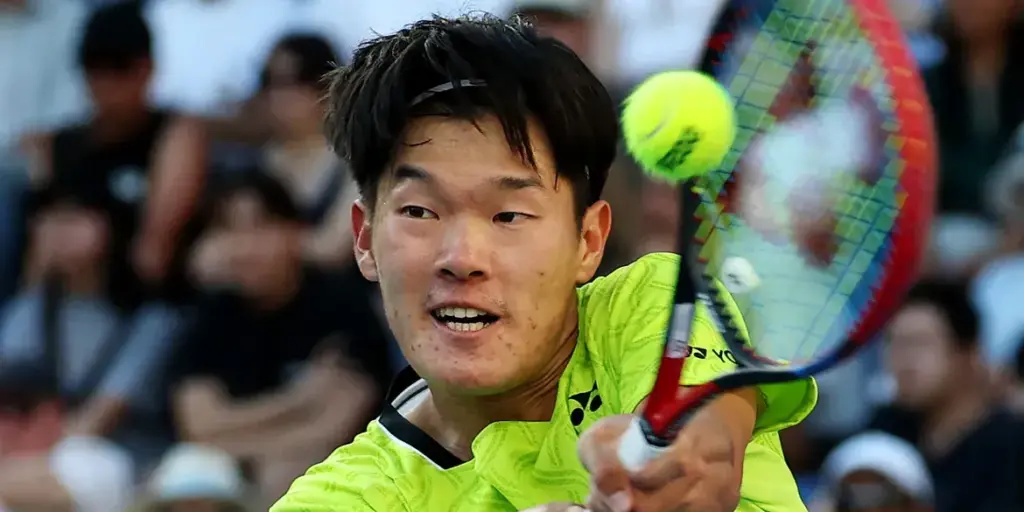
Michael Zheng’s journey at the Australian Open has been both inspiring and tumultuous, as he recently faced a significant setback that may cost him over £100,000 in prize money. Despite making a remarkable debut in the Grand Slam main draw and defeating former quarter-finalist Sebastian Korda, the Columbia University standout was forced to retire during his match against 32nd seed Corentin Moutet. As Zheng contemplates the intersection of NCAA athlete rules and professional aspirations, he navigates the complexities of tennis prize money restrictions that could limit his earnings. With the Australian Open 2024 around the corner, the stakes are higher than ever for collegiate athletes like Zheng. While he prepares to return to school post-tournament, the implications of college athletes’ earnings will continue to shape conversations about amateurism in sports.
In the world of competitive tennis, Michael Zheng has made headlines not only for his performance at the Australian Open but also for the challenges faced by college athletes in handling prize earnings. His impressive progress to the second round exemplifies the potential of young talents, yet it also highlights the hurdles posed by NCAA regulations on income from tournaments. As students in athletics navigate the fine line between pursuing a professional career and adhering to collegiate guidelines, discussions on earnings from sports continue to gain traction. Zheng’s situation underscores the urgency for reforming policies surrounding athletes’ rights to financial compensation, especially in high-stakes environments like the Australian Open. Such instances are prompting a broader dialogue about the future of amateur sports and how emerging players can thrive amidst restrictive rules.
Michael Zheng’s Australian Open Journey: A Mixed Bag of Triumph and Challenges
Michael Zheng’s experience at the Australian Open serves as a poignant reminder of the complexities college athletes face when transitioning into the professional realm. Making it to the second round in his Grand Slam debut is an incredible achievement, particularly as he defeated former quarter-finalist Sebastian Korda. However, the excitement of progressing in the tournament took a somber turn when Zheng had to retire due to injury after the second set against Corentin Moutet, further complicating his standing as a collegiate athlete competing at an elite level.
In addition to the physical challenges he faced, Zheng’s situation highlights the strict limitations that the NCAA imposes on collegiate athletes regarding earnings. Despite the promise of significant tennis prize money, Zheng’s eligibility to accept such funds is uncertain due to NCAA rules, which cap earnings at $10,000 per year for college athletes. This confusing landscape leaves athletes like Zheng navigating the fine line between their amateur status and professional aspirations, particularly as he approaches his senior year.
Thus, the disparity between the high-stakes environment of the Australian Open and the constraints of NCAA regulations places athletes in a precarious position, questioning their financial viability should they choose to pursue a career in tennis while still attending school.
The ongoing debate surrounding NCAA prize money restrictions also resonates within the broader collegiate athletic community. Zheng’s earlier success raises important questions about whether these regulations adequately support the financial interests of college players, especially as they gain visibility on grand stages like the Australian Open.
Navigating NCAA Rules: Impacts on College Athletes’ Earnings
Michael Zheng’s situation is sadly not unique; it underscores the ongoing struggle many collegiate athletes face under NCAA guidelines, especially regarding prize money. NCAA athlete rules have been criticized for being outdated, particularly in light of increasing discussions about athletes’ rights and compensations that arise as they perform on an international stage. The restrictions can significantly hinder not only their financial growth but also their motivation to compete at higher levels, as seen through Zheng’s reluctance to engage in prize money discussions before confirming his eligibility.
The tension between athletic performance and academic obligations can lead to a challenging decision-making process for athletes. As Zheng remarked, the blurred lines between turning professional and remaining in college force athletes to constantly reassess their priorities. If future changes to the NCAA’s guidelines do not materialize, scenarios like Zheng’s will likely continue to emerge, leading college athletes to either forfeit substantial earnings or risk jeopardizing their eligibility.
Tennis Prize Money Restrictions: A Call for Reform
The ongoing scrutiny of NCAA prize money restrictions has sparked significant conversations regarding the structural reforms needed in collegiate sports. Many argue that the current thresholds limit the earning potential of talented athletes while depriving them of the benefits accrued from their hard work and dedication to their sports. The case involving Michael Zheng takes center stage, as it illustrates the profound disconnect between the commercial realities of professional tennis and the amateur restrictions imposed by the NCAA.
Given that prominent players like Zheng generate substantial interest and revenue for athletics programs and sponsors alike, it’s becoming increasingly difficult to justify these restrictions. Advocacy for reform is growing louder, with legal cases against the NCAA spotlighting the inherent contradictions within its policies. As Zheng navigates his immediate future, the outcome of ongoing trials concerning NCAA regulations will have implications not only for him but also for countless collegiate athletes aiming to balance competitive success with educational commitments.
The Future of College Athletes: Opportunities and Challenges
As college athletics evolve, the stakes for athletes like Michael Zheng continue to rise. With the potential for substantial earnings at high-profile tournaments, the prospect of turning professional while still balancing college academia presents both opportunities and major challenges. Zheng’s situation serves as a catalyst for broader discussions on how collegiate sports can adapt to support athletes in a landscape increasingly dominated by the professional realm. The struggle to understand the conflict between NCAA rules and career ambitions requires clarity from governing bodies.
With the popularity of tournaments like the Australian Open growing, the pressure on NCAA and universities to reform athlete compensation regulations is mounting. Zheng’s story and similar experiences echo a crucial need for the NCAA to reassess its limitations on prize money. As the landscape of college athletics continues to change, fostering a system that allows student-athletes to thrive educationally and financially will be indispensable for encouraging young talent.
Collegiate Tennis and the Shift Towards Professionalism
The trajectory of collegiate tennis is rapidly shifting, highlighted by young talents like Michael Zheng who maneuver the route between amateurism and professionalism. Zheng’s rise as the first back-to-back NCAA champion in 13 years illustrates the potential of college athletes as they strive for recognition and success on the global stage. This momentum challenges traditional views on how collegiate sports should operate, particularly regarding compensation and eligibility.
As athletes increasingly find success in competitions such as the Australian Open, the pressure mounts for colleges and governing bodies to rethink the constraints they impose. The emerging dialogues around athlete compensation show a growing recognition that the current model may be inadequate to meet the needs and realities of today’s collegiate competitors. The more students like Zheng excel, the more it becomes imperative for institutions to support their aspirations and navigate carefully through the complexities of NCAA regulations.
Exploring the Legalities Behind NCAA Prize Money Restrictions
The legal landscape surrounding NCAA prize money restrictions is evolving, especially with cases like that of Michael Zheng bringing visibility to the issue. The ongoing legal action involving pivotal players, as seen with other athletes who have faced similar restrictions, highlights the contentious nature of NCAA policies. The argument that these limitations amount to illegal price fixing is becoming a rallying point for reform advocates, pressing the need for change.
As discussions around Zheng’s eligibility gain traction, there’s a growing urgency for policy amendments within the NCAA framework that would allow college athletes to capitalize on their accomplishments without jeopardizing their future. Legal proceedings and testimonies from athletes navigating these challenges are pivotal in shaping a path forward towards a more equitable standard for college sports compensation.
The Role of Universities in Supporting Student-Athletes
Universities must play a proactive role in supporting their student-athletes through the complexities of NCAA regulations, especially concerning prize money. For someone like Michael Zheng, having institutional support from Columbia University is essential in navigating the intricate landscape of eligibility and financial gain. Universities have a responsibility to ensure that athletes receive accurate guidance regarding their rights and opportunities.
As they strive to balance academics with athletics, students must feel backed by their institutions. By collaborating with the NCAA and staying informed about the evolving rule set surrounding prize money restrictions, universities can empower athletes like Zheng to make educated decisions about their careers. The responsibility shared between the athletes and their academic institutions will significantly shape the future of collegiate sports.
The Impact of Prize Money on Future College Programs
The implication of prize money restrictions stretches far beyond individual athletes and impacts the entire fabric of college athletic programs. As Michael Zheng’s situation illustrates, the ability for a program to attract and retain talented athletes can hinge on how well it addresses concerns about financial compensation within a sport. Given that collegiate athletes are often integral to a university’s identity and success, how programs manage these situations is crucial.
With many talented individuals, how institutions support their athletes financially may determine their future viability and attractiveness to prospective recruits. Addressing NCAA restrictions proactively can not only benefit current student-athletes but also position programs as champions of change, willing to advocate for the betterment of college athletics overall.
Preparing for a Professional Career: Zheng’s Approach
As Michael Zheng contemplates his future, the decisions he makes in the coming months could define his professional career. With the complications of NCAA regulations lingering over potential earnings, how he prepares to transition from collegiate success to a full-time professional athlete will play a vital role in shaping his path. Balancing practice, training, and discussions with coaches about next steps will require Zheng to approach his future strategically.
Engaging with mentors and former collegiate athletes who have navigated this terrain may provide Zheng with insights needed to make informed decisions. As he works towards a potential career on the ATP Tour, understanding the landscape, including financial implications and eligibility concerns, will be paramount for Zheng as he embarks on this new chapter in his life.
Frequently Asked Questions
How does Michael Zheng’s Australian Open performance impact his prize money?
Michael Zheng reached the second round in his Australian Open debut, but due to NCAA athlete rules, he will miss out on over £100,000 in prize money. College athletes are restricted to earning only $10,000 per year, which limits his earnings despite his success at the tournament.
What are the NCAA athlete rules affecting Michael Zheng’s prize money after the Australian Open?
The NCAA athlete rules prevent college athletes like Michael Zheng from earning more than $10,000 annually from their sports. Consequently, despite winning his first round at the Australian Open, Zheng’s earnings from the tournament exceed this limit, potentially jeopardizing his eligibility.
What is the latest news on Michael Zheng’s prize money from the Australian Open 2024?
As of now, Michael Zheng is facing restrictions on his Australian Open prize money due to NCAA regulations, which allows him to earn only $10,000 per year as a college athlete. The total prize money he would receive for advancing in the tournament greatly exceeds this cap.
Will Michael Zheng receive his Australian Open prize money, considering NCAA rules?
While Michael Zheng performed impressively at the Australian Open, his ability to receive prize money is hindered by NCAA rules that limit college athletes’ earnings to $10,000 annually. Zheng plans to clarify his eligibility status regarding the prize money after the tournament.
How did Michael Zheng’s NCAA eligibility affect his participation in the 2024 Australian Open?
Michael Zheng, as a senior at Columbia University, participated in the Australian Open under NCAA eligibility rules. These rules restrict him from fully capitalizing on his success in terms of prize money, which has become a point of contention in his professional journey.
What are the implications of NCAA tennis prize money restrictions on players like Michael Zheng?
The NCAA tennis prize money restrictions significantly impact players like Michael Zheng by capping their annual sports earnings at $10,000. This limitation prevents them from benefiting from substantial winnings at major events such as the Australian Open, raising discussions about reform in NCAA policies.
Does Michael Zheng’s Australian Open journey reflect a broader issue for college athletes?
Yes, Michael Zheng’s experience at the Australian Open highlights ongoing issues for college athletes regarding prize money restrictions. His struggle to navigate NCAA rules after a successful tournament underscores the debate about fairness and athlete compensation in collegiate sports.
What support is Columbia University providing Michael Zheng regarding his Australian Open prize money?
Columbia University is actively working with the NCAA to clarify what Michael Zheng can earn from his Australian Open performance. They are addressing the complexities of NCAA athlete rules to ensure he understands his eligibility and prize money situation.
What can we learn from Michael Zheng’s experience at the Australian Open concerning college athlete earnings?
Michael Zheng’s experience at the Australian Open illustrates the conflicts college athletes face regarding NCAA regulations on earnings. It raises important questions about the balance between education and professional athleticism, particularly in light of recent legal challenges against these restrictions.
Is there a potential for legal changes regarding NCAA prize money restrictions due to cases like Michael Zheng’s?
Michael Zheng’s situation, alongside others facing similar challenges, could contribute to legal changes regarding NCAA prize money restrictions. Ongoing cases like those involving other college athletes may prompt a reevaluation of these rules, especially as public and legal scrutiny grows.
| Key Points |
|---|
| Michael Zheng will miss out on over £100,000 in Australian Open prize money despite reaching the second round. |
| Zheng retired in the fourth set during his second-round match against Corentin Moutet after initially winning the first set. |
| He took a medical timeout for treatment on his left leg but was unable to continue effectively. |
| As a college athlete, NCAA rules restrict his yearly prize money earnings to $10,000 (£7,440). |
| Zheng expressed concerns about the blurred lines between professional tennis and college eligibility regarding prize money. |
| Columbia University is working with the NCAA to clarify what prize money is permissible for athletes. |
| Zheng follows other college players like Maya Joint, who also faced financial constraints after successful Grand Slam performances. |
| Legal actions are ongoing regarding the NCAA’s restrictions on prize money. |
Summary
Michael Zheng’s performance at the Australian Open has brought to light the complex relationship between collegiate athletics and professional sports. Despite his impressive debut and reaching the second round, Michael Zheng is set to miss out on over £100,000 of his prize money due to NCAA regulations that limit earnings for college athletes. This situation raises important questions about the eligibility rules and financial opportunities available to talented athletes like Zheng as they navigate the challenges of competition and compliance.