
Listen to this article
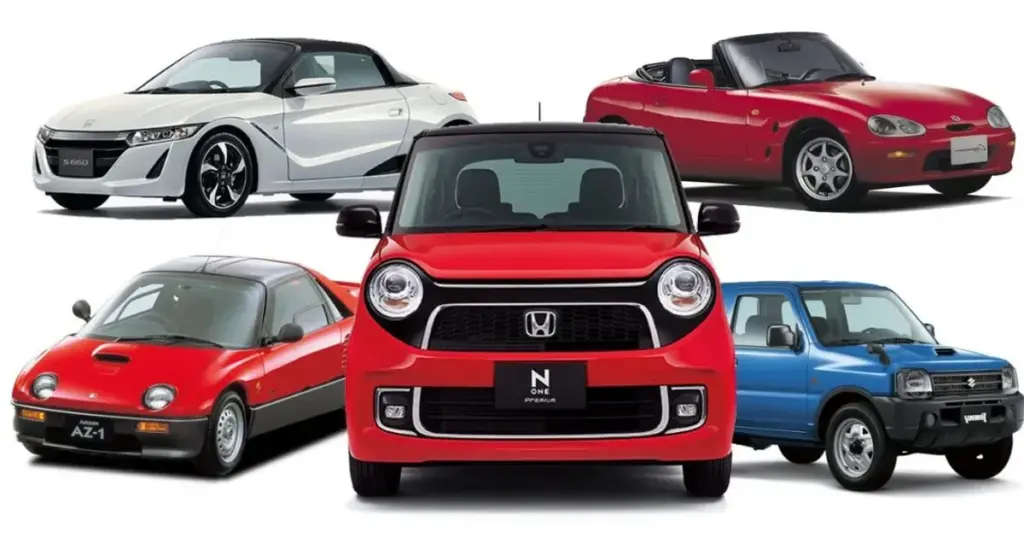
Kei cars, the compact vehicles that have captured the essence of Japanese urban transport, are stirring interest in the American market thanks to recent initiatives by former President Donald Trump. These tiny cars offer an intriguing alternative to the traditionally larger models beloved in the U.S., promoting fuel efficiency and maneuverability in crowded cities. Known for their small size and affordability, Kei cars may just be the perfect match for Americans looking to navigate urban environments without the heft and hassle of larger SUVs. With an increasing focus on sustainability, the popularity of mini vehicles is rising, prompting a newfound curiosity about how these automobiles could fit into everyday life in America. As automotive enthusiasts discuss the possibilities of compact cars, intrigue surrounding Kei cars continues to grow, positioning them as a potential game-changer for the American car landscape.
Often referred to as micro-cars or lightweight vehicles, Kei cars are a unique automotive phenomenon that combines efficiency and style. Initially designed to cater to Japan’s bustling cities, these small cars have emerged as a practical solution in urban settings where parking space is scarce. The concept of these mini vehicles is gaining traction, especially among those looking for cost-effective travel options in congested areas. Despite their historical roots in Japan, the advent of lightweight transportation solutions like compact cars signals an emerging market segment in the United States that may soon embrace these innovative alternatives. As interest in these vehicles builds, it raises questions about their long-term viability among a nation accustomed to larger automobiles.
The Rise of Kei Cars: A New Era for American Roads?
Kei cars, often referred to as tiny cars, represent a unique segment of the automotive market, originally designed in Japan. Commonly seen in bustling city streets across Japan, these compact vehicles are typically less than 11.2 feet long and offer a distinctive blend of functionality and style. With the recent approval from former President Trump to introduce Kei cars in America, this could signify a pivotal shift in the American automotive landscape, where the dominance of larger vehicles, especially SUVs and trucks, has long been the norm. Kei cars, known for their fuel efficiency and affordability, may appeal to environmentally conscious consumers and those facing rising living costs.
Despite the growing popularity of small cars globally, the introduction of Kei cars in the U.S. will face significant hurdles. Safety concerns loom large, as many Americans are accustomed to larger vehicles that offer a perception of security on the road. Furthermore, the unique design and specifications of Kei cars may pose challenges in meeting U.S. safety regulations. However, as cities become increasingly congested, there could be a significant push for smaller vehicles such as Kei cars that can easily navigate tight spaces and reduce parking woes.
Why Americans Are Hesitant About Compact Cars
Despite President Trump’s optimistic views on the potential of mini vehicles, many Americans remain skeptical about adopting compact cars like Kei. Historically, the American market has gravitated towards larger vehicles due to a variety of reasons, including perceived safety, family size, and driving habits. Larger SUVs and trucks are seen as status symbols and offer more space for cargo and passengers, making them the preferred choice for many drivers. As a result, the idea of downsizing to a compact car can feel daunting for those entrenched in car culture that celebrates larger models.
Moreover, price factors heavily into the decision-making process for consumers. While Koop cars could potentially be introduced at a lower cost, ongoing market conditions – including inflation and increased costs of materials – raise questions about affordability. Analysts are debating whether manufacturers can truly deliver Kei cars at competitive price points, especially when many families are already grappling with high costs across various aspects of living. With macroeconomic factors in play, the acceptance of Kei cars may remain a niche market for the foreseeable future.
The Cultural Shift Towards Mini Vehicles
As the automotive industry contemplates a future with Kei cars, there’s an emergence of cultural acceptance towards compact vehicles. Younger generations are beginning to appreciate the practicality and environmental impact of smaller cars over their bulkier counterparts. With rising awareness about the benefits of eco-friendly transportation, these mini vehicles are not just seen as economical choices; they also contribute to a decrease in urban congestion and pollution. The shift towards mini vehicles reflects a broader cultural change, where efficient living and sustainability are increasingly prioritized.
Social media platforms and influencers play a significant role in shaping perceptions about Kei cars and small vehicles. Viral trends and lifestyle changes are encouraging a reevaluation of what is deemed ‘normal’ in vehicle sizes, as consumers become more curious and excited about compact models. Kei cars could drive new discussions around urban mobility, sustainability, and the philosophy of minimalism in transportation – encouraging exploration beyond the conventional notions of automobile ownership.
Kei Cars vs. American Preferences: A Difficult Match
Although Kei cars showcase an innovative approach to urban mobility, their appeal might not translate seamlessly into the American market. Americans are accustomed to the space and power offered by larger vehicles, with driving preferences shaped by factors such as convenience, safety, and comfort. Beyond their smaller stature, Kei cars often have limited performance capabilities that may not align with the expectations of U.S. drivers, particularly those who drive in highway conditions or in areas where vehicle size is crucial for road safety.
Additionally, even as there are pockets of enthusiasts who celebrate Kei cars for their uniqueness and charm, the practicality remains a concern. Respected automotive analysts emphasize that while there may be interest from small groups, the larger American market, which favors SUVs, trucks, and family-friendly vehicles, may not be ready to fully embrace Kei cars. Their adoption will likely depend on a cultural shift that prioritizes efficiency, sustainability, and urban adaptability over the traditional values of size and power.
Economic Implications of Implementing Kei Cars
The introduction of Kei cars reflects significant economic implications, especially for manufacturers and potential consumers. For automakers, shifting production to include compact cars could mean reallocation of resources and capital; manufacturers must weigh the cost-benefit of producing smaller vehicles against the backdrop of rising operational costs. With players like Stellantis signaling interest, the competitive landscape will increasingly play a role in whether Kei cars can successfully penetrate the U.S. market, particularly as companies balance innovation with cost management.
For consumers, Kei cars could bring about a welcome change in terms of price. With the potential for lower-priced vehicles, families struggling with economic challenges might find a viable solution in compact cars. However, the uncertainty in the market, compounded by inflation and supply chain issues, has made many wary of committing to new vehicle purchases, particularly in the compact segment. Price points remain a critical factor, as automakers need to ensure they remain competitive while maintaining safety and quality standards for potential buyers.
The Enthusiast Community: Driving Passion for Kei Cars
Among the skeptics, there exists a passionate community of kei car enthusiasts who appreciate the unique charm and character of these compact vehicles. Clubs and online forums dedicated to Kei cars have gained traction, showcasing a dedicated space for fans to share their experiences, modifications, and the joy of driving. For many, owning a Kei car is not merely about transportation; it’s about celebrating a lifestyle that embraces uniqueness and individuality. Events and meetups further foster a sense of belonging, strengthening the community around these small cars.
However, while this enthusiasm is vibrant, it is important to recognize that it largely exists within a niche market. Gatherings often show the quirky modifications and customization that enthusiasts undertake, highlighting how Kei cars can serve as canvas-like vehicles able to express personal style. These unique aspects contribute to a culture that is excited about micro vehicles; yet, significant challenges remain in broadening the appeal of Kei cars to mainstream audiences in the U.S.
Regulatory Challenges for Kei Cars in America
One of the most pressing barriers to the widespread adoption of Kei cars in the U.S. stems from the stringent regulatory framework that governs automobile manufacturing and safety standards in the country. Many Kei cars would require extensive modifications to align with American safety and emissions regulations, which could lead to increased production costs—substantially defeating their intended cost-effective purpose. This regulatory landscape also raises concerns over the viability of Kei cars becoming a mainstream vehicle option in the U.S.
Furthermore, the challenge lies not only in compliance but also in educating the public about these vehicles’ safety features and benefits. Public perception will likely be shaped by a lack of awareness of Kei cars’ advancements and capabilities. For a successful introduction, comprehensive educational initiatives and marketing campaigns will be crucial in changing the narrative surrounding compact vehicles, underscoring their advantages while addressing safety concerns upfront.
The Future Prospects for Kei Car Adoption in the U.S.
Looking ahead, the future prospects for Kei cars in the U.S. hinge on multiple factors including consumer acceptance, regulatory compliance, and market demand. As fuel prices fluctuate and environmental concerns grow, there may be fertile ground for Kei cars to attract a broader audience, particularly for individuals residing in urban areas where space and efficiency are critical. As automakers respond to consumer preferences, the next few years may reveal significant advancements in the urban mobility space, with an emphasis on smaller, more efficient vehicles.
Nonetheless, it is essential to maintain a realistic outlook. While there is potential for Kei cars to carve out a niche in the U.S. automotive market, they face an uphill battle against the deeply entrenched culture of larger vehicles. A successful integration will likely require collaboration among manufacturers, governments, and advocacy groups to address concerns regarding safety and practicality, while also seizing opportunities to cultivate enthusiasm for compact cars among a diverse audience.
Frequently Asked Questions
What are Kei cars and why are they becoming popular in America?
Kei cars, or kei-jidōsha, are compact vehicles that originated in Japan. They are gaining attention in America as the Trump administration encourages the production of these tiny cars, which offer cost-effective, fuel-efficient alternatives to larger vehicles. Their popularity stems from their suitability for city driving and potential affordability.
How does Trump’s approval of Kei cars affect the market for compact cars in America?
Trump’s recent approval to allow Kei cars production in America aims to address the demand for smaller, affordable vehicles. While it could open the market for these mini vehicles, there’s skepticism about whether American consumers, who typically prefer larger cars, will embrace Kei cars.
Can Kei cars meet U.S. safety regulations for compact cars?
Currently, many Kei cars do not comply with U.S. safety regulations, which poses a challenge for manufacturers. They would require significant modifications to meet American standards, potentially eliminating the cost advantages that make Kei cars attractive.
What challenges do Kei cars face in the American automotive market?
Kei cars encounter several challenges in America, including compliance with safety standards, consumer preferences leaning towards larger vehicles, and potential price competition from existing compact cars in the market.
Are Kei cars suitable for American highways?
While Kei cars are ideal for urban environments due to their compact size, they may not be safe or practical for American highways, especially when sharing roads with larger trucks and SUVs.
What types of Kei cars are currently allowed in the U.S.?
Currently, only Kei cars that are at least 25 years old can be legally driven in the U.S. This includes vintage models which have become popular among collectors and enthusiasts.
What is the expected impact of Kei cars on the popularity of small vehicles in the U.S.?
Kei cars may introduce a niche market for small vehicles in the U.S., but the overall impact on small car popularity remains uncertain as many American drivers are accustomed to larger cars.
How much do Kei cars cost compared to traditional compact cars in America?
Imported Kei cars can range from about $6,500 for older mini-vans to over $10,000 for unique models. This pricing could be appealing compared to some traditional compact cars, but overall market dynamics will dictate final prices.
Will major manufacturers like Toyota and Honda produce Kei cars in the U.S.?
While major manufacturers such as Toyota and Honda have Kei cars in their lineup, there is no confirmed plan to produce these vehicles in the U.S. as they evaluate market demand.
What is the public opinion on Kei cars in the U.S.?
Public opinion on Kei cars in the U.S. appears mixed, with some enthusiasts appreciating their novelty and efficiency, while the broader consumer base may remain reluctant to shift from larger vehicles.
| Key Aspect | Details |
|---|---|
| Approval of Kei Cars | Trump has approved the introduction of Kei cars in the U.S., which are small, fuel-efficient vehicles from Japan. |
| Target Market | While Kei cars are popular in Japan, it’s uncertain whether Americans will embrace them due to a preference for larger vehicles. |
| Concerns Regarding Safety | Experts warn that Kei cars may not be safe on U.S. highways and might only suit urban environments. |
| Potential Pricing | Trump’s initiative could lead to lower prices, but the market’s acceptance remains unclear due to high costs and inflation. |
| Historical Context | Historically, small cars have not performed well in the U.S. market, with few manufacturers succeeding. |
| Current Market Response | Some manufacturers, like Stellantis and Nissan, are exploring entry into the U.S. market with new small models. |
Summary
Kei cars, Japan’s beloved compact vehicles, are poised for a potential introduction into the U.S. market under Trump’s new initiative. However, consumer acceptance remains a significant question amidst varying perspectives on safety and market viability. While the allure of lower prices and fuel efficiency may attract urban drivers, the historical trend shows that American consumers favor larger vehicles. The future of Kei cars in the U.S. depends on market adaptation, manufacturer responses, and consumer willingness to embrace change.

