
Listen to this article
Cambodian online scams have become a pressing issue in recent years, drawing international attention to the dark world of digital fraud and exploitation. High-profile investigations, like the BBC Eye’s coverage of the notorious Kuong Li case, have unveiled the disturbing intersection of organized crime and human trafficking in Southeast Asia. As authorities work to combat these online scams, there is a growing push for enhanced digital fraud awareness among the public. With many victims lured into a trap through false job offers, the ramifications of these scams extend far beyond financial loss, affecting lives and communities. Understanding the tactics used by scammers is crucial to fostering a safer online environment and dismantling the networks behind such criminal activities.
In recent discussions surrounding deceptive online activities, we witness a concerning trend of internet-based fraud, particularly in Cambodia. These illicit operations have evolved significantly, often intertwined with organized criminal enterprises and the harrowing reality of human trafficking in Southeast Asia. Profiles like Kuong Li illustrate the complexities of these scams, shedding light on the harsh conditions faced by victims. As ongoing investigations delve deeper into these networks, it is becoming increasingly important for individuals to stay informed about the dangers of becoming unwitting participants in these schemes. By raising awareness and understanding the underlying mechanisms of these online frauds, communities can better protect themselves and thwart future crimes.
Cambodian Online Scams: An Overview
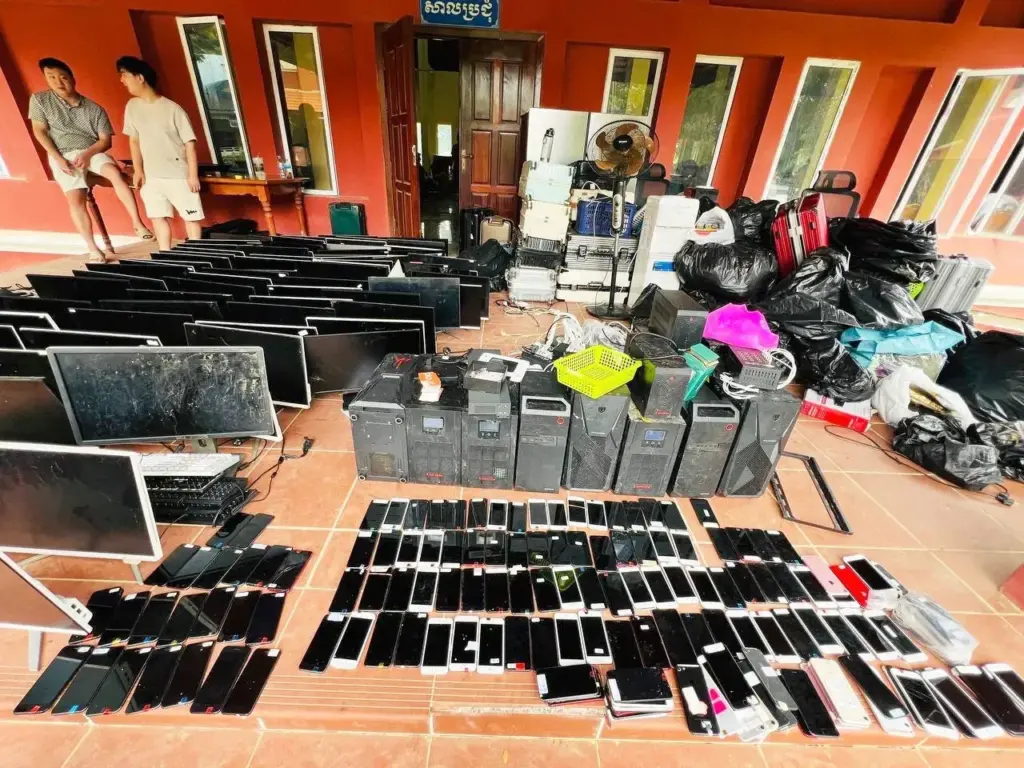
Cambodian online scams have gained notoriety in recent years, drawing international attention to the practices that exploit vulnerable individuals under the guise of legitimate employment opportunities. Prominent figures like Kuong Li, featured in a BBC investigation, highlight the organized crime tactics that underpin these schemes. Allegations against him include illegal recruitment, aggravated fraud, and money laundering, all emblematic of a broader network operating within Southeast Asia. As digital fraud awareness increases, more individuals are becoming cognizant of the signs of such scams, which often involve false promises of high-paying jobs and end up ensnaring victims in dire circumstances.
The problem of online scams in Cambodia is deeply intertwined with human trafficking, where victims are often lured with the dream of well-paid employment only to find themselves trapped in exploitative conditions. The United Nations has estimated that hundreds of thousands of individuals have been trafficked to Southeast Asia, many ending up in Cambodia’s notorious scam compounds. These revelations underscore the critical need for intensifying efforts in scam investigation in Cambodia, as authorities increasingly recognize their responsibility to combat organized crime and protect the vulnerable from such predations.
The Impact of Kuong Li’s Arrest
The recent arrest of Kuong Li marks a pivotal moment in Cambodia’s ongoing battle against organized online crime. His involvement in the 2023 BBC Eye investigation into online scams not only tarnishes his reputation but also sheds light on the systemic issues of human trafficking and digital fraud in the region. Cambodian authorities have begun to tackle the deep-rooted networks associated with such crimes, aiming to dismantle the operations that facilitate these malicious schemes. The impact of Li’s arrest could resonate widely, serving as a warning to others involved in similar illegal activities.
As investigations continue, the implications of Kuong Li’s case extend beyond his individual actions. They highlight the broader challenge of addressing organized crime tactics prevalent in the region, which often leverage technology to exploit unsuspecting victims. With the Cambodian government facing increasing international pressure to take decisive action against online scams, the results of such high-profile arrests could shape long-term policies towards better digital fraud awareness and enhanced protections for potential victims of trafficking in Southeast Asia.
Human Trafficking and Online Scams in Southeast Asia
The nexus between human trafficking and online scams is a pressing issue in Southeast Asia, most notably in countries like Cambodia. Victims, often lured with promises of lucrative jobs, arrive only to confront grim realities within overcrowded and guarded scam compounds. The accounts provided by individuals like ‘Didi’ paint a chilling picture of forced labor and abuse, reinforcing the urgent need for initiatives that tackle both human trafficking and the organized crime networks that support it. As such, international collaborations are vital in combating these transnational crimes.
Governments across Southeast Asia have begun to implement crackdowns on the operations that enable human trafficking for the purposes of online scams. Enhanced law enforcement measures, coupled with increased digital fraud awareness campaigns, are crucial in disrupting these criminal networks. Additionally, investigations have revealed that many of these centers are interconnected, with financial flows supporting illicit operations across borders. Combating this complex challenge requires a multifaceted approach, combining legislative action with support for victims and the dismantling of broader organized crime tactics.
Legal and Regulatory Changes in Cambodia
The legal landscape in Cambodia is gradually adapting to counter the rise of online scams and associated crimes. Following the exposure of high-profile cases such as that of Kuong Li, the Cambodian authorities are taking steps to strengthen their legal frameworks to combat organized crime more effectively. Measures include increased investigations and a renewed emphasis on addressing issues of human trafficking and digital fraud awareness. Recent court cases reflect a growing willingness to hold individuals accountable for exploitative practices, which may set a precedent for future legal actions.
Effective regulations and robust enforcement mechanisms are essential to improve the legal standing against scam operations in Cambodia. As government agencies implement tighter controls on recruitment practices and add penalties for violators, there is hope that such actions will deter the exploitation of vulnerable populations. The response from the Cambodian government, particularly in the wake of international scrutiny and embarrassment, suggests that legal reforms will be integral in fostering a safer environment, ultimately aimed at eliminating online scams and human trafficking.
International Cooperation Against Online Scams
Combatting online scams requires a concerted effort on an international scale since these activities often span multiple jurisdictions. Collaborative initiatives among neighboring countries in Southeast Asia are vital to dismantling organized crime networks involved in trafficking and fraud. Coordination between authorities, such as sharing intelligence and best practices, empowers nations to address the transnational nature of these crimes. Recent developments indicate that Cambodia is increasingly willing to engage with international bodies to bolster its defenses against online fraud.
Through global partnerships, countries can enhance their investigative capacities and implement programs aimed at raising digital fraud awareness among potential victims. These collaborations could also facilitate the extradition of individuals like Chen Zhi, accused of masterminding extensive online scams. By working together, governments can create a united front against the criminals who prey on the unsuspecting, significantly reducing the prevalence of scams and trafficking across the region.
Effects of Online Scams on Victims
The effects of online scams extend far beyond financial loss; they leave deep psychological and emotional scars on victims. Many individuals, like those mentioned in the BBC Eye investigation, suffer severe trauma from their experiences in scam compounds. Beyond the immediate exploitation, these victims often face long-term challenges in reintegrating into society and regaining their sense of dignity. The impact of such experiences calls for a comprehensive approach to victim support, emphasizing mental health resources and rehabilitation.
Furthermore, raising public awareness about the implications of online scams can prevent future victimization. By educating potential targets about red flags and safe practices, communities can build resilience against nefarious operations. Organizations and governments should collaborate to enhance outreach and provide resources to empower individuals, particularly in vulnerable populations that are at higher risk of falling prey to human trafficking and related online scams.
The Role of Media in Exposing Scams
Media outlets play a crucial role in raising awareness about online scams and the broader implications of organized crime. Investigations like the one conducted by the BBC have brought to light the severity of the issue and the conditions faced by trafficking victims. These journalistic efforts not only inform the public but also put pressure on authorities to act decisively in cracking down on unlawful operations. As media scrutiny increases, so does accountability for those involved in perpetuating online fraud and exploitation.
The dissemination of information through media reports fosters a culture of transparency and vigilance among the populace. When individuals are informed about the tactics employed by scammers, they are better equipped to spot fraudulent schemes. Social media platforms also offer a venue for sharing experiences and warnings about online scams, further galvanizing community resistance against such fraudulent activities. The media’s involvement is thus pivotal in the fight against online scams and human trafficking, highlighting the need for constant vigilance and proactive measures from all societal sectors.
Future Challenges in Combating Online Fraud
As Cambodia and other Southeast Asian nations intensify their battle against online scams, challenges persist. Evolving technology presents new avenues for scammers to exploit victims, making it imperative for law enforcement agencies to stay ahead of trends in digital fraud. The expansion of cryptocurrencies and online financial transactions also complicates tracking and prosecuting fraudulent activities. Thus, continuous adaptation of strategies and policies will be vital in combating these sophisticated crimes.
Moreover, resources for law enforcement and victim support services must keep pace with the growing scope of online fraud. Many organizations work tirelessly to rescue victims and provide assistance, but limited funding and personnel can hinder these efforts. Investing in training for local police forces and support staff is crucial to maximizing the impact of anti-fraud initiatives. By overcoming these challenges, Cambodia can work towards dismantling the infrastructure that supports online scams while safeguarding the rights of those at risk.
Community Engagement in Scam Prevention
Community engagement is essential in combatting online scams and supporting victims. Initiatives aimed at fostering resilience and raising awareness can empower local populations to protect themselves and each other from fraud. Community forums, workshops, and educational campaigns can equip individuals with the knowledge needed to identify red flags and avoid falling prey to traffickers and scammers.
Furthermore, local communities can play a vital role in providing support to victims returning from exploitation. Running safe houses and rehabilitation programs tailored to the needs of trafficking survivors can help facilitate their reintegration into society. By strengthening social networks and promoting solidarity, communities can contribute significantly to the fight against online scams and the comprehensive support required for victims’ recovery and reintegration.
Frequently Asked Questions
What are the details surrounding Kuong Li’s arrest related to Cambodian online scams?
Kuong Li, a prominent businessman in Cambodia, was arrested in January 2023 after a BBC Eye investigation linked him to organized online scams and human trafficking operations in Southeast Asia. Li faces multiple charges, including aggravated fraud and illegal recruitment for exploitation, due to his ownership of the Huang Le compound, where many trafficking victims were forced to work in scam operations.
How is the Cambodian government addressing online scams and human trafficking?
The Cambodian government has initiated a crackdown on online scams and related human trafficking as part of its commitment to combat organized crime. Following Kuong Li’s arrest and international pressure, authorities have reported managing multiple cases related to online fraud and are working toward strengthening digital fraud awareness among citizens.
What role do scam compounds in Cambodia play in organized crime tactics?
Scam compounds in Cambodia are often used as centers for organized crime tactics, specifically for executing online scams. Victims, often trafficked under false job promises, are forced to work under harsh conditions, targeting individuals globally to defraud them, illustrating the connection between Cambodian online scams and transnational crime networks.
How can individuals recognize and protect against digital fraud related to Cambodian online scams?
To protect against digital fraud related to Cambodian online scams, individuals should stay informed through educational resources on digital fraud awareness. This includes recognizing warning signs of scams, such as unsolicited job offers or requests for personal information. Additionally, reporting suspicious activities to local authorities can help disrupt scam operations.
What impact did the BBC Eye investigation have on perceptions of Cambodian online scams?
The BBC Eye investigation raised significant awareness about Cambodian online scams and human trafficking in Southeast Asia, particularly highlighting the experiences of victims and the involvement of prominent figures like Kuong Li. This increased scrutiny has pressured Cambodian authorities to take action against organized crime and improve their anti-trafficking efforts.
What are the legal consequences faced by those involved in Cambodian online scams?
Individuals involved in Cambodian online scams, such as Kuong Li, face severe legal consequences, including charges of fraud, human trafficking, and organized crime. Cambodian courts have seen an uptick in convictions related to these crimes, reflecting a growing determination to address and dismantle fraudulent operations.
What is the role of international pressure in combatting Cambodian online scams?
International pressure has played a crucial role in combatting Cambodian online scams. Global scrutiny of human trafficking and digital fraud has prompted Cambodian authorities to take more decisive actions against scam operations and hold accountable those involved in organized crime tactics, like Kuong Li, which is essential in curbing these illicit activities.
What are the broader implications of Cambodian online scams on regional crime?
Cambodian online scams have broader implications for regional crime, as they are often linked to transnational criminal networks that facilitate human trafficking and other illicit activities across Southeast Asia. This interconnectedness necessitates collaborative efforts among governments in the region to combat the rise of online scams and protect vulnerable populations.
| Key Point | Details |
|---|---|
| Arrest of Kuong Li | Prominent businessman arrested for online scam operations linked to human trafficking and fraud. |
| BBC Investigation | Exposed scam operations in ‘Pig Butchering Romance Scam’ documentary, focusing on Kuong Li’s Huang Le compound in Sihanoukville. |
| Victim Testimonies | Chinese victim ‘Didi’ detailed his forced labor experience; another victim Mi Lijun died from organ failure after being abandoned. |
| Government Response | Cambodian authorities initially dismissed fraud allegations but have since acknowledged ongoing investigations into organized scams. |
| International Pressure | Cambodia faces mounting pressure to crack down on online scams and human trafficking stemming from foreign nations. |
| Regional Crackdowns | Countries like Thailand and Myanmar are actively pursuing organized scam networks and related financial crimes. |
Summary
Cambodian online scams have come under intense scrutiny as authorities detain high-profile figures like Kuong Li, featured in a BBC investigation involving human trafficking and fraudulent activities. This situation highlights the urgent need for continued governmental action and international cooperation to combat organized online fraud and protect vulnerable individuals from exploitation.

