
Listen to this article
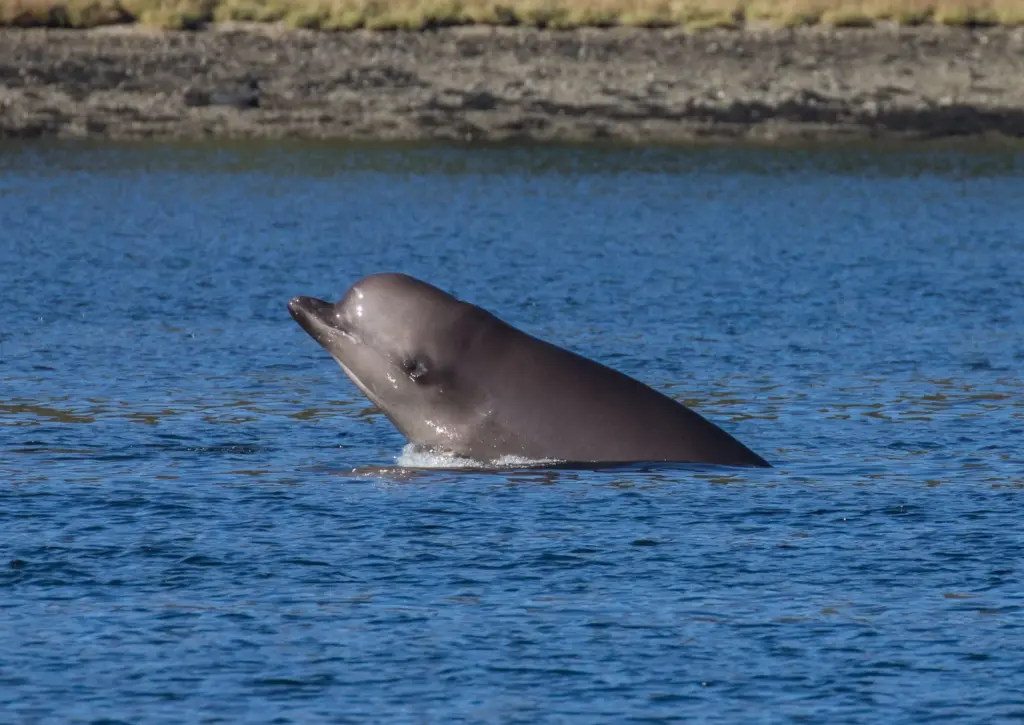
The Northern Bottlenose Whale is an extraordinary deep-diving mammal known for its remarkable ability to explore the depths of the ocean. Regarded as one of the ocean’s most elusive species, this whale is capable of plunging to staggering depths of over 2,300 meters, making it a truly fascinating creature to observe. The 2006 Thames whale stranding of a Northern Bottlenose named Willy captured global attention, highlighting the intersection of marine life in London with its historical significance. Despite typically inhabiting the North Atlantic, Willy’s tragic journey up the River Thames has sparked an increased interest in whale sightings in the UK and the well-being of aquatic species. As marine enthusiasts continue to monitor these incredible animals, the awareness of such events sheds light on the ongoing challenges that marine life faces in urban areas.
The stunning Northern Bottlenose Whale is often recognized for its impressive diving capabilities and enigmatic nature. In recent years, instances of whale sightings UK, especially near urban settings like the River Thames, have become a topic of both awe and concern. The unfortunate stranding of marine mammals like Willy, which was part of the Northern Bottlenose history, serves as a stark reminder of the increasing encounters between wildlife and city life. As marine creatures navigate through the Thames, their stories highlight the broader implications of marine conservation, drawing attention to the delicate balance of river ecosystems and the abundant marine life in London. Such events not only fascinate the public but also urge conservationists to advocate for healthier waterways where these majestic animals can thrive.
The Tragic Tale of Willy, the Northern Bottlenose Whale
On January 20, 2006, the world was captivated by the struggle of Willy, a young Northern Bottlenose Whale, as she swam up the River Thames, a historic sight that led to both excitement and despair. These remarkable mammals, known for their incredible diving abilities, are typically found in the depths of the North Atlantic, showcasing the unusual circumstances that brought Willy into the heart of London. Tragically, her journey ended in heartbreak, as she became stranded and ultimately died during a rescue attempt, highlighting the dangers faced by marine life in urban environments.
Willy was not merely a casualty; her story sparked awareness and concern regarding the safety of marine creatures that wander into the River Thames. With the increasing instances of whale sightings in the UK, especially in urban areas, it’s crucial to focus on conservation efforts and the education of the public about the potential hazards these creatures face. Willy’s legacy continues to resonate, reminding us of the fragility of marine ecosystems and the need for sustainable solutions to protect vulnerable species living along our coastlines.
The History of Whale Sightings and Strandings in the Thames
The River Thames has been the stage for a variety of whale sightings over the years, with some encounters proving to be tragically fatal. Instances like the 2009 discovery of a young Humpback Whale and the heartbreaking stranding of a baby minke whale in 2021 demonstrate the pressing issue of marine life distress in the river. Each incident sheds light on the underlying challenges faced by cetaceans navigating urban environments, where pollution, vessel traffic, and habitat degradation create considerable pressure on their well-being.
Despite these alarming statistics, whale sightings in the Thames have sparked a renewed interest in marine life conservation. Organizations like the British Divers Marine Life Rescue (BDMLR) are at the forefront of rescuing stranded marine animals, such as the lonely dolphin named Jo Jo who was spotted in 2024. These encounters serve as a poignant reminder of both the beauty and challenges of marine life in London, prompting discussions on how we can better protect these magnificent creatures from the dangers that await in the river.
The Impact of Environmental Changes on Marine Life in London
As urbanization continues to expand, the challenges faced by marine life, including whales and dolphins, are exacerbated by environmental changes. Factors such as rising water pollution levels in the Thames and increased maritime traffic contribute to the distress and stranding of marine species. For instance, the presence of sonar signals from naval operations may disorient these creatures, leading them to stray into hazardous waters. Understanding these environmental impacts is crucial for finding effective solutions to protect our marine environments.
In light of these challenges, conservationists and researchers are constantly studying the effects of pollution and urbanization on marine habitats along the Thames. Efforts aimed at rehabilitating the ecosystem, coupled with stricter regulations on waste disposal and vessel emissions, are essential in promoting a healthier habitat for aquatic wildlife. By prioritizing these initiatives, we can help ensure that future generations can continue to witness the splendor of marine life in London, inspiring a deeper connection between the population and their environment.
Recent Dolphin Sightings in the River Thames
Dolphins have increasingly been spotted in the River Thames, showcasing a surprising resurgence of marine life in these historically polluted waters. In 2024, Jo Jo, a common dolphin, captured the hearts of Londoners as she roamed the Thames, marking a remarkable uptick in dolphin sightings within the city. While the aesthetic beauty of these creatures is undeniable, their presence also raises questions about the ecological health of the river and the factors drawing them into such an urbanized environment.
While dolphin sightings like Jo Jo’s highlight the potential for recovery of the Thames’ ecosystem, they also serve as indicators of the challenges these creatures continuously face. The unfortunate news of deceased dolphins shortly after sightings emphasizes the fragility of marine life in urban rivers. Conservationists continue to advocate for increased awareness and better safety measures for these animals, aiming to foster a supportive environment where dolphins can thrive in their natural habitat.
Lessons from Historic Whale Stranding Incidents
The history of whale strandings in the Thames, most notably the tragic story of Willy the Northern Bottlenose Whale, teaches us important lessons regarding the well-being of marine species. Each incident, whether it be a baby minke whale requiring rescue or Hessy the juvenile humpback that succumbed to injuries, contributes to our understanding of cetacean health and navigation. Studying these occurrences allows marine biologists to investigate the root causes and develop better strategies for prevention.
Furthermore, these incidents call for a collective responsibility to protect marine habitats and the animals that inhabit them. Public education campaigns can play a vital role in raising awareness about how individual actions can impact marine ecosystems, such as reducing pollution runoff and respecting marine protected areas. By engaging local communities in conservation efforts, we can work toward creating an environment where whales and dolphins can navigate freely and safely through their territories.
Conservation Efforts for Aquatic Life in Urban Areas
As urban areas expand, the need for effective conservation efforts for aquatic life grows increasingly urgent. The Thames is not only vital for London but also a crucial habitat for various marine species, making it essential to prioritize actions that safeguard these ecosystems. Numerous organizations are dedicated to monitoring the health of the river, implementing programs that enhance the survival of marine mammals while concurrently promoting public engagement in conservation.
Raising local awareness regarding the significance of marine conservation is paramount to achieving lasting results. Initiatives such as clean-up campaigns, citizen monitoring programs, and educational workshops can empower residents to take an active role in protecting their environment. By fostering a culture of environmental stewardship, communities can work together to safeguard the health of the Thames, ensuring it continues to be a home for the spectacular marine life it has to offer.
The Role of Education and Public Awareness
Public education is a critical component in protecting marine life along the River Thames. Awareness campaigns can inform locals about the importance of preserving marine ecosystems and encourage responsible behavior, such as reducing pollution and supporting local conservation initiatives. Engaging the community through workshops, school programs, and events can significantly enhance understanding of the challenges faced by marine species.
Furthermore, educational programs can utilize the stories of notable whale sightings and strandings, such as Willy’s tragic fate, to highlight the consequences of human action on marine environments. By sharing these narratives, individuals can realize the vital importance of maintaining a healthy river ecosystem, motivate changes in behavior, and inspire others to take part in advocacy efforts to protect marine life in London.
Future of Marine Life Conservation in London
The future of marine life conservation in London depends significantly on continued public awareness and support for environmental initiatives. With increasing visibility of marine creatures in the Thames, there lies an opportunity for collective efforts to ensure the safety and well-being of these animals. By investing in research, rehabilitation, and protection of habitats, we can create a more conducive environment for marine life to flourish.
Moreover, collaboration among local authorities, conservation organizations, and the public is essential in shaping policies that prioritize marine health. Creating protected areas, improving water quality, and minimizing disturbances from human activities are some strategies that could greatly enhance the life and survival of marine species in the city’s waterways. Together, we can build a brighter future for the marine inhabitants of the Thames, allowing them to thrive and enrich the urban riverscape.
Frequently Asked Questions
What is the story behind Willy the Northern Bottlenose Whale in the River Thames?
Willy was a Northern Bottlenose Whale that became stranded in the River Thames on January 20, 2006. Known for its deep-diving abilities, Willy swam into central London but tragically died during a rescue operation the following day. Despite efforts to save her, Willy succumbed to dehydration and other injuries. Her skeleton is now displayed at the Natural History Museum.
How often do Northern Bottlenose Whales get spotted in the UK?
Northern Bottlenose Whales are rare in UK waters and predominantly inhabit the North Atlantic. However, sightings in the River Thames are infrequent, with Willy being one of the few recorded incidents. Other marine life in London includes various species of dolphins, but deep-sea whales like Willy are uncommon.
What marine life can be found in the River Thames aside from the Northern Bottlenose Whale?
The River Thames has seen numerous marine species, including dolphins and other whales. Notable examples include Jo Jo the dolphin in 2024 and Benny the Beluga in 2018. While these sightings captivate the public, many encounters with marine life in the Thames regrettably end in tragedy.
Why do Cetaceans like the Northern Bottlenose Whale become stranded in the Thames?
Cetaceans, such as the Northern Bottlenose Whale, may become stranded in the Thames due to various factors, including environmental changes and health issues. Their navigation systems can be disrupted by magnetic field shifts, leading them into perilous waters like the Thames.
What are the survival chances for Northern Bottlenose Whales found in the Thames?
Survival rates for Northern Bottlenose Whales in the River Thames are low, primarily due to stress and health conditions stemming from the urban environment. Historical stranding incidents, including Willy’s, highlight the challenges these animals face away from their natural habitats.
Why was Willy the Northern Bottlenose Whale significant to marine life studies in London?
Willy’s stranding was significant as it drew attention to the health of marine life in London and highlighted the challenges faced by deep-sea creatures venturing into urban environments. Her story raised awareness about the impact of pollution and habitat disruption on marine species, emphasizing the need for conservation.
What measures are in place to rescue stranded Northern Bottlenose Whales in the UK?
The British Divers Marine Life Rescue (BDMLR) is actively involved in rescuing stranded Northern Bottlenose Whales and other marine life in the UK. They utilize trained volunteers and specialists to assess the animal’s condition and attempt to refloat or rehabilitate them when possible.
Can Northern Bottlenose Whales be rehabilitated after stranding incidents in the River Thames?
The rehabilitation of stranded Northern Bottlenose Whales can be challenging due to the stress and injuries sustained during stranding. While some cases may allow for successful refloating, many incidents, like Willy’s, have resulted in tragic outcomes due to health complications.
What can the public do to help protect Northern Bottlenose Whales and other marine life in UK waters?
The public can help protect Northern Bottlenose Whales and marine life by supporting conservation efforts, advocating for cleaner waterways, and reporting any stranded marine animals to local rescue organizations. Awareness and education about marine habitats are also critical for their preservation.
| Year | Name | Details | Outcome |
|---|---|---|---|
| 2006 | Willy the Northern Bottlenose Whale | Stranded in the River Thames while navigating. | Died during rescue operation due to dehydration and injuries. |
| 2009 | Humpback Whale | First documented Humpback Whale in Thames, found deceased near Dartford Bridge. | Died from starvation. |
| 2018 | Benny the Beluga | Spotted feeding in the Thames for three months. | Assumed to have returned to open waters. |
| 2019 | Hessy the Humpback Whale | Stranded and found dead shortly after being spotted. | Died due to vessel collision injuries. |
| 2021 | Baby Minke Whale | Stranded and exhibited signs of distress. | Euthanized to prevent further suffering. |
| 2024 | Jo Jo the Dolphin | Spotted navigating West London section of the Thames; National coordinator stated it was unusual for dolphins to enter London. | Died shortly after being spotted. |
Summary
The Northern Bottlenose Whale’s poignant story reminds us of the fragility of marine life, particularly as it faced tragic consequences during its journey through the River Thames. On January 20, we reflect on Willy’s legacy and the lessons learned about the numerous challenges that cetaceans navigate in our changing marine environments. Understanding why such creatures end up stranded, often due to environmental changes or health issues, underscores the need for greater awareness and conservation efforts to protect these magnificent beings.