Listen to this article
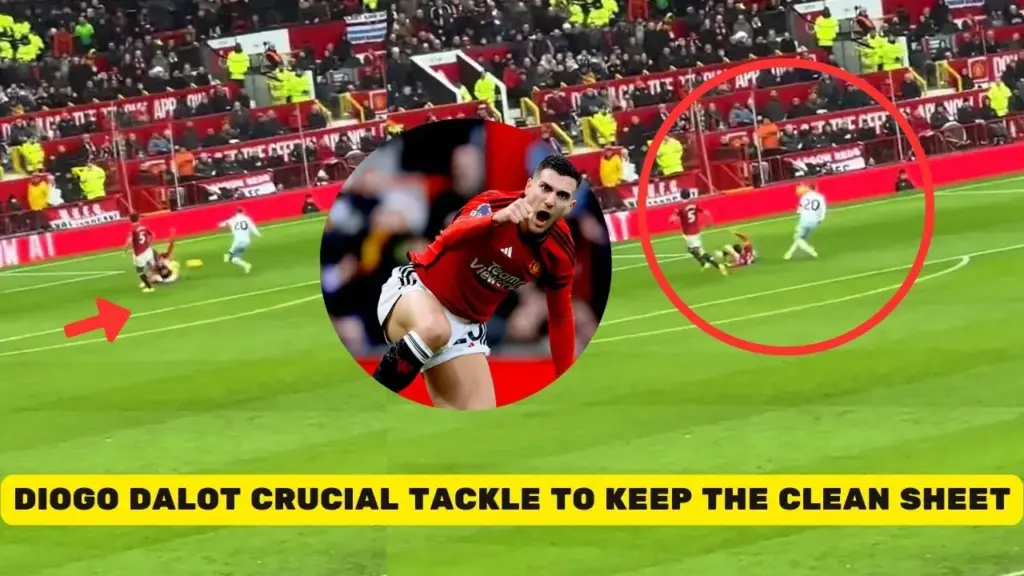
The recent Manchester derby was not just a clash of footballing titans but also sparked significant discussions surrounding the Diogo Dalot tackle on Jeremy Doku. Opinions have varied, particularly with regards to VAR’s decision-making process and whether the yellow card shown to Dalot should have been escalated to a red. Howard Webb’s comments have stirred the pot further, offering insights into the controversial incident that many deem a key moment in the match. This ongoing analysis of referee decisions highlights the yellow card controversy that can dramatically influence the outcome of crucial games. As fans and analysts dissect this incident, the spotlight remains firmly fixed on how VAR impacts the dynamics of top-tier football.
In the wake of the Manchester derby, discussions have emerged surrounding the controversial tackle made by Diogo Dalot, leading to various interpretations of referee Anthony Taylor’s decisions. The tackle, which initially resulted in a yellow card, was later subjected to VAR scrutiny, igniting debates on its appropriateness and the standards of officiating in the Premier League. Many experts, including former referee Howard Webb, have voiced their opinions, adding layers to the ongoing analysis of referee actions during critical game moments. As the football community reflects on this incident, it raises broader questions about the efficacy of VAR and the subjective nature of foul assessments in high-pressure environments. This scenario exemplifies how pivotal referee choices can shape match trajectories and fan sentiments.
Diogo Dalot’s Tackle: A Controversial Judgment
The challenging nature of Diogo Dalot’s tackle on Jeremy Doku during the recent Manchester derby has incited heated discussions among fans and analysts alike. Dalot received a yellow card early in the match, prompting a VAR review to ascertain its appropriateness. Howard Webb, the former Premier League referee, provided insights into the incident, emphasizing that while some might argue the tackle was excessive, he felt the referee’s call was justifiable. The balance of force and intent during such tackles often dictates the outcome, making decisions subjective and open to interpretation.
Webb’s comments extend beyond just his personal opinions; they reflect broader debates over referee decisions in high-stakes matches. In this instance, VAR’s involvement, while intended to correct potential errors, ultimately upheld the initial judgment. The lack of a red card for Dalot might have seemed controversial at a glance, yet Webb insisted on maintaining respect for the referee’s on-field decision. This incident, showcasing the delicate nature of referee decisions, has fueled the ongoing conversation about how VAR should operate in tandem with live officiating.
The VAR Decision at the Manchester Derby: Analysis and Implications
VAR’s performance during the Manchester derby has come under scrutiny, particularly regarding its evaluation of Diogo Dalot’s challenge. With the game’s flow momentarily halted for a review, the expectation was that VAR would rectify any glaring errors. However, the decision to stick with the yellow card has raised questions about the effectiveness of VAR in enhancing fairness in officiating. Howard Webb emphasized that VAR should primarily act to correct obvious mistakes, thereby reaffirming the integrity of the referee’s decisions, even amidst controversies.
The implications of this VAR decision are significant for how future matches might be officiated, especially in high-pressure environments like derbies. Critics argue that the system must be more robust in its assessments to avoid public dissatisfaction over contentious calls. However, Webb’s insistence on deference to the referee’s initial judgment highlights a pivotal point: the importance of consistency in officiating standards. As teams and fans grapple with these referee decisions, the future of VAR remains a hot topic, particularly as it relates to enhancing the game experience without undermining the role of human referees.
Howard Webb’s Insights on Referee Decisions: A Deeper Look into the Game’s Integrity and Fairness
As the chief of PGMOL, Howard Webb’s insights on referee decisions, particularly regarding Diogo Dalot’s tackle, are invaluable for understanding the mechanics of officiating in elite football. His observations shed light on the complexities referees face when determining the appropriateness of actions during matches. Webb’s statement that the referee’s decision should be respected emphasizes the reverence for the human element within officiating — a crucial aspect that often gets lost amid the fervor for technological intervention.
Moreover, Webb’s commitment to the integrity of on-field decisions underscores a critical conversation among stakeholders in football. Many feel that the introduction of VAR should not compromise the authority of referees but rather complement traditional practices. By valuing the subjective judgments referees make in real time, Webb advocates for a football environment where both technology and human judgment coexist harmoniously, leading to robust discussions about fairness in the game.”}]}},{
Frequently Asked Questions
What did Howard Webb say about the Diogo Dalot tackle during the Manchester derby?
Howard Webb, the chief of PGMOL, commented on Diogo Dalot’s tackle during the Manchester derby, stating he believes the decision to issue a yellow card instead of a red card was correct. Webb explained that while some may argue excessive force was used, he respected the referee’s on-field decision.
Why was the VAR decision regarding Diogo Dalot’s tackle controversial?
The VAR decision surrounding Diogo Dalot’s tackle was controversial because many believed Dalot’s challenge on Jeremy Doku warranted a red card. However, after review, the VAR opted to uphold the referee’s initial yellow card, which led to discussions about the effectiveness of VAR in such critical situations.
What was the impact of Dalot’s yellow card on the Manchester derby match outcome?
Dalot’s yellow card did not impact the outcome of the Manchester derby, as Manchester United went on to win 2-0. His performance remained solid throughout the match, contributing to United’s win despite the earlier controversy surrounding his tackle.
How did the referee Anthony Taylor handle the Diogo Dalot tackle during the match?
Referee Anthony Taylor initially issued a yellow card to Diogo Dalot for the tackle on Doku. He paused the game to allow VAR to review the decision. After the VAR check, the yellow card was upheld, and no further action was taken against Dalot, allowing him to continue playing.
What are the implications of Howard Webb’s comments on referee decisions regarding tackles like Dalot’s?
Howard Webb’s comments suggest that referee decisions should be respected, especially in cases where judgment is subjective. His stance indicates that not all tackles that appear dangerous or forceful should automatically lead to red cards, emphasizing the importance of the referee’s call in the game.
What does the analysis of the Diogo Dalot tackle reveal about VAR’s role in football?
The analysis of Diogo Dalot’s tackle highlights VAR’s role as a tool for review rather than replacement of the referee’s on-field decisions. Webb’s justification for upholding the yellow card reflects how VAR’s purpose is to assist in clear errors rather than alter subjective judgments made by referees during matches.
How did Manchester United perform in the match following the Diogo Dalot controversy?
After the controversy surrounding Diogo Dalot’s tackle, Manchester United performed well in the match, securing a 2-0 victory over Manchester City. The second half saw goals from Bryan Mbeumo and Patrick Dorgu, marking a positive result for United under their new interim head coach.
What can fans expect from future matches following the yellow card controversy involving Dalot?
Following the yellow card controversy involving Diogo Dalot, fans can expect a continued scrutiny of referee decisions and VAR implementation in future matches. Discussions around the balance of subjective judgment versus technology’s intervention are likely to remain a hot topic as the season progresses.
| Key Points | Details |
|---|---|
| Diogo Dalot’s yellow card tackle | Dalot received a yellow card in the 11th minute for a challenge on Jeremy Doku. |
| VAR review | VAR decided to uphold the referee’s decision of a yellow card after reviewing the tackle. |
| Webb’s opinion | Howard Webb stated that he believes the decision not to issue a red card was correct. |
| Impact of the tackle | Dalot played the entire match, contributing to Manchester United’s 2-0 victory. |
| Next matches | United will face Arsenal next, while City will host Wolves. |
Summary
Diogo Dalot’s tackle sparked discussions about its severity and the subsequent VAR decision not to issue a red card. Despite some debate over whether excessive force was used, Howard Webb defended the referee’s initial call, emphasizing the importance of upholding on-field decisions. As Manchester United triumphed over Manchester City, this incident remained a focal point of the match’s analysis.