
Listen to this article
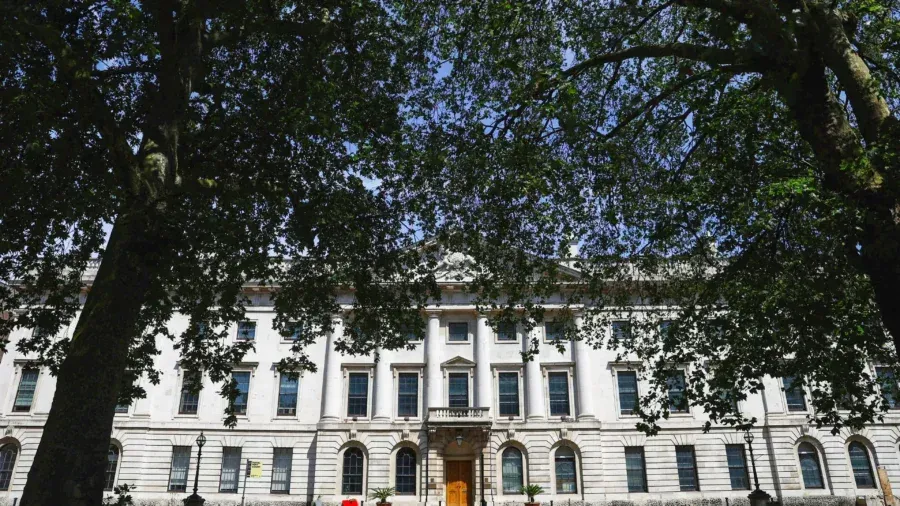
The Chinese Embassy London is at the center of a heated debate among local residents as plans for a new mega embassy unfold. Situated near the historic Royal Mint site, the proposed development has raised significant concerns about safety, security, and privacy for those living nearby. As protests erupt across the city, community members fear the potential consequences of such a massive presence from the People’s Republic of China in the heart of London. With the government expected to approve the project soon, local residents are voicing their worries about the implications of the embassy on their daily lives, particularly regarding potential disruptions from protests and security measures. These local residents’ concerns spotlight the pressing issues surrounding the China embassy UK news, as they grapple with the possibility of displacement and loss of their homes.
The upcoming construction of the new diplomatic facility, referred to as the “Chinese diplomatic headquarters in London,” ignites discussions about local implications and community anxiety. This development represents not just an architectural endeavor but a focal point for local objections and fears regarding diplomatic representation in a historic context. The nearby neighborhoods are voicing apprehensions not only about potential embassy protests in London but also about their own residential security and the ongoing urban transformation. Residents highlight the clash between national interests and local realities as they seek assurance that their concerns will be heard amid discussions of governmental approval and international diplomacy. Consequently, this issue has prompted broader conversations about urban development, diplomatic presence, and community rights.
Chinese Embassy Impact on Local Residents
The proposed development of the Chinese embassy near Royal Mint Court has raised significant concerns among local residents. Many fear for their safety and privacy as the new embassy, which would be the largest in Europe, may bring increased surveillance and security measures that could directly impact their daily lives. Residents like Mark Nygate voicing their worries about potential displacement highlights the stark reality they face—being uprooted from their homes without adequate compensation. These concerns resonate deeply within the community, igniting fears of losing not only their homes but also their sense of security.
Additionally, the local residents express apprehension over the potential for heightened protests and public demonstrations that often surround embassies. As Mark points out, living adjacent to such a powerful entity could place them ‘on the front line’ of protests, raising the question of how these developments could disrupt their community. The Royal Mint Court’s proximity to historic landmarks like the Tower of London further complicates matters, as the influx of embassy staff and the proposed infrastructure changes might alter the neighborhood’s character. The overarching fear is that this development signals a shift in the balance between local residents’ rights and international relations.
Protests Against the Chinese Embassy Plans
Protests have erupted in London as citizens express their discontent over the Chinese embassy’s plans to establish a new headquarters near the Royal Mint. Those voicing their opposition include local residents, activists, and Hong Kong dissidents who believe that the embassy will exacerbate state surveillance and oppression within the UK. Organizers like Chung Ching Kwong, a pro-democracy advocate, have highlighted the risk that a larger embassy poses for individuals fleeing political persecution. The demonstrations represent a coalition of voices unified against what they perceive as a significant threat to their safety and freedom.
A broad array of concerns have emerged among protestors, ranging from local residents fearing displacement to activists worried about increased oppression from the Chinese government. The protests serve as a platform for these individuals to rally together and challenge the approval process for the embassy’s construction. Observers note that the heightened visibility of such demonstrations reflects local anxieties about escalating tensions between countries and the implications these have for everyday citizens. The continued outcry suggests that this issue will not simply fade away and requires governmental attention to address the valid concerns of those affected.
Political Response to the Embassy Development
As the UK government approaches a decision regarding China’s embassy proposal, political responses have begun to surface, creating tension between development interests and community concerns. Local Conservative councillor Peter Golds has voiced his intention to push for a judicial review should the government greenlight the embassy plans. His concerns span beyond immediate safety issues, touching upon the implications of placing such a significant international presence in an area known for its historical importance. This blend of heritage and security concerns underscores the complexity of the situation that lawmakers must grapple with.
The political landscape surrounding the approval process has sparked discussions on national security and diplomatic relations. Advocates argue that consolidating the Chinese embassy operations could potentially enhance security benefits, essentially claiming it would streamline Chinese operations within the UK. However, this viewpoint is met with skepticism by those worried about the implications for local safety and security. Analysts suggest that any approval could ignite additional discussions about the balance between maintaining security and protecting community rights, a narrative that reflects broader global concerns regarding diplomatic presence and local living conditions.
The Question of Approval: A Tug of War
The anticipation surrounding the UK government’s anticipated decision on the Chinese embassy has created a tug-of-war between development goals and community advocacy. While some government officials tout the benefits of consolidating Chinese diplomatic presence in the capital, residents like Mark Nygate express their fear of being caught in the crossfire of international tensions. This dilemma complicates the narrative surrounding the Chinese embassy, leading many to question the government’s commitment to safeguarding the rights of its citizens over foreign investment.
Furthermore, as neighborhood groups mobilize to assert their stance against the embassy’s approval, there is a visible tension simmering between local interests and institutional determination to follow through with government decisions. Should the approval go ahead, it may precede an escalation in local activism, prompting calls for more substantial community engagement in future embassy negotiations. The potential ramifications underline the necessity for the government to consider not merely the development opportunities but also the enduring impact on London’s local populace.
Safety and Security Concerns for Residents
Safety remains at the forefront of concerns for residents living near the proposed site of the Chinese embassy. The fear that their homes could become targets due to proximity to an international facility has caused anxiety among the Royal Mint Court community. Residents worry not only about potential eviction but also about heightened surveillance measures intruding into their daily lives. The installation of security features, like bollards, already signifies the government’s acknowledgment of these concerns, yet residents feel such measures may not adequately protect them from potential unrest associated with embassy operations.
Moreover, the location’s historic significance amplifies the concerns regarding whether a contemporary embassy ultramodern facility aligns with the heritage of the area. Residents are apprehensive that the establishment of such a large embassy indicates a shift in their community dynamics, which may attract demonstrations and disturbances that can lead to safety hazards. Engaging with these local concerns is crucial for the government, as dismissing resident fears could lead to a backlash against the development and long-term impacts on community trust.
Local Activism against the Mega Embassy
Rising tensions around the proposed Chinese mega embassy have sparked a wave of grassroots activism in London. Local community members and various activist groups have banded together to express their dissatisfaction with the plans, organizing protests and legal actions in order to protect their homes and uphold their rights. This increasing activism reflects a broader narrative in which local voices are seeking to reclaim agency over their environment amid foreign diplomatic interests encroaching upon their neighborhood.
The coalition of activists opposing the embassy reflects a diverse range of concerns—from displacement anxiety to national security implications surrounding the presence of a large foreign embassy in close proximity. Their campaign draws attention to the importance of community involvement in decisions that directly affect their living conditions, emphasizing the need for governance that prioritizes local voices. In this climate, activism represents not just opposition to the embassy but a broader plea for accountability in political decisions impacting local populations.
Historical Significance of the Proposed Site
The proposed site for the new Chinese embassy holds considerable historical significance. Historically, the Royal Mint operated at this location, making it not just a place of residence but also a cultural heritage beacon in London. Residents are concerned that the development of a massive embassy could overshadow this rich history, potentially altering the landscape of one of London’s most iconic areas. The juxtaposition of a modern embassy against this backdrop raises questions about whether such changes are appropriate, given the historical implications that could accompany them.
Understanding the historical fabric of the neighborhood adds an important layer to the ongoing debate surrounding the embassy proposal. Local leaders and historians alike urge the government to consider how such a striking development might reshape not just the financial district’s surroundings, but also the narrative of London itself. As protests highlight, the clash between international presence and local heritage emerges prominently, pushing the discourse about urban development to include conversations on preserving community history amidst evolving diplomatic agendas.
Public Sentiment and Local Concerns
Public sentiment regarding the Chinese embassy has begun to crystallize as residents grapple with their concerns. With the potential development looming large, fears surrounding safety, privacy, and displacement resonate deeply within the community. As public discussions escalate, these voiced concerns echo in local media, highlighting the tangible tension felt by residents who believe their lives may be profoundly affected. The emotional weight of these discussions emphasizes the necessity of considering public sentiment as a key factor in government decision-making processes.
Additionally, apprehension regarding the new embassy extends to worries about the broader implications it may have on vital public issues like safety and security. Residents are not only concerned about their immediate well-being but also express fears about the social dynamics that could shift as a result of having a major international presence nearby. As protestors rally and voices amplify against the proposal, it signals a need for the government to acknowledge and engage with the concerns of its citizens in a meaningful manner.
Future of Embassies in Urban Settings
As cities like London evolve to accommodate the complexities of modern diplomacy, the future of embassies in urban settings is coming under scrutiny. The proposed Chinese embassy signifies this shift, stimulating a debate about how diplomatic needs can be balanced with local community rights. As evidenced by the outcry from residents surrounding the Royal Mint, urban growth must consider local impacts, prompting the need for a multifaceted approach towards the planning of embassies that harmonizes international relations with local dynamics.
The discussions generated by the embassy proposal challenge traditional notions of how diplomatic missions should function within city layouts. Now, more than ever, there is an emergent call for urban planners and political leaders to institute frameworks that prioritize community integration rather than isolation. This proposed mega embassy may become a case study on the importance of mindful diplomatic presence within cities, ultimately guiding future decisions regarding foreign embassies and their relationship with local populations.
Frequently Asked Questions
What are the latest updates regarding the Chinese Embassy London construction?
The Chinese Embassy London is currently seeking approval for a new, large-scale development at the Royal Mint site, which could become the biggest foreign embassy in Europe. Local residents have expressed concerns about safety and potential displacement.
How do local residents feel about the proposed China embassy development near Royal Mint?
Local residents are worried about their safety, security, and privacy with the construction of the new Chinese embassy in London. Many fear that their homes may be compromised and have raised concerns about increased surveillance and potential protests nearby.
What are the potential impacts of the Chinese mega embassy on London?
The development of the Chinese mega embassy in London may lead to increased security measures and potential road closures around the area, which could cause chaos during protests. Residents are additionally concerned about the impact on heritage sites like the Tower of London.
What security concerns are associated with the Chinese embassy approval in London?
Security concerns around the proposed Chinese embassy in London include the risk of protests, surveillance of local residents, and potential threats to Hong Kong dissidents residing nearby, as local activists believe the embassy could facilitate oppression and espionage.
Are there any ongoing protests against the new Chinese embassy in London?
Yes, there have been ongoing protests against the proposed construction of the Chinese embassy in London. Residents and local activists are demonstrating to voice their concerns over safety and the potential cultural impact of the embassy’s presence.
What legal actions are being considered regarding the Chinese embassy plans in the UK?
Local residents, backed by some council members, are considering legal challenges against the Chinese embassy plans in London, including initiating a judicial review to contest the suitability of the embassy location adjacent to residential areas.
What are the historical implications of relocating the Chinese embassy to the Royal Mint site?
The relocation of the Chinese embassy to the Royal Mint site has raised historical concerns due to its proximity to notable landmarks like the Tower of London. Critics argue that the visibility of a large Chinese embassy undermines the historical and cultural integrity of this iconic area.
How do local political figures view the Chinese embassy issue in London?
Local political figures, including Conservative councillor Peter Golds, have voiced strong opposition to the Chinese embassy development, citing heritage, safety, and disruption concerns as significant issues that could arise from its construction.
What are the main concerns of residents regarding the new China embassy in the UK?
Residents’ main concerns about the new Chinese embassy in London include fear of displacement, loss of privacy due to increased surveillance, potential risks associated with embassy protests, and general impacts on local community dynamics.
How has community sentiment shaped responses to the Chinese embassy approval?
Community sentiment has been largely negative regarding the Chinese embassy approval in London, with many residents actively participating in protests and voicing fears about living next to a mega embassy that could attract unwanted attention and security issues.
| Key Points |
|---|
| Residents express concerns about the potential construction of a new Chinese embassy next to their homes. |
| Mark Nygate, a resident, fears loss of his home and the implications for his safety and security. |
| The planned embassy will be the largest foreign embassy in Europe at 215,278 sq ft, raising concerns about its purpose and impact on the local area. |
| Residents fear that security measures for the embassy might make their flats targets. |
| Protests against the embassy’s construction emphasize fears of political oppression and surveillance, especially for Hong Kong dissidents. |
| Local politicians express opposition, citing potential chaos and heritage concerns due to the embassy’s location. |
Summary
The Chinese Embassy in London is poised for a critical decision that weighs heavily on local residents, raising issues of safety, security, and community integrity. As the potential construction of the new embassy unfolds, the residents of Royal Mint Court are left grappling with the impact it may have on their lives. Their voices, filled with the fear of losing homes and facing increased surveillance, resonate deeply in the ongoing discourse surrounding the Chinese embassy’s establishment. With strong opposition from locals and concerns over political repression, the ramifications of this development are far-reaching. The situation at the Chinese Embassy in London highlights the delicate balance between diplomatic interests and local community rights.