
Listen to this article
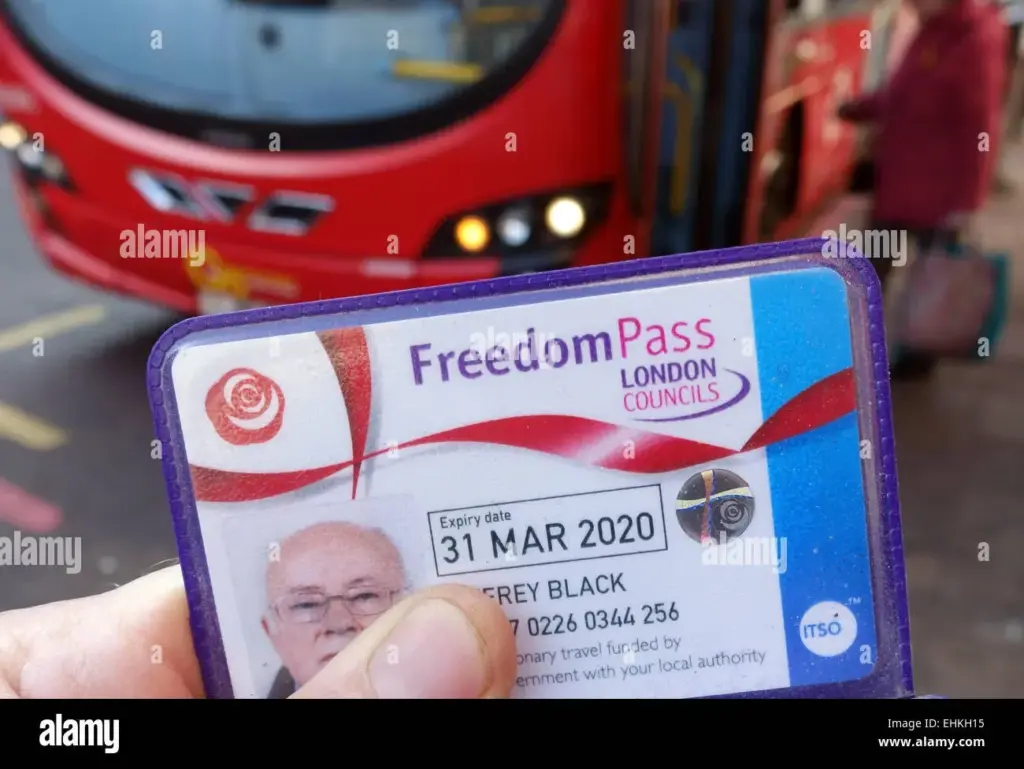
The Older Person’s Freedom Pass is a vital lifeline for many seniors in London, enabling them to travel for free across a wide range of public transport options, including buses, trams, the Tube, and the Overground. With around 1.2 million eligible Londoners benefiting from this travel scheme, the freedom it provides becomes indispensable, particularly for those without personal vehicles. However, the future of the Freedom Pass is uncertain as London Councils review its sustainability amid rising costs projected to reach £372 million annually. Recent debates have raised alarming proposals, such as restricting free travel solely to buses, which would significantly limit mobility for the elderly. As this important London travel scheme faces scrutiny, many advocates and residents are rallying to ensure that public transport for seniors remains accessible and unrestricted.
In the ongoing discussion about the future of the Freedom Pass, alternative phrases such as the “senior travel card” or “elderly transport pass” capture the essence of this critically important benefit for older residents. This initiative, designed to support the mobility of seniors within the city, plays a key role in promoting independence among older citizens in London. As local authorities evaluate the scheme, there are fears that financial constraints might lead to changes that could limit the range of transport services available to seniors. Many citizens are actively engaging in discussions and petitions, highlighting the necessity of advocating for free travel for the elderly. The overarching goal remains to ensure that the benefits of the pass remain intact, promoting accessibility and inclusion for London’s aging population.
The Importance of the Older Person’s Freedom Pass in London
The Older Person’s Freedom Pass serves as a lifeline for the elderly population in London, facilitating their independence and mobility across the city. With nearly 1.2 million older Londoners benefiting from this scheme, the Freedom Pass allows free travel across all major public transport options including buses, trams, the Tube, and more. This accessibility is crucial, particularly for those who rely on these services for daily activities such as shopping, medical appointments, and social engagements.
Furthermore, the financial implications of losing the Freedom Pass would heavily impact many seniors who may not have alternative means of transport. For aging individuals, public transport is often the only option, making it essential for their participation in the community. As discussions about the future of this pass unfold, it’s important to recognize its role not just in providing transportation, but in enhancing the quality of life for seniors in London.
Potential Changes to the Freedom Pass and Public Transport for Seniors
Recent proposals envision restricting the Older Person’s Freedom Pass to only buses, a move that has raised concerns among various stakeholders, including Mayor Sadiq Khan. Many argue that limiting travel options undermines the overall purpose of the Freedom Pass, which is to provide comprehensive access to public transport for the elderly. Public transport for seniors must include a variety of options to accommodate their diverse needs, and curtailing services may disproportionately affect those who are already vulnerable.
The conversations taking place among London Councils emphasize the need to strike a balance between fiscal responsibility and the welfare of older residents. Although the financial burden on councils is a valid concern, limiting the Freedom Pass could hinder seniors’ autonomy and add to their financial strain in the long run. Advocacy for maintaining full access to all travel modalities is essential in ensuring the Fairness of the Freedom Pass remains intact.
The Role of Petitions and Public Opinion in Freedom Pass Discussions
In light of the current review and proposed changes, public opinion plays a vital role in the future of the Older Person’s Freedom Pass. The petition, which has garnered over 80,000 signatures, signifies widespread community support for preserving the scheme in its current form. This expression of collective concern demonstrates how critical the Freedom Pass is to the lives of many Londoners aged 66 and over. It is a reminder that public sentiment should be considered seriously in discussions about the future of such essential services.
Elderly individuals like Eve Berkley have vocalized their fears regarding the potential loss of their transport privileges. Their testimonies highlight the emotional and practical implications of restricted travel options, underscoring the importance of advocacy in this matter. The combined strength of public petitions and the voices of concerned citizens can significantly influence the decisions made by London Councils, ensuring that the needs of older residents are prioritized.
Financial Pressures on London Councils and Their Impact on the Freedom Pass
The rising cost of the Freedom Pass, which is projected to reach £372 million annually, is indeed a significant concern for London Councils. With such financial pressures mounting, councils are exploring various cost-saving measures, including limiting the Freedom Pass to bus travel. However, critics argue that prioritizing budget cuts over the welfare of older residents could lead to detrimental consequences for those reliant on public transport to navigate daily life.
It is essential to establish sustainable funding solutions for the Freedom Pass to alleviate these financial strains without compromising the benefits offered to senior citizens. Engaging in thorough discussions surrounding budget allocations and potential funding sources is critical. Both the Labour Party and the Mayor’s office agree on the necessity of preserving the Freedom Pass while addressing fiscal challenges, highlighting the importance of responsible governance in protecting the rights and freedoms of older individuals.
The Wider Impact of Restricting Travel Services on Seniors
Restricting the services covered by the Older Person’s Freedom Pass could have far-reaching implications beyond just transportation. Access to free travel not only boosts mobility for the elderly but also contributes to their mental and physical well-being, as it enables them to maintain social connections and participate in community life. Taking away these options could lead to increased isolation among seniors, impacting their overall health and quality of life.
Moreover, the ramifications of reduced travel options extend to the larger community as well. With fewer seniors able to participate in local activities and events, there could be a significant decrease in community engagement and vibrancy. Maintaining a robust and accessible public transport system for the elderly is not just a matter of convenience; it is integral to fostering an inclusive environment where all community members can thrive.
The Legal and Ethical Considerations Surrounding the Freedom Pass
As the future of the Freedom Pass hangs in the balance, legal and ethical considerations must be scrutinized. The Elderly, being a protected demographic under various equality and discrimination laws, are entitled to dignity and equal access to public services. Restricting their travel options could constitute a violation of these principles and provoke legal challenges that question the fairness of such policies.
Additionally, ethical considerations about the treatment of seniors in society come to the forefront. Society has a responsibility to uphold the rights of its vulnerable populations, ensuring they have access to necessary services such as public transport. Policymakers must weigh the moral implications of their decisions against financial constraints, fostering a dialogue that prioritizes ethical governance in the management of the Freedom Pass.
The Future Outlook for London’s Elderly Travel Schemes
Although the current review of the Older Person’s Freedom Pass raises many questions, its future isn’t entirely bleak. Stakeholders, including local government officials and advocacy groups, are working tirelessly to explore solutions that maintain the integrity of the travel scheme while addressing budget concerns. This ongoing dialogue is crucial, as it reflects a collective commitment to finding a balance between fiscal responsibilities and the needs of elderly residents in London.
Citizens are hopeful that alternative funding arrangements or a more efficient use of existing resources can continue to support free travel for the elderly in the long term. The possibility of future enhancements to the Freedom Pass remains, as councils could consider investing in sustainable transport initiatives aimed at providing comprehensive travel options that benefit all residents while safeguarding the interests of older Londoners.
Public Awareness and Educational Initiatives Regarding the Freedom Pass
Public awareness campaigns about the significance and benefits of the Older Person’s Freedom Pass are crucial in fostering community support. Educational initiatives can inform both the elderly and the wider community about the importance of retaining comprehensive travel services for seniors. By effectively communicating the advantages of the Freedom Pass, such initiatives can galvanize public opinion and increase participation in advocacy efforts.
Moreover, outreach to younger generations can serve to build understanding and empathy towards the challenges faced by older individuals. By engaging in intergenerational programs, advocacy organizations can highlight the importance of access to public transport for all ages, fostering a culture of support that champions the rights of the elderly and ensuring that their voices are heard during discussions about the future of the Freedom Pass.
Comparative Analysis of Free Travel Schemes Across the UK
A comparative analysis of free travel schemes across the UK reveals that London’s Freedom Pass stands out for its comprehensive coverage. While many other regions only offer limited bus travel for seniors, London has set a standard by providing extensive services including trains, trams, and more. This approach not only allows for greater mobility but also places London as a leader in supporting its aging population.
Highlighting these distinctions can strengthen arguments for preserving the Freedom Pass as it showcases the city’s commitment toward inclusivity and accessibility. By examining successful models in other regions and identifying areas for improvement within London’s framework, advocates can argue for enhancements to travel services rather than cuts, ultimately working towards a model that serves as a benchmark for the entire country.
Frequently Asked Questions
What is the Older Person’s Freedom Pass and who is eligible?
The Older Person’s Freedom Pass is a vital travel concession for Londoners aged 66 and over, allowing free travel on buses, trams, Tube, Overground, and Elizabeth line services during specific hours. This scheme supports approximately 1.2 million elderly residents, enhancing their independence and mobility across London.
Are there any changes proposed in the Freedom Pass review?
Yes, the ongoing Freedom Pass review by London Councils has proposed limiting free travel for the elderly to buses only, which aligns with concessions available in many other UK cities. This raises concerns about accessibility for older individuals who rely on comprehensive public transport options.
How much will the Older Person’s Freedom Pass cost London boroughs?
The Older Person’s Freedom Pass is projected to cost the 33 London boroughs approximately £372 million per year starting from April, marking a 12 percent increase from the previous year. This financial pressure is one of the core issues prompting the current review of the scheme.
What are the implications of restricting the Freedom Pass to bus travel only?
Restricting the Older Person’s Freedom Pass to bus travel only could significantly limit mobility for seniors who need access to trams, Tube, and Overground services. Many elderly residents rely on these services for essential journeys and social activities, and limiting their options could negatively impact their quality of life.
What is the public’s response to the potential changes to the Freedom Pass?
Public response includes a strong petition with around 80,000 signatures aimed at preserving the full scope of the Older Person’s Freedom Pass. Many seniors, like 95-year-old Eve Berkley, view the pass as crucial for their mobility, especially for those who do not own a car.
How are local officials responding to the Freedom Pass review?
Local officials, including Sadiq Khan, are actively discussing potential reforms to ensure that the Older Person’s Freedom Pass remains beneficial for London’s elderly population. There is considerable opposition from Labour Councils against any changes that would restrict the services available, emphasizing the need for sustainable funding.
Why is the Freedom Pass considered generous compared to other regions?
The Older Person’s Freedom Pass is viewed as generous because, unlike most other regions in England where concessionary travel schemes only cover bus transport, the Freedom Pass allows comprehensive travel across multiple public transport modes. This broad accessibility is essential for the independence of older Londoners.
What measures are being considered to manage the financial strains of the Freedom Pass?
To manage rising costs, discussions are considering various cost-saving options, including potentially restricting the Older Person’s Freedom Pass to bus travel only. However, local leaders and advocacy groups are pushing for solutions that maintain the full range of services currently available to elderly residents.
What is the significance of the Freedom Pass for older Londoners?
The Older Person’s Freedom Pass is crucial for older Londoners, as it enables them to travel freely throughout the city without financial burden. Many seniors rely on this pass for essential outings, social engagements, and medical appointments, thus playing a significant role in their quality of life and community engagement.
| Key Points Regarding Older Person’s Freedom Pass | |
|---|---|
| Issue at Hand | Future of the Older Person’s Freedom Pass is uncertain due to a review by London Councils. |
| Current Benefits | Approximately 1.2 million Londoners aged 66 and over can travel for free on various services. |
| Financial Impact | Cost projected to be £372 million per year, a 12% increase from the previous year. |
| Proposed Changes | Limiting free travel to buses only, like many other UK cities. |
| Public Concerns | 80,000 people have signed a petition against restrictions; many residents fear losing their transport options. |
| Political Stance | Labour Party opposes any limitations on Freedom Pass services and seeks sustainable funding. |
| Officials’ View | Mayor Sadiq Khan and council leaders stress the importance of preserving the Freedom Pass. |
Summary
The Older Person’s Freedom Pass is currently facing challenges as discussions about its future unfold among London Councils. While financial pressures are prompting the review, there is widespread public support to maintain the existing benefits, especially as they provide vital transportation for over a million elderly Londoners. The importance of the Freedom Pass as a means to facilitate travel for older individuals cannot be overstated, making it crucial for local authorities to consider sustainable solutions that preserve these benefits.