Listen to this article
The psychology of competitive sports is a fascinating field that explores the mental dynamics that drive athletes to excel. It encompasses various elements, including athlete motivation, mental toughness, and the complexities of stress management athletes face in high-pressure situations. Understanding these psychological factors not only enhances performance but also fosters resilience among competitors. Moreover, the implications of team dynamics psychology play a crucial role, as the relationships and communication styles within teams can significantly impact overall success. By delving into the nuances of performance psychology sports, we can better appreciate why some athletes shine under pressure while others falter.
Exploring the mental frameworks that underpin athletic performance reveals much about the nature of competition itself. The mental strategies that fuel success, such as determination and resilience, are critical for athletes striving for excellence. Furthermore, stress management techniques are essential, helping competitors navigate the pressures of the sport. Additionally, the social aspects of team sports, including the psychology of group interactions and the shared drive to win, contribute significantly to overall team performance and individual growth. By examining these facets, we uncover the profound impact of psychological factors on athletes and their competitive journey.
The Psychology of Competitive Sports: An Overview
Understanding the psychology of competitive sports provides insights into what motivates athletes and how they cope with pressure. The essence of sports psychology lies in deciphering the mental processes that enhance performance. This involves studying athlete motivation, mental resilience, and the dynamics of group behavior in team environments. Sports psychology not only shapes training regimens but also informs the ways athletes can optimize their mental states for peak performance.
Moreover, a well-rounded understanding of psychology in competitive sports can lead to improved coaching strategies and athlete performance. Coaches can leverage psychological principles to motivate players and foster a winning team mentality. By incorporating mental training into practice, athletes benefit from enhanced focus, control, and the ability to navigate the challenges of competition.
Intrinsic and Extrinsic Motivations in Sports
Motivation in competitive sports can be categorized into intrinsic and extrinsic types. Intrinsic motivation originates from within, driven by the joy of participating and mastering a sport. Athletes who feel joy from the act of performance often display greater engagement and commitment. This inner drive can significantly impact performance consistency and long-lasting success in competitive settings.
Conversely, extrinsic motivation refers to external rewards such as trophies, sponsorships, or fame. While beneficial in sparking initial interest, overly relying on extrinsic factors may lead to burnout or dissatisfaction over time. Athletes must find a balance between both types of motivation to maintain interest and commitment in their sport, ensuring a sustainable performance mindset.
Building Mental Toughness in Competitive Athletes
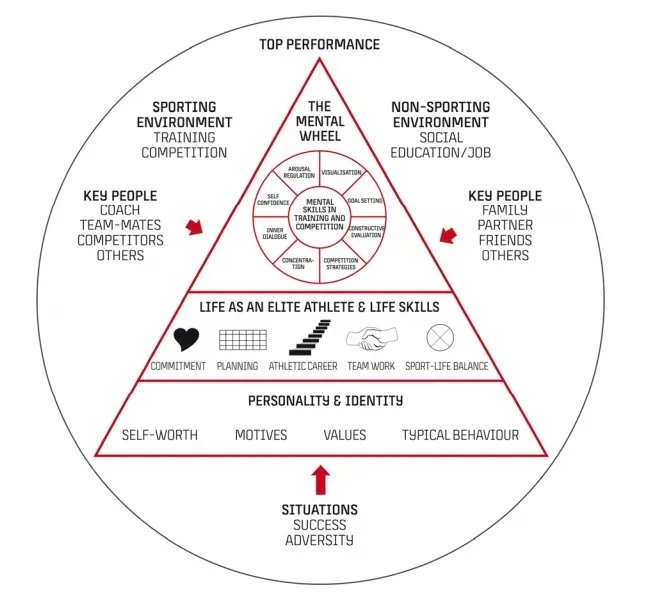
Mental toughness is a cornerstone of success in competitive sports, encompassing resilience, focus, and confidence. Athletes who develop strong mental resilience can better cope with the pressures of competition, maintaining composure regardless of the situation. Techniques such as visualization and self-talk play crucial roles in fostering mental toughness, encouraging athletes to picture success and affirm their capabilities.
In addition to mental techniques, experience often shapes mental toughness. Athletes encountering challenges and learning from failures cultivate a resilient mindset. This growth allows them to view setbacks as valuable lessons rather than insurmountable obstacles, ultimately preserving their motivation and commitment in competitive sports.
The Role of Stress and Performance in Athletics
Stress is a double-edged sword in competitive sports; it can motivate but also hinder performance. Understanding the distinction between eustress and distress helps athletes manage their mental states effectively. While eustress can enhance performance by pushing athletes to excel, distress can lead to anxiety, decreased focus, and catastrophic outcomes.
To harness positive stress and mitigate negative effects, athletes must employ effective stress management techniques. Strategies like goal setting, relaxation exercises, and cognitive reframing can help athletes channel their energy productively, thus enabling them to perform at their best under pressure.
Team Dynamics: The Psychological Framework of Team Sports
Team dynamics in competitive sports extend beyond mere physical interaction; it encompasses psychological factors that influence group cohesion and performance. Effective communication among team members fosters trust and accountability, which are essential for optimizing teamwork. Teams that prioritize open dialogue are better equipped to troubleshoot issues, adapt strategies, and encourage one another.
Moreover, developing a strong collective identity can significantly enhance a team’s performance. When athletes see themselves as part of a unified group, their dedication to collective goals increases, cultivating an environment of support and shared purpose. This psychological aspect often translates into improved results on the field, making team dynamics a critical area of focus in coaching.
The Intersection of Performance and Psychology in Sports
Performance psychology delves into the mental strategies that athletes use to improve their skills and outcomes during competitions. This field emphasizes the importance of mental rehearsal and anxiety management techniques, which directly correlate with results seen on the field or court. By understanding and implementing performance psychology principles, athletes can maximize their potential and consistency.
Effective mental training aids athletes in maintaining focus, harnessing motivation, and developing mental resilience. Athletes who embrace these psychological interventions often experience heightened performance and improved satisfaction in their sports, proving that mental training is as crucial as physical preparation in competitive athletics.
Overcoming Mental Barriers in Sports
Mental barriers can significantly impede an athlete’s performance and overall enjoyment of their sport. Common mental hindrances include self-doubt, fear of failure, and performance anxiety. Addressing these barriers is crucial to unlocking an athlete’s full potential and ensuring they can perform confidently in high-pressure situations.
Strategies to overcome mental barriers include cognitive behavioral techniques, visualization practices, and positive reinforcement. By reshaping their thought patterns and adopting a proactive mindset, athletes can eliminate mental roadblocks and achieve greater performance levels, leading to wider success in competitive sports.
The Role of Coaches in Shaping Mental Resilience
Coaches play a pivotal role in cultivating athletes’ mental resilience and motivation. Their influence extends beyond tactical training; they also shape the psychological approach of athletes toward competition. By emphasizing the importance of mental strength and providing support, coaches can help athletes develop coping strategies essential for navigating the stressors of competitive performance.
Furthermore, effective coaching involves recognizing each athlete’s individual psychological needs and tailoring support accordingly. A coach’s ability to foster a motivating environment—focusing on both personal and team goals—can lead to enhanced mental toughness and, ultimately, better performance outcomes.
Enhancing Athlete Transition through Psychological Support
Athletes frequently face transitional periods throughout their careers, such as moving from junior levels to professional sports or coping with retirement. These transitions can elicit significant psychological stress, impacting athletes’ performance and well-being. Therefore, providing psychological support during these transitions is critical for sustained success.
Implementing workshops, counseling sessions, and peer-support networks can greatly assist athletes in adapting to new realities. By addressing the psychological aspects of transitions, athletes can maintain motivation and resilience while continuing to pursue excellence within their sporting disciplines.
The Future of Sports Psychology in Competitive Athletics
The field of sports psychology is evolving rapidly, driven by advancements in understanding human behavior and performance. Future developments are anticipated to deepen the integration of mental training in sports, emphasizing holistic approaches that combine physical, mental, and emotional health.
Innovative psychological techniques, such as neurofeedback and mindfulness practices, are gaining traction among athletes seeking to enhance performance. As the understanding of the psychology of competitive sports matures, it is likely that athletes, coaches, and sports organizations will increasingly prioritize mental well-being as a foundation for achieving success.
Frequently Asked Questions
What role does athlete motivation play in competitive sports?
Athlete motivation is crucial in competitive sports as it drives individuals to excel. Intrinsic motivation fosters joy and engagement in the sport, while extrinsic motivation can provide external rewards. Balancing both types of motivation helps athletes perform their best.
How can mental toughness impact performance in competitive sports?
Mental toughness is key to success in competitive sports, as it enables athletes to maintain focus, resilience, and confidence under pressure. It involves believing in one’s abilities, bouncing back from setbacks, maintaining concentration, and controlling emotions.
What are effective stress management techniques for athletes?
To manage stress, athletes can use techniques like breathing exercises, visualization, and goal setting. These methods help reduce performance anxiety, boost confidence, and enhance focus, enabling athletes to perform better under pressure.
How does team dynamics psychology affect the performance of sports teams?
Team dynamics psychology significantly influences sports performance. Effective communication, trust, and team cohesion lead to improved cooperation and strategies. Teams that work well together can adapt quickly and support each other during challenges.
What is the importance of intrinsic versus extrinsic motivation in competitive sports?
Intrinsic motivation enhances long-term engagement and fulfillment in sports, while extrinsic motivation can provide short-term incentives. Athletes must find a balance between the two to ensure sustainable performance and enjoyment in their sports.
How can understanding mental toughness contribute to an athlete’s success?
Understanding mental toughness helps athletes develop focus, resilience, and control over their performance. Techniques such as visualization and positive self-talk foster mental strength, leading to better outcomes in competitive sports.
What’s the difference between eustress and distress in sports performance?
Eustress is positive stress that motivates athletes to perform at their best, especially before a competition. In contrast, distress is negative stress that can cause anxiety and hinder performance, necessitating effective management strategies.
How does communication influence team dynamics in competitive sports?
Open communication within a team fosters trust and cooperation, which are essential for effective team dynamics. Teams that communicate well adapt strategies quickly and support each other, ultimately enhancing performance.
What techniques can help develop mental toughness in athletes?
Techniques such as visualization, positive self-talk, and mindfulness practices can help athletes develop mental toughness. These skills enhance confidence, focus, and resilience, contributing to better performance under pressure.
How do collective identity and team cohesion affect competitive sports outcomes?
A strong collective identity and team cohesion enhance cooperation among players, leading to improved performance. When athletes feel connected and committed to a common goal, they are often more motivated to contribute to the team’s success.
| Key Aspect | Description |
|---|---|
| Motivation | Intrinsic and extrinsic motivations drive athletes. Intrinsic motivation is for personal satisfaction, while extrinsic motivation involves external rewards. |
| Mental Toughness | Includes confidence, resilience, focus, and control, crucial for overcoming challenges in competitive sports. |
| Stress Impact | Eustress can enhance performance, while distress can negatively affect it. Techniques like breathing exercises and visualization help manage stress. |
| Team Dynamics | Effective communication, trust, and cohesion among team members are essential for success in team sports. |
Summary
The psychology of competitive sports plays a pivotal role in understanding not just the physical achievements, but also the mental factors that influence performance. This topic encompasses the vital components of motivation, mental toughness, stress management, and team dynamics, which together create a comprehensive picture of what athletes experience. Athletes who leverage their intrinsic and extrinsic motivations, cultivate mental toughness, manage stress effectively, and foster strong team dynamics are more likely to achieve their goals. By exploring these psychological elements, athletes and coaches can enhance performance and enjoyment in the sporting realm, leading to a more engaged and successful sports community.