Listen to this article
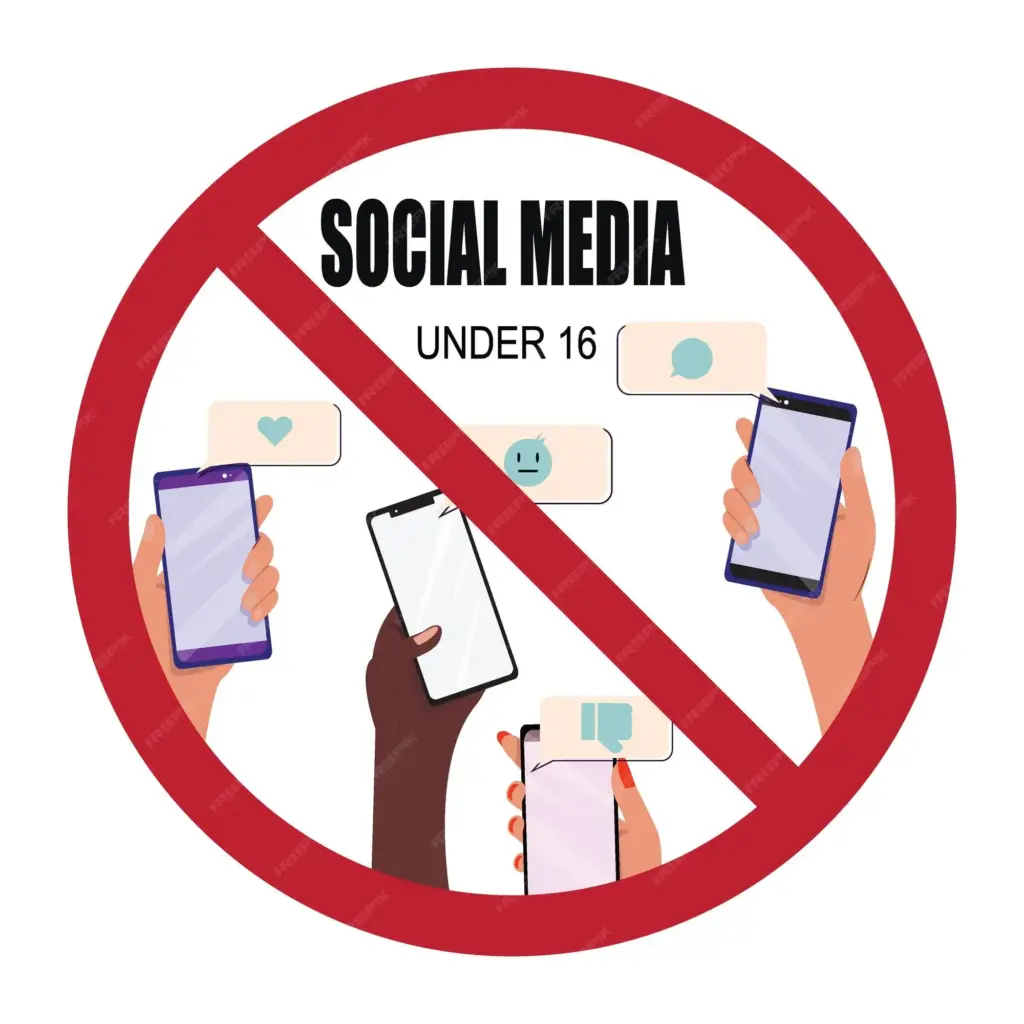
In the UK, the debate over a potential social media ban for under 16s has gained significant traction, as the government prepares to consult the public on this contentious issue. With increasing concerns about the impact of social media on youth, many experts argue that the need for online safety for children is paramount. Recent discussions highlight how children and social media can lead to detrimental effects, from mental health struggles to curtailing real-life interactions. UK social media regulations are being scrutinized, as parents, educators, and lawmakers seek a balance between allowing children to connect and protecting their well-being. The upcoming government consultation aims to gather insights from various stakeholders, emphasizing the urgent need for effective solutions in this digital age.
Amid rising anxieties regarding the influence of digital platforms on young minds, a discussion surrounding the prohibition of social media for individuals under the age of 16 has emerged in the UK. This consideration follows global trends where countries like Australia have already taken steps to impose similar restrictions. Observations on the effects of online interactions on children underscore the necessity for protective measures that aim to safeguard their emotional and psychological health. As the government embarks on a nationwide consultation, different factions including parents, educators, and child advocacy groups are voicing their concerns about navigating the complexities of modern technology. The overarching goal remains clear: to navigate the intersection of community-building through technology while ensuring a safe online environment.
The Proposed Social Media Ban for Under 16s in the UK
The UK government is contemplating a significant policy shift by consulting on a ban on social media usage for individuals under the age of 16. This proposal comes in response to mounting evidence regarding the negative impacts of social media on youth. The move aims to protect children from exposure to online bullying, mental health issues, and inappropriate content that can arise from unrestricted social media access. Various stakeholders, including parents and educators, are being consulted to gather their perspectives on the effectiveness of such a ban as the government assesses the best path to ensure online safety for children.
If implemented, this ban could align the UK with similar international measures, including Australia’s recent legislation. Critics of the proposal argue that social media can offer vulnerable children a sense of community and support; however, the government is focused on the tangible risks that unrestricted access presents. As this dialogue unfolds, it sets the stage for a potential transformation in children’s interaction with technology and social networks.
Frequently Asked Questions
What is the UK government’s proposal regarding a social media ban for under 16s?
The UK government is consulting on a proposal to ban social media access for children under 16 years old. This initiative aims to empower Ofsted to evaluate phone usage policies in schools and potentially make schools ‘phone-free by default.’ The government seeks input from parents, young people, and society to assess the ban’s feasibility and effectiveness.
How does the proposed social media ban under 16s align with UK social media regulations?
The proposed social media ban for under 16s is part of broader UK social media regulations aimed at protecting children from online harms. It reflects growing concerns about the impact of social media on youth, particularly regarding mental health and safety. By exploring stricter age verification and possibly removing features that promote compulsive usage, the government hopes to enhance online safety for children.
What impact might a social media ban under 16s have on children and social media behaviors?
A social media ban for children under 16 could significantly alter how young people engage with online platforms. Proponents argue it might reduce exposure to harmful content and promote healthier social interactions. However, some experts caution that a ban might not reduce risk effectively and could lead to children seeking unregulated alternatives online, highlighting the complexity of social media’s influence on youth.
Are there other countries implementing similar social media bans for under 16s?
Yes, Australia has already enacted a social media ban for children under 16, becoming the first country to do so. Other countries are considering similar legislation as concerns about online safety for children continue to mount globally. The UK’s consultation reflects this international trend toward regulating youth access to social media platforms.
What are the main concerns regarding the impact of social media on youth?
Concerns regarding the impact of social media on youth include increased risks of mental health issues, addiction to screen time, and exposure to inappropriate content. The ongoing government consultation on a social media ban for under 16s aims to address these concerns, as many believe that social media can limit real-world social interactions and adversely affect children’s well-being.
How is the government assessing opinions on the social media ban under 16s?
The government is actively consulting with a variety of stakeholders, including parents, young people, and civil society, to gather opinions on the proposed social media ban for under 16s. This approach aims to ensure that the legislation is informed by the diverse perspectives of those affected, helping to shape effective policies that enhance online safety for children.
What criticism has the consultation on the social media ban under 16s received?
The consultation regarding the social media ban for under 16s has faced criticism for potentially delaying immediate action. Critics, including political figures and educational leaders, argue that the time to act is now, and delaying further discussions risks leaving children unprotected from the harmful effects of social media.
What role will Ofsted play in the proposed social media ban for children?
If a social media ban for under 16s is implemented, Ofsted will have an enhanced role in assessing school policies related to phone usage. The agency will provide schools with guidance to minimize phone distractions, contributing to a broader initiative for improving online safety and the overall well-being of students.
| Key Point | Details |
|---|---|
| Government Consultation | The UK government is planning to consult on banning social media for individuals under 16. |
| Background | The initiative follows a similar ban in Australia and a push from over 60 Labour MPs. |
| Concerns from Parents | Parents have voiced concerns about social media’s impact on their children’s social interactions. |
| Role of Ofsted | Ofsted will inspect school policies regarding phone usage. |
| Political Response | Conservative leader Kemi Badenoch supports a ban and criticizes the government’s consultation. |
| Digital Safety Experts’ Views | Experts advocate for balanced approaches to online safety rather than blanket bans. |
| Opposition from Organizations | Several organizations argue that a ban would create false safety while failing to improve children’s safety. |
| Next Steps | The government plans to respond to the consultation findings by summer. |
Summary
The UK is set to consult on a social media ban for under 16s, highlighting growing concerns regarding the impact of social media on young people. This measure follows increasing pressure from parents, educators, and politicians who advocate for stricter regulations to safeguard children’s mental health. As discussions unfold, it’s crucial for the government to consider various perspectives to ensure that any potential ban effectively addresses the risks without inadvertently pushing children to less safe online environments.