Listen to this article
Cold urticaria is a challenging condition that affects individuals when they come into contact with cold environments, causing distressing symptoms like hives and swelling. For many, like 16-year-old Amber, living with cold urticaria means planning daily activities around the risk of an allergic reaction triggered by even a light breeze or cold water. Symptoms can include severe itching and redness that can impact self-esteem and social interactions, causing feelings of anxiety and fear. The treatment for cold urticaria often involves antihistamines, but managing the condition can still be difficult, particularly with the potential risk of anaphylaxis. Understanding cold urticaria symptoms and their implications is crucial for those affected and their loved ones, as they navigate life with this cold allergy.
Referred to in some circles as cold allergy, cold urticaria presents a unique array of challenges for those affected. Patients may find themselves dealing with the unpredictability of symptoms that arise during sudden temperature changes or exposure to cold objects. This condition can also intersect with severe allergic reactions, increasing the worry of complications such as anaphylaxis and cold urticaria. Living with these symptoms means constant vigilance and, for many, modifying their lifestyle to avoid triggers. Awareness about this condition is essential to help support individuals coping with such hypersensitivity towards cold stimuli.
Understanding Cold Urticaria: Causes and Symptoms
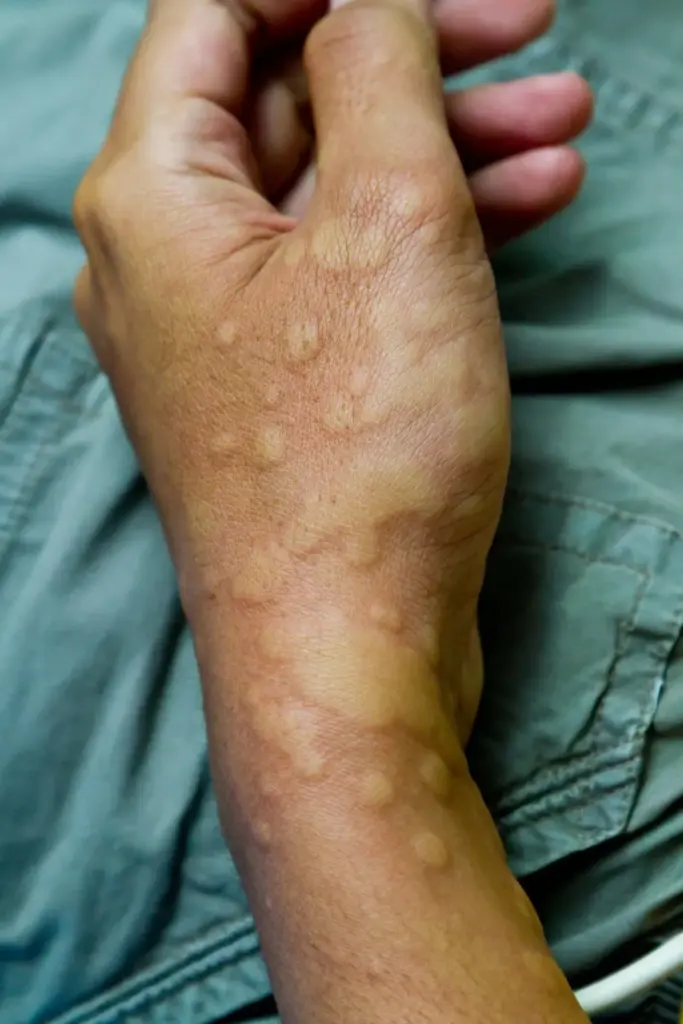
Cold urticaria is a condition that manifests as an allergic reaction to exposure to cold temperatures. For individuals like Amber, even mild conditions such as a cool breeze can trigger a breakout of red, itchy hives. The underlying mechanisms are not fully understood, but it’s crucial to recognize its symptoms for proper management. Typical symptoms may include swelling, redness, and itchiness in areas exposed to the cold, and in severe cases, individuals may experience anaphylaxis, a life-threatening reaction that requires immediate medical attention.
Recognizing the symptoms early can help manage cold urticaria effectively. Those affected often find that their reactions can be unpredictable and vary widely among individuals. While some might experience mild hives, others, like Amber, can suffer significant discomfort that can disrupt daily life. It’s essential to consult a healthcare provider for accurate diagnosis and to explore potential treatments tailored for managing these symptoms.
Treatment Options for Cold Urticaria
Currently, no definitive cure exists for cold urticaria. However, various treatment options can alleviate symptoms and help individuals maintain a semblance of normalcy. Antihistamines are commonly prescribed to help reduce the severity of skin reactions. In Amber’s case, she currently receives antihistamine injections every four weeks in hopes of minimizing her symptoms and improving her quality of life.
Beyond medications, individuals with cold urticaria often adopt precautionary measures. Wearing insulated clothing, like Amber’s leggings under her clothes, helps protect against unexpected cold exposure. Additionally, avoiding cold environments or planning indoor activities can significantly reduce the risk of triggering a reaction, leading to a more enjoyable social experience.
Living with Cold Urticaria: Challenges and Coping Strategies
Living with cold urticaria poses unique challenges, particularly for teenagers and young adults who wish to socialize freely. Amber’s story highlights the emotional toll of managing this condition, as she often feels limited in her ability to participate in outdoor activities and social events. This condition can lead to feelings of isolation, as many affected individuals find their social lives impacted due to the unpredictability of their reactions.
Coping with cold urticaria goes beyond physical management; it involves emotional resilience and support from friends and family. Many patients benefit from joining support groups where they can share experiences and strategies. Providing education to friends about cold allergies can also foster understanding and support, making outings more enjoyable and less stressful.
Preventing Severe Reactions: Safety Tips for Those Affected
For those diagnosed with cold urticaria, prevention is crucial to minimizing the risk of severe allergic reactions. Understanding personal triggers and avoiding cold exposure whenever possible is a primary strategy. For instance, Amber learned that swimming or even merely coming into contact with cold water could trigger her symptoms, emphasizing the importance of being aware of her surroundings.
Individuals can also carry emergency medications, such as antihistamines or an EpiPen, to manage unexpected severe reactions. Awareness of the potential for anaphylaxis is crucial, as it highlights the seriousness of the condition. Education on how to respond quickly in case of a severe reaction can provide peace of mind and possibly save lives for those living with cold urticaria.
The Role of Research in Cold Urticaria Treatment
As awareness of cold urticaria grows, so does the hope for advanced treatments and better management strategies. Ongoing research aims to uncover the underlying causes of this rare condition, which could lead to the development of more effective therapies. Amber’s wish for increased research aligns with the desires of many affected individuals eager for better therapeutic options.
Participation in clinical studies or trials can also provide access to cutting-edge treatments and contribute to the scientific understanding of cold urticaria. Engaging with the medical community not only empowers patients like Amber but can also help future patients benefit from findings that emerge from extensive research in this field.
Impact of Cold Urticaria on Daily Life
Cold urticaria can significantly affect daily activities and overall quality of life. For Amber, even routine tasks, such as commuting to school or work, require careful planning to avoid triggering her symptoms. The unpredictability of her condition means that she must constantly be aware of weather changes and dress accordingly, which can be exhausting.
Individuals suffering from cold urticaria may also face psychological challenges, as seen in Amber’s case, where the fear of having a reaction can overshadow everyday experiences. Finding joy in life while managing this condition involves a balance of caution and spontaneity, which is often difficult to achieve.
Social Considerations: Navigating Friendships with Cold Urticaria
Friendship dynamics can shift when dealing with medical conditions like cold urticaria. Amber expressed feelings of exclusion due to her inability to participate in outdoor gatherings. This illustrates a common challenge many faced with allergies encounter, where health limitations can strain social connections.
Creating an open dialogue about cold allergies among friends can help them understand the condition and promote inclusivity. Planning activities that cater to Amber’s needs allows her to engage with her peers without the added stress of potential allergic reactions. This adaptive approach not only strengthens existing friendships but can foster new connections built on understanding and support.
Understanding Anaphylaxis and Cold Urticaria
Anaphylaxis, while rare, is a life-threatening reaction that individuals with cold urticaria must be cognizant of. Amber’s anxiety over experiencing anaphylactic shock is shared by many who face similar conditions. Recognizing the symptoms of anaphylaxis, such as difficulty breathing, rapid pulse, or swelling of the throat, can be vital for effective emergency management.
Being prepared for the possibility of anaphylaxis means carrying emergency medication and educating those around you about your condition. Individuals like Amber can benefit from having an action plan that includes how to use an EpiPen if necessary, as this knowledge can provide reassurance in social situations where cold exposure might occur.
The Importance of Seeking Medical Advice for Cold Urticaria
Consulting with a healthcare professional is crucial for anyone experiencing symptoms of cold urticaria. Early diagnosis can make a significant difference in management strategies and future health outcomes. Like Amber, many people may initially feel dismissed, but advocating for oneself can lead to appropriate treatments and support.
Regular follow-ups with doctors can also help monitor the condition and adjust treatment plans as needed. It’s essential for individuals to keep track of their symptoms and any changes they notice, which can assist healthcare providers in tailoring the best possible management plan for cold urticaria.
Frequently Asked Questions
What are the common cold urticaria symptoms?
Common cold urticaria symptoms include itchy hives, swelling of the skin, and redness that occurs after exposure to cold temperatures. These reactions can also happen after contact with cold water or consumption of cold foods and drinks, often leading to significant discomfort and distress.
What is the best treatment for cold urticaria?
The best treatment for cold urticaria typically involves antihistamines to alleviate symptoms. Newer treatments, such as injectable antihistamines administered every few weeks, have shown promise in managing the condition. Patients are also advised to avoid cold exposures and have emergency medication available in case of anaphylaxis.
How can someone cope with living with cold urticaria?
Living with cold urticaria requires careful management, including dressing warmly in layers to prevent outbreaks, avoiding cold environments, and planning social activities that minimize exposure to cold. Education about the condition and support from healthcare professionals can also aid in coping.
Is cold urticaria considered a cold allergy?
Yes, cold urticaria is considered a form of cold allergy where the skin reacts to cold stimuli. This can include reactions to cold air, water, and even cool objects, causing hives and discomfort for individuals affected.
What should I do if I experience anaphylaxis and cold urticaria?
If you suspect anaphylaxis due to cold urticaria, it is crucial to seek immediate medical help. Patients should carry an epinephrine auto-injector and have a plan in place for emergencies. It’s also important to inform friends and family about your condition so they can assist in case of an emergency.
| Key Aspects | Details |
|---|---|
| Condition | Cold Urticaria |
| Patient | Amber Woodward, 16 years old |
| Diagnosis Year | 2023 |
| Triggers | Cold temperatures (<12°C/53°F), cold foods, swimming, and cold winds |
| Symptoms | Red, itchy hives; swelling; self-consciousness; and fear of anaphylactic shock |
| Treatment | Antihistamine injections every four weeks; limited effectiveness |
| Impact on Life | Misses plans with friends; feels left out; requires double layering of clothing |
Summary
Cold urticaria is a rare condition that affects individuals like Amber Woodward, who experiences severe allergic reactions to cold temperatures. Diagnosed at 16, Amber’s life has been substantially impacted as she navigates the challenges of managing her symptoms, which include red, itchy hives that can occur with even slight exposure to cold. Treatment options remain limited, but Amber is hopeful for future research that may provide better solutions, allowing her to live a life more akin to her peers.