
Listen to this article
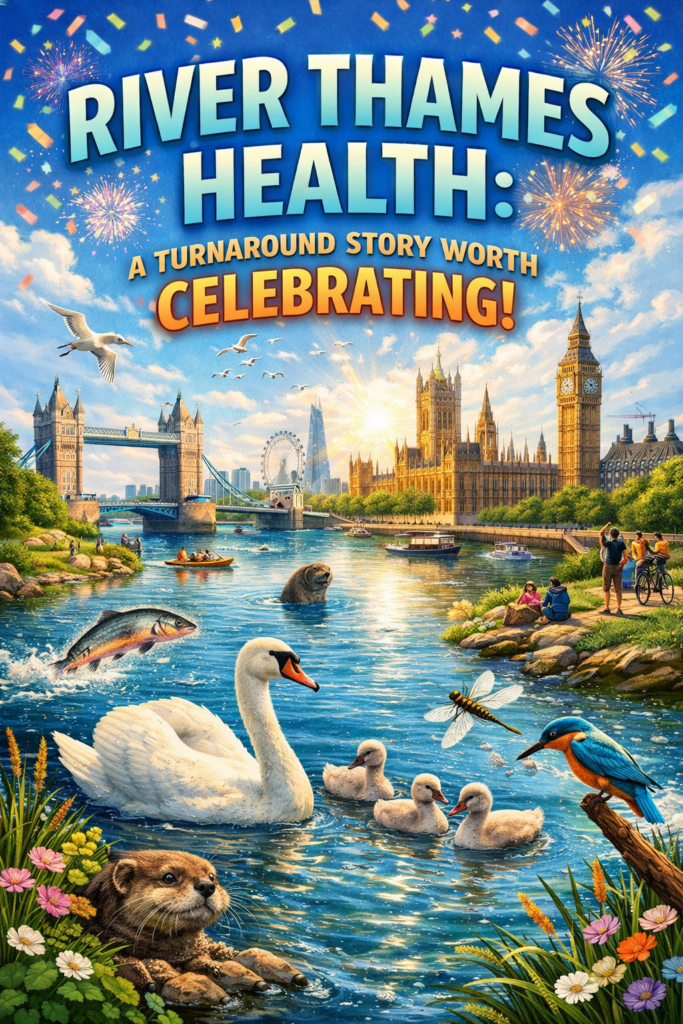
The health of the River Thames has seen a remarkable transformation in recent years, marking a significant recovery from its bleak past. According to the latest Thames health check report by the London Zoological Society (ZSL), dedicated conservation efforts have spurred a resurgence of wildlife previously thought lost. Once declared “biologically dead” due to rampant industrial pollution, the river now boasts cleaner waters and thriving ecosystems. Notably, recent improvements in Thames conservation efforts include a notable reduction in the pollution levels that plagued its waters, benefiting species such as the harbour porpoise and various birdlife. However, challenges remain, as ongoing threats from climate change and man-made pollution could hinder these positive outcomes if not addressed swiftly.
The vitality of the River Thames has become a focal point for environmental advocates and the public alike, showcasing the potential for rejuvenation within urban rivers. This once-dormant waterway, long suffering from severe pollution, is witnessing a wildlife comeback that many thought was impossible. The ZSL report not only highlights the success of Thames conservation initiatives but also emphasizes the need for ongoing monitoring to ensure its revival continues undeterred. As communities unite to combat threats like plastic waste and rising water temperatures, the narrative surrounding London’s iconic river shifts toward one of hope rather than despair. The progress observed in the Thames serves as a compelling case study for other urban water bodies striving for similar rebounds in health and biodiversity.
Rising Standards of River Thames Health
The recent health check on the River Thames reveals a significant turnaround in its ecological well-being. Once declared biologically dead in the 1950s, ongoing conservation efforts and simplified regulations have played a vital role in the river’s revival. With lower concentrations of toxic metals like copper and zinc, alongside improved water quality, the Thames is now more conducive for aquatic life. This transformation is a testament to what can be accomplished through dedicated environmental policies and community involvement.
As the ZSL report emphasizes, effective regulation has proven crucial in expediting the recovery of the Thames. Following the UK’s ban on plastic cotton bud sticks, these once-common pollutants have virtually disappeared from its banks. This swift response not only highlights the impact of environmental legislation but serves as a model for addressing other pollution challenges. For instance, the impending ban on plastic wet wipes offers hope that further improvements in the river’s quality can be achieved.
Ongoing Pollution Threats to the Thames
Despite the impressive strides made in enhancing the health of the River Thames, numerous pollution concerns persist. Local issues such as sewage spills, pharmaceutical runoff, and urban drainage all contribute to the ongoing risk for the river’s ecosystem. Rising water temperatures and sea levels due to climate change further exacerbate these risks, compromising the delicate balance of the Thames’ aquatic habitats. Experts contend that without continued vigilance and activism, the progress made could quickly unravel.
Nitrate levels in the Thames and its tributaries have also been reported to be on the rise, presenting additional challenges for maintaining the health of this vital waterway. Such increases can lead to detrimental effects on both water quality and the flora and fauna that depend on a balanced ecosystem. Stakeholders must collaborate across sectors to tackle these pollution sources head-on, as the fight for a cleaner Thames requires systemic solutions and community participation to build lasting change.
The information provided by the ZSL highlights the critical need for a multi-faceted approach to protect the River Thames. By integrating environmental monitoring with community activism and public policy, we can create a resilient model that not only safeguards the river’s health today but also preserves it for future generations. As urban environments continue to grow and change, proactive measures must be taken to ensure that nature can thrive within these increasingly complex landscapes.
The Role of Community in Thames Conservation Efforts
Community engagement has emerged as a pivotal component of the Thames conservation efforts, driving initiatives aimed at cleaning and restoring the river. Projects like Transforming the Thames bring together various stakeholders, including local residents, conservation groups, and government agencies to work towards common goals. With activities ranging from cleanup days to educational programs, these collective efforts empower communities to take ownership of the river’s health.
Moreover, initiatives that incorporate public participation not only enhance the ecological quality of the River Thames but also foster a sense of stewardship among residents. By actively engaging the community in conservation projects, such as creating oyster reefs and restoring seagrass meadows, the local population develops a deeper connection to the natural environment. This grassroots approach enhances the appreciation for the Thames and motivates sustained commitment towards its long-term health.
Flourishing Wildlife Along the Thames
The revival of the River Thames has led to a remarkable resurgence in wildlife populations, a clear indicator of improving ecosystem health. Once thought to be lost, species such as harbour porpoises and various types of wading birds are now making a comeback, enriching the biodiversity of the river. This transformation signals hope for the re-establishment of a healthy aquatic habitat, which is essential not only for wildlife but also for the overall ecosystem.
The ZSL report documented increasing sightings of various bird species thriving in the Thames’ revitalized environment. Such enhancements in biodiversity are not just beneficial for nature lovers but also contribute to the wellbeing of urban areas surrounding the river by promoting eco-tourism and improving quality of life. A flourishing wildlife presence acts as a natural indicator of the Thames health, reminding us of the importance of continuing our conservation efforts to ensure this positive trend endures.
Addressing Climate Change Impacts on the Thames
Climate change remains a significant threat to the health of the River Thames, with rising temperatures and sea levels posing considerable risks. The ZSL’s findings indicate that the river’s summer temperature has increased by an average of 0.13°C each year, leading to potential alterations in aquatic species composition and behavior. This rise in temperature can exacerbate existing pollution issues and impact the delicate ecosystems that have only recently begun to recover.
Additionally, with water levels increasing in urban areas such as Tower Bridge, the potential salinization of upstream waters threatens to undermine the delicate freshwater habitats. The gradual loss of these habitats could disrupt wildlife communities that have only recently made a comeback. It is crucial for policymakers and conservationists to prioritize measures that address climate change’s impact on the Thames, ensuring that recovery efforts can withstand the ongoing challenges presented by a changing climate.
Success Stories from Thames Conservation Projects
The collaborative efforts of various organizations focused on Thames conservation have resulted in several success stories that highlight the impact of joint initiatives. For instance, the ZSL’s report celebrates the decrease in harmful pollutants like copper and zinc, showcasing how targeted actions can yield significant environmental benefits. Projects aimed at enhancing the river’s natural habitats are pivotal to securing these improvements and fostering a sustainable future.
Another notable success is the establishment of community-led clean-up events that have effectively reduced the litter and pollution affecting the river’s ecosystems. These grassroots efforts not only protect the Thames’ health but also create a ripple effect, inspiring other communities to take action. The shared victories noted by conservationists exemplify how community involvement, when coupled with the right policies, can lead to tangible improvements in the Thames and its surrounding environments.
Regulatory Changes Supporting Thames Rehabilitation
Recent regulatory changes have played a critical role in the rehabilitation of the River Thames. The banning of certain harmful pollutants, such as plastic cotton bud sticks, demonstrates how proactive legislation can lead to measurable reductions in river litter. Alongside these regulations, it is essential to continue pushing for comprehensive policies that address other sources of pollution, especially as the ZSL report indicates emerging threats from non-regulated contaminants.
Moreover, the ZSL emphasizes the need for transparent monitoring and evaluation of the river’s health. Regular assessments help track the improvements made and identify any new challenges that arise. By advocating for informed regulatory frameworks guided by scientific data, stakeholders can ensure that the conservation strategy for the Thames remains effective and adaptable to future changes in environmental conditions.
The Future of Thames Wildlife Resurgence
As we look forward to the future of the River Thames, the prospects for wildlife resurgence appear promising. Continued conservation efforts have already led to a revival of key species that serve as indicators of a healthier ecosystem. For instance, the bird population along the banks of the Thames demonstrates the success of habitat restoration initiatives that support nesting and breeding.
However, the future of this resurgence hinges on our collective ability to combat ongoing threats such as climate change, pollution, and habitat loss. By fostering collaboration among local communities, government agencies, and conservation organizations, adaptive conservation strategies can be implemented to anticipate and mitigate potential challenges. A commitment to protecting the Thames ensures not only the survival of its wildlife but also the overall health of this iconic waterway.
Community Initiatives Driving Thames Awareness
Community initiatives focused on raising awareness about Thames health and conservation play a vital role in the overarching goal of ecological recovery. Educational programs, workshops, and participatory events help instill a sense of responsibility towards the river within local populations. By actively involving citizens in discussions about conservation practices, communities can contribute to the ongoing efforts to restore the river’s health.
Additionally, increased public awareness surrounding the significance of clean rivers leads to positive behavioral changes that benefit the environment. Initiatives that promote sustainable practices and emphasize the importance of reducing pollution sources result not just in immediate benefits for the Thames but also encourage long-term stewardship among residents. This active engagement is crucial as it allows communities to become advocates for their local ecosystems, thereby ensuring the future health of the River Thames.
Frequently Asked Questions
What is the current health status of the River Thames according to recent reports?
The latest health check report from the Zoological Society of London (ZSL) indicates that the River Thames is experiencing a resurgence in health. It shows lower concentrations of toxic metals and improved water quality, allowing for thriving aquatic wildlife. The Thames, once declared ‘biologically dead’ in the 1950s, now supports species like harbour porpoises, thanks to decades of conservation efforts.
How is River Thames pollution impacting wildlife?
River Thames pollution historically led to severe damage to its ecosystem, but recent efforts to reduce toxic waste have resulted in healthier water quality. However, pollution remains a concern, as rising temperatures and ongoing pollutants pose risks to wildlife. It’s crucial to continue monitoring and addressing these issues to protect the river’s biodiversity.
What measures are being taken to improve the Thames health check?
Efforts to improve the Thames health check include stricter regulations leading to reduced plastic waste and toxic metals in the river. The ZSL’s Transforming the Thames initiative also aims to restore habitats by creating oyster reefs and planting seagrass meadows, enhancing the overall health of the river and its wildlife.
What are the findings of the latest ZSL report on Thames conservation efforts?
The latest ZSL report highlights significant improvements in River Thames health, including reduced levels of harmful metals and improved aquatic ecosystems. Conservation efforts have led to the resurgence of various species, and ongoing initiatives are focused on combating pollution and further restoring habitats for sustainable resilience.
Which wildlife species are benefiting from the health improvements of the River Thames?
The revitalized health of the River Thames has allowed species such as harbour porpoises and various wading birds to thrive. These positive outcomes are a direct result of ongoing conservation efforts that aim to restore and maintain the river’s ecosystem.
What are the biggest threats to the River Thames health moving forward?
Despite recent victories, threats to River Thames health include climate change, rising pollution levels, and local issues such as sewage runoff. Increased water temperatures and rising sea levels could lead to habitat loss and changes in ecosystem dynamics, necessitating continued conservation and monitoring measures.
How can the public contribute to the conservation of the River Thames?
The public can participate in the conservation of the River Thames through community clean-up initiatives, supporting local conservation projects, and advocating for policies addressing pollution. Engaging with organizations like ZSL and participating in events focused on Thames wildlife can also help raise awareness and ensure ongoing protection efforts.
What role does legislation play in improving River Thames health?
Legislation plays a critical role in improving River Thames health by enforcing regulations that limit pollution and protect aquatic ecosystems. The recent ban on single-use plastic items has drastically reduced litter, demonstrating how effective policy measures can lead to significant environmental improvements in the river.
Can we expect continued improvements in River Thames health in the future?
Yes, with ongoing conservation efforts and community engagement, there is optimism for continued improvements in River Thames health. Collaborative actions involving government, organizations, and local communities are essential to maintain and enhance the river’s ecology and biodiversity.
What community projects are in place to support the River Thames wildlife resurgence?
Community projects such as the Transforming the Thames initiative aim to bolster wildlife resurgence by restoring natural habitats, creating oyster reefs, and planting seagrass meadows. These efforts are designed to enhance biodiversity and promote a healthier Thames ecosystem.
| Key Point | Details |
|---|---|
| Historical Context | In the 1950s, the Thames was declared ‘biologically dead’ due to industrial pollution. |
| Significant Improvements | Decades of efforts have led to the return of species like harbour porpoises and improvements in water quality. |
| Monitoring Report | The latest health check report assessed 21 indicators, showing healthier water with lower toxic metal levels. |
| Regulation Success | Bans on plastic items, like cotton bud sticks, have significantly reduced litter in the Thames. |
| Future Challenges | Climate change, rising temperatures, and pollution still threaten the river’s health. |
| Community Efforts | The ‘Transforming the Thames’ initiative unites various groups to enhance recovery efforts. |
Summary
The River Thames health has seen remarkable improvements over the years, thanks to dedicated conservation efforts and successful regulations. However, ongoing threats like climate change and pollution necessitate continuous action and community involvement to maintain its recovery and ecological balance.