Listen to this article
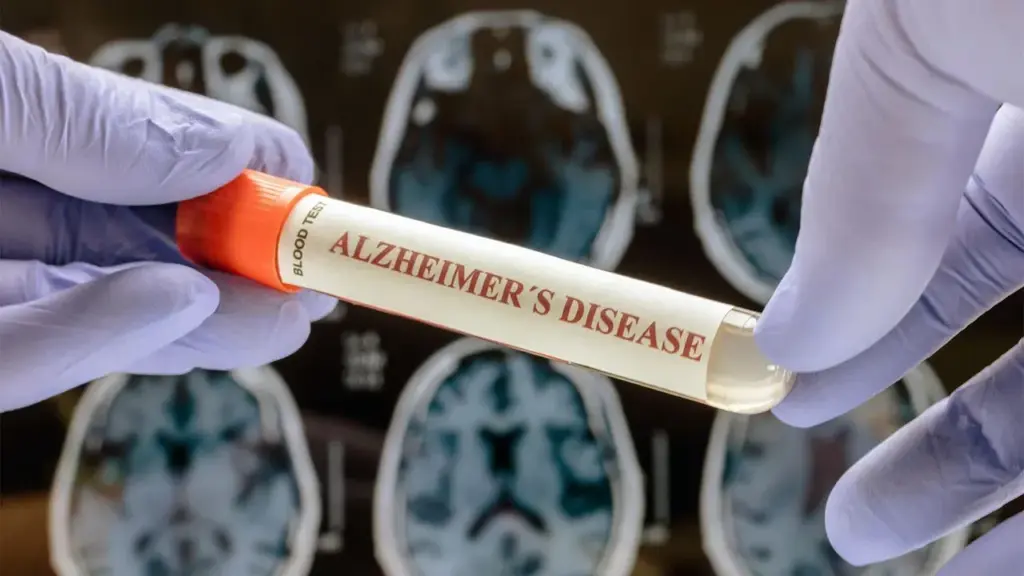
Alzheimer’s blood test is emerging as a promising tool in the early detection and diagnosis of Alzheimer’s disease, a condition that affects millions worldwide. An international trial is currently investigating whether a finger-prick blood test can help identify critical blood biomarkers associated with this debilitating condition. By simplifying the process of Alzheimer’s diagnosis, the hope is to enable earlier interventions and improve patient outcomes significantly. This innovative approach could revolutionize dementia screening, allowing for quick assessments right from home without the need for invasive procedures. With early Alzheimer’s detection being crucial for effective treatment, this research may pave the way for more accessible Alzheimer’s diagnostics for those at risk.
The advancement in Alzheimer’s diagnostics through innovative blood testing methods signifies a significant leap in the field of medical research. Alternatives to the conventional approaches, such as a finger-prick blood test, are being explored to uncover vital indicators linked to cognitive decline. These developments are shaping the future of dementia assessments, offering possibilities for screening that can be performed with ease and convenience. By focusing on the detection of specific proteins in the blood, researchers aim to create non-invasive solutions for early Alzheimer’s identification. These groundbreaking studies not only aim to enhance diagnostic accuracy but also seek to provide better accessibility for patients worldwide.
Understanding Alzheimer’s Blood Test and Its Importance
The introduction of an Alzheimer’s blood test heralds a potential breakthrough in the early detection of this debilitating disease. Currently, traditional methods of diagnosing Alzheimer’s involve complex and invasive procedures such as PET scans or lumbar punctures. The new finger-prick blood test seeks to simplify this process by identifying specific blood biomarkers associated with Alzheimer’s disease. With the ability to perform the test at home, this innovation could make it significantly more accessible for those at risk, enabling earlier intervention and management of the disease.
As the research progresses, scientists are focusing on three key proteins that may serve as indicators of Alzheimer’s. The presence and levels of these blood biomarkers could reveal critical information about an individual’s risk of developing the disease, even before symptoms appear. This proactive approach not only emphasizes the significance of early Alzheimer’s detection but also aligns with the growing understanding of the need for rapid and accurate diagnoses, especially as new treatment options become available.
The Digital Revolution in Alzheimer’s Diagnosis
The advent of the finger-prick blood test encapsulates the digital revolution that is transforming the medical field. With technological advancements, healthcare is moving towards patient-centered solutions that empower individuals to monitor their health from the comfort of their homes. This shift not only reduces the burden on healthcare facilities but also fosters a greater sense of autonomy among patients regarding their health decisions. By combining technology with emerging science, such as the identification of blood biomarkers, we can pave the way for a more effective and streamlined dementia screening process.
Moreover, digitization in healthcare provides opportunities for broader participation in clinical trials. The Bio-Hermes-002 study, with its diverse participant base from the US, UK, and Canada, illustrates how modern methods can transcend geographical and socioeconomic barriers. This inclusivity is vital to ensure that advancements in Alzheimer’s diagnosis and treatment address the needs of all demographics, particularly underrepresented groups who may face additional challenges in accessing healthcare resources.
Biomarkers in Alzheimer’s Disease and Their Role in Diagnosis
The exploration of blood biomarkers has revolutionized our understanding of Alzheimer’s disease, providing insights into how the disease develops and progresses. Misfolded proteins like amyloid and tau are significant in this regard, as their accumulation in the brain is closely linked to Alzheimer’s pathology. Research indicates these biomarkers can manifest in blood long before clinical symptoms arise, highlighting their potential utility in early Alzheimer’s detection. Identifying these proteins through a simple blood test can significantly enhance dementia screening, leading to earlier treatment options.
Understanding and identifying blood biomarkers such as amyloid and tau present critical opportunities for improving the diagnostic landscape for Alzheimer’s disease. As studies like the one led by Dr. Michael Sandberg aim to assess these proteins, we are witnessing a paradigm shift in how Alzheimer’s is diagnosed. This scientific focus is paramount as it shifts the priority towards developing effective and less invasive diagnostic tools that may lead to timely interventions, eventually altering the course of the disease.
The Future of Dementia Screening with Finger-Prick Tests
As we look towards the future, the prospect of incorporating finger-prick tests for Alzheimer’s into standard dementia screening protocols is promising. The simplicity of this method could pave the way for increased testing rates among older adults, a demographic that remains at higher risk for dementia. With ongoing trials and research, the hope is to establish the finger-prick blood test as a reliable general screening tool, making early diagnosis more achievable.
Additionally, the ability to perform this type of test at home may encourage more individuals to partake in regular health checks, fostering a culture of proactive health management. This innovation could not only reduce costs associated with Alzheimer’s diagnosis but also effectively address the long wait times many patients face when seeking an accurate diagnosis today. Ensuring that essential screening methods like the finger-prick blood test are included in future healthcare systems will be crucial in shaping a more efficient and responsive approach to Alzheimer’s care.
The Significance of Accurate Diagnosis in Alzheimer’s Care
Accurate diagnosis of Alzheimer’s disease is critical for a multitude of reasons, particularly as healthcare continues to evolve. With new drug therapies on the horizon and an increased understanding of dementia, timely diagnoses can significantly impact patient outcomes. As highlighted by Prof. Fiona Carragher, the urgency surrounding accurate diagnosis cannot be understated. With only a small percentage of Alzheimer’s patients undergoing current gold-standard tests, there is a high demand for more accessible testing methods like the finger-prick blood test.
A swift and accurate diagnosis not only alleviates personal distress for individuals and families facing Alzheimer’s but also enables healthcare providers to develop tailored treatment plans. Effective management of the disease hinges on early detection, which is one of the primary motivations behind implementing advanced testing methods as soon as they become validated. In that sense, innovations in Alzheimer’s diagnosis and care are essential for improving overall patient welfare.
Challenges Facing Alzheimer’s Diagnosis and New Testing Methods
Despite the promising developments in Alzheimer’s diagnosis, challenges remain. The transition from traditional methods to innovative testing, such as the finger-prick blood test, requires clinical validation on a larger scale. While early trials have shown potential, the effectiveness of these new methods hinges on robust data that confirms their reliability. Stakeholders in the medical community must grapple with these complexities while advocating for the integration of new diagnostic tools into mainstream practice.
Moreover, the initiative must also address public awareness and perceptions surrounding Alzheimer’s disease to foster trust in new testing methods. Engaging with communities and informing them about the significance of early diagnosis and emerging options, like the blood test, will be crucial. The ultimate goal is to ensure that individuals can make informed choices regarding their health, which will foster broader acceptance and utilization of these innovative diagnostic strategies.
The Role of Clinical Trials in Advancing Alzheimer’s Testing
Clinical trials remain the backbone of progress in Alzheimer’s diagnostic research. Studies like Bio-Hermes-002 are foundational in paving the way for advancements in testing methodologies that promise greater accuracy and efficiency. As researchers gather data from diverse populations, they can refine these tests to achieve widespread applicability. Furthermore, these trials are essential for assessing the long-term implications of using new diagnostic tests such as the finger-prick blood test.
Participating in clinical trials also brings hope to individuals at risk of Alzheimer’s disease by providing them with early access to cutting-edge diagnostic capabilities. As volunteers contribute to the advancement of research, they become part of a larger effort to improve Alzheimer’s screening and ultimately treatment outcomes. This collaborative approach enhances our collective understanding of the disease and underscores the importance of continued investment in research and development.
Impact of New Test Developments on Alzheimer’s Awareness
As the healthcare community shifts towards more accessible testing solutions like the finger-prick blood test, the potential for increased awareness around Alzheimer’s disease rises concurrently. Simplifying the testing process encourages individuals to seek knowledge about their cognitive health, which can lead to earlier diagnoses. It’s vital for communities to understand the growing emphasis on blood tests for Alzheimer’s, as this could significantly enhance the societal understanding of dementia and its implications.
Moreover, enhancing public awareness around these developments will empower individuals to engage in their health proactively. Greater understanding of when and how to seek screening could bridge the gaps in care currently experienced. This means not just focusing on the finger-prick blood test itself but also on providing educational resources that inform individuals about Alzheimer’s disease, ensuring they can recognize the symptoms and seek help timely.
Understanding the Broader Implications of the Blood Test
The introduction of a blood test for Alzheimer’s not only transforms diagnostic approaches but also challenges existing healthcare frameworks. This innovative method aligns with broader trends towards preventive healthcare and patient empowerment. By positioning blood testing as an essential aspect of dementia screening, healthcare systems can better manage resources while improving overall public health outcomes.
Furthermore, this blood test encapsulates the movement towards de-medicalizing certain health interventions. Making tools accessible for at-home use signifies a shift that minimizes barriers to care. As patients begin to engage more deeply in their health management, it reflects a significant transformation within the healthcare landscape, suggesting that proactive measures, rather than reactive treatment, may become the norm in combating Alzheimer’s disease.
Frequently Asked Questions
What is the purpose of the Alzheimer’s blood test in Alzheimer’s diagnosis?
The Alzheimer’s blood test aims to identify blood biomarkers associated with Alzheimer’s disease, helping to diagnose the condition more accurately and earlier than traditional methods. This test could aid in determining an individual’s risk of developing Alzheimer’s by analyzing specific proteins in the blood.
How does the finger-prick blood test improve dementia screening?
The finger-prick blood test improves dementia screening by providing a less invasive, more accessible way to test for Alzheimer’s risk. Instead of costly and complicated procedures like PET scans and lumbar punctures, this test can potentially be done at home, making it easier for individuals to get tested.
What are blood biomarkers, and how do they relate to Alzheimer’s disease?
Blood biomarkers are proteins or other substances in the blood that can indicate the presence or risk of Alzheimer’s disease. In the context of Alzheimer’s diagnosis, researchers are particularly focused on the levels of amyloid and tau proteins, which have been linked to the development of the disease.
What is the significance of the ongoing trials for the Alzheimer’s blood test?
The ongoing trials for the Alzheimer’s blood test are significant because they aim to validate the test’s effectiveness in diagnosing Alzheimer’s disease early and accurately. With 1,000 volunteers participating in the study, the results will help determine if this innovative testing method can become a reliable screening tool.
Can the finger-prick blood test for Alzheimer’s diagnosis be done at home?
Yes, the finger-prick blood test for Alzheimer’s diagnosis is designed to be simple enough to be performed at home. Participants can collect their samples and send them to a laboratory for analysis without the need for refrigeration or monitoring.
What is the role of Dr. Michael Sandberg in the Alzheimer’s blood test study?
Dr. Michael Sandberg is a participant in the Alzheimer’s blood test study who decided to join after witnessing his mother’s decline due to Alzheimer’s. His experience highlights the personal impact of the disease and the potential benefits of early detection through innovative blood testing.
What traditional methods are currently used alongside the Alzheimer’s blood test?
Currently, the traditional methods used alongside the Alzheimer’s blood test include specialized brain PET scans and lumbar punctures to collect cerebrospinal fluid. These methods are considered the gold standard for Alzheimer’s diagnosis, but they are more invasive and costly.
What future advancements are expected from the Alzheimer’s blood test research?
Future advancements from the Alzheimer’s blood test research may involve making this test a standard screening tool for dementia in older adults, allowing for quicker and more accurate diagnoses. There is also hope that it could lead to earlier intervention and better treatment outcomes.
| Aspect | Details |
|---|---|
| Trial Overview | Investigates a finger-prick blood test for diagnosing Alzheimer’s disease, involving 1,000 volunteers from the UK, US, and Canada. |
| Motivation | Dr. Michael Sandberg participates after witnessing his mother’s decline due to Alzheimer’s. |
| Conducting Organizations | LifeArc and the Global Alzheimer’s Platform Foundation, in collaboration with the UK Dementia Research Institute. |
| Biomarkers Under Study | Examining three proteins related to Alzheimer’s, known as blood-based biomarkers. |
| Current Diagnostic Methods | Involves expensive tests like brain PET scans and lumbar punctures, which are underutilized. |
| Future Prospects | Potential for finger-prick tests to be done at home, making diagnosis more accessible. |
| Study Progress | As of now, 883 participants have been enrolled, with 360 completing all tests; trial expected to conclude in 2028. |
| Importance of Early Diagnosis | Timely identification of Alzheimer’s is critical for effective treatment, supported by efforts from the NHS. |
| Participant Feedback | Sandberg shares relief at negative test results, emphasizing the importance of early screening. |
| Research Landscape | Growing focus on blood biomarkers with new studies in the US and UK validating their potential. |
Summary
The Alzheimer’s blood test is an emerging tool in the fight against Alzheimer’s disease, offering hope for easier and faster diagnosis. With trials underway, particularly involving a non-invasive finger-prick method, researchers are optimistic that early detection will become more accessible. This could potentially change the paradigm of Alzheimer’s healthcare, allowing individuals to understand their risk without expensive and invasive procedures. As the study progresses, it promises to aid in the identification and treatment of Alzheimer’s, emphasizing the crucial role that quick and accurate diagnostics play in effective patient care.