Listen to this article
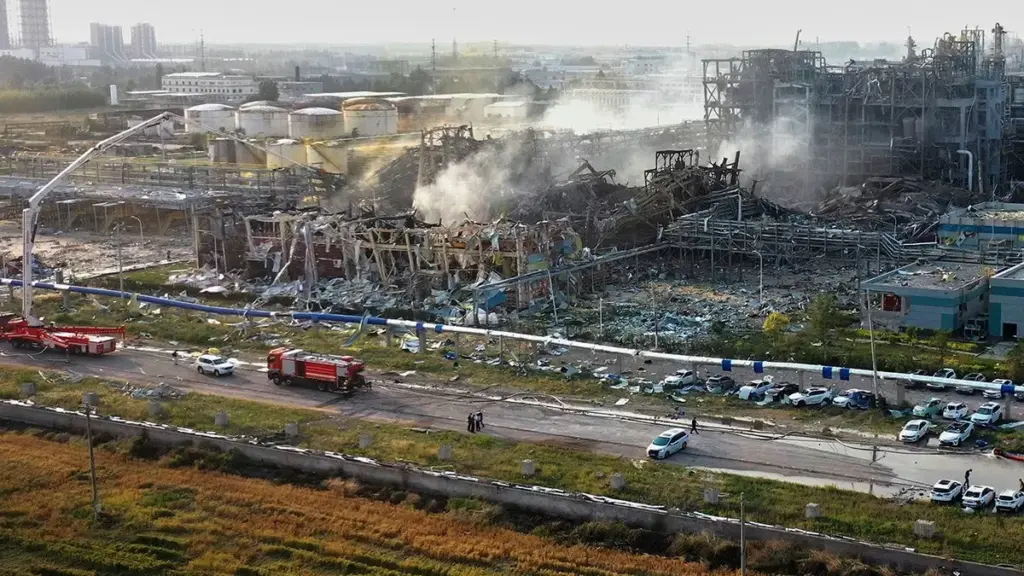
On a fateful day in 2023, a catastrophic event known as the China factory explosion shook the northern region of Inner Mongolia, tragically claiming the lives of two individuals and injuring 84 others. This alarming industrial accident China reported occurred at the Baogang United Steel plant around 3:00 PM local time, sending shockwaves felt beyond the facility. Eyewitness accounts and dramatic online footage depicted a fiery blast that released thick plumes of smoke into the atmosphere, leaving behind a scene of devastation and debris. With eight individuals still unaccounted for and five hospitalized with severe injuries, the urgency for investigation into the cause of this incident cannot be overstated. As news spreads and reactions pour in regarding this factory safety incident, the focus remains on ensuring accountability and preventing future tragedies related to industrial operations.
In recent events, an explosive incident at a manufacturing facility in China has drawn significant attention, highlighting the urgent need for improved safety measures in industrial sites. The Inner Mongolia factory blast at Baogang United Steel underscores the severe consequences of lapses in operational protocols, as the Chinese community grapples with the impact of such dangerous occurrences. Following the rise of factory-related hazards, including various explosions, there is a pressing demand for rigorous assessments and regulations to prevent further industrial catastrophes. This tragic accident reflects a broader concern regarding industrial safety standards in China, an issue that has haunted the nation for years. As discussions regarding the factory explosion of 2023 unfold, the hope is to promote a safer working environment for all.
Overview of the Baogang United Steel Explosion
The tragic explosion at the Baogang United Steel plant has raised significant concerns about factory safety incidents in China. On a fateful Sunday afternoon, the blast, which occurred around 3:00 PM, not only claimed the lives of two individuals but also left numerous others injured and several unaccounted for. As the investigation unfolds, this event is a stark reminder of the industrial risks faced in manufacturing environments, particularly in sectors dealing with heavy metals and chemicals.
Eyewitness accounts and footage from the scene show immense clouds of smoke billowing into the sky, illustrating the magnitude of the explosion. The physical damage extends beyond the immediate vicinity, with the tremors felt across the surrounding community, prompting an emergency response. The aftermath highlights the critical need for stringent safety protocols in industrial operations to prevent such catastrophic occurrences in the future.
Impact of Industrial Accidents on Communities in China
Industrial accidents, such as the one at Baogang United Steel, have far-reaching impacts on local communities in China. These events do not only pose a direct threat to the health and safety of factory workers but also affect residents living nearby. The psychological toll, combined with physical injuries, fosters an environment of fear and uncertainty regarding the safety of living near industrial operations.
Moreover, incidents like this contribute to significant economic repercussions. Families may lose their primary breadwinners, and communities face potential long-term declines in local economies. The aftermath often includes legal battles, community protests, and calls for stricter regulations to enhance factory safety, thus changing the landscape of industrial operations in China.
Previous Examples of Factory Explosions in China
The Baogang explosion is one of many industrial accidents that have ravaged parts of China over the years. A notable instance occurred in 2015 when two major explosions rocked the port of Tianjin, claiming 173 lives and leaving countless others injured. These incidents underscore the critical nature of maintaining safety in high-risk environments across the industrial sector.
Similarly, just last year, a chemical plant explosion in Shandong led to tragic casualties and raised alarms regarding operational safety standards. Each of these events calls into question the effectiveness of existing regulations and the commitment to advancing safety protocols within industrial facilities.
The Need for Enhanced Safety Regulations in China’s Factories
The tragic consequences of explosions like that of Baogang United Steel reveal an alarming need for enhanced safety regulations across China’s factories. A comprehensive review of safety protocols is essential to minimize the risk of future incidents. Governments and regulatory bodies must work collaboratively with industrial entities to implement more robust safety training, regular inspections, and emergency response strategies.
Investing in safety technology and systems can drastically reduce the likelihood of accidents occurring. By prioritizing worker safety and adhering to global best practices, China can mitigate the risks associated with industrial work and protect both its workforce and surrounding communities from tragedy.
Investigation into the Cause of the Baogang United Steel Explosion
Following the explosion at Baogang United Steel, authorities have pledged a thorough investigation to uncover the underlying causes. Preliminary assessments focus on possible negligence in adhering to safety protocols or defects in machinery that may have contributed to this catastrophic event. Understanding the root cause is essential for preventing future incidents and holding responsible parties accountable.
Moreover, the investigation will likely involve analyzing past incidents and patterns related to industrial accidents in China. Such analysis could yield valuable insights that will support the development of more stringent regulations and safety measures in the future.
Community Response to the Baogang United Steel Incident
In the wake of the Baogang explosion, the local community has banded together to support victims and their families during this difficult time. Community leaders and organizations are stepping up to offer assistance, ranging from providing medical support to organizing fundraisers for those affected by the tragedy. This sense of solidarity illustrates the resilience of communities when faced with industrial disasters.
The incident has also sparked dialogues regarding the importance of workplace safety, with many residents calling for more stringent regulations to protect workers in high-risk industries. The collective response serves not only as a means of healing but also as a catalyst for change, driving home the significance of preventive measures and the need for accountability within industrial operations.
The Role of Media in Reporting Industrial Accidents
The media plays a crucial role in shaping public perception and response to industrial accidents like the one at Baogang United Steel. Prompt and thorough reporting helps to keep the community informed about developments, including casualty numbers, safety measures being enacted, and the results of ongoing investigations. Moreover, it brings attention to the greater issue of industrial safety in China, fostering discussions that could lead to meaningful reforms.
Additionally, media coverage helps to hold companies accountable by highlighting deficiencies in safety protocols and corporate responsibility. Comprehensive reporting can serve as a tool for advocacy, urging both the public and policymakers to prioritize workplace safety and make impactful changes that prevent future tragedies.
Learning from Past Industrial Accidents
Reflecting on past industrial accidents, such as those in Tianjin and Shandong, provides valuable lessons for preventing future calamities. The recurrent nature of such incidents emphasizes the need for continuous improvement in safety standards and regulations. Each explosion serves as a critical reminder that complacency can lead to disastrous consequences.
Implementing lessons learned from previous accidents can create a safer working environment for industrial workers across China. By analyzing what went wrong in past incidents and addressing those issues proactively, industries can enhance their practices significantly and ensure the health and wellbeing of their workforce.
Future Prospects for Industrial Safety in China
As China braces itself for a thorough examination of its industrial safety protocols, the prospects for improvement are cautiously optimistic. With the international community watching closely, there is significant pressure to enact reforms that prioritize the lives and safety of workers. This could involve stricter enforcement of regulations and higher standards for accident prevention.
The focus on safety could lead to an evolution in industrial practices, where technology and innovation play essential roles in enhancing safety measures. Companies are increasingly recognizing that investing in safety is not just a moral obligation, but also a sound business decision that can prevent losses and enhance their reputation.
Frequently Asked Questions
What caused the Baogang United Steel explosion in Inner Mongolia?
The exact cause of the Baogang United Steel explosion is currently under investigation. Explosions in industrial settings often result from equipment failure, human error, or inadequate safety measures. The recent blast in Inner Mongolia, which injured 84 people and led to the deaths of two, highlights ongoing safety concerns in China’s factories.
What are the safety measures in place to prevent factory explosions in China?
Factory safety measures in China range from regular safety audits to mandatory training for employees on handling hazardous materials. However, despite these measures, industrial accidents like the recent Baogang United Steel explosion still occur, indicating a need for improved enforcement and safety protocols in the manufacturing sector.
How many people were affected by the recent industrial accident in China?
The recent industrial accident at the Baogang United Steel plant resulted in two fatalities, 84 injuries, and eight individuals remaining missing. The impact of such accidents can be extensive, affecting not only those directly involved but also surrounding communities.
What historical context is there for industrial accidents in China?
China has a troubling history of industrial accidents, including significant events like the Tianjin explosions in 2015 that killed 173 individuals. The Baogang United Steel explosion adds to a long list of incidents, prompting concerns about factory safety regulations and practices within the country.
What updates are available on the China explosion news 2023?
As of the latest updates on the China explosion news 2023, the Baogang United Steel explosion has led to ongoing investigations by authorities to determine its cause. The incident has raised awareness of safety conditions within industrial facilities across the country.
What are the consequences of the Inner Mongolia factory blast?
The consequences of the Inner Mongolia factory blast at Baogang United Steel include two confirmed fatalities, 84 injured workers, and at least eight people missing. Additionally, this incident may lead to stricter safety regulations and investigations into the practices of the steel industry in China.
What can be learned from the Baogang United Steel explosion?
Key lessons from the Baogang United Steel explosion include the urgent need for enhanced safety measures in factories and continuous training for workers on emergency preparedness. The incident underscores the importance of stringent regulatory oversight to prevent such tragic events in the future.
| Key Points |
|---|
| A factory explosion in northern China killed two people and injured 84 others, with eight individuals still missing. |
| The explosion occurred at Baogang United Steel plant in Inner Mongolia at around 3:00 PM local time. |
| The blast created large clouds of smoke and debris, causing ground tremors in the area. |
| At least five hospitalized individuals sustained serious injuries. |
| Authorities are investigating the cause of this explosion. |
| China has a history of industrial accidents, including past factory explosions and mine collapses. |
| Notable past incidents include the 2015 Tianjin explosions and a chemical plant explosion in Shandong in May 2022. |
Summary
The recent China factory explosion at the Baogang United Steel plant has highlighted the critical safety concerns associated with industrial operations in the country. With two confirmed deaths and many others injured or missing, this incident raises serious questions regarding safety protocols within Chinese factories. As investigations unfold, it underscores the urgent need for stringent safety measures to prevent such tragedies in the future.