Listen to this article
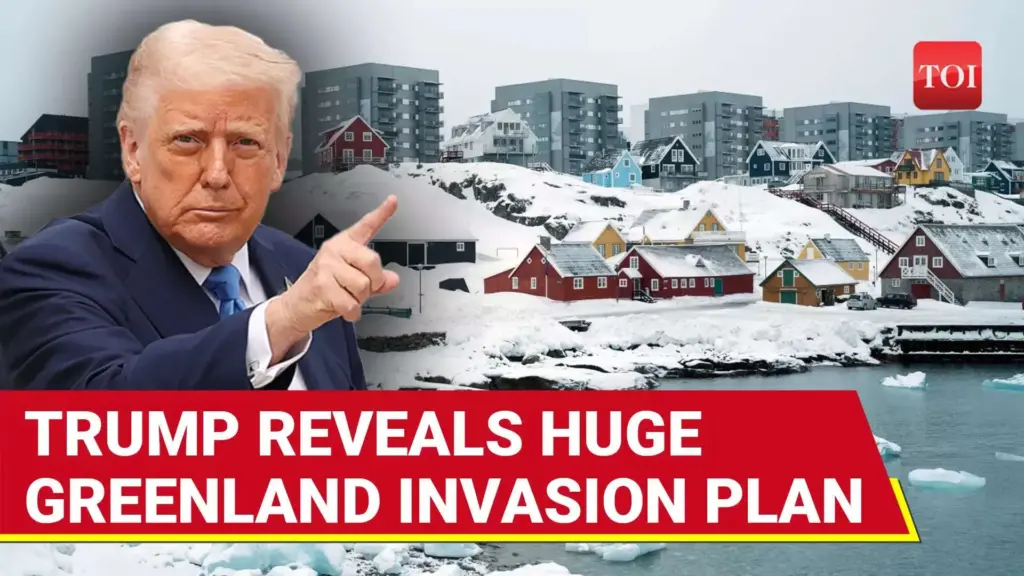
In light of recent developments, Donald Trump’s Greenland Threat has captivated international attention and raised eyebrows within diplomatic circles. His audacious proposal to pressure Western allies into silence regarding the annexation of Greenland under the threat of damaging their trade is a move without historical precedent. This unexpected maneuver not only amplifies existing NATO tensions in 2023 but also signifies a remarkable shift in economic relations between the US and its allies. Trump’s actions challenge the longstanding frameworks of Canada-US trade relations, leaving other nations grappling with the implications. With this kind of economic threat from Trump, political leaders and allies around the world find themselves questioning the future of cooperation in the West, as they contemplate the true cost of dissent against such bold assertions of power.
The recent controversies surrounding President Trump’s intentions towards Greenland have introduced an intriguing dynamic in international relations. Several observers have dubbed his approach as a potential land grab or territorial claim, sparking a debate that encompasses not only economic strategies but also geopolitical alliances. As worries mount over NATO’s unity, the pressures placed on partners reflect deeper issues within Trump’s dealings with Western influences. Furthermore, with notable shifts in Canada-US trade relations, the broader implications of Trump’s economic coercion are felt far beyond just Greenland. The unfolding situation serves as a reminder of how national ambitions can disrupt age-old alliances and economic partnerships.
Understanding Trump’s Greenland Threat: Economic Warfare Explained
In September 2019, President Donald Trump made waves when he publicly expressed an interest in purchasing Greenland, an autonomous territory of Denmark, leading to bewilderment among his allies and analysts worldwide. Trump’s Greenland threat is often seen as emblematic of a broader strategy where the President leverages economic power to bend nations to his will. By suggesting that countries could face economic repercussions for opposing his plans, Trump appears to be engaging in a form of economic warfare. Such behavior raises questions about the fidelity of traditional alliances, particularly within NATO, and signals a worrying trend for global diplomacy in 2023.
As economic threats from Trump escalate, they threaten to sever not only trade relationships but also the foundational alliances that have upheld the global order since World War II. The unexpected nature of Trump’s Greenland annexation proposal and the coercive undertones implied create an atmosphere of uncertainty. NATO tensions have already been high, and this latest threat could exacerbate the rift, pushing Western allies to reconsider their positions in light of America’s aggressive posturing. The ramifications could lead to fractured diplomatic ties that span beyond just economic issues, hinting at a volatile future for the Western alliance.
Impacts on Canadian-US Trade Relations Amidst Trump’s Threats
Trump’s Greenland threats come at a particularly sensitive time for Canada-US trade relations. Over the past few years, tariffs and trade negotiations have strained these ties, with Canada experiencing a decline in its economic interactions with the US. However, Prime Minister Mark Carney has taken a proactive approach, focusing on diversifying trade partnerships outside of the US, which has resulted in a notable 14% increase in trade with other countries. This pivot to international markets signifies Canada’s resilience in the face of Trump’s aggressive tactics and highlights an emerging strategy for maintaining economic stability in a tumultuous political landscape.
Carney’s recent engagements in China and articulating a vision for a ‘new world order’ further underscores the divergence between Canadian and US trade strategies. While Trump continues to portray a zero-sum game where allies are coerced into compliance, Canada is working to build robust relationships on a global scale, which may ultimately buffer it against US pressures. Observers note that this adaptive approach allows Canada to sidestep potential fallout from Trump’s threats, enabling it to thrive despite the unpredictable nature of the current administration. This juxtaposition between Canada’s diplomatic efforts and Trump’s unilateral threats could redefine North American trade dynamics in the years to come.
The Global Reaction to Trump’s Coercive Strategy
The international community has responded to Trump’s provocative statements with an array of skepticism and concern. Many foreign leaders are left confused and apprehensive about the prospect of economic threats being leveraged against allies. Historically, such coercive tactics—particularly when aimed at partners within NATO—are unprecedented. If a leader from Russia or China were to make similar threats, there would likely be immediate and severe pushback from the global stage. Trump’s actions are prompting questions about the reliability of American leadership and whether allies can trust commitments made under such volatile circumstances.
Moreover, this situation prompts a broader reflection among nations about their economic vulnerabilities and interdependencies. As Trump’s economic warfare strategies come to the forefront, countries may start to rethink their alliances, not only regarding military support but also economic collaborations. The need for a more cohesive and stable approach among Western nations is paramount, especially as global adversaries like China position themselves as influential economic powers. The defensive posture adopted by nations in reaction to Trump’s Greenland threat could ultimately lead to new alliances and economic pacts that counterbalance the current geopolitical climate.
The Future of NATO Tensions and Western Alliances in 2023
As 2023 unfolds, NATO tensions are reaching a critical juncture. Trump’s Greenland threat highlights the fragile nature of the Western alliance, with many forgoing traditional diplomatic channels in favor of aggressive economic posturing. The consequences of such a shift could lead to a re-evaluation of how member states interact, particularly in their approaches to security and economic cooperation. If NATO is to remain relevant, its members must grapple with the implications of an unpredictable American leadership and devise strategies to mitigate potential economic repercussions from their closest ally.
The uncertainty surrounding Trump’s posture prompts reflection on how Western allies can bolster solidarity in the face of internal threats. Strengthening trade agreements and enhancing collaborative defense strategies may be necessary to equip NATO members with the tools to withstand any economic adversity stemming from Trump’s administration. As leaders meet to address these concerns, a cohesive approach that balances national interests and collective security could become pivotal to maintaining the integrity of Western alliances.
Assessing Global Economic Stability Amid Trump’s Threats
Trump’s announcements regarding Greenland and the associated economic threats pose significant questions about global economic stability. The implications of damaging trade relationships with allied nations can trigger cascading effects in the interconnected global market. Countries that rely heavily on trade with the US may find themselves in precarious positions, leading to economic ripple effects that touch all corners of the globe. Analysts warn that any disruption in these long-standing partnerships could jeopardize the established economic order, necessitating a concerted response from the international community to safeguard against mutual detriment.
The prospect of economic warfare waged by the US against its allies is likely to provoke a reassessment of global trade dynamics. Nations may seek to bolster their own economic defenses in response to such threats, exploring alternative partnerships and markets. Although such diversifications could help mitigate the damage caused by US actions, they also carry the potential to create competing economic spheres and heighten tensions between major world powers. Ultimately, the urgency to establish stable, cooperative international trade frameworks could not be more apparent as nations navigate the uncertainties spawned by Trump’s aggressive tactics.
Canada’s Strategic Shift: A Response to Trump’s Threats
In light of Trump’s aggressive economic posturing, Canada has taken bold steps to redefine its trade strategy. Prime Minister Mark Carney’s pivot towards fostering relationships with global partners represents a proactive approach to countering the threats posed by the US. By enhancing trade ties with nations beyond North America, Canada not only mitigates the impact of declining US trade but also positions itself as a key player in the new world order amid rising tensions between Canada and the US. This strategic shift is symptomatic of a broader trend among Western allies who are reevaluating their dependencies on American economic power.
The implications are twofold: on one side, Canada’s diversification efforts may bolster its economy despite US pressures; on the other, it sends a clear message to the Trump administration that coercive tactics might not yield the compliance it seeks. By establishing stronger economic ties with countries like China and enhancing communication with other international trading partners, Canada is asserting its autonomy. Such moves strategically buffer Canada against potential economic warfare and present a united front amongst its allies who may also be navigating similar dilemmas in the context of Trump’s unpredictability.
The Surreal Nature of Trump’s Greenland Proposal
Trump’s proposition to annex Greenland raises eyebrows not only for its outlandishness but for the dangerous implications it conveys regarding international norms. The suggestion alone resembles something more akin to imperial whimsy than responsible governance. As nations reflect on the potential reality of such an unprecedented demand, the global community collectively holds its breath, wondering how the emerging dynamics might unfold. The surreal nature of Trump’s proposal raises significant questions about the future of diplomacy and the conduct of world leaders, who may be challenged to respond to scenarios that seem to reach beyond the bounds of geopolitical reason.
As various global leaders assess their own positions in light of Trump’s Greenland threat, the surrealism of the situation continues to permeate discussions on international diplomacy. The response from NATO allies reflects an underlying confusion about how to address such an unorthodox approach from the United States. As discussions progress, the importance of maintaining a foundation in diplomatic relations will be crucial. Realigning the expectations for engagement amidst threats like Trump’s could redefine the parameters for future negotiations and collaboration, urging nations to strengthen their commitments to one another in a landscape fraught with uncertainty.
Moving Forward: Cultivating Economic Resilience Against President Trump
Navigating Trump’s Greenland threat requires a proactive outreach among Western allies to solidify their collective economic resilience. Countries must prioritize creating frameworks that can withstand potential pressures exerted by the US administration, fostering greater intra-allied trade and collaboration. Crafting strategic agreements that enhance economic ties among NATO members can not only mitigate the impact of tariffs and threats but also reaffirm the commitment to mutual support in challenging times. Such measures are integral to fortifying the alliance against future economic turmoils driven by unilateral threats from Trump.
The necessity for a united front is underscored by the sheer unpredictability of Trump’s administration and its penchant for using economic power as a political tool. This prevailing volatility is not just a challenge but an opportunity for member countries to reinvent their economic strategies. By promoting cooperative policies that reinforce economic ties and mutual agreements, NATO can navigate the complexities introduced by Trump with a shared vision for stability and growth. The potential for increased collaboration among Western allies will ultimately decide how they confront such economic threats and ensure their collective future.
Frequently Asked Questions
What are the implications of Trump’s Greenland annexation threats for NATO tensions in 2023?
Trump’s Greenland annexation threats have significantly escalated NATO tensions in 2023. By using coercive tactics against Western allies, including potential economic repercussions, the stability of the alliance is called into question. Such actions could lead to fractures within NATO, impacting collective security and collaboration among member states.
How does Trump’s Greenland threat affect Canada-US trade relations?
The threat of annexation made by Trump regarding Greenland has strained Canada-US trade relations. As the US imposes economic threats, Canada has sought to diversify its trade partnerships, leading to a 14% increase in its trade with other nations, such as China, as Prime Minister Mark Carney aims for a new economic strategy to counterbalance losses from the US.
Can Trump’s economic threats regarding Greenland influence the support of Western allies?
Yes, Trump’s Greenland economic threats could fracture the support of Western allies. By publicly threatening trade repercussions for opposing his annexation proposal, Trump risks alienating allies, making them reconsider their positions and potentially leading to a reevaluation of their commitments to the US.
What reactions have international leaders shown to Trump’s Greenland annexation proposal?
International leaders have shown confusion and concern towards Trump’s Greenland annexation proposal. Many are baffled by the audacity of such a threat against an ally, leading to discussions about the reliability and decision-making processes of the US under Trump’s administration.
Could the world respond differently if Trump’s Greenland Threat were posed by China or Russia?
If China or Russia had posed a Greenland annexation threat similar to Trump’s, the global response would likely be vastly different. Such a move would be perceived as aggressive expansionism, drawing widespread condemnation and potentially unified opposition from Western nations against these countries, highlighting the unique expectations surrounding US diplomacy.
How might the US’s handling of Trump’s Greenland Threat impact international trade relations?
The US’s approach to handling Trump’s Greenland Threat may have enduring impacts on international trade relations. If allies perceive the US as unreliable due to coercive economic tactics, they may seek alternative trade partnerships, leading to shifts in global economic alliances and the potential diminishing of US influence.
What does the situation around Trump’s Greenland Threat indicate about US foreign policy?
The situation regarding Trump’s Greenland Threat reveals a departure from traditional US foreign policy norms, showcasing aggressive economic strategies that prioritize unilateral bargaining. This marks a significant shift towards a more confrontational stance that could alienate allies and redefine the US’s role in global diplomacy.
What alternative strategies have Western allies taken in response to economic threats from Trump?
In response to Trump’s economic threats, Western allies, particularly Canada, have pursued alternative strategies such as diversifying trade relationships. For instance, Canada’s increased trading efforts with countries like China display a commitment to building a resilient economic strategy less dependent on US relations.
| Key Points of Trump’s Greenland Threat | ||
|---|---|---|
| Threat of Annexation | Economic Coercion | International Relations Impact |
| Trump’s intent to annex Greenland presents a coercive threat to Western allies. | Use of economic threats targets NATO allies, heightening tensions. | Risks fracturing NATO and relationships with allies due to unexpected actions. |
| Comparison to Previous Economic Threats | Canada’s Trade Response | Global Reaction to Threats |
| This threat is unprecedented in nature compared to Trump’s past actions. | Canada has managed to divert trade successfully amidst US threats. | Other nations question the stability of US leadership after such statements. |
Summary
Trump’s Greenland Threat has raised significant concern over the potential for coercive economic strategies aimed at Western allies. The idea of threatening allies to prevent opposition to an annexation is without precedent and has the potential to destabilize key international relationships. As countries like Canada respond by strengthening their trade ties outside the US, the implications of such behavior from the US may lead to long-term repercussions for global diplomacy and trade.