
Listen to this article
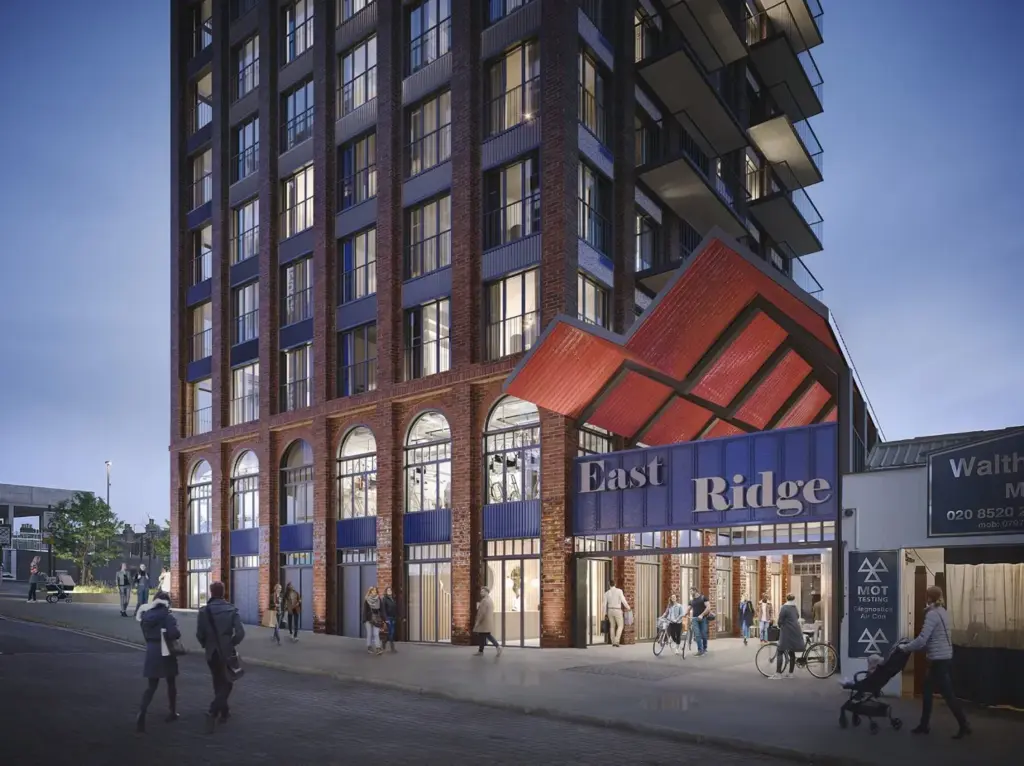
Walthamstow apartment approvals have taken a significant step forward with the recent green light given to an innovative housing project on Hoe Street. The Waltham Forest planning committee endorsed plans for an impressive 18-storey tower that will introduce 66 new built-to-rent apartments to the area, addressing the pressing need for affordable housing in Walthamstow. This development is designed to include a mix of one, two, and three-bedroom units, with 17 designated as affordable, providing housing options for families struggling to find homes at market rates. As part of a broader strategy to enhance Walthamstow housing development, this project aims to integrate additional commercial spaces on the ground floor, fostering a vibrant community atmosphere. The approval marks a significant milestone for the borough, as it aligns with local efforts to tackle housing shortages while respecting the character of the surrounding neighborhood.
The recent endorsement of the apartment complex in Walthamstow highlights a crucial phase in local urban development initiatives aimed at expanding residential options. This significant project on Hoe Street proposes the construction of a substantial built-to-rent tower, contributing to the borough’s affordable housing goals and redefining the fabric of the community. With an emphasis on creating long-term housing solutions, the planning committee of Waltham Forest is not only addressing market demand but also championing sustainable living spaces that integrate shops and amenities. This multifaceted approach supports the ongoing transformation of Walthamstow into a thriving urban hub, as officials encourage innovative housing projects tailored to diverse family needs. By prioritizing affordability and community engagement, the council is setting a precedent for future developments that embrace both growth and quality of life.
Walthamstow Apartment Approvals: A Step Forward in Housing Development
The recent approval of an 18-storey tower in Walthamstow by the Waltham Forest planning committee marks a significant stride towards addressing the housing crisis in the borough. This project, also known as the Hoe Street project, will introduce 66 new built-to-rent apartments, enhancing the array of housing options available to Walthamstow residents. The planning committee’s decision reflects a growing recognition of the need for diverse housing solutions amid the rising demand for affordable housing in Walthamstow.
Among the newly approved apartments, 17 units will be designated as affordable housing, specifically catered to families struggling to afford market-rate rents. By integrating built-to-rent homes into the local landscape, this initiative aims to foster community growth and provide sustainable living conditions. Furthermore, with the construction of retail spaces on the ground floor, the development promises to invigorate the local economy.
The Hoe Street Project: Transforming Walthamstow’s Skyline
The Hoe Street project’s height and scale have provoked mixed reactions from local residents, yet it is designed to complement the existing urban fabric of Walthamstow. While the 18-storey tower will introduce a significant architectural presence, planning officials assure that it will blend cohesively with nearby structures like Juniper House and Gateway Apartments. The assessment of its visual impact underscores a commitment to maintaining the area’s character while providing much-needed built-to-rent apartments.
Despite some objections concerning the perceived overbearing nature of the tower, the planning committee has weighed the development’s public benefits against potential disruptions. The strategic location of this project, which is outlined in the Borough’s draft Local Plan as suitable for taller buildings, highlights the council’s ambition to develop Walthamstow’s urban environment. Enhancements such as increased urban greening and community space further aim to elevate living standards for incoming families.
Affordable Housing in Walthamstow: Addressing the Needs of Families
As the demand for affordable housing intensifies in Walthamstow, this new development responds directly to the urgent needs of families who find themselves priced out of the market. The planning committee’s decision to allocate 17 apartments as affordable housing illustrates a targeted approach to alleviate housing stress in the area. By providing options for families, the project intends to create a more inclusive community, grappling with the growing challenges of housing insecurity.
Moreover, the council’s eagerness to prioritize affordable housing initiatives reflects broader social objectives. Investments in community spaces and playgrounds, supported by the applicant’s contribution of £100,000, indicate a commitment to enhancing the quality of life for future residents. These strategic developments aim to foster a sense of belonging and stability, essential for families transitioning into the area.
Community Reaction to Walthamstow’s Housing Development
The community’s response to the Hoe Street project has been mixed, with several residents expressing concerns regarding the tower’s impact on their quality of life. Critics argue that the new structure may obstruct views and exacerbate issues related to privacy and light. One resident’s testimony underscores these sentiments, highlighting fears of a diminished living environment and potential safety concerns. However, the absence of objectors at the planning meeting suggests a degree of acceptance among the broader community.
Despite the objections, the planning committee has taken a comprehensive approach, validating the project’s merits through independent assessments. The assurances of an improved design, enhanced fire safety, and urban greenery indicate that the council is actively trying to address community concerns. Balancing development and community needs is crucial as Walthamstow evolves, and ongoing dialogue will remain essential in aligning growth with residents’ expectations.
The Future of Built-to-Rent Apartments in Walthamstow
Built-to-rent apartments are increasingly seen as a viable solution to the housing crisis affecting many urban areas, including Walthamstow. This model offers a flexible living arrangement that appeals to a demographic of young professionals and families seeking stability without the pressures of home ownership. The Hoe Street project exemplifies this trend, creating a substantial number of rental units that accommodate a range of lifestyles while promising a managed living environment.
As Waltham Forest faces rising demands for housing solutions, the success of the Hoe Street project could pave the way for subsequent built-to-rent developments. Local planners are likely to look towards similar projects as a means of sustaining growth while responding to the community’s diverse needs. This paradigm shift in housing development—focusing on rental units rather than ownership—could redefine Walthamstow’s residential landscape.
Regulatory Framework for Housing Development in Walthamstow
The approval process for new housing developments in Walthamstow is governed by a comprehensive regulatory framework, primarily outlined in the council’s draft Local Plan. This plan not only identifies suitable sites for development but also sets specific criteria aimed at ensuring that new buildings meet community standards and expectations. The Hoe Street project’s resolution reflects the committee’s adherence to these regulations while addressing the pressing need for housing.
Changes in regulations have necessitated adaptive measures throughout the planning process, ensuring that the development complies with safety standards and community requirements. The introduction of additional fire safety features and private outdoor spaces signify a responsiveness to evolving needs in housing design. The council’s agility in navigating this regulatory landscape is critical as Walthamstow continues to balance urban development with residents’ welfare and aspirations.
Sustainability Initiatives in Walthamstow’s Housing Projects
Sustainability is becoming an integral component of housing developments in Walthamstow, with emerging projects prioritizing eco-friendly designs and practices. The Hoe Street project aims to incorporate urban greening strategies that enhance not just aesthetic appeal but also environmental health. Such initiatives are vital as urban areas contend with climate change, and they demonstrate a commitment to creating resilient communities in Walthamstow.
In addition, integrating sustainable features into new developments—like energy-efficient systems and green rooftops—not only benefits the environment but also reduces living costs for residents. As more projects embrace sustainability, Walthamstow could position itself as a leader in eco-conscious urban development within the borough. The collaborative efforts of the planning committee and developers will be key in realizing sustainability goals while accommodating growth.
Economic Impact of New Housing Developments in Walthamstow
New housing developments in Walthamstow, such as the Hoe Street project, play a crucial role in stimulating the local economy. By providing built-to-rent apartments and commercial spaces, this project is poised to generate jobs and bolster local businesses. Increased foot traffic from new residents will likely benefit existing shops and services, fostering a vibrant community atmosphere that attracts further investment.
Furthermore, the financial contributions associated with new developments, such as funds directed towards playgrounds and community amenities, exemplify a commitment to enhancing local infrastructures. As more residents are drawn to the area due to its appealing mixed-use developments, Walthamstow stands to gain economically, paving the way for further urban developments that can address ongoing housing and community needs.
Frequently Asked Questions
What is the status of Walthamstow apartment approvals for the Hoe Street project?
As of January 13th, 2023, the Waltham Forest planning committee approved the Hoe Street project, which includes an 18-storey tower with 66 new built-to-rent apartments in Walthamstow.
How many of the new Walthamstow apartments will be designated as affordable housing?
In the newly approved Walthamstow apartment development, 17 apartments will be categorized as ‘affordable housing,’ targeting families who cannot afford market-rate homes.
What types of units will the Walthamstow apartment development include?
The Walthamstow apartment development will consist of 28 one-bedroom units, 34 two-bedroom units, and four three-bedroom units as part of the Hoe Street project.
Are the built-to-rent apartments in Walthamstow privately owned by residents?
No, the built-to-rent apartments in Walthamstow, part of the Hoe Street project, cannot be owned by residents and will be managed by professional landlords instead.
What are the community benefits of the Walthamstow apartment approvals?
The planning approval for Walthamstow apartments stipulates a £100,000 contribution to nearby playgrounds, enhancing community amenities for families moving into the area.
How will the Hoe Street project impact the existing urban landscape in Walthamstow?
The Hoe Street project aims to blend into the existing urban landscape, as it is part of a cluster of tall buildings. Planning officials state that the new 18-storey tower will cause only a minor loss of open skyline while contributing to the area’s housing supply.
What safety improvements have been made in the Walthamstow apartment development?
The approved Walthamstow apartment development includes a second staircase for enhanced fire safety, reflecting the council’s commitment to ensuring the well-being of future residents.
What will happen to the existing building on the Walthamstow apartment site?
The current two- and three-storey building on the Walthamstow apartment site, which dates back to the 1880s, will be demolished to make way for the new Hoe Street tower.
How did locals react to the Walthamstow apartment approvals?
Before the approval of the Walthamstow apartments, six formal objections were submitted by locals concerned about the tower’s overbearing height and its potential impact on their environment.
What does the Waltham Forest planning committee hope to achieve with the Walthamstow housing development?
The Waltham Forest planning committee aims to create more permanent housing, specifically through developments like the Walthamstow apartment project, in response to growing demands for affordable living options.
| Key Point | Details |
|---|---|
| Project Approval | An 18-storey tower consisting of 66 new apartments in Walthamstow has been approved by the Waltham Forest Council. |
| Apartment Breakdown | The tower includes 28 one-bedroom, 34 two-bedroom, and 4 three-bedroom apartments, with 17 categorized as affordable housing for families. |
| Built-to-Rent Housing | Residents will not own these apartments, as they are managed by professional landlords. |
| Commercial Space | Ground floor spaces will be dedicated to new shops and commercial areas. |
| Community Impact | The planning committee emphasized that community benefits outweigh objections, despite 6 formal objections received. |
| Design Improvements | The revised design includes enhanced fire safety measures and urban greening. |
| Financial Contributions | The applicant will contribute £100,000 to improve nearby playgrounds. |
| Heritage Asset | The existing building on site, built in the 1880s, is not statutorily listed and will be demolished. |
Summary
Walthamstow apartment approvals mark a significant step toward increasing housing availability in the borough. The recent decision by the Waltham Forest Council to approve a new 18-storey tower with 66 apartments highlights the council’s commitment to addressing housing needs, particularly for families in need of affordable options. The project not only promises new homes but also revitalization of the neighborhood with commercial spaces and community improvements. As communities grow, balancing development with resident concerns remains essential.