Listen to this article
Avalanche deaths in Austria have tragically surged following a series of recent incidents in the Alps, underscoring the perils of winter sports. Five off-piste skiers lost their lives to avalanches, with the most devastating occurring in the Pongau region near Salzburg. Such unfortunate events highlight the ongoing concern surrounding Austria skiing accidents, particularly in light of heavy snowfall that has made mountainous regions perilous. With the winter sports season in full swing, many enthusiasts need to remain vigilant about outdoor safety skiing to prevent further tragedies. As the nation grapples with these fatalities, the Alps avalanche news serves as a sobering reminder of the risks that come with adventure in such stunning yet dangerous environments.
The recent escalation in avalanche-related fatalities in Austria, particularly in the beautiful Alps, has raised alarm among outdoor enthusiasts and safety officials alike. The harsh winter weather has turned popular skiing destinations into hazardous terrains, causing numerous accidents among adventurers seeking thrill and excitement. As reports of these incidents circulate, there is an urgent call for increased awareness about the dangers of off-piste skiing and the importance of avalanche safety. Measures and strategies surrounding winter sports fatalities are now more critical than ever, especially with tragic cases like the Pongau avalanche incident grabbing headlines. With the stakes so high, ensuring that skiers are informed and prepared could potentially save lives in future seasons.
Avalanche Deaths in Austria: A Grim Reality
The recent spate of avalanche deaths in Austria highlights the grave dangers faced by skiers venturing into off-piste areas. Five skiers lost their lives in two separate avalanches in the Pongau region, underscoring the perilous conditions created by heavy snowfall. According to mountain rescue teams, the tragedy serves as a stark reminder of the risks associated with winter sports and skiing accidents. With multiple fatalities reported across the Austrian Alps this season, it’s clear that both skiers and outdoor enthusiasts must prioritize safety in the backcountry.
As avalanches become more prevalent with changing weather patterns, understanding avalanche risks is essential for anyone engaging in winter sports. Local authorities and mountain rescue officials have been emphasizing the need for awareness regarding outdoor safety while skiing. The recent incidents, including the heartbreaking losses in Pongau, have prompted calls for ski resorts to implement better information dissemination regarding avalanche warnings and safe skiing practices, particularly for those who enjoy off-piste terrain.
Understanding Avalanche Risks and Safety Measures
Avalanches can occur with little warning, often triggered by natural conditions such as heavy snowfall or rapid temperature changes. Skiers must be educated on how to read avalanche forecasts and recognize signs that indicate an unstable snowpack. The fatal incidents in Austria have sparked discussions among both skiers and authorities about enhancing preventive measures related to avalanche dangers. Utilizing gear such as avalanche beacons, shovels, and proper safety training can significantly reduce the risk of fatalities for those participating in winter sports.
Increased awareness surrounding avalanche safety is crucial, especially in regions like the Alps, where skiing accidents have surged. Tour operators and ski schools are encouraged to incorporate thorough instruction about outdoor safety into their programs, ensuring novice and experienced skiers alike are equipped to recognize unsafe conditions. Additionally, organizations like the avalanche warning services must continue to provide timely and accurate information to prevent further tragedies, particularly in light of recent events that devastated families across Austria.
The Pongau Avalanche Incident: Lessons to Learn
The Pongau avalanche incident serves as a pivotal case for examining safety protocols and education for skiers venturing into backcountry terrain. In a matter of hours, the region faced two separate avalanches that led to five fatalities, signaling an urgent need to reevaluate risk communication. Skiers often underestimate the dangers of tackling unmarked routes, which can lead to tragic outcomes as seen in recent weeks. Learning from the Pongau incident is crucial for preventing future tragedies in similar winter sports contexts.
In the wake of the Pongau tragedies, local authorities must engage in discussions regarding the implementation of stricter guidelines for off-piste skiing. Initiatives such as mandatory avalanche training or the establishment of designated safe skiing zones could play a significant role in preventing similar incidents. As the number of winter sports fatalities rises, the skiing community must collectively foster a culture of safety, leading to more informed decisions when facing backcountry challenges.
Winter Sports Fatalities: Trends and Statistics
The rising trend in winter sports fatalities, particularly due to avalanches, raises alarm within the international skiing community. With numerous high-profile incidents reported in the Alps over the past weeks, it’s essential to analyze statistics that reveal the increasing risks associated with skiing in off-piste areas. Understanding these figures not only sheds light on the dangers present but also fuels the urgency for awareness campaigns that can save lives in the long run.
Statistical data suggests that a significant proportion of skiing accidents occur away from marked trails, where avalanche risks are inherently higher. With tragic outcomes like those observed in the Pongau and surrounding regions, it becomes clear that both skiers and snowboarders must engage in thorough preparation before hitting the slopes. Enhanced safety education and strategic collaborations with local ski resorts could help disseminate vital information to skiers, ultimately reducing fatalities associated with winter sports.
The Impact of Heavy Snowfall on Avalanche Risk
Heavy snowfall significantly contributes to avalanche risk, creating unstable snow conditions that can prove deadly for unprepared skiers. In recent weeks, Austria has witnessed record amounts of snowfall, resulting in numerous avalanche alerts throughout the Alps. As witnessed in the recent Pongau incident, skiers who venture out during such conditions without proper gear and knowledge are putting their lives at risk. Understanding the correlation between weather conditions and avalanche occurrences is crucial for anyone participating in winter sports.
Moreover, the impact of heavy snowfall extends beyond immediate avalanche risks; it can also influence how ski resorts manage their terrain and safety protocols. Skiers must remain vigilant during periods of intense snowfall, as even experienced backcountry enthusiasts can be caught off guard. Promoting awareness about avoiding dangerous areas during heavy snowfall can help reduce the chance of fatal accidents and support safer outdoor recreational activities.
Early Warning Systems: The Future of Avalanche Safety
Advancements in technology have led to the development of early warning systems that can predict avalanche risk more accurately. These systems utilize data on weather patterns, snowpack conditions, and terrain characteristics to inform skiers of potential dangers. In light of the recent avalanche incidents in Austria, including the tragic losses in Pongau, the implementation of these systems could prove instrumental in improving outdoor safety for skiing enthusiasts. As data analytics and real-time monitoring technology evolve, they may become essential tools in the fight against winter sports fatalities.
Properly integrating early warning systems into ski resort operations can provide skiers with the necessary information to make informed decisions. Public education campaigns about how to interpret these warnings could also be beneficial. As seen recently in avalanche news from the Alps, the effectiveness of these systems relies heavily on skier compliance and understanding of posted warnings. Consequently, ski resorts must prioritize these initiatives to enhance the overall safety and experience of winter sports participants.
Emergency Response Coordination in Avalanche Situations
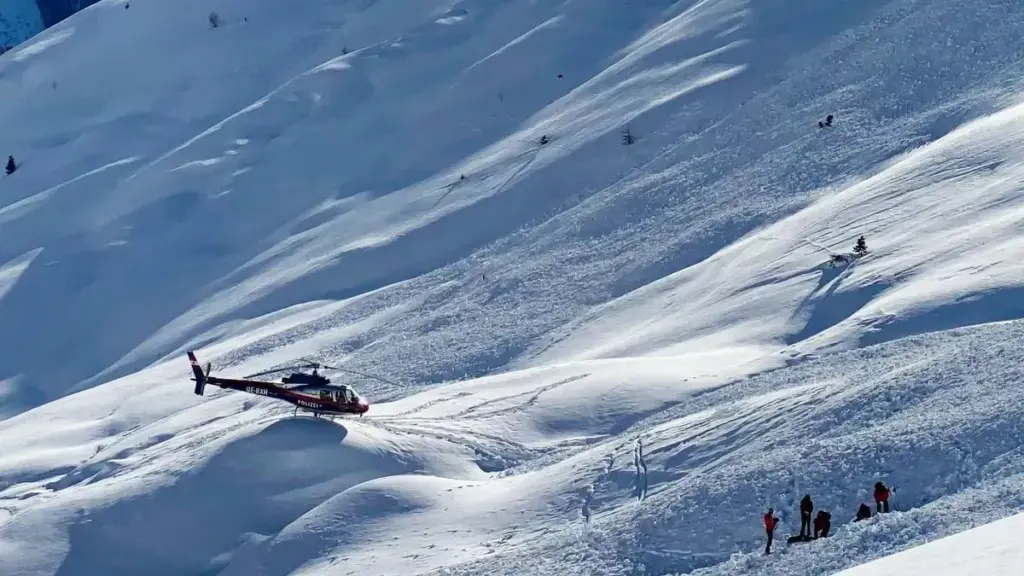
In the wake of avalanche tragedies, the coordination of emergency response teams becomes critical for enhancing survival rates among victims. The tragic events in Austria exemplify this need, as rapid response can make a significant difference when lives are on the line. Local mountain rescue teams, equipped with specialized training and equipment, are often first responders to avalanche incidents. Their ability to swiftly navigate challenging terrains can be crucial in the aftermath of such events.
Effective communication and collaboration among mountain rescue services, ski patrols, and local authorities are essential for successful emergency response. Training sessions and drills that simulate avalanche scenarios can prepare teams for real-life situations. Furthermore, educating the skiing community about the importance of staying within designated areas can help reduce the number of incidents that require emergency assistance, ultimately leading to safer skiing experiences during winter sports seasons.
The Role of Skier Education in Preventing Accidents
Education plays a pivotal role in preventing skiing accidents, particularly in high-risk areas like the Austrian Alps. Recent incidents have shown that many skiers are unaware of the risks associated with off-piste skiing. Integrating comprehensive safety courses into ski education can help nurture a more knowledgeable skiing community. Emphasizing the importance of understanding avalanche conditions and adhering to safety guidelines is crucial for minimizing winter sports fatalities.
Ski resorts and outdoor organizations have a responsibility to provide resources and training opportunities to skiers of all levels. Whether through courses that cover avalanche awareness, use of safety gear, or rescue techniques, skier education can dramatically improve survival rates in avalanche scenarios. The lessons learned from tragic incidents can be translated into proactive approaches that empower skiers to make safer choices on the slopes.
Reflecting on Tragic Losses: The Human Cost of Avalanches
The tragic loss of lives due to avalanches in Austria serves as a poignant reminder of the human cost of winter sports accidents. Each incident involves not just the victims but also families and communities left to mourn. The stories behind each skier lost in avalanches, such as those in Pongau, evoke a deep sense of loss, highlighting the need for heightened awareness and preventive measures. Personal accounts and memorials of those who perished can help humanize the statistics and serve as powerful motivators for improving skier safety.
As the ski community reflects on these tragic losses, it is essential to remember that skiing is meant to be an enjoyable activity. In response to the ongoing avalanche situation, there is a collective responsibility to ensure that safety practices evolve alongside the increasing popularity of winter sports. The memory of those lost should inspire a renewed commitment to safety and education, fostering an environment where skiing can be enjoyed without the fear of preventable accidents.
Frequently Asked Questions
What caused the recent avalanche deaths in Austria’s Alps?
The recent avalanche deaths in Austria’s Alps were primarily caused by heavy snowfall, which created unstable snow conditions. On Saturday, two separate avalanches struck in the Pongau area near Salzburg, resulting in the deaths of five skiers. Such conditions have heightened the dangers associated with outdoor safety during skiing in the Alps.
How many avalanche deaths have occurred in Austria recently?
In the recent avalanches in Austria, five skiers have tragically lost their lives. These incidents, particularly in the Pongau region, highlight the serious risks involved in skiing during winter months when snowfall leads to heightened avalanche risks.
What are the risks of skiing off-piste in Austria?
Skiing off-piste in Austria presents significant risks, especially during periods of heavy snowfall. The recent avalanche incidents demonstrate that off-piste skiing can lead to fatalities, as seen in the Pongau avalanche incident where four out of seven skiers were killed. Always prioritize outdoor safety by checking avalanche forecasts and conditions.
What measures can be taken to prevent winter sports fatalities in Austria?
To prevent winter sports fatalities in Austria, individuals should stay informed about avalanche forecasts, avoid skiing in high-risk areas, and utilize avalanche safety equipment like transceivers. Additionally, skiing with a partner and choosing resorts with slope management can enhance overall outdoor safety.
Where did the recent avalanche incidents in Austria occur?
The recent avalanche incidents occurred in the Pongau area near Salzburg, Austria. Two separate avalanches resulted in multiple deaths and injuries, emphasizing the dangers inherent in skiing during heavy snowfall periods within the Alps.
| Event | Details |
|---|---|
| Avalanche Incidents | Two avalanches occurred in the Pongau area of Austria, resulting in five fatalities. |
| Victims | Four skiers died in one avalanche and one skier suffered serious injuries. A female skier was buried in another avalanche. |
| Location | Both incidents happened in the Pongau region near Salzburg. |
| Recent Skiing Conditions | Heavy snowfall has created poor conditions, contributing to several avalanche fatalities in the Alps over the past week. |
| Notable Deaths | A 13-year-old boy and a 58-year-old skier died in separate avalanche incidents on Tuesday and Sunday, respectively. |
Summary
Avalanche deaths in Austria have become a significant concern amidst recent heavy snowfall, which has led to tragic incidents resulting in five fatalities among off-piste skiers. The situation highlights the critical need for safety awareness and precautions in avalanche-prone areas, especially during adverse weather conditions. Local mountain rescue teams are emphasizing the seriousness of the current avalanche risk, indicating that skiers must remain vigilant and informed to prevent further tragedies.