Listen to this article
The Uganda election has garnered significant attention both locally and internationally as President Yoweri Museveni has been declared the winner, extending his lengthy tenure by another five years. With a commanding 72% of the votes, Museveni’s victory has reignited discussions around electoral integrity, especially in light of Bobi Wine’s allegations of voter fraud and ballot stuffing, which he claims undermined the electoral process in Uganda. Recent reports indicate a troubling spike in Uganda election violence, with at least 21 people reportedly killed in the lead-up to the polls, as tensions soared between supporters of the two main contenders. Observers, including those from the African Union, have called the results into question, highlighting discrepancies while downplaying Wine’s claims of electoral misconduct. As the dust settles on the 2023 Uganda election results, the future of the country hangs in the balance, with calls for peaceful protests echoing through the streets amid ongoing unrest.
Recent developments in Uganda’s political landscape have been profoundly influenced by the just-concluded electoral event, often referred to as the national vote. President Yoweri Museveni, who has maintained his rule for four decades, has resoundingly won this election, a move that has sparked widespread discourse about democracy and governance in the nation. His main rival, Bobi Wine, a popular music star turned politician, has vocally challenged the legitimacy of the results, citing serious concerns over election-related violence and the fairness of the electoral process in Uganda. With tensions running high, observers are closely monitoring the aftermath of the elections and the implications these results have on civic freedoms and national stability in the face of escalating unrest and calls for reform.
Understanding the 2023 Uganda Election Results
The 2023 Uganda election results have raised several eyebrows, especially with President Yoweri Museveni winning a staggering 72% of the vote while his main rival, Bobi Wine, secured approximately 25%. This election is pivotal as it extends Museveni’s presidency for another five years, marking over four decades in power since he took control in 1986. The electoral commission’s announcement has met with significant skepticism, particularly from opposition figures who claim the results are tainted by fraud and manipulation. Observers from the African Union noted the absence of evidence supporting allegations of ballot tampering, yet calls for transparency and accountability in the electoral process remain loud and clear in Uganda’s political discourse.
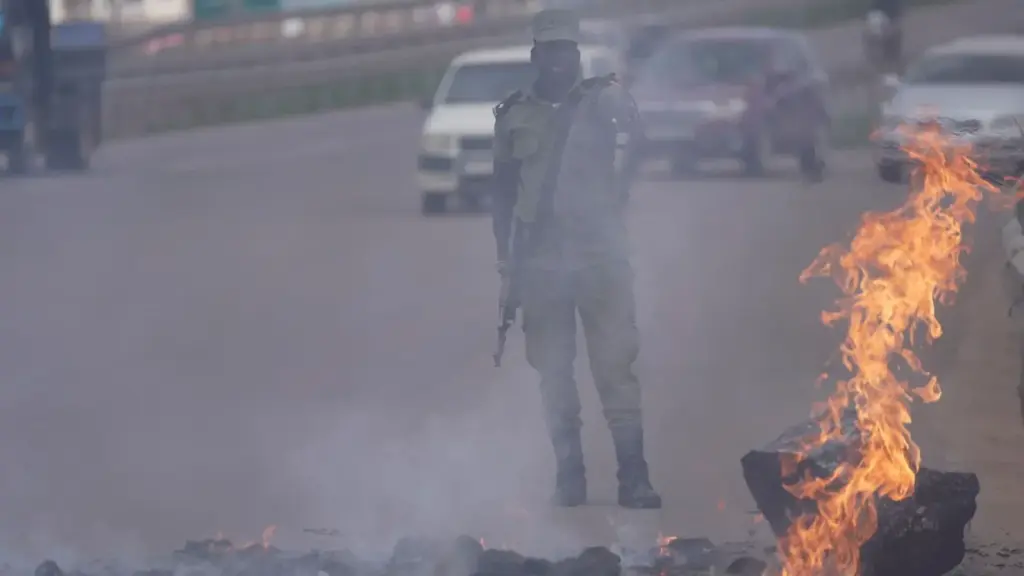
Moreover, the political landscape in Uganda is complicated by continuous reports of violence and unrest. Following the announcement of the results, opposition supporters have expressed their discontent, with protests and clashes reported in several areas. The electoral process in Uganda has seen a history of tensions, and this latest election has only exacerbated existing divides between the ruling party and the opposition, highlighting an urgent need for electoral reforms to ensure fairness in future cycles.
As citizens try to make sense of the aftermath of the election, key questions linger about the integrity of the electoral process in Uganda. President Museveni’s victory is perceived by many as a further entrenchment of authority rather than a democratic expression of the people’s will. The combination of reported violence and internet blackouts during the election period has created an unsettling atmosphere, leading to growing calls for the electoral commission to operate with greater transparency. This transparency is critical for restoring credibility to future elections and bolstering public trust in democratic processes.
The Role of Internet Blackouts in Uganda’s Elections
In the lead-up to the Uganda elections, the government implemented a controversial internet blackout, justifying it as necessary to prevent the spread of misinformation and to maintain peace. However, critics, including international human rights organizations, have condemned this tactic as a violation of citizens’ rights to access information. The blackout complicated the dissemination of news regarding the electoral process and raised alarms about suppression of free speech, particularly during a time when accurate reporting could have countered allegations of electoral fraud and violence. Many citizens found themselves cut off from crucial updates, adding to the atmosphere of uncertainty and apprehension surrounding the election results.
Internet access is increasingly seen as a lifeline in modern democracies, essential for upholding transparency, promoting civic engagement, and facilitating communication during critical moments. The implications of the Uganda election internet blackout extend beyond mere accessibility; they resonate deeply with the younger populace that Bobi Wine claims to represent. By obstructing access to information, the Ugandan government risks alienating a generation that values connectivity and has become more vocal about reform and change. This strategy may ultimately prove counterproductive, further galvanizing the opposition and fueling calls for accountability.
Furthermore, international observers have spoken out against the disruptions caused by the internet shutdown, emphasizing its role in stifling democratic discourse. The situation necessitates an urgent evaluation of Uganda’s approach to maintaining social order against the backdrop of electoral integrity. Many argue that such measures lead to a deterioration of trust between the government and the electorate, highlighting the need for dialogue and reconciliation in the face of growing dissent and public disenfranchisement. These events point to a critical juncture for Uganda, where the balance between national security and civil liberties must be carefully navigated to foster a healthy democratic environment.
Violence in the Lead-Up to the Uganda Election
Violence has been a recurrent theme in Uganda’s electoral process, and the 2023 elections have unfortunately continued this trend. Reports indicate that the period surrounding the elections witnessed a disturbing increase in violence, with at least 21 fatalities being reported across the nation. Opposition leader Bobi Wine has openly criticized the government’s heavy-handed approach, accusing authorities of orchestrating violence to suppress dissent and discourage opposition rallies. The scene outside polling stations was marred by conflict rather than celebration, as Uganda grappled with the troubling reality of electoral-related violence that undermined the democratic process.
Additionally, the government’s response to the unrest points to an urgent need for reform within the security forces. Many witnesses and human rights organizations have documented instances of intimidation and harassment directed at opposition supporters, leading to further unrest and protests from disenfranchised citizens. The intersection of fear and electoral participation creates a perfect storm for societal discord, with many voters feeling they have little choice but to accept the status quo in the face of violent reprisals.
This cycle of violence and intimidation has raised significant concerns about the future of democracy in Uganda. For the youth, who largely back Bobi Wine and seek change, this grim reality is particularly disheartening. The implications of such violence extend beyond individuals to affect the broader electoral landscape, leading to low voter turnout and disillusionment. Observers express that without addressing these systemic issues surrounding electoral violence and advocating for a peaceful electoral process, Uganda risks perpetuating a cycle of unrest and dissatisfaction that could threaten the nation’s stability long into the future.
Bobi Wine and His Challenge to Museveni’s Regime
Bobi Wine has emerged as a notable figure in Ugandan politics, representing younger generations disillusioned by longstanding political dominance. With a vibrant campaign centered on promises of reform, particularly in fighting corruption and enhancing transparency, Wine has positioned himself as a beacon of hope for many voters. His candidacy has galvanized support among the youth, who make up a large portion of Uganda’s population, eager for change in a system long criticized for its failure to reflect their interests. However, his challenges have been monumental as he navigates a political landscape fraught with violence and intimidation from the ruling regime.
Despite the commendable support from his base, Wine’s campaign has often been met with severe pushback from security forces, aimed at suppressing his movement. Leading up to the 2023 elections, there were numerous reports of arrests, targeting of opposition rallies, and overt aggression against his supporters. This hostile environment raises fundamental questions about the viability of democratic participation in Uganda and whether genuine opposition can ever threaten Museveni’s established rule. Observers and analysts alike warn that if these conditions persist unchallenged, they may entrench autocratic governance further.
Furthermore, Wine’s narrative of democracy versus autocracy resonates beyond Uganda’s borders, attracting international attention and support. His calls for peaceful protests and adherence to democratic principles have gained traction, reinforcing the global call for fair elections and human rights protections. As the political situation unfolds, the focus remains on how the government will respond to the burgeoning demand for change and whether Wine can sustain the momentum necessary to challenge Museveni’s long-standing grip on power. The outcome of this ongoing struggle will significantly shape the future of Uganda’s democracy and civil liberties.
International Observers and Their Influence on the Uganda Elections
The presence of international observers during the Uganda elections has become pivotal in assessing the legitimacy of the electoral process. Leaders like former Nigerian President Goodluck Jonathan have played crucial roles, providing oversight and commentary aimed at ensuring that the elections adhered to democratic standards. Their observations and reports underscore the importance of transparency in the Ugandan electoral process, as they can influence perspectives both locally and internationally on the legitimacy of the election results. With allegations of violence and intimidation mounting, international oversight has become an essential counterweight to government narratives, calling for accountability in instances of misconduct.
Despite the government’s attempts to assert its authority, these observations serve as a lifeline for public sentiment, fostering an environment where civic engagement can flourish. As the political landscape continues to evolve, the findings of these international bodies highlight the need for reform and protection of human rights, urging the Ugandan government to take note of international standards in governance. The broader implications of their involvement extend to diplomatic relations, as other nations assess how to engage with a government facing allegations of electoral malpractice.
Moreover, international observers’ presence lends credibility to the electoral process, potentially bolstering public confidence in outcomes perceived as legitimate. Their recommendations for improving the electoral process could enhance citizen trust, vital for future elections. As Uganda grapples with the fallout from its recent elections, detailed reports issued by international observers may prove instrumental in advocating for reforms that can help mitigate violence and ensure fairer competition in future elections. The insights gained from this election cycle could pave the way for more meaningful engagement between the government and its citizens, ultimately fostering a healthier democratic practice.
Youth Engagement in Uganda’s Political Landscape
The role of youth in Uganda’s political landscape has become increasingly significant, especially with the emergence of leaders like Bobi Wine who resonate deeply with younger voters. With over 70% of Uganda’s population under the age of 30, the youth have the power to shape the political discourse, making their engagement critical to the future of governance in the country. During the 2023 elections, youth participation surged, fueled by a desire for change and a rejection of the status quo perpetuated by the long-standing regime of President Museveni. They are not only looking for a leader who understands their struggles but also one who is willing to address pressing societal issues such as unemployment, healthcare, and education.
However, the path to political engagement has been fraught with challenges. Many young Ugandans face barriers to participation, including intimidation and the threat of violence that discourage free expression of political ideas. The government’s crackdown on opposition rallies disproportionately affects youthful supporters, illustrating the precarious nature of civic involvement in Uganda. The desire for reform among the youth, however, remains strong, and with digital platforms for organization and mobilization, their voices continue to gain traction in a landscape rife with uncertainty.
Moreover, the political awakening among Uganda’s youth is indicative of a broader trend of generational change in political engagement globally. As young citizens increasingly harness social media and technology to organize and communicate, they are redefining what it means to participate politically in their country. The challenges they face, particularly in the context of election-related violence and suppression, serve to strengthen their resolve for meaningful change. The future of Uganda’s democracy may very well depend on how effectively this demographic can advocate for their rights and push for reforms that ensure a more inclusive electoral process, ultimately paving the way for a more just and equitable society.
Future Implications for Uganda’s Electoral Process
The recent elections in Uganda signal profound implications for the future of the electoral process in the country. With President Museveni’s victory tainted by allegations of electoral fraud, violence, and voter suppression, there is an urgent need for comprehensive reforms within the electoral system. The claims around ballot stuffing and operational inconsistencies raise questions about the integrity of the National Electoral Commission and its ability to facilitate free and fair elections. Moving forward, it will be critical for stakeholders, including international observers, civil society, and political parties, to actively engage in discussions aimed at reforming electoral laws to ensure transparency and accountability in future elections.
Moreover, as political tensions rise, there is a potential for escalating unrest if the government fails to address the grievances of its citizens. It is essential for the ruling party to foster dialogue with opposition leaders to facilitate peaceful transitions of power, thus ensuring electoral legitimacy. The path to a stable political climate in Uganda, free from violent outbreaks, necessitates constructive engagement from all parties involved. Without such efforts, the cycle of violence and oppression may persist, undermining the possibility of democratic governance.
The international community also has a significant role to play in shaping the future of Uganda’s electoral process. Continued pressure for reforms and adherence to democratic principles can help catalyze change within Uganda. Conditional foreign aid, advocacy for human rights, and support for civil society initiatives can empower Ugandans, especially the youth, to demand their rights in a legitimate and peaceful manner. In this context, how the global community responds to Uganda’s electoral challenges will reflect on the broader discourse surrounding democracy in Africa and beyond, highlighting the interconnectedness of global governance standards. It is a crucial moment for both the Ugandan people and the international community to collaboratively work towards a future that prioritizes democratic values, inclusivity, and respect for human rights.
Frequently Asked Questions
What were the results of the 2023 Uganda election where Museveni was declared the winner?
In the 2023 Uganda election, President Yoweri Museveni was declared the winner with 72% of the vote, while his closest challenger, Bobi Wine, received 25%. This election extended Museveni’s time in power by another five years.
What controversies arose during the 2023 Uganda election process?
The 2023 Uganda election process faced significant controversies including allegations of ballot stuffing by Bobi Wine. Despite these claims, African Union observers reported no evidence of such practices. The electoral process was also marked by violence, protests, and limited internet access to curb misinformation.
How did Bobi Wine respond to the Uganda election results?
Bobi Wine denounced the Uganda election results as ‘fake’ and called for peaceful protests. He aimed to represent the youth and spoke against corruption, although his allegations about the election process were met with dismissal by authorities.
What security issues were reported during the Uganda election?
During the Uganda election, at least 21 people were reportedly killed amid violence and unrest, with security forces accused of intimidating opposition supporters. Bobi Wine alleged that he was under house arrest as his movements were restricted due to security concerns.
Why was internet access cut off during the Uganda election period?
Internet access was cut off during the Uganda election period to prevent the spread of misinformation and potential violence, as stated by the authorities. This blackout has been condemned by human rights organizations, emphasizing its negative impact on public communication.
What role did international observers play in the 2023 Uganda election?
International observers, including an African Union mission led by former Nigerian President Goodluck Jonathan, monitored the 2023 Uganda election. They noted reports of intimidation and emphasized the importance of maintaining internet access to ensure the transparency of the electoral process.
What was the voter turnout for the 2023 Uganda election?
The voter turnout for the 2023 Uganda election was reported to be 52.5%. Despite a relatively low turnout, the election still gained significant international attention due to its contentious nature.
What are the main issues facing Uganda as indicated by the recent election?
The recent Uganda election highlights issues such as political repression, violence, youth discontent, and the challenge of corruption. Bobi Wine’s campaign focused on reforming these issues, while Museveni emphasized stability amidst Uganda’s historical conflicts.
How have Museveni’s past elections influenced perceptions of the 2023 Uganda election?
Museveni’s past election victories and his long tenure as president have led to skepticism about the validity of the 2023 Uganda election. Many view the electoral process critically due to allegations of systemic irregularities and the suppression of opposition.
What implications do the results of the Uganda election have for the future political landscape in Uganda?
The results of the Uganda election may reinforce Museveni’s grip on power while continuing to highlight the need for political reforms and greater representation. The opposition, particularly Bobi Wine’s movement, reflects growing youth discontent which could shape future elections and political dynamics in Uganda.
| Key Points | Details |
|---|---|
| Election Outcome | Yoweri Museveni declared winner with 72% of the vote. |
| Opposition Response | Bobi Wine denounced results as “fake” and called for peaceful protests. |
| Violence and Fatalities | At least 21 deaths reported during election period, with authorities confirming 7. |
| Internet Blackout | Government cut internet access citing need to prevent misinformation, condemned by UN. |
| Observer Observations | African Union observers found no evidence of fraud despite claims of ballot stuffing. |
| Public Reaction | Minimal celebrations in Kampala; reports of localized violence. |
| Youth Support | Bobi Wine claims to represent the youth; Museveni advocates stability. |
| Voting Statistics | Voter turnout was 52.5%; six other candidates received less than 2%. |
Summary
The Uganda election has concluded with President Yoweri Museveni extending his rule for another term, amidst accusations of electoral malpractice and violence. This election has raised significant concerns about the democratic processes in Uganda, especially with reported instances of violence, fatalities, and the controversial shutdown of internet services, which authorities justified as a means to prevent chaos. As Bobi Wine’s claims of fraud resonate, the political landscape remains tense, leaving many to ponder the future of governance and civil liberties in Uganda.