
Listen to this article
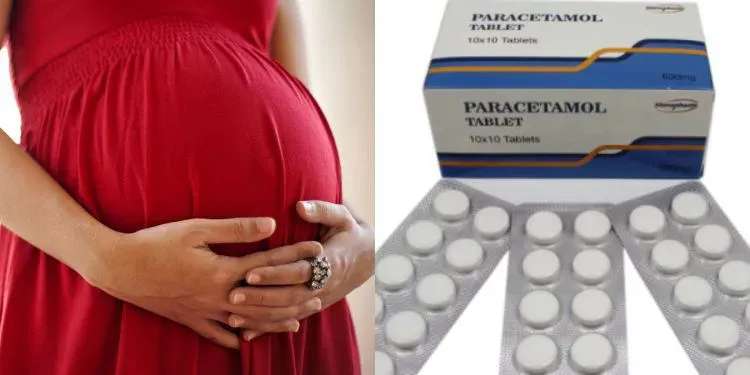
Paracetamol safety in pregnancy has often been a topic of debate, but recent research provides clear reassurance for expecting mothers. Experts in maternal-fetal medicine assert that taking paracetamol, also known as acetaminophen, is safe and does not elevate the risk of autism or developmental disorders in children. This assertion follows a thorough review published in a leading medical journal, which analyzed extensive data involving pregnant women to examine the implications of paracetamol use during pregnancy. Health authorities continue to endorse this common pain-relief option, emphasizing its effectiveness for managing discomfort and fever in pregnant women. As such, women can find peace of mind knowing that this widely accessible medication is a safe choice during this crucial time.
The use of acetaminophen during pregnancy has been scrutinized for years, often leading to confusion among expectant mothers. Commonly recognized as a safe pain relief option, paracetamol has faced scrutiny regarding its potential links to conditions like autism. However, ongoing research supports the pregnancy medication safety profile of this analgesic, showing that it does not contribute to increased risk of developmental issues. Experts emphasize that when taken as directed, this medication remains a trusted choice for pain management during pregnancy. With numerous studies backing its safety, pregnant women can confidently use paracetamol to alleviate their discomfort without undue worry.
Understanding Paracetamol Safety in Pregnancy
The safety of paracetamol during pregnancy has been a significant concern for many expectant mothers, particularly after the controversial claims made by public figures suggesting potential links to autism and ADHD. Recent studies have provided reassuring evidence, establishing that paracetamol, also known as acetaminophen, is safe for use during pregnancy when taken as directed. The most comprehensive review published in The Lancet examined numerous high-quality studies involving hundreds of thousands of women, confirming that there is no causal link between paracetamol use and increased risks of autism or developmental issues in children.
Experts in maternal-fetal medicine maintain that paracetamol remains the first-line recommendation for pregnant women needing pain relief. It is crucial for pregnant women to manage pain effectively to avoid complications that may arise from untreated conditions. Failure to alleviate pain or manage high fevers adequately could lead to potential risks for both mother and child, including miscarriage and premature labor. Therefore, the findings of the recent study should provide peace of mind to those in need of pain management during pregnancy.
Frequently Asked Questions
What is the current evidence on paracetamol safety in pregnancy?
Recent studies, including a significant review published in The Lancet, indicate that paracetamol, also known as acetaminophen, is safe for use during pregnancy. The review examined various high-quality studies and found no links between paracetamol use and increased risks of autism, ADHD, or other developmental issues in children.
Can taking acetaminophen during pregnancy cause autism risk?
Studies have not found evidence that acetaminophen increases the autism risk in children when taken during pregnancy. A comprehensive review showed no association between paracetamol use and autism or other developmental problems, reinforcing its safety for pain relief in pregnant women.
Is paracetamol the recommended pain relief for pregnant women?
Yes, paracetamol is widely recommended as the first-line medication for pain relief in pregnant women. Medical experts advise that managing pain and fever with paracetamol is important to prevent potential risks such as miscarriage or premature birth.
Should pregnant women worry about paracetamol use and developmental issues in children?
No, pregnant women should not worry about paracetamol use leading to developmental issues in children. The latest research provides reassurance that there is no causal link between paracetamol intake during pregnancy and developmental disorders, based on rigorous studies involving large populations.
How does paracetamol compare to other medications for pregnant women?
Paracetamol is considered one of the safest medications for pregnant women when used as directed, especially for managing pain or fever. It is preferred over non-steroidal anti-inflammatory drugs (NSAIDs), which may pose greater risks during pregnancy.
What precautions should be taken when using paracetamol during pregnancy?
While paracetamol is generally safe, pregnant women should always follow recommended dosages and consult their healthcare provider if they have any concerns about its use for pain relief or fever during pregnancy.
What do health organizations say about acetaminophen pregnancy safety?
Major health organizations in the UK, US, and Europe endorse the use of paracetamol as safe for pregnant women, stating it is the only analgesic approved for treating discomfort during pregnancy and emphasizing that any previous concerns about autism links were likely due to other factors.
What do experts say about the findings on paracetamol use during pregnancy?
Experts, including researchers and medical practitioners, note that the latest findings on paracetamol safety during pregnancy are significant. They emphasize that this evidence should alleviate concerns among expectant mothers regarding pain management and the potential risks associated with the drug.
Is there an established causal relationship between paracetamol and neurological conditions?
No, there is currently no established causal relationship between paracetamol and neurological conditions such as autism or ADHD. The FDA, while updating guidelines, noted that a causal link has not been proven, thus reaffirming paracetamol’s status as a safe medication for use in pregnancy.
| Aspect | Details |
|---|---|
| Study Findings | Paracetamol is deemed safe during pregnancy and does not increase risks for autism, ADHD, or developmental issues. |
| Expert Opinion | Lead author Professor Asma Khalil emphasized reassurance for pregnant women about its safety. |
| Study Source | The study was published in The Lancet Obstetrics, Gynaecology & Women’s Health, covering high-quality research involving hundreds of thousands of women. |
| Previous Claims | Contradictions to claims made by political figures, including President Trump, regarding paracetamol’s safety. |
| Medical Recommendations | Paracetamol is recommended for managing pain or fever in pregnant women; not taking it could pose risks. |
| Future Implications | The study aims to alleviate concerns among expectant mothers regarding pain management. |
Summary
Paracetamol safety in pregnancy has been reinforced by recent studies that demonstrate its lack of association with autism and other developmental issues in children. This crucial research dispels previous fears and confirms that paracetamol remains the safest pain relief option for pregnant women, ensuring they can manage pain or fever without undue worry. Expert recommendations emphasize the importance of using paracetamol under guidance to safeguard both maternal and fetal health.

