Listen to this article
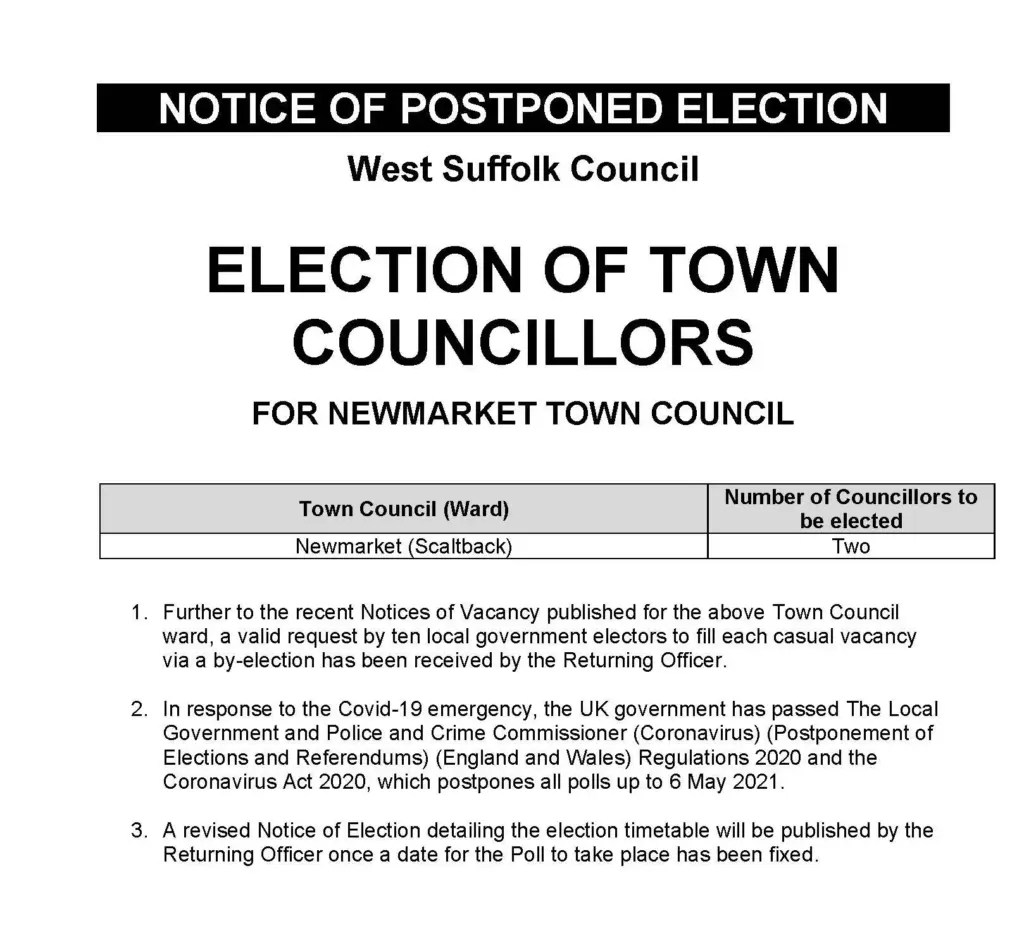
The recent **postponement of local council elections** has stirred significant debate across the UK, as nearly half of the eligible councils in England have expressed their desire to delay elections originally scheduled for May. This decision is largely influenced by the government’s ambitious plans for local government reform, aimed at creating a streamlined system of unitary councils. Critics, particularly from opposition parties, accuse Labour-led councils of fearing voter backlash, a sentiment that echoes throughout the evolving UK political landscape. The proposed delay, affecting millions of voters, will push the elections back to 2027, raising concerns about the implications for local democratic processes. As this political drama unfolds, the public and politicians alike are left contemplating the ramifications of such election delays and what they mean for the future of council governance.
The decision to delay regional elections is a notable shift within the local electoral landscape, encapsulating the essence of the ongoing transition from traditional council systems. With the government’s reorganization efforts aimed at enhancing efficiency and reducing redundancies, many councils are caught in a political tug-of-war as they navigate the complexities of impending changes. This upheaval not only affects **council elections slated for 2027** but also raises questions about the governance legitimacy of authorities selected under such uncertain conditions. Opposition factions argue that this maneuvering signals a lack of confidence among ruling councils, particularly those affiliated with Labour, as they grapple with public trust and electoral integrity. The broader implications of these election delays resonate across the political spectrum, compelling voters and council members to reflect on the democratic principles at stake.
Understanding the Impact of Local Government Reform
Local government reform is set to reshape the landscape of local governance in the UK significantly. The government’s proposal aims to transition from the traditional two-tier system of district and county councils to a more streamlined unitary council framework. This shift is designed to enhance efficiency in service delivery and reduce redundancy in local governance. Nevertheless, the upheaval raises pressing concerns for local leaders, especially as over half of England’s councils now face the prospect of postponed elections, which affects millions of voters. The proposed changes could lead to the merging of elected councils into larger units, and this delay in elections adds a layer of complexity to an already tumultuous political environment.
Critics of the local government reform argue that the postponement of council elections undermines democratic accountability. They assert that voters are being deprived of their right to voice their preferences in the upcoming elections, and this could result in councillors serving extended terms without renewed democratic mandates. The opposition parties claim that the Labour-led councils, in particular, are avoiding electoral challenges by requesting delays. This situation puts a spotlight on the balance between effective governance and the need for current political representation in local councils.
Postponement of Local Council Elections: A Controversial Decision
The postponement of local council elections has sparked a heated debate across the UK, particularly given that nearly half of the councils have expressed the need to delay. These requests have been primarily initiated by Labour councils, a fact that has led to accusations from opposing parties that Labour is ‘running scared’ of facing the electorate. With council elections now anticipated to occur in 2027, the implications stretch far beyond mere timing. Voters may find themselves disillusioned, feeling their voices are sidelined in the face of a significant governmental overhaul.
As local councils prepare for this significant transition, the controversy surrounding the postponement highlights the tensions in the current political climate. The plan for restructuring aims to simplify governance but has led to criticisms regarding its timing and execution. Leaders from the Conservative and Liberal Democrat parties have echoed concerns about the decisions made by Labour councils, emphasizing that allowing such delays could be seen as a fundamental disrespect to the democratic process. This debate extends into the larger context of the UK political landscape, where election delays could significantly influence future party strategies and public sentiment toward governance.
The Legal Challenges Surrounding Election Delays
The postponement of local council elections has not only incited political debate but also led to legal ramifications. Reform UK is pursuing a court case against the Ministry of Housing, Communities and Local Government over the government’s decision to delay elections. The court’s recognition of these legal challenges emphasizes the contentious nature of the proposed election postponements. Many argue that these actions threaten the very essence of democracy, propelling a legal battle that could redefine how future local elections are managed amid significant reforms.
If successful, Reform UK’s legal action could compel the government to reconsider its stance and pave the way for immediate elections, potentially setting a precedent for future disputes involving local government actions. This legal dispute encapsulates the broader discussion regarding the governance of local councils and the significant shift in local political structures that the government is championing. The outcomes of this case could have lasting impacts on the relationship between local authorities and the electorate in the coming years.
Challenges of the UK Political Landscape
The current postponement of local council elections unfolds within a broader context of challenges in the UK political landscape. With various parties reacting vehemently to Labour’s delaying tactics, the political atmosphere is charged with accusations of fear and evasion. Councils are not only wrestling with the practical implications of impending reforms but also navigating the scrutiny of an electorate that is becoming increasingly vocal about their democratic rights. The dynamic turns complex as even Conservative and Liberal Democrat councils join forces in requesting delays, complicating the narrative around party politics.
In addition, with public sentiment leaning toward a desire for transparency and accountability, the calls for postponement have the potential to backfire for those seeking delays. Critics assert that any delay diminishes voter trust, likely harming parties more than helping them in the long run. The complex interplay between local governance structures, electoral integrity, and public opinion will be significant factors as councils gear up for these changes and prepare for elections projected for 2027.
Voter Reactions and Protest Movements
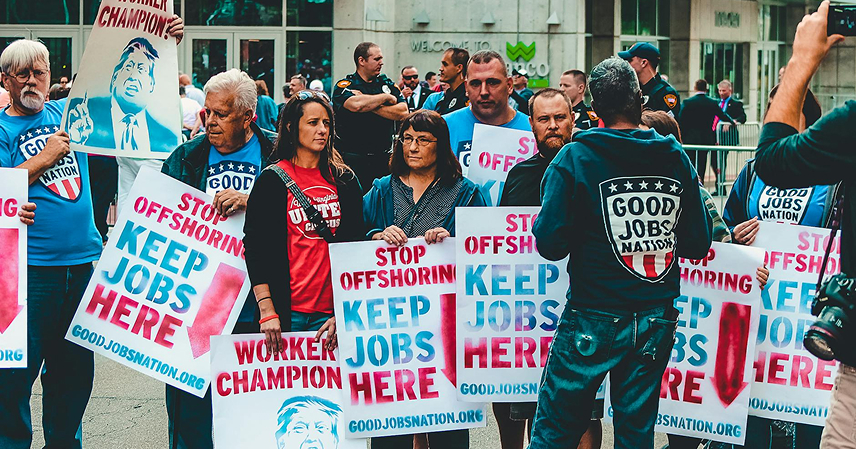
In response to the news of postponed local council elections, there has been a notable rise in voter frustration and protest movements across various councils. Residents and local advocacy groups are voicing their concerns, demanding that their right to participate in elections is not trampled by political maneuvering. Protests at council meetings have become increasingly common, illustrating the growing discontent and pushback against perceived political ineffectiveness. For many citizens, this is a pivotal moment to demand accountability and ensure their voices are heard in the shaping of local governance.
The way these protests are met by council officials and government ministers could set the tone for future interactions between local authorities and the electorate. Authorities that are perceived as dismissive of citizen concerns may face heightened backlash and possible electoral repercussions in the future. Therefore, the postponement not only raises governance issues but also cultivates a discourse about civic engagement and the role of voters in a reformed political landscape.
The Role of Labour Councils in Election Delays
Labour councils are at the forefront of the current push to postpone local elections, which has provoked a significant debate about the motives behind their requests. While proponents argue that the delays are necessary to ensure a smooth transition during the government’s local government reforms, critics contend that these councils are motivated by self-preservation, fearing electoral defeat. This spotlight on Labour councils reveals the complexities of local governance and the multiple layers of political strategy that come into play during critical reform initiatives.
As discussions continue, the implications of Labour-led councils delaying elections could echo throughout the party’s standing in public opinion. Should the alterations to election dates be seen as a strategic retreat rather than a governance necessity, it might instigate a shift in how constituents view their local representatives’ commitment to democratic values. Such dynamics can significantly shape the landscape leading up to the next round of council elections, highlighting the intersection of timing, political strategy, and public expectation.
Anticipated Outcomes of Postponed Elections
Considering the turmoil surrounding the postponement of local elections, the anticipated outcomes could be multifaceted. If the elections move to 2027, it would mean councils undergoing significant restructuring may have to govern with uncertainty regarding their future constituency. Councillors would potentially only serve one year, which raises critical questions about the effectiveness of local governance. The lack of a fresh mandate might burden these councils with challenges and hinder their ability to initiate impactful local policies.
Moreover, the longer timeline to elections raises concern among the electorate, with the potential for voter apathy to set in. For many voters, especially given the recent protests and public criticism, the disconnect between local governance and the electorate could widen. When elections are postponed, it provides opportunities for public sentiments to shift dramatically, which could favor or disfavor current councils when they finally face the voters again.
Consequences for Councillors and Party Dynamics
The consequences of postponing local elections will resonate across party lines, affecting not just individual councillors but also the collective dynamics within local parties. For Labour councillors advocating for election delays, there is a risk of losing credibility with constituents who desire transparency and accountability. As voters express their dissatisfaction, council leaders face the challenge of rebuilding trust amidst a backdrop of electoral uncertainty and governmental change.
On the other hand, for opposing parties like the Conservatives and Liberal Democrats, this may present an opportunity to capitalize on public ire and reinforce their call for immediate elections. If the electorate perceives that delayed elections denote a lack of respect for democratic processes, it could lead to a shift in power dynamics in future elections. Party strategies must adapt to this evolving circumstance, as public relations and engagement with constituents become crucial in maintaining relevance and trust.
Impact on Local Services and Community Engagement
The postponement of local elections raises pressing concerns about the impact on local services and community engagement. Councils have a fundamental responsibility to deliver crucial services like social care and infrastructure management. With the risk of councillors serving shorter terms without an electoral mandate, continuity in local leadership may be compromised. This situation could lead to diminished effectiveness in service delivery, ultimately affecting the quality of life in communities and strategic community planning.
Additionally, as local councils face the pressing responsibilities of the government’s reform agenda while simultaneously suspending elections, community engagement may take a hit. When citizens feel disconnected from their elected representatives, their involvement in local governance diminishes, leading to a disengaged electorate. In light of this, councils must seek innovative methods to maintain community interaction and transparency, ensuring that they are not only seen as facilitators of local services but also as responsive to the voices of the individuals they represent.
Frequently Asked Questions
Why have many councils requested the postponement of local council elections scheduled for May 2023?
The postponement of local council elections has been requested by nearly half of the eligible councils in England due to significant changes in local government structures. This includes a reorganization that will transition from the current two-tier system to new ‘unitary’ councils responsible for all local services. This change is intended to facilitate the government’s major local government reform.
What impact will the postponement of local council elections have on voters?
The postponement of local council elections will affect millions of voters, as planned elections for 28 councils have been delayed. This means that voters will not have the opportunity to elect their representatives until 2027, which could impact local governance and political engagement in the community.
How will the changes in local government affect council elections in 2027?
The changes in local government due to the implementation of new unitary councils will mean that many councils currently scheduled for elections will be merged into new governance structures. As a result, the elections in 2027 may involve new councils, which could lead to a significant reshaping of the local political landscape and representation.
What criticisms have been directed at Labour councils regarding the election delays?
Labour councils seeking to postpone elections have faced criticism from opposition parties, particularly from the Conservatives and Liberal Democrats. Critics argue that Labour is ‘running scared’ of the electorate, fearing potential losses in elections. They contend that delaying elections undermines democratic processes and prevents voters from making their choices.
What actions are being taken by Reform UK concerning the postponement of elections?
Reform UK is pursuing legal action against the Ministry of Housing, Communities and Local Government regarding the postponement of local council elections. They are seeking a temporary injunction to block the delays, arguing that such changes infringe on democratic rights and the ability of the electorate to vote.
How does the government justify the postponement of local council elections amid criticism?
The government justifies the postponement by emphasizing the need to reorganize local councils effectively, claiming that conducting elections for potentially short-lived councils would be costly and inefficient. Local Government Secretary Steve Reed has stated that focusing on essential services, rather than holding unnecessary elections, is a priority during this period of significant reform.
Which councils have specifically requested a postponement of their local elections?
Some councils that have requested a postponement include Adur Borough Council, Basildon Borough Council, Cheltenham Borough Council, and West Sussex County Council, among others. The postponement requests come from a mix of Labour-led, Conservative-led, and Liberal Democrat councils.
What are the potential legal implications of the government’s decision to postpone council elections?
The potential legal implications include a challenge from Reform UK, which argues that the government’s decision may violate democratic principles. A court hearing is expected to address these concerns and determine whether a temporary injunction will be granted to block the election delays.
How will restructuring local government affect electoral processes in the future?
Restructuring local government will likely lead to a significant shift in how elections are conducted in the future, with the possibility of fewer but larger unitary councils. This may streamline electoral processes but could also result in changes to voter representation and the political dynamics in England.
What statement did Liberal Democrat leader Sir Ed Davey make regarding the postponement of elections?
Liberal Democrat leader Sir Ed Davey criticized the postponement of elections, arguing that it could violate human rights. He has called for legislative changes to ensure that ministers cannot postpone elections arbitrarily, emphasizing the importance of maintaining democratic accountability.
| Key Points |
|---|
| Just under half of eligible councils in England have requested to postpone local elections scheduled for May. |
| A total of 28 councils want to delay elections due to government restructuring of local government. |
| Opposition parties criticize Labour, with claims they are ‘running scared’ of voter sentiments. |
| Eligible councils span various political affiliations, including Labour, Conservative, and Liberal Democrat. |
| Ministers indicated delays could be approved if there are ‘genuine concerns’ during the reorganization. |
| Reform UK is pursuing legal action against the postponement of elections. |
| Changes to councils will switch from a two-tier to a unitary council system. |
| Local Government Secretary argues against holding elections for short-term councils. |
| Some protests against the postponement have occurred, with police presence reported. |
| The final decision on election postponement is pending from the government. |
Summary
The Postponement of Local Council Elections has become a significant topic as nearly half of England’s eligible councils requested to delay their elections scheduled for May. This initiative is driven by a major restructuring of local government aimed at creating unitary councils, which has stirred political controversy and sparked legal actions. Critics from opposition parties claim that Labour’s decisions may reflect a fear of electoral backlash. As ministers prepare to respond to these requests, the future of local governance hangs in the balance, with repercussions that may affect millions of voters.