Listen to this article
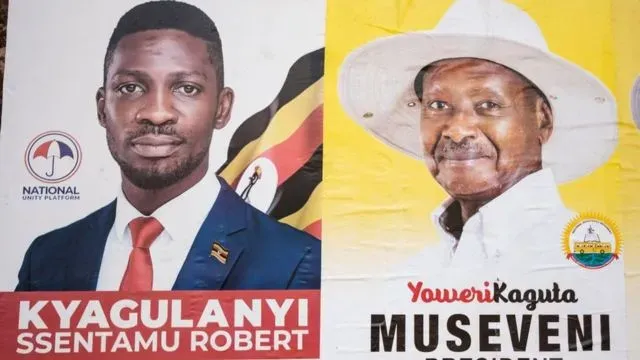
The Uganda presidential election 2021 has emerged as a pivotal moment in the nation’s political landscape, with President Yoweri Museveni facing significant challenges from his main rival, Bobi Wine. Museveni, who has dominated Ugandan politics for decades, reportedly secured 75% of the vote, leaving Wine with just 21%. However, allegations of election violence and irregularities, along with claims of an internet shutdown, have raised serious concerns about the integrity of the election process. Bobi Wine’s party has voiced fears over the credibility of the election results, while Museveni’s repeated promises of stability stand against a backdrop of unrest. As tensions rise, the international community watches closely, mindful of the implications of the election outcomes for Uganda’s political future.
The 2021 Uganda electoral process has captivated both local and global observers, highlighting the fierce competition between long-serving President Yoweri Museveni and youthful challenger Bobi Wine. Amidst reports of alleged electoral misconduct and escalating violence, Museveni’s government asserts its commitment to maintaining order, while critiques of the electoral framework hint at deeper issues. The disruption of internet services has added a layer of complexity to the situation, exacerbating tensions and making it difficult to verify claims made by both parties. As the nation processes the unfolding election situation, the struggle between established political power and emerging voices is becoming ever more pronounced. The outcome of this election is not just about leadership but also the future of democracy and governance in Uganda.
Overview of the Uganda Presidential Election 2021
The Uganda presidential election held in January 2021 was a pivotal moment for the country, witnessing a fierce contest between the incumbent President Yoweri Museveni and his main opponent, Bobi Wine. Museveni, who has dominated Ugandan politics since 1986, claimed a decisive lead early in the election process, securing approximately 75% of the votes with Wine trailing at around 21%. This electoral outcome reflects a continued pattern of Museveni’s long-standing hold on power, despite increasing opposition challenges.
Despite the initial results indicating a landslide victory for Museveni, the legitimacy of the election results came under intense scrutiny from Wine’s party and various local observers. Concerns were raised over potential vote-rigging and manipulation, particularly in the context of a heavily controlled electoral atmosphere marked by violence and suppression of dissent. The atmosphere during the election was charged, with reports of harassment and intimidation directed towards opposition supporters and journalists.
The Impact of Internet Shutdown on the Election
Several days before the election, Uganda witnessed an internet shutdown that significantly affected communication and the flow of information during the critical voting period. The shutdown was officially justified by the Ugandan government as a necessary measure to prevent misinformation and incitement to violence. However, critics argued that this action further obstructed the democratic process, limiting transparency and hindering real-time reporting of electoral developments. As a result, many citizens were left unaware of disputes and the violent incidents that marred the election.
Reports of the internet blackout also delayed the dissemination of crucial information related to incidents of violence and opposition rights violations. Information about the country’s political climate was heavily reliant on traditional media, which faced their own restrictions. With a lack of internet access, the claims of opposition leader Bobi Wine regarding electoral fraud and the military’s involvement in violence against supporters lacked verification, leading many Ugandans to question the integrity of the electoral process.
Bobi Wine’s Challenges and Claims
Bobi Wine’s candidacy in the 2021 election was marked by significant challenges, including state-sponsored violence and intimidation against him and his staff. His outspoken criticisms of the Museveni administration resonated with the youth demographic in Uganda, who are seeking change in a nation weary of corruption and authoritarian rule. Wine denounced the election results as fraudulent and claimed that he was effectively under house arrest during the vote counting, creating a narrative of oppression that amplified his message among his supporters.
As tensions escalated, Wine’s party emphasized claims that state security forces were involved in violent actions aimed at deterring voter turnout and suppressing opposition. Reports surfaced of violent confrontations leading to fatalities, underlining the severe implications of political unrest in Uganda. These circumstances not only diminished the credibility of the election but also highlighted the increasing risks faced by opposition leaders in their fight for democratic rights.
Election Violence and Its Aftermath
The aftermath of the 2021 Uganda presidential election was marred by violence, particularly surrounding incidents in which opposition supporters were killed. Reports indicated that security personnel used live ammunition against demonstrators, exacerbating fears regarding the state of human rights under the current regime. The incidents of violence reflected a broader issue of state-sanctioned repression, which many observers deemed to be characteristic of Museveni’s leadership style. The violent response from security forces to protests further fueled allegations of misconduct during the election.
This election-related violence prompted reactions from international observers and human rights organizations, calling for accountability and respect for democratic principles in Uganda. The international community’s response highlighted concerns over the reliability of Uganda as a safe environment for political expression, especially for opposition figures like Bobi Wine. As calls for justice echoed following the election, the need for comprehensive electoral reforms and the restoration of human rights became more pressing.
Museveni’s Position Amidst Growing Opposition
In the wake of the 2021 elections, incumbent President Yoweri Museveni has continued to assert his position as the primary guarantor of stability and progress in Uganda. His administration portrays any opposition to his rule as a destabilizing force that threatens the country’s hard-won peace since the 1980s. However, this narrative faces increasing challenges as the youth population, which forms a substantial part of the voting base, grows increasingly disillusioned with the status quo.
The opposition led by Bobi Wine has effectively highlighted issues of governance, social justice, and corruption, questioning Museveni’s decades-long reign. As discontent rises, Museveni’s government may face heightened pressure to address the demands of younger voters who are eager for change. The upcoming years will likely determine if Museveni can maintain his grip on power in a changing political landscape or if he will be compelled to engage with opposition challenges more constructively.
The Role of the International Community
The international community’s reaction to the 2021 Uganda presidential election was one of concern, particularly regarding the government-led internet shutdown and subsequent violence during and after the election. Various organizations, including the United Nations, raised alarms over the repression faced by voters and the opposition. They underscored the necessity for free and fair elections, voicing strong support for human rights and the rule of law.
Moreover, international observers condemned the reported human rights violations that occurred in the lead-up to and following the election. These actions prompted calls for independent investigations into alleged electoral fraud and state violence against opposition figures. The Ugandan government’s approach to handling dissent, especially given the global outrage, may influence its relations with international partners, which often link aid and trade with democratic governance.
Historical Context of Museveni’s Leadership
Yoweri Museveni has served as Uganda’s leader since 1986 after seizing power as a rebel leader, marking a significant chapter in the country’s history. Over the decades, he has maintained control over the political landscape through a combination of strategic political maneuvers, military influence, and a strong narrative of stability and development. His presidency is often justified through the lens of historical conflict, emphasizing peace and security as core accomplishments of his administration.
Nevertheless, as time has passed and Ugandans have aged, public sentiment has begun to shift. Dissent against Museveni’s prolonged tenure has drawn attention to the changing demographics of Uganda, where a majority are young voters who yearn for reform and new leadership. This dynamic poses questions about Museveni’s longevity in power, with opposition leaders like Bobi Wine promising to bring a fresh vision that resonates with the aspirations of the emerging youth population.
Looking Ahead: Uganda’s Political Future
The political future of Uganda appears increasingly uncertain in the wake of the divisive 2021 presidential election. With rising opposition sentiment and a politically engaged youth demographic, issues such as governance, human rights, and electoral integrity are coming to the forefront. Observers are now speculating on the potential implications of opposition figures like Bobi Wine continuing to mobilize support, particularly among younger voters seeking substantial change.
As Uganda navigates these turbulent political waters, the balance between maintaining stability and accommodating dissenting voices will be critical. Should Museveni’s administration fail to engage meaningfully with opposition and civil society, it may face escalating unrest and demands for accountability. The country’s trajectory will depend significantly on how its leadership responds to these challenges in both the short and long term.
Conclusion: Implications for Democracy in Uganda
The events surrounding the Uganda presidential election of 2021 serve as a case study in the complexities of governance and democratic practices in Africa. As Yoweri Museveni continues to wield significant power amidst widespread allegations of electoral fraud, the implications for Uganda’s democracy are profound. The maze of state violence, internet censorship, and opposition crackdown undermines the principles of free expression and fair electoral competition that are essential for democratic thrive.
Moving forward, there is a need for sustained advocacy both domestically and internationally to bolster the foundations of democracy in Uganda. Ensuring that all voices, especially those of the youth and opposition, are heard is crucial in shaping a more equitable and just political landscape. The world is watching how Uganda’s leaders confront these evolving challenges, and their responses will ultimately define the future of Ugandan democracy.
Frequently Asked Questions
What were the key results of the Uganda presidential election 2021?
In the Uganda presidential election 2021, President Yoweri Museveni emerged with a commanding lead, securing 75% of the votes while his main challenger, Bobi Wine, received 21%. These results were based on returns from approximately 70% of polling stations.
What were the major allegations surrounding the Uganda presidential election 2021?
The Uganda presidential election 2021 was marred by serious allegations of fraud and violence. Bobi Wine’s party alleged that the authorities were ‘stealing the vote’ and raised concerns about the credibility of the election results amidst reports of election violence that left at least seven opposition supporters dead.
How did the internet shutdown affect the Uganda presidential election 2021?
The internet shutdown during the Uganda presidential election 2021 significantly hampered communication and reporting. It was implemented to prevent misinformation and violence, but many accused it of obstructing the public’s ability to verify information regarding vote counting and election-related incidents.
What was Bobi Wine’s situation during the Uganda presidential election 2021?
During the Uganda presidential election 2021, Bobi Wine alleged that he was placed under house arrest, surrounded by security forces at his home in Kampala. His party also reported instances of intimidation and violence against their supporters, which raised serious concerns about election integrity.
What comments did international bodies make about the Uganda presidential election 2021?
The United Nations Human Rights Office expressed that the Uganda presidential election 2021 was characterized by ‘widespread repression and intimidation,’ highlighting the violent campaign atmosphere and the restrictions placed on opposition activities and media.
What challenges did Yoweri Museveni face in the Uganda presidential election 2021?
Throughout the Uganda presidential election 2021, Yoweri Museveni faced opposition challenges primarily from Bobi Wine, who represented the youth vote and campaigned against corruption. Museveni’s lengthy tenure and the violent treatment of opposition were also focal points of criticism.
How did security forces respond to incidents during the Uganda presidential election 2021?
Security forces had a significant presence during the Uganda presidential election 2021, with police claiming self-defense during violent encounters with opposition supporters. However, many reports suggested excessive force, including the use of tear gas and live ammunition against protestors.
When were the final results of the Uganda presidential election 2021 expected to be announced?
Electoral chief Simon Byabakama stated that the Uganda presidential election 2021 results would be announced within 48 hours of the election, projecting that the final results would be available by 5 PM the day after the election.
What were the main issues reported during the voting process of the Uganda presidential election 2021?
The voting process during the Uganda presidential election 2021 faced significant issues, including delays of up to four hours at polling stations due to late arrival of ballot boxes and malfunctioning biometric machines, problems exacerbated by the internet blackout.
What role did Bobi Wine’s National Unity Platform play in the Uganda presidential election 2021?
Bobi Wine’s National Unity Platform (NUP) was a key player in the Uganda presidential election 2021, with Wine positioning himself as a voice for the youth and condemning the alleged vote theft. The NUP faced significant violence and repression during the campaign period.
| Key Point | Details |
|---|---|
| Current Vote Count | Museveni leads with 75% of the vote; Bobi Wine has 21%, based on 70% results. |
| Bobi Wine’s Situation | Bobi Wine is reportedly under house arrest, with claims of him being forcibly taken by security forces. |
| Violence Reports | At least seven opposition supporters were reported killed in Butambala; conflicting accounts from police. |
| Internet Shutdown | Internet access was cut to prevent misinformation; UN criticized this as a violation of human rights. |
| Electoral Process Commentary | Election marked by delays and issues at polling stations; electoral chief insists results process is secure. |
| Campaign Context | The election comes after a violent campaign; Museveni claims stability while Wine represents youth and reform. |
| International Response | The US embassy issued a warning regarding violence and use of tear gas by security forces. |
Summary
The Uganda presidential election 2021 showcases a tense atmosphere marked by significant violence, internet blackout, and accusations of electoral fraud. President Yoweri Museveni maintains a significant lead over Bobi Wine, amid reports of human rights violations and concerns about the integrity of the election process. As the situation unfolds, it remains vital for international observers to monitor the events closely, especially given the implications for democracy and human rights in Uganda.