
Listen to this article
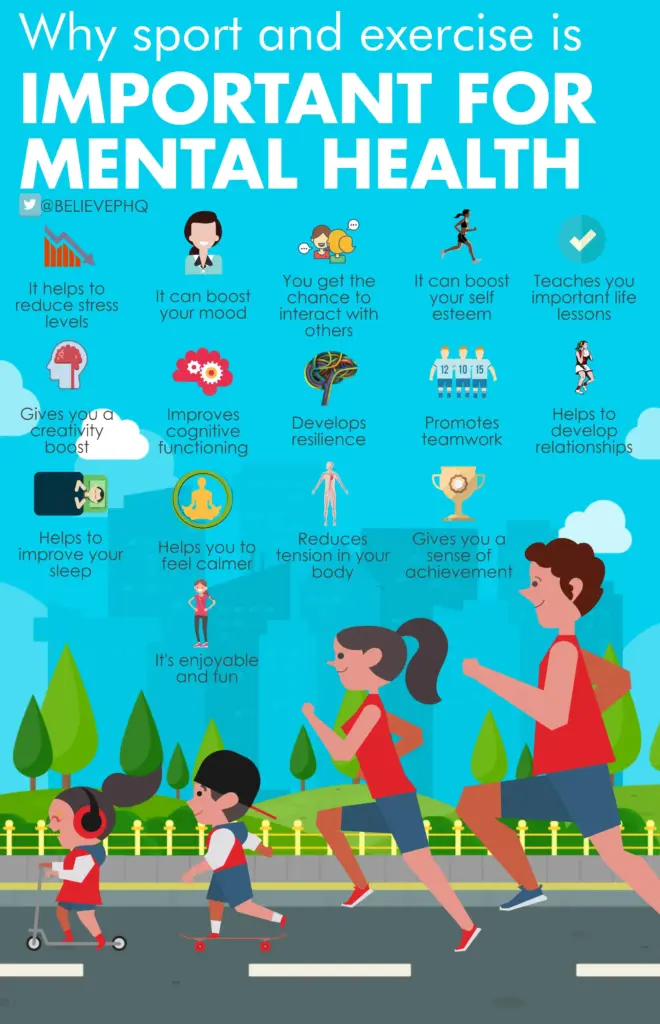
Sport and mental health are intricately linked, highlighting the profound impact physical activity can have on our psychological well-being. In an era where life’s stresses often overwhelm us, engaging in sports emerges as a powerful remedy for mental health challenges. The benefits of sports on mental health are widely recognized; not only do they improve physical fitness, but they also promote emotional resilience and stability. Regular exercise, especially through team sports, has been shown to forge social connections, bolster self-esteem, and alleviate symptoms of anxiety and depression. As we explore the psychological benefits of sports, it becomes evident that an active lifestyle can serve as a vital component of our overall mental health strategy.
The relationship between athletic activities and psychological wellness offers fascinating insights into how movement can heal the mind. Regular physical exercise, whether through competitive team environments or solo endeavors, boasts numerous advantages for emotional stability and cognitive function. Engaging in recreational activities fosters social bonds and combats loneliness, making them essential for our mental wellness. Moreover, the joy derived from playing sports creates a fulfilling routine that not only serves as a distraction from daily pressures but also cultivates a sense of accomplishment and personal growth. This intricate bond between sports and positive mental states lays the groundwork for understanding how a commitment to physical activity can significantly enhance our quality of life.
The Psychological Benefits of Sports Engagement
Engaging in sports offers a multitude of psychological benefits that extend far beyond the physical realm. Regular participation elevates mood levels by triggering the release of endorphins, the body’s natural mood enhancers. This chemical reaction is akin to experiencing a ‘runner’s high’, where individuals feel an uplift in their spirits, leading to a decrease in feelings of anxiety and depression. Not only does this provide immediate emotional relief, but it also establishes a healthier mindset for facing daily challenges.
Moreover, the act of setting and achieving goals in sports can enhance personal resilience and coping mechanisms. Success on the field or court can translate into greater self-worth and a positive self-image. When athletes face and overcome challenges during their sports journey, these experiences build mental fortitude, enabling them to navigate life’s obstacles more effectively.
Exploring the Benefits of an Active Lifestyle
An active lifestyle is often lauded for its physical health benefits, but its significance to mental well-being is equally noteworthy. Regular physical activity promotes better brain health by increasing blood flow and improving cognitive functions such as memory and focus. This enhancement not only boosts performance in various life areas, including academic and work-related tasks, but also contributes to a more optimistic outlook on life.
Adopting an active lifestyle can effectively combat feelings of stress and anxiety. Physical activity serves as a proactive strategy for stress management, providing individuals with a necessary break from the hustle and bustle of everyday life. Whether through organized sports or informal recreational activities, embracing a physically active lifestyle creates a foundation for mental clarity and emotional stability.
Team Sports and Their Role in Mental Well-Being
Team sports are uniquely positioned to provide emotional and psychological support through camaraderie. Engaging in group activities fosters a sense of belonging and community among participants, which is vital for mental health. The collective goals in team sports help individuals create lasting friendships and social networks, significantly reducing feelings of loneliness.
Additionally, the structured environment of team sports provides participants with regular interactions, enhancing their social skills. Learning to collaborate, communicate, and support one another on and off the field helps build emotional intelligence, which is essential for navigating personal relationships effectively. This communal aspect of team sports is a powerful tool for nurturing mental resilience and stability.
Individual Sports and Personal Growth
Individual sports, such as swimming or running, allow for self-reflection and personal development. Participating in these activities enables individuals to set personal challenges and strive toward their goals, ultimately fostering a sense of independence and self-sufficiency. The journey of self-improvement inherent in individual sports can lead to deep personal satisfaction and emotional growth.
Furthermore, the solitary nature of these sports allows for personal introspection, offering valuable time for mental rejuvenation. Many individuals find solace in individual sports, using the time spent training or competing as a meditative practice that helps clear their minds and reduce stress levels. This self-focus is crucial for emotional balance and well-being in today’s busy world.
Mind-Body Sports: Merging Physical and Mental Health
Mind-body sports, such as yoga and tai chi, uniquely blend physical movement with mental focus, promoting overall health. These disciplines emphasize the importance of mindfulness, which can lead to profound psychological benefits. Participants often report reduced levels of stress and anxiety, better emotional regulation, and increased mental clarity.
The practice of mindful movements in these sports cultivates a deeper awareness of the body and its responses, allowing individuals to connect physically and emotionally. This connection enhances overall mental well-being, offering tools to navigate stress and emotional challenges effortlessly. By integrating mindful practices into physical activities, individuals can foster a holistic approach to their mental health.
The Importance of Play in Mental Health
Play serves as a fundamental aspect of healthy mental and emotional development. Whether through sports or recreational activities, play allows individuals to engage creatively and express themselves without judgment. This freedom from responsibilities fosters a relaxed environment where individuals can recharge and develop critical social skills.
Incorporating play into daily routines helps to alleviate stress and nurture mental resilience. It encourages flexibility of thought and adaptability, key traits required to cope with life’s challenges. Embracing the playful aspect of life can significantly enhance one’s overall quality of living and mental health.
Safety First: Engaging in Sports Wisely
While the benefits of engaging in sports are significant, ensuring safety during participation is paramount. Establishing realistic goals helps to create positive experiences and avoids discouragement. It is essential to listen to one’s body and recognize cues for rest and recovery, preventing injury and ensuring long-term participation in physical activities.
Diversity in sports participation is another effective way to enjoy the benefits while minimizing burnout. Trying different sports and activities not only enhances overall fitness but keeps the experience fresh and enjoyable. Embracing a varied approach to sports will create an encouraging environment that promotes sustained mental health benefits.
Connecting Mental Health and Performance in Sports
The interplay between mental health and performance in sports is well-documented. A positive mental state can significantly enhance an athlete’s performance, leading to improved outcomes in competitions. Conversely, high levels of stress or anxiety can hinder an athlete’s ability to perform at their best. Understanding this interaction is vital for athletes and coaches alike to optimize training and competition strategies.
Incorporating mental health practices into training regimens is crucial. Techniques such as visualization, mindfulness, and relaxation strategies can equip athletes to manage stress and improve focus. This holistic approach to sports enhances both mental resilience and physical performance, reinforcing the intrinsic link between mental health and sports.
Future Directions in Sport and Mental Health Research
As the understanding of the relationship between sports and mental health continues to evolve, research into this field is expanding. Future studies may focus on uncovering the long-term benefits of various sports on mental well-being, exploring new dimensions such as the impact of sports on children and adolescents. This research can provide valuable insights into how early participation in sports can forge healthier adults.
Additionally, examining the impact of technology on sports participation and its mental health implications could yield intriguing results. The advent of virtual sports and fitness applications brings both opportunities and challenges that warrant exploration. By staying at the forefront of this research, we can better understand how to harness sports as a powerful tool for mental health enhancement.
Frequently Asked Questions
How does exercise and mental health connect to anxiety relief?
Exercise significantly impacts mental health by reducing symptoms of anxiety. Engaging in physical activity, such as sports, releases endorphins, which act as natural mood boosters, leading to decreased feelings of anxiety and promoting relaxation.
What are the benefits of sports on mental health for children?
Participating in sports provides children with valuable benefits for mental health, including improved self-esteem, social connections with peers, and enhanced emotional resilience. These aspects contribute to better overall mental well-being.
Can team sports contribute to mental well-being?
Yes, team sports foster social interactions and create a sense of belonging, which are essential for mental well-being. The camaraderie among teammates helps combat loneliness and builds supportive friendships.
What role do active lifestyles play in promoting mental health?
An active lifestyle, characterized by regular physical activity and sports, promotes better mental health by reducing stress, improving mood, and enhancing cognitive functions, such as focus and memory.
How do individual sports benefit mental health?
Individual sports provide opportunities for personal growth and self-challenge. Activities like running or swimming can improve mental health by allowing individuals to set and achieve personal goals, which bolsters self-esteem.
What psychological benefits of sports are supported by research?
Research shows that engaging in sports can lead to improved mood, increased self-esteem, reduced feelings of depression and anxiety, and enhanced cognitive function—all essential components of mental health.
How can sports provide a healthy outlet for stress?
Sports offer a productive way to manage stress by allowing individuals to channel their energy, clear their minds, and enjoy a sense of accomplishment. This routine can provide a break from daily pressures.
What type of sports are recommended for mental health improvement?
Team sports, individual pursuits, and mind-body activities like yoga are particularly recommended. Each type offers unique benefits that enhance social connections, personal achievement, and emotional balance.
How does participation in sports enhance self-esteem?
Engaging in sports helps individuals achieve goals and master skills, which fosters a sense of accomplishment. This boost in confidence can extend to other areas of life, further improving self-esteem.
Why is play important for mental health?
Play is vital for mental health as it promotes creativity, reduces stress, and helps develop social skills. Engaging in playful activities instills resilience, aiding individuals in coping with life’s challenges.
| Key Points | Description |
|---|---|
| Benefits of Sports on Mental Health | Sports engage the body and release endorphins, improving mood and reducing anxiety. |
| Reduced Anxiety and Depression | Physical activity diminishes symptoms of anxiety and depression, promoting relaxation. |
| Boosted Self-Esteem and Confidence | Achieving goals in sports increases self-esteem and positively impacts everyday life. |
| Social Connections | Team sports offer social interaction, helping to combat loneliness and foster friendships. |
| Enhanced Cognitive Function | Sports improve focus and concentration, beneficial for school and work performance. |
| Stress Relief | Engaging in sports provides a productive outlet for stress, allowing individuals to unwind. |
| Types of Sports | Team, individual, and mind-body sports each offer unique mental health benefits. |
| The Importance of Play | Play fosters creativity, resilience, and reduces stress across all age groups. |
| Engaging in Sports Safely | Setting realistic goals and listening to the body are essential to enjoy sports. |
Summary
Sport and mental health are intricately linked, with engaging in sports offering profound benefits for emotional well-being. In our fast-paced world, the importance of maintaining good mental health cannot be overstated, and sports provide a dynamic solution. From diminishing anxiety and depression through the release of endorphins to enhancing self-esteem and fostering social connections, the psychological advantages of sports are significant. Participating in sports facilitate a healthy outlet for stress, improving cognitive function and enhancing overall quality of life. Therefore, embracing the power of play is essential for nurturing mental health, promoting resilience and well-being in all aspects of life.

