
Listen to this article
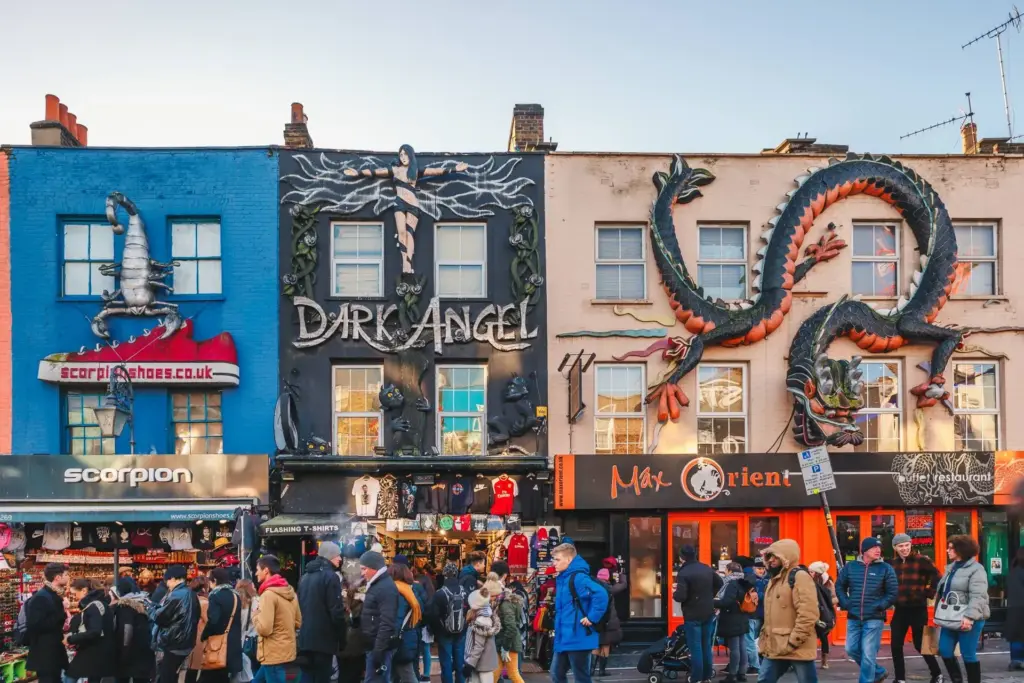
Camden Market is a vibrant hub that encapsulates the eclectic spirit of London, drawing in visitors eager for a unique shopping experience and delicious street food. Originally a collection of stalls founded in the late 1970s, this iconic landmark has evolved significantly over the years, shaping the Camden Market history into a narrative of transformation and community. While it has maintained its reputation for fashion and craftsmanship, there are murmurs of decline as long-time fans question the authenticity of offerings amidst a wave of commercialization. Tourists and locals alike still flock to the market, hoping to savor the diverse culinary delights that street food in Camden has to offer. However, recent feedback suggests that some feel the market has lost its charming edge, raising concerns about its future in the competitive landscape of London markets.
The Camden Market experience continues to attract a varied crowd, becoming a significant player in London’s array of market scenes. Known for its distinct blend of eclectic merchandise, from vintage clothing to bespoke crafts, Camden Market has been a canvas for creative expression. Nevertheless, some visitors lament the changes it has undergone, with discussions around the market’s decline gaining traction among both newcomers and regulars. While the vibrant history of Camden Market remains celebrated, the current landscape suggests a potential shift in its identity, as voices express nostalgia for the authentic atmosphere of yesteryear. As a focal point for street culture, it’s essential to ask—what does the future hold for this iconic market?
Exploring the Camden Market Experience
Camden Market offers a vibrant experience that attracts visitors from all over the globe. Known for its eclectic mix of shops and food stalls, it provides an adventure for anyone looking to delve into the diverse flavors and styles of London. The market features a range of boutiques selling unique fashion pieces, handmade crafts, and vintage finds, ensuring that there’s something for everybody. However, many visitors have recently voiced concerns over the authenticity of the shopping experience, stating that it feels less like a market and more like a commercialized shopping center.
Despite its challenges, the Camden Market experience continues to thrive in areas where it’s still true to its roots. Street food in Camden remains a major highlight, drawing food lovers to sample a spectrum of global cuisines. From spicy Asian dishes to hearty British fare, the culinary offerings maintain the market’s reputation as a foodie’s paradise. The blend of artistry and gastronomy allows guests to immerse themselves in the true essence of Camden, a buzzing hub of creativity and diversity.
The Rich History of Camden Market
Understanding the history of Camden Market adds depth to the experience of visiting this iconic location. The market has evolved from its humble beginnings as a small collection of stalls into one of London’s most famous market areas. It began in the 1970s, primarily attracting artists, musicians, and fashion enthusiasts who came to sell and trade their unique creations. Over the decades, Camden Market witnessed significant growth, with diverse cultural influences shaping its character and offerings.
However, the history of Camden Market is not without its struggles. Fires in the late 2000s devastated parts of the market, leading to large rebuilds that some argue stripped the area of its unique charm. While the market has remained a cultural fixture in London, many believe that the changes over the years diluted its essence, changing it from a haven of alternative culture to a commercial enterprise catering to the masses.
The Decline of Camden Market: A Tourist Perspective
The decline of Camden Market has become a common topic among tourists and locals alike. Many recent visitors have expressed disappointment regarding the transformation of the market over the years. Once celebrated for its alternative culture and unique shopping experience, reviews have increasingly described it as filled with generic items and an unwelcoming atmosphere. Comments from forums reveal sentiments of nostalgia for what once was, contrasting sharply with the modern day offerings.
This perception has led to a decreasing appeal for seasoned visitors who once cherished Camden Market as a staple of London life. Tourists now often compare their experiences to earlier visits, highlighting the stark differences in the market’s vibe. As individuals reminisce about its grungier days, the current landscape—shaped by corporate interests—poses a threat to the unique character that once defined Camden Market.
Street Food in Camden: A Culinary Adventure
Street food in Camden continues to draw crowds, remaining one of the market’s most attractive features. Amidst the critique, street food stalls serve as a beacon of vibrancy, showcasing diverse culinary options from around the world. Visitors can indulge in everything from bold flavors of Caribbean jerk chicken to handmade vegan delicacies, making it a hotspot for food enthusiasts. The lively atmosphere, punctuated by the sizzle of grills and the aroma of spices, contributes to an immersive experience that can’t be easily replicated elsewhere.
Despite the challenges faced by Camden Market in other aspects, the food scene retains a level of authenticity and creativity that resonates with guests. Many local vendors still operate with passion, serving meals that reflect their cultural backgrounds and personal stories. As patrons sit down to enjoy their meals amid the hustle and bustle, it arguably remains one of the most enjoyable aspects of visiting Camden, emphasizing the resilience of the market’s spirit even in the face of change.
The Cultural Significance of Camden Market
Camden Market holds a significant cultural spot within London, representing a melting pot of creative expression through fashion, food, and art. Originally catering to the local subcultures in the 1980s, it embraced the city’s arts and music scene, making it a favored gathering place for those seeking alternative lifestyles. Today, although it faces challenges, the market still acts as a platform for artists and small businesses looking to connect with an audience, carrying forward its legacy.
However, the commercialization of Camden Market raises questions about its future cultural relevance. Critics argue that as it turns more toward mainstream retail and mass consumerism, it risks losing the very identity that made it special. The evolving landscape of Camden demands careful navigation as it strives to balance growth with authenticity, ensuring it remains a vibrant hub of culture and creativity.
Camden Market: A Shopping Destination for All
For many visitors, Camden Market is seen as a shopping destination that caters to diverse tastes and preferences. From the colorful stalls filled with handcrafted jewelry and vintage clothing to the sprawling food court offering global culinary delights, it promises a shopping experience unlike any other. Tourists often explore various nooks and crannies of the market, uncovering hidden gems that add charm and excitement to their visit.
However, this eclectic mix has also led to mixed reviews, as some feel that the mainstays of authentic trade have been overtaken by commercial products. This shift raises important questions about how Camden Market can remain a beloved shopping destination while staying true to its roots and supporting local artisans. Balancing these aspects is critical for retaining its allure in the competitive London market scene.
Tourist Trends at Camden Market
Tourist trends at Camden Market reveal an evolving dynamic, with the market becoming increasingly popular among visitors looking for a quintessential London experience. As word spreads about its diverse offerings, it attracts tourists from across the globe, all eager to partake in its unique blend of culture and commerce. The influx of visitors brings vibrancy and energy, enhancing the market’s atmosphere, but also crowds which can detract from the experience.
With the changing demographics of shoppers, it has become essential for the market to adapt and innovate continually. While maintaining the core values of creativity and individuality is important, embracing fresh ideas and incorporating modern trends can help ensure that Camden Market remains a relevant and attractive destination for new generations of visitors seeking exploration and discovery.
The Future of Camden Market: Hopes and Concerns
The future of Camden Market remains a topic of hope and concern among its loyal patrons and local vendors. As the market continues to evolve, many are optimistic about the potential for revitalization that could restore its unique character. Reviving community engagement and promoting local artisans can help recapture the essence that once made it so appealing. Initiatives aimed at fostering creativity and diversity could pave the way for a new chapter in Camden Market’s storied history.
Conversely, the fear of further commercialization looms large, with many fearing that profit-driven motives could overshadow the market’s artistic roots. The shift towards more mainstream offerings could risk alienating core audiences who appreciate the alternative ethos of the market. Striking a balance between innovation and authenticity will be vital in determining whether Camden Market can continue to thrive in the years to come.
Camden Market: A Blend of Nostalgia and Modernity
Camden Market stands at the crossroads of nostalgia and modernity, as many long-standing visitors reflect on how much it has changed over the years. The nostalgia for the vibrant, grungy atmosphere of the past contrasts sharply with the slick, polished environment that it often seems to embody today. This tension captures the essence of the market’s ongoing evolution, sparking discussions about what it means to adapt while honoring tradition.
Embracing modernity doesn’t have to come at the cost of losing heritage. By incorporating innovative approaches that still celebrate local culture and artistry, Camden Market can find a way to remain relevant without sacrificing its charm. This blend of nostalgia and modernity is what will ultimately define the market’s future, ensuring it continues to welcome both locals and tourists looking to experience the unique spirit of Camden.
Frequently Asked Questions
What makes the Camden Market experience unique compared to other London markets?
The Camden Market experience stands out due to its eclectic mix of alternative fashion, unique crafts, and diverse street food offerings, making it a vibrant shopping destination in London. Originally celebrated for its punk heritage and authentic stalls, Camden Market has evolved into a hub for creativity, where visitors can find everything from vintage clothing to artisanal goods.
What is the history of Camden Market and its transformation over the years?
The history of Camden Market dates back to the 1970s when it began as a small collection of stalls selling handmade goods. Over the years, it evolved into a major cultural landmark, attracting both locals and tourists. However, it has faced challenges, including multiple fires that have destroyed sections of the market, leading to significant transformation and modernization, which some believe has detracted from its original charm.
Has Camden Market experienced a decline in quality and authenticity?
Many visitors and locals believe Camden Market has seen a decline in authenticity, particularly after significant investment and ownership changes by billionaire Teddy Sagi in 2014. Critics argue that the market has become more commercialized, focusing on profit rather than the unique and original stalls that once defined its character.
What street food options can I find at Camden Market?
Camden Market is famous for its diverse street food scene, offering a range of cuisines from around the world. Visitors can savor delicious bites like burgers, vegan dishes, Asian street food, and sweet treats. The vibrant food stalls make Camden a go-to destination for food lovers looking to explore unique flavors while enjoying the lively market atmosphere.
Why do some locals feel nostalgic about Camden Market’s past?
Locals express nostalgia for Camden Market’s past due to its original grunge aesthetic and vibrant community vibe. Many remember it as a place filled with character, creativity, and unique finds before it became more commercialized, often lamenting that recent changes have stripped away its soul in favor of a more corporate feel.
What can visitors expect from Camden Market today?
Today, visitors to Camden Market can expect a blend of traditional market stalls and modern retail experiences. While some find value in the current offerings, including a range of crafts and street food, others feel it lacks the originality and authenticity that once characterized the market, often comparing it to a shopping center for tourists rather than a true cultural landmark.
| Key Points |
|---|
| London’s vibrant markets offer diverse shopping experiences for everyone, including both luxury and vintage finds. |
| Camden Market is a famous example, known for unique fashion and street food. |
| Visitor reviews express disappointment, describing the current market as filled with mass-produced items rather than unique alternatives. |
| Comments on social media reflect a consensus that Camden Market has lost its original charm and authenticity over the years. |
| Several fires have damaged the market over the years, and many believe the rebuilds lack the character of the originals. |
| The market has changed hands, with significant ownership shifts leading to concerns over commercialization. |
Summary
Camden Market has long been a vibrant part of London’s cultural tapestry, known for its eclectic mix of fashion, crafts, and food. However, recent visitor feedback indicates that Camden Market may have strayed from its roots, drawing critiques regarding its authenticity and quality. Former visitors lament the shift from unique stalls to a more commercialized shopping experience, highlighting how recent ownership changes and structural fires have left a lasting impact. As Camden Market continues to evolve, maintaining its original character remains a challenge, but it still holds potential for those seeking to experience the rich cultural landscape that London markets have to offer.