Listen to this article
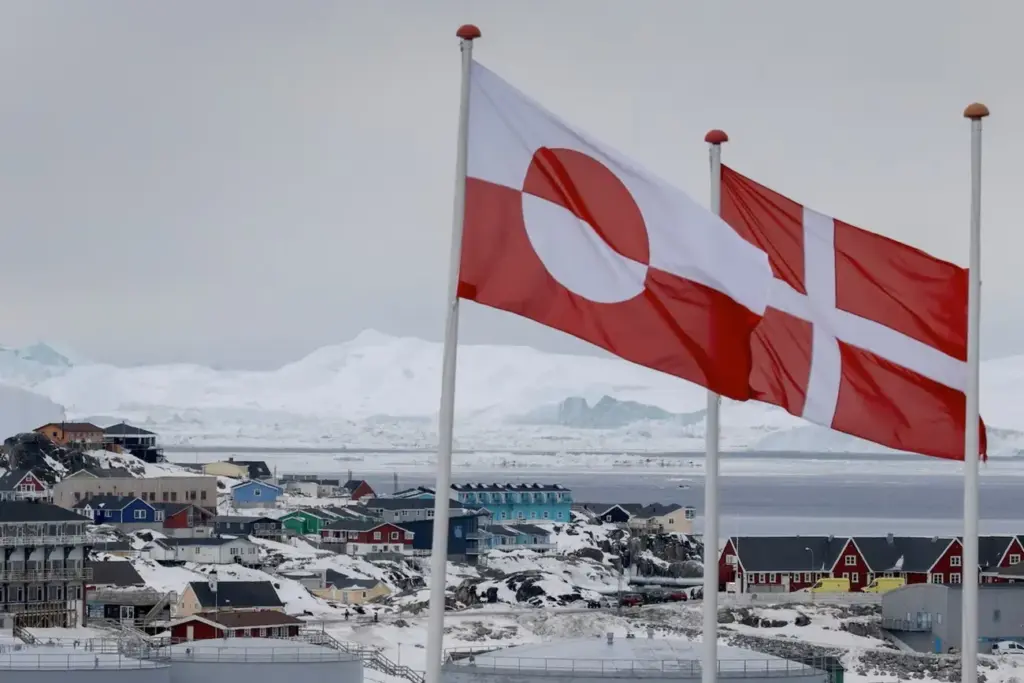
The topic of Greenland US annexation has garnered significant attention, particularly with the controversial comments made by President Trump regarding acquiring this semi-autonomous territory of Denmark. Recently, a bipartisan delegation from the US Congress visited Denmark to engage with local leaders and discuss the delicate relationship between Denmark and Greenland. Senators from both parties expressed concern about Trump’s assertiveness in claiming that Greenland’s vast resources are pivotal for US security interests in the Arctic. The diplomatic discussions aimed to mitigate tensions and address the implications of potential US military expansion in the region, especially in the context of NATO security and its alignment with Arctic strategies. The growing scrutiny surrounding the Greenland US annexation debate underscores the balancing act between local sentiments and national defense priorities.
The ongoing discussions about the potential appropriation of Greenland by the United States have unravelled into a focal point of geopolitical intrigue. As debates intensify, the notion of acquiring this icy territory—integral to Denmark’s governance—has sparked a whirlwind of reactions across political spheres. The exploration of Greenland’s untapped resources and its strategic position in Arctic defense has invited scrutiny from various international actors and stakeholders. Through high-level engagements and the involvement of military personnel, these conversations reflect a complex intertwining of local governance, international relations, and national security. An alternative approach considering the sovereignty of Greenland and the historical ties with Denmark might also pave the way for a more constructive dialogue in the ever-evolving Arctic landscape.
Understanding the Implications of Greenland US Annexation
The debate surrounding Greenland’s potential annexation by the United States has garnered intense attention, particularly following comments made by President Trump regarding the territory’s strategic importance. Greenland, an autonomous territory of Denmark, is not only rich in natural resources but also holds a position that is critical for national security. The US Congress delegation’s visit to Denmark highlights the increasing concern about these developments, signaling a desire to engage in dialogue with the local leaders. Many experts believe that the island’s resources, including rare earth minerals, could be pivotal in boosting the US economy and reducing dependency on foreign supplies.
Furthermore, the geopolitical stakes are high, with both Russian and Chinese territorial ambitions in the Arctic region intensifying. This scenario places Greenland at the center of NATO’s security discussions, prompting European allies to support Denmark in safeguarding the region from unilateral actions by the US. The concept of joint responsibility in Arctic security highlights the importance of collaborative efforts among NATO allies, reinforcing the idea that Greenland’s value extends beyond its resources to encompass broader strategic considerations.
Trump’s Greenland Comments: A Catalyst for Congressional Action
President Trump’s comments about acquiring Greenland have sparked a bipartisan movement within the US Congress, prompting legislators to express both support and opposition regarding his approach. The Congressional delegation’s recent visit to Denmark was motivated by a need to gauge local opinions and concerns about US claims to Greenland. Senator Chris Coons, leading the delegation, emphasized the importance of listening to the voices of Greenland’s residents, who largely oppose annexation. By engaging with Danish officials and the Greenlandic leadership, Congress aims to lower the political temperature surrounding this sensitive issue.
In contrast, some Republican members, including Congressman Jeff Landry, advocate for direct negotiations with Greenland’s leaders rather than through Denmark. This divergent approach underscores the complexities of US foreign policy concerning Greenland and highlights the ongoing divisions within Congress. As discussions continue, legislators are increasingly aware of the prevalent disapproval from American citizens regarding Trump’s annexation plans, with polls indicating that approximately 75% oppose such a move. This pressure may compel Congress to take a more active role in shaping the US stance on Greenland’s future.
The Historical Denmark-Greenland Relationship and Its Impact
The longstanding relationship between Denmark and Greenland has been marked by collaboration and mutual respect, yet the recent push for US annexation threatens to undermine this dynamic. Greenland’s unique cultural and political identity is deeply rooted in its ties to Denmark, and many Greenlanders feel that their sovereignty could be jeopardized by external pressures from the US. The visit by US Congress members was not only a show of support for Denmark but also an acknowledgment of the delicate balance that exists in the region, where local voices must be heard and considered.
Moreover, this relationship is complex and multi-faceted, with Denmark’s historical governance over Greenland influencing contemporary geopolitical considerations. As claims regarding Greenland’s strategic importance and resource wealth become more pronounced, Denmark’s role as a mediator is increasingly significant. Ensuring that negotiations around Greenland’s future involve the perspectives of its people is crucial to maintaining stability and fostering positive diplomatic relations.
NATO’s Role in Maintaining Arctic Security
The Arctic region’s security landscape is increasingly nuanced, with NATO playing a pivotal role in ensuring stability amidst growing geopolitical tensions. The potential annexation of Greenland by the US raises alarms regarding the integrity of NATO’s mutual defense commitments, as Denmark is a founding member of the alliance. European nations have expressed a collective interest in safeguarding the Arctic, arguing that any unilateral actions by the US could set a dangerous precedent for military engagement in the region.
Countries like France, Germany, and the UK have bolstered their military presence in Greenland under the auspices of reconnaissance efforts, highlighting the cooperative spirit of NATO in addressing shared security challenges. This support for Denmark reinforces the idea that Arctic security is a joint responsibility, urging the US to collaborate with its allies rather than resorting to isolationist tactics that could exacerbate tensions with other global powers.
The Strategic Importance of Greenland’s Resources
Greenland’s vast natural resources have made it a focal point in international discussions about economic viability and security. As global demands for rare earth minerals and other resources increase, the US has placed a heightened interest in Greenland’s potential for contributing to the local and global economy. Given its strategic geographical position, which allows for comprehensive monitoring of Arctic activities, the region could serve as a crucial asset for the United States in countering threats from nations like Russia and China.
However, the exploitation of these resources must be approached delicately, considering the aspirations of the Greenlandic people and their desire for autonomy. The implications of resource extraction can have widespread impacts on local communities, making it essential for US policymakers to prioritize sustainable engagement. A balanced approach that respects Greenland’s rights while also leveraging its resources is needed to ensure mutually beneficial outcomes.
Handling International Relations Amid US-Greenland Tensions
The growing tensions between the US intentions towards Greenland and its politically delicate relationship with Denmark exemplify the challenges in today’s geopolitical climate. Confronted by strong opposition from both Danish and Greenlandic leaders, the US Congress must navigate these waters carefully, balancing national security interests with the need for diplomatic coherence. The discussions between the US delegation and Danish officials illustrate a pivotal moment where open dialogue can reshape the future of US-Greenland relations.
Furthermore, maintaining strong ties with Denmark is essential for the US in bolstering its presence in the Arctic and countering Russian aggression. As NATO allies, the US and Denmark must work collaboratively to establish a framework that supports a peaceful resolution to the Greenland situation. The focus on diplomatic efforts could potentially pave the way for a more constructive approach, ensuring that Greenland’s unique position and the interests of its people are at the forefront of any negotiations.
Public Opinion on Greenland and Trump’s Actions
Public sentiment regarding President Trump’s comments on Greenland reveals a significant divide in American perspectives on foreign policy. With polls indicating that a substantial majority of the population disapproves of the idea of annexation, lawmakers are becoming increasingly mindful of their constituents’ opinions. The Congressional delegation’s trip to Denmark serves not just as a gesture of support but as an opportunity to understand and relay these sentiments to Washington.
The influence of public opinion on legislative action cannot be underestimated. As Congress grapples with Trump’s intentions, representatives are finding themselves at a crossroads where they must address the concerns of a populace that largely favors peaceful and respectful diplomacy. This growing recognition of public opposition could lead to more robust checks and balances on executive power, particularly concerning foreign policy decisions that impact long-standing alliances and global stability.
Bipartisan Responses to Greenland’s Future
The issue of Greenland has sparked a rare instance of bipartisanship in Congress, as both Democratic and Republican members grapple with the potential consequences of Trump’s comments. While the Republican-led push for direct negotiations has raised eyebrows, many senators are united in their belief that any future actions must prioritize the wishes of the Greenlandic people and respect Denmark’s sovereignty. This collaboration signifies a collective effort to approach the complex issue of Greenland’s future with caution and respect.
In light of diverging views on the best course of action, the bipartisan support for legislative measures aimed at preserving Greenland’s autonomy is crucial. Lawmakers are not only focusing on national interests but are also conscious of the global implications of American actions in the Arctic. This dialogue among Congress members reflects a broader understanding that the future of Greenland is not only a matter of US security but also a test of diplomatic relations in a rapidly changing geopolitical landscape.
The Future of US-Greenland Relations: Prospects and Challenges
As debates surrounding US annexation of Greenland continue to unfold, the future of US-Greenland relations remains uncertain, filled with both promising prospects and daunting challenges. The rich resources that Greenland offers could enhance the US’s strategic position in the Arctic, making it an attractive geopolitical asset. However, this potential gain must be weighed against the apprehensions expressed by Greenlandic leaders and the importance of maintaining delicate diplomatic relationships with Denmark.
In assessing future relations, it is essential for US policymakers to engage with Greenlandic communities meaningfully, considering their voices in discussions about resource management and sovereignty. Failure to do so could lead to heightened tensions and further opposition to US interests in the region. Thus, fostering a collaborative approach that respects local autonomy while promoting security and economic cooperation will be essential in determining the path forward for US-Greenland relations.
Frequently Asked Questions
What are the implications of Trump’s comments on Greenland US annexation for US-Denmark relations?
Trump’s comments regarding Greenland US annexation have strained US-Denmark relations, as both Denmark and Greenland oppose the idea of annexation. The visit by the US Congressional delegation aimed to reassure Denmark of continued support while acknowledging the significant local opposition to the annexation idea.
What resources in Greenland are driving discussions about its potential annexation by the US?
Greenland’s rich resources, including minerals and rare earth elements, are significant drivers behind discussions about Greenland US annexation. The strategic location of Greenland also enhances the US’s position for monitoring Arctic activities, making it an appealing target for acquisition.
How does the proposed Greenland US annexation affect NATO security in the Arctic?
The proposed Greenland US annexation raises concerns about NATO security, as Denmark warns that any aggressive attempts to annex Greenland could destabilize the alliance. NATO operates on principles of mutual defense, and such actions could jeopardize collective security agreements among member nations.
How are Greenland’s leaders responding to discussions about US annexation related to President Trump’s ambitions?
Greenland’s leaders, alongside the Danish government, have vehemently opposed the notion of US annexation. They emphasize the importance of their autonomy and the need for local decision-making regarding their future without external pressure from the US.
What role does the US Congress play in shaping the future of Greenland amidst the annexation discussions?
The US Congress plays a crucial role in shaping the future of Greenland amidst annexation discussions, particularly through budgetary control. Members of Congress can influence military funding and foreign policy decisions related to Greenland, as demonstrated by bipartisan efforts to advocate for its self-determination.
What is the importance of US military presence in Greenland in the context of annexation talks?
The US military presence in Greenland, especially at the Pituffik base, highlights its strategic value in Arctic security. Trump cites this presence as a justification for annexation, linking it to national security concerns regarding potential threats from Russia or China.
How have European allies responded to the US’s interest in Greenland and its potential annexation?
European allies have rallied around Denmark, supporting its stance against Greenland US annexation. Countries like France and Germany have emphasized the importance of joint NATO responsibility in Arctic security, advocating for cooperative approaches over unilateral US actions.
Why did the US Congressional delegation visit Denmark in light of Greenland US annexation discussions?
The US Congressional delegation visited Denmark to convey solidarity and gauge local sentiment about the Greenland US annexation discussions. Their goal was to listen to concerns and bring a message of respect for Denmark’s relationship with Greenland back to Washington.
What is the local sentiment in Greenland regarding US annexation proposals?
Local sentiment in Greenland largely opposes the idea of US annexation, with polls indicating that about 75% of Greenlanders are against Trump’s plans. The local population values their semi-autonomy and wishes to maintain control over their resources and political decisions.
What are Trump’s future plans regarding negotiations for Greenland in the context of potential annexation?
Trump’s future plans regarding Greenland involve direct engagement with its leaders rather than following traditional diplomatic channels through Denmark. His envoy has expressed confidence in negotiating a deal that would recognize US interests while respecting local governance and autonomy.
| Key Points |
|---|
| A bipartisan group of US Congress members visited Denmark to discuss Greenland’s annexation amid Trump’s pressures. |
| Senator Chris Coons leads the delegation aiming to listen to local voices and advocate their views. |
| Trump asserts the necessity of acquiring Greenland for US security, hinting at both purchase and potential force. |
| Denmark and Greenland oppose US annexation, emphasizing the importance of the Arctic region. |
| The US maintains a military presence at Pituffik base under existing agreements with Denmark concerning troop deployment. |
| Denmark warns that military actions by the US could jeopardize NATO’s mutual defense commitments. |
| European allies express support for Denmark; recognize the need for joint responsibility in Arctic security. |
| Congressional opposition to Trump’s plans includes bipartisan advocacy; Murkowski emphasizes the citizens’ views against annexation. |
| A Republican congressman proposes a bill supporting annexation, suggesting direct talks with Greenland’s leadership. |
Summary
The Greenland US annexation issue has gained significant attention as a bipartisan group of US Congress members traveled to Denmark to address the growing tensions surrounding President Trump’s proposal for the US to acquire Greenland. Despite Trump’s assertions regarding Greenland’s strategic importance, both Denmark and Greenland resist the idea of annexation, highlighting the region’s value and the implications for NATO relations. The complexities of this geopolitical issue underscore the contrasting views within US Congress, where both opposition and support for annexation exist, thereby reflecting the multifaceted nature of international relations in the Arctic region.