Listen to this article
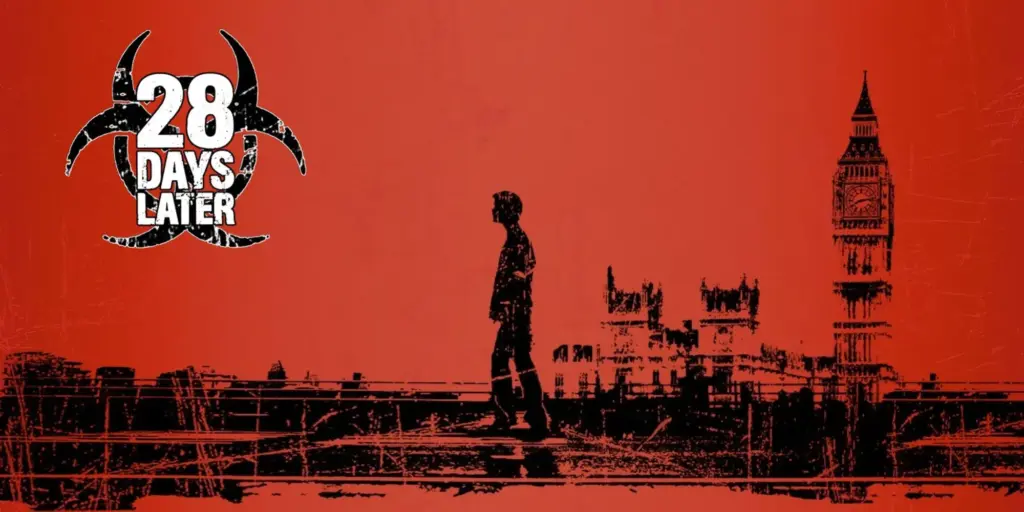
In the realm of post-apocalyptic cinema, few films have had as profound an impact as “28 Days Later,” a riveting 2002 horror film that ushered in a new era of zombie narratives. Not only did it redefine the genre with its intense portrayal of a viral outbreak, but it also championed female horror protagonists, offering audiences complex and resilient characters that broke traditional mold. Fast forward to the contemporary landscape, where the influential director Nia DaCosta helms the latest installment, “28 Years Later: The Bone Temple,” reinforcing the franchise’s legacy of strong female leads. Renowned for transformative horror film reviews, the original “28 Days Later” set benchmarks that resonate today, as the evolution of female characters continues to shape narratives within the horror genre. With a rich blend of suspense and moral depth, it remains a pivotal piece of cinema, reflecting the changing dynamics of gender representation in horror films.
Over two decades since its debut, the original film, “28 Days Later,” remains a benchmark for innovative horror storytelling. This iconic film’s exploration of a viral disaster not only captivated audiences but also set the stage for a new wave of female-centric narratives in genre cinema. As Nia DaCosta takes the reins of the franchise with her recent effort, “28 Years Later: The Bone Temple,” there’s a renewed emphasis on the depth and resilience of female characters in horror. The evolution of these protagonists reflects a broader cultural shift in how stories are told, highlighting the significant impact of female characters in horror films. Thus, as audiences anticipate DaCosta’s fresh take on this beloved franchise, the enduring appeal of the original continues to resonate through its powerful storytelling.
The Evolution of Female Characters in Horror Films
Since the dawn of horror cinema, female characters have often been relegated to the roles of victims or mere plot devices. However, with the release of ’28 Days Later’ in 2002, audiences were introduced to richly developed female protagonists who defied these conventions. As Selena, played by Naomie Harris, emerged as the horror film’s fierce survivor, her complex portrayal added depth to the narrative, illustrating that women could possess both emotional resilience and agency in high-stakes scenarios. This evolution marked a significant transformative moment, ultimately influencing the trajectory of female roles within the genre.
Fast forward to the contemporary landscape of horror films, where female characters are not only central to the plot but are also crafted with intricate backstories that resonate with audiences. DaCosta’s ’28 Years Later: The Bone Temple’ continues this trend by featuring Jimmy Ink as a pivotal character whose moral compass navigates the chaotic narrative. This shift reflects the genre’s broader understanding that female horror protagonists can drive the story, emphasizing their complexities and strengths rather than simply serving as objects of fear or projection.
Nia DaCosta: A New Voice in the 28 Days Later Franchise
Bringing fresh vision and perspective to the horror genre, Nia DaCosta’s directorial helm for ’28 Years Later: The Bone Temple’ marks a watershed moment in the franchise’s history. Her affinity for horror films and the respect she has for the original material underscore her ability to fashion a narrative that honors the past while exploring new themes. With a strong narrative focus on female characters navigating through emotional and physical turmoil, DaCosta demonstrates how female filmmakers are reshaping the landscape of horror, making it more inclusive and representative.
DaCosta’s approach is not just about continuation but innovation; she skillfully interweaves contemporary themes of survival, resilience, and moral complexity through her protagonists. By taking pivotal steps away from traditional storytelling, she establishes a narrative dynamic that allows for a deeper exploration of character motivations and emotions—especially those of her female leads. This is vital in engaging audiences who are increasingly craving stories that reflect their real-life experiences and complexities.
Impact of Female Characters on Contemporary Horror Movie Trends
In recent years, the impact of female characters on horror films has become increasingly palpable. With the genre’s evolution, films like ‘Midsommar’ and ‘Get Out’ showcase protagonists who are not only central to the plot but also serve as vessels for deeper emotional exploration. These stories invite viewers into the narrative, allowing them to connect with characters who embody strength, vulnerability, and complexity. The success of films with female leads demonstrates a clear trend: audiences are drawn to narratives that allow women to occupy multifaceted roles, breaking away from the traditional archetype of the damsel in distress.
The success of ’28 Days Later’ and the legacy of subsequent films highlight this shift further. Characters such as Naomie Harris’s Selena have left an indelible mark on the genre, illustrating that horror can be driven by female resilience and strength rather than mere victimization. As evidenced by the enthusiastic reception of DaCosta’s work, there is a growing demand for horror that reflects the real struggles of women, enabling the genre to evolve while still delivering the thrills and chills that audiences love.
Audience Shifts: Women as Essential Demographics in Horror
As the landscape of cinema has changed, so have the tastes of its audience. Recent analytics indicate that women, particularly those under 35, are now not just part of the viewership but are crucial to the box office success of horror films. This demographic shift highlights the importance of including diverse voices and stories in horror narratives—those that resonate with female experiences and perspectives. The acknowledgment of women as active participants in horror implies a need for stories that not only entertain but also empower and reflect their potential.
In films such as ’28 Years Later: The Bone Temple’, the consideration of female perspectives becoming central in storytelling has intensified. The characters are not simply peripheral figures; instead, they are integral to the narrative’s progression and emotional depth. As audiences are increasingly developing and vocalizing their preferences for meaningful representations, filmmakers are responding by crafting more nuanced roles that celebrate women’s experiences, marking a significant evolution in horror cinema.
Analyzing the Impact of 28 Days Later on the Horror Genre
’28 Days Later’ has left an indelible mark on the landscape of horror films since its release. As one of the pioneering examples of modern zombie cinema, it broke away from traditional portrayals of the genre—a departure that has resonated with audiences for years. The film’s focus on societal collapse combined with the emotional depth of its characters, particularly its strong female lead, set a new standard for how horror narratives could unfold, paving the way for future installments and reinterpretations like ’28 Years Later: The Bone Temple’.
This progression not only allows filmmakers to revisit and rebuild upon the established narratives but also underscores the idea that horror films can serve as thought-provoking reflections of society. ’28 Days Later’ showcased characters who faced harrowing crises, thus positioning horror as a canvas for exploring fear, vulnerability, and survival. The impact of these themes continues to influence contemporary horror, convincing artists and audiences alike that stories need to push boundaries—addressing emotional truths while delivering spine-chilling experiences.
The Future of Horror with Female Protagonists
The trajectories of horror films continue to weave female protagonists into the narrative fabric. The release of ’28 Years Later: The Bone Temple’ reveals not just a continuation of a beloved franchise but an evolution toward storytelling that embraces complexities often absent from earlier works. With a landscape more aware of gender representation, the future of horror promises to delve deeper into the emotional and psychological facets of female characters, creating inclusive narratives that resonate with diverse audiences.
As filmmakers like Nia DaCosta take the reins, the emphasis is placed on exploring stories that reflect genuine resilience and emotional integrity. This approach invites a new generation of audiences to engage with horror narratives in fresh ways, transforming perceptions and encouraging discussions around the roles women play both on-screen and in the audience. The evolution of horror narratives is opening doors to countless possibilities, suggesting a future enriched with compelling female characters who defy tropes and redefine the genre.
The Role of Female Voices in Horror Reviews
The appreciation for female-led horror narratives is reflected not only in their production but also in the discourse surrounding them. With myriad film reviews dissecting performances and thematic explorations from a variety of perspectives, female critics are gaining a more prominent voice in the critique of horror films. This is particularly evident as audiences increasingly seek out reviews that resonate with their own experiences, leading to a broadened dialogue that favors inclusivity and depth.
As the critical landscape shifts, films like ’28 Days Later’ and its successors are being reviewed through lenses that appreciate character complexity and emotional narratives. The recognition of female protagonists, their struggles, and triumphs invites critics to explore themes of empowerment and resilience in their analysis. This shift signals a move away from the one-dimensional portrayal of horror females towards a more nuanced understanding of their roles, thus influencing the broader perception and acceptance of women in horror.
The Cultural Significance of Horror Films Featuring Women
Horror films have always served as a mirror to societal fears and values. As the presence of women in horror becomes more prominent, these films begin to reflect evolving cultural narratives surrounding feminism and gender empowerment. Notably, ’28 Days Later’ and its sequels have played a crucial role in rewriting these narratives, inviting audiences to rethink traditional gender roles while tackling vital social themes. The increasing complexity of female characters allows horror to challenge stereotypes and encourage conversations about women’s autonomy in both life and death situations.
In this light, horror becomes more than just a genre of thrills; it transforms into a platform for exploring real-world issues through exaggerated fears. With an emphasis on female experiences, films that feature strong, intelligent women challenge viewers to engage with broader themes of social justice, survival, and personal agency. Films like ’28 Years Later: The Bone Temple’ not only entertain but stimulate critical thought regarding the portrayal of women in cinema, showcasing that their stories deserve to be told, witnessed, and celebrated.
Reviews of 28 Years Later: The Bone Temple
Initial receptions of ’28 Years Later: The Bone Temple’ have been overwhelmingly positive, illustrating the power of Nia DaCosta’s vision for the franchise. Critics have lauded the film’s character development, particularly in how it portrays complex female leads that audiences can connect with. With praise on platforms like Rotten Tomatoes, where it achieved an impressive rating, the film stands out in a competitive horror landscape. Reviewers note that under DaCosta’s direction, the emotional depth of the characters has added significant weight to the already thrilling narrative.
Moreover, the film has attracted attention not only due to its engaging storyline but also because of the conversations it reignites about women in horror. The emotional genuineness imbued in characters and their arc explorations, especially for the female protagonist, has struck a chord with critics and audiences alike. This recognition underscores the shifting paradigm within horror, promoting inclusive storytelling that resonates with the contemporary viewer while paying homage to the franchise’s storied past.
Frequently Asked Questions
What themes does ’28 Days Later’ explore in relation to female horror protagonists?
’28 Days Later’ is notable for its exploration of themes surrounding female horror protagonists, primarily through the character of Selena, played by Naomie Harris. The film presents female characters with emotional depth, agency, and complexity, setting a precedent for the genre. This portrayal allows women not just to survive, but to actively shape the narrative, aligning with current trends that emphasize the importance of strong female characters in horror films.
How has ’28 Days Later’ influenced the portrayal of female characters in modern horror?
The impact of ’28 Days Later’ on the portrayal of female characters in horror cannot be overstated. Its female protagonists, notably Selena, showcase resilience and moral complexity, which contrasts sharply with the typical ‘damsel in distress’ trope. This shift has paved the way for newer films, like ’28 Years Later: The Bone Temple’, directed by Nia DaCosta, to continue developing multifaceted female characters that resonate with today’s audiences.
What is the significance of Nia DaCosta directing ’28 Years Later’ after the success of ’28 Days Later’?
Nia DaCosta directing ’28 Years Later: The Bone Temple’ marks a significant moment for the franchise, emphasizing the evolution of female representation in horror. The original ’28 Days Later’ broke ground by portraying women like Selena as strong and capable. DaCosta’s involvement further elevates this tradition, indicating a shift towards inclusive storytelling that highlights the complexity and resilience of female horror protagonists.
How does ’28 Days Later’ differ from typical horror films of its time in terms of female characters?
’28 Days Later’ stands out from typical horror films of its era by providing its female characters with substantial roles that go beyond mere vulnerability or exploitation. Selena is portrayed as a competent survivor, challenging the conventions seen in late 1990s and early 2000s slasher films. This focus on strong female characters laid the groundwork for future films and greatly impacts audience expectations regarding female representation in horror.
What positive reception has ’28 Years Later: The Bone Temple’ received regarding its female lead?
’28 Years Later: The Bone Temple’ has garnered positive reviews, with particular praise directed towards the character of Jimmy Ink, played by Erin Kellyman. Critics highlight how her role as a guiding force for the protagonist reflects a continuation of the franchise’s legacy of strong female characters first seen in ’28 Days Later’. This emphasis on layered female roles is resonating well with today’s audiences and critics alike.
Why is the evolution of female characters in horror films, as seen in ’28 Days Later’, important?
The evolution of female characters in horror films, notably in ’28 Days Later’, is crucial as it reflects broader societal changes. By presenting women as complex, capable figures, the film challenges traditional gender roles within the genre. This shift not only empowers female audiences by providing relatable characters but also influences the narrative direction of contemporary horror, as seen in franchises like ’28 Years Later’.
| Key Point | Details |
|---|---|
| Impact of 28 Days Later | Changed perceptions of female roles in horror, offering complex, resilient characters. |
| New Direction | Nia DaCosta, the first female director of the franchise, introduces new narratives in “28 Years Later: The Bone Temple.” |
| Character Depth | Jimmy Ink is positioned as a moral center, guiding the protagonist’s arc and enhancing female representation. |
| Audience Evolution | Women, especially under 35, have become crucial to horror film success, indicating a shift in audience demographics. |
| Positive Reception | “28 Years Later: The Bone Temple” received 94% on Rotten Tomatoes, praised for its direction and storytelling. |
Summary
28 Days Later not only redefined the horror genre but also elevated the portrayal of women within it, showcasing them as strong and complex characters. The evolution of the franchise continues with Nia DaCosta’s direction in “28 Years Later: The Bone Temple,” reflecting a growing demand for nuanced female narratives in horror. With its impressive critical reception and focus on resilient female protagonists, this legacy promises to resonate strongly with modern audiences.