Listen to this article
Maternity care in England has become a critical topic of discussion, especially in light of alarming revelations about the disparities in outcomes across different regions. Recent studies have shown that maternity services in the Midlands and North exhibit higher rates of perinatal deaths and stillbirths when compared to the more favorable statistics in the South. This ongoing concern is further emphasized by the NHS maternity review, which aims to investigate systemic failures leading to preventable tragedies within these institutions. Researchers have identified specific Trusts, such as Sandwell and West Birmingham Hospitals NHS Trust, that consistently report concerning neonatal death statistics over the past decade. As the urgency to improve maternity services deaths and address issues like stillbirth rates in the UK intensifies, the need for effective, data-driven solutions has never been more crucial.
The quality of maternal healthcare in England, encompassing the broad spectrum of pregnancy, childbirth, and postpartum care, is increasingly scrutinized. Regions like the Midlands and North face significant challenges, with higher occurrences of poor maternity outcomes, not only impacting maternal health but also elevating stillbirth and neonatal mortality rates. The impending NHS maternity review promises to shed light on these pressing concerns, aiming to rectify ongoing systemic issues. In light of recent data, it is evident that addressing the disparities in maternity services will require a multifaceted approach, including governmental oversight and targeted interventions within poorly performing Trusts. As the nation confronts these stark statistics, the imperative for change in these critical services grows stronger.
Understanding Maternity Care in England
Maternity care in England is a critical area of focus, especially given recent studies highlighting disparities in outcomes across various regions. Notably, mothers and babies in the Midlands and North face higher risks of complications and deaths in comparison to their counterparts in the South. This situation calls for a comprehensive examination of the maternity services provided in these areas, as well as the systemic issues that contribute to these disparities. By analyzing key metrics such as stillbirth rates and neonatal death statistics, we can better understand the challenges faced by expectant mothers and infants in these regions.
The current review of maternity care being conducted by the NHS seeks to address these discrepancies and improve overall outcomes. With the involvement of authorities such as Health Secretary Wes Streeting, there is a strong emphasis on identifying and rectifying the systemic failures that lead to catastrophic outcomes in maternal and neonatal health. This ongoing inquiry aims to spotlight the importance of quality care across all maternity services and ensure that mothers receive the support and attention they deserve during this critical time.
Impact of Maternity Services Deaths in the Midlands
The findings from recent research underscore the alarming rates of maternity service deaths in the Midlands, which have raised significant concern among health professionals and policymakers alike. For instance, Sandwell and West Birmingham Hospitals NHS Trust has been identified as among those with persistently higher-than-average death rates, prompting urgent calls for action. Such statistics not only highlight the urgent need for improvement but also have profound implications for the families affected by these tragic losses. Every maternal and neonatal death is a heartbreaking reminder of the gaps that still exist in the healthcare system.
Efforts to investigate and improve outcomes have led to a review of practices within these maternity services, aiming to learn from both the failures and successes experienced in different Trusts. Strategies include analyzing the clinical practices, policies, and cultural environments of facilities that report better outcomes. The hope is that by understanding what works in lower-risk areas, like the Royal Free London NHS Foundation Trust, similar improvements can be replicated in the Midlands to reduce maternity services deaths across the board.
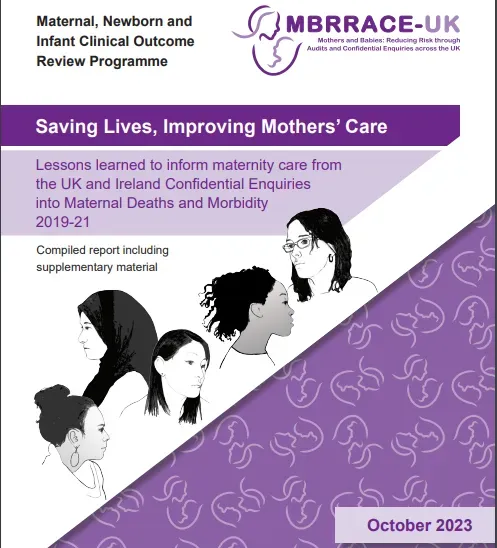
In light of this, the importance of continuous monitoring and evaluation cannot be overstated. Institutions like MBRRACE-UK play a pivotal role in documenting deaths and providing important data insights that inform policy decisions and clinical practices. The need for an unwavering commitment to reducing both stillbirth rates and neonatal deaths statistics is clear, making it imperative that effective strategies are put in place immediately.
Addressing Stillbirth Rates in the UK
Stillbirth rates in the UK have become a significant concern for public health, particularly in regions such as the Midlands where the incidence appears to be higher. Recent reports indicate that over 23,000 stillbirths occurred in England between 2013 to 2022, highlighting an area where urgent interventions are needed. The idea of halving stillbirths, neonatal and maternal deaths by 2025 is a target that currently seems out of reach. Understanding the root causes of these elevated rates is essential to formulating effective solutions and ensuring that no families have to experience the tragedy of losing a child at birth.
The current inquiry into maternity care and the specific focus on stillbirth rates is a crucial step toward identifying ineffective practices and supporting new guidelines that prioritize maternal and infant safety. The review aims to learn from data analysis and adherence to best practices observed in top-performing hospitals. By investigating factors such as socio-economic disparities and clinical practices that lead to higher stillbirth rates, health authorities can implement tailored interventions to improve outcomes across the board.
Neonatal Death Statistics: A Call to Action
Neonatal death statistics paint a stark picture of infant mortality in England, with almost 10,500 deaths occurring within the first 28 days of life over the past decade. These figures spark urgent conversations around improving neonatal care and addressing the systemic factors that contribute to these losses. The data clearly indicates that, despite some efforts, reductions in these figures have not met the ambitious targets set by previous governments. The challenge of lowering neonatal death rates remains a top priority for healthcare providers and policymakers alike.
In response to the concerning neonatal death statistics, it is essential for Trusts to rigorously assess their practices and outcomes. This entails a thorough review of the care protocols and clinical environments impacting neonatal health. The aim is to foster a culture of excellence within maternity services that prioritizes both the physical and psychological well-being of mothers and their newborns. By focusing on education, training, and proper resource allocation, the healthcare system can strive to minimize neonatal deaths and enhance overall maternity care across the UK.
Midlands Maternity Outcomes: Analyzing the Data
The analysis of maternity outcomes in the Midlands has revealed troubling trends that demand immediate attention. The data shows that, compared to the South, the Midlands consistently reports worse maternity outcomes, particularly in terms of stillbirths and neonatal deaths. Various Trusts have been scrutinized, revealing that while some manage to maintain quality care, others fall significantly short, raising questions about resource distribution and access to quality services for expectant mothers.
As the NHS conducts in-depth reviews into these disparities, understanding the nuances of Midlands maternity outcomes becomes increasingly important. This includes investigating the socio-economic factors that contribute to varying health outcomes, such as access to prenatal care and the quality of clinical services. Through focused efforts to facilitate improvement in these areas, it is hoped that the Midlands can see a major turnaround in maternity outcomes, ensuring all mothers receive the best possible care throughout their pregnancy journey.
The NHS Maternity Review and Its Implications
The ongoing NHS maternity review holds significant implications for the future of maternal and neonatal care in England. With the Health Secretary’s commitment to tackling systemic failures, this comprehensive evaluation is set to uncover the root causes behind the disparities in maternity outcomes across various regions. Central to this review is the analysis of how different NHS Trusts operate and the impact that operational practices have on stillbirth rates and neonatal deaths—crucial metrics of maternity care quality.
As the review progresses, it aims not only to identify failures but also to draw from best practices observed in successful Trusts. The ultimate goal is to create a unified set of standards and protocols that can elevate maternity care across the board. By focusing on evidence-based improvements and ensuring that lessons are learned from past mistakes, the NHS can work toward a future where maternity care is equitable and effective for all mothers in England, ultimately leading to better maternal outcomes and healthier babies.
Lessons from Maternity Service Failures
The tragedies stemming from failures in maternity services serve as powerful reminders of the need for reform and improvement across the board. Cases involving alarming stillbirth rates and poor neonatal outcomes underscore the urgency to learn from past mistakes and implement proactive changes within NHS maternity units. Each reported incident of maternal or child mortality carries lessons that, if acted upon, can prevent future tragedies and ensure that all mothers receive the safe and dignified care they deserve.
The value of sharing information and experiences from a range of Trusts becomes apparent as we analyze the circumstances leading to service failures. By embracing transparency and fostering a culture that encourages learning from mistakes, the healthcare system can pave the way for sustainable improvements. This effort must include extensive training for medical staff, investing in better resources, and ensuring open communication between healthcare providers and the families they serve.
Government Targets and Their Achievements
The UK government’s ambitious target of halving stillbirths, neonatal deaths, and maternal deaths by 2025 highlights a significant commitment to improving maternity care. However, as recent findings indicate, these targets have largely been missed, raising concerns about the effectiveness of current strategies and the resources allocated to maternity services. The report revealed that while a 36% reduction in stillbirth and neonatal deaths is notable, it falls short of the ambitious goals set just years ago.
In order to bridge this gap, it is imperative for the government and health authorities to revisit their action plans and scrutinize the areas that remain problematic. By employing targeted interventions based on the specific needs of various regions—including the Midlands where outcomes are concerning—the government can better allocate resources and implement effective measures to reach these vital targets. Ensuring the health of mothers and infants must remain a top governmental priority, not just for meeting numeric goals but for safeguarding the future of families across England.
Community Engagement in Maternity Care Improvement
Community engagement plays a pivotal role in improving maternity care outcomes. By involving local communities in discussions about their health services, the NHS can gain invaluable insights and feedback on what changes are necessary to enhance care for mothers and their infants. Engaging with mothers, fathers, and support networks leads to a more comprehensive understanding of the challenges they face and allows providers to tailor their services accordingly.
Moreover, fostering partnerships between healthcare providers and community organizations can facilitate better access to support programs and educational resources for expectant parents. Initiatives aimed at raising awareness about maternal health issues and advocating for better services can empower families and influence policy decisions. This collaborative approach not only enhances the quality of maternity care but also builds trust and resilience within the community—a crucial element in addressing the systemic issues that have historically plagued maternity services in England.
Frequently Asked Questions
What are the current stillbirth rates in the UK, particularly in relation to maternity care in England?
As of the latest findings, stillbirth rates in the UK remain a significant concern, especially within the context of maternity care in England. Between 2013 and 2022, there were approximately 23,465 stillbirths reported, with the Midlands and North facing higher mortality rates than the South. Despite a target set to halve stillbirth rates by 2025, the goal has not been met, indicating systemic issues within maternity services.
How do maternity services deaths in the Midlands compare to those in the South of England?
Recent studies reveal that maternity services deaths are notably higher in the Midlands and North of England compared to the South. An analysis of data from 121 maternity services indicated that the ten worst-performing centers were located in these regions, emphasizing a significant disparity in maternal and neonatal outcomes across the country.
What factors contribute to the neonatal death statistics related to maternity care in England?
Neonatal death statistics in England have been impacted by various factors, including socio-economic deprivation, ethnicity, and gestational age at birth. Data from MBRRACE-UK indicates a concerning rate of 10,478 neonatal deaths from 2013 to 2022, highlighting the urgent need for improvements in maternity care services to address these disparities.
What initiatives are being taken to improve maternity care outcomes in the Midlands?
In response to persistent problems in maternity care outcomes in the Midlands, the NHS is currently conducting a comprehensive review aimed at addressing systemic failures. This review will investigate the high maternity services deaths and mortality rates, enabling lessons to be learned from Trusts with better outcomes and ensuring improvements in healthcare delivery.
How does the NHS maternity review plan to address systemic failures in maternity care?
The NHS maternity review aims to tackle systemic failures by investigating and identifying factors contributing to higher maternity services deaths in specific regions. Health Secretary Wes Streeting has emphasized that preventable tragedies cannot be ignored, and the review will include visits to Trusts with lower mortalities to understand effective practices.
What lessons are being learned from the findings on Midlands maternity outcomes?
The findings on Midlands maternity outcomes have highlighted the need for a thorough examination of clinical practices, culture, and policies in maternity care. By observing facilities with consistently lower-than-average death rates, the review seeks to implement effective strategies that can be applied across the worst-performing services.
| Region | Performance (Good/Bad) | Trusts Notable for Death Rates | Key Findings |
|---|---|---|---|
| Midlands and North England | Bad | Sandwell and West Birmingham Hospitals NHS Trust, Leeds Teaching Hospitals NHS Trust, Royal Devon University Healthcare NHS Foundation Trust | Higher-than-average death rate over 10 years; ongoing police investigation for Shrewsbury and Telford Hospital NHS Trust. |
| South England | Good | Norfolk and Norwich University Hospitals NHS Foundation Trust, Royal Free London NHS Foundation Trust, University College London Hospitals NHS Foundation Trust | Consistently lower-than-average or declining death rates. |
| National Data (2013-2022) | Overall Maternity Services | Total 33,943 perinatal deaths; 10,478 neonatal deaths; 23,465 stillbirths reported. | |
| Government Targets | N/A | Targets to halve rates of stillbirths, neonatal, and maternal deaths by 2025 missed. | |
| Ongoing Reviews | N/A | Major reviews into systemic failures in maternity care, with high death rates prompting investigations. | |
Summary
Maternity care in England faces significant challenges, particularly in the Midlands and North, where babies are at a higher risk of death surrounding birth. With current inquiries and government reviews underway, there is a critical need for systemic improvements to maternal health services. The findings from extensive studies highlight the urgent requirement for changes to ensure safer outcomes for mothers and babies alike.