Listen to this article
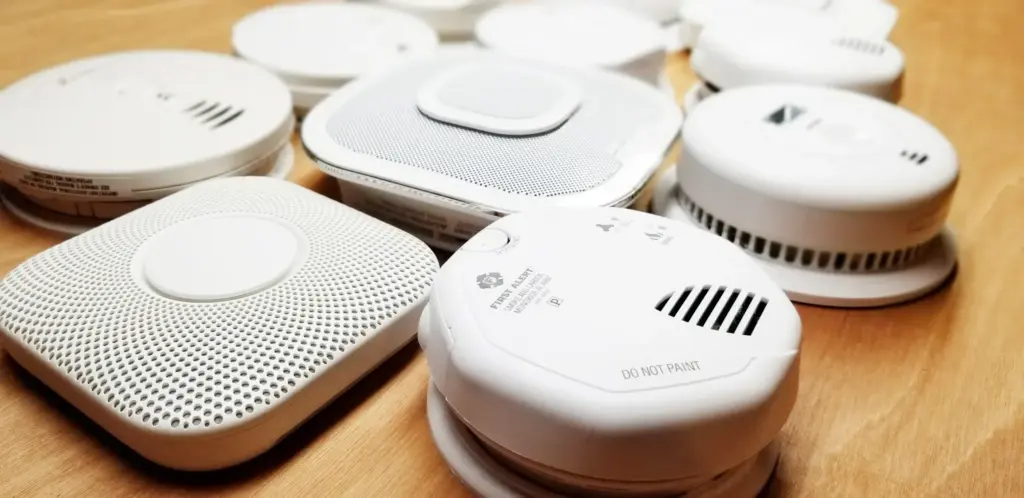
Smoke detectors are vital devices that safeguard homes and lives from the devastating effects of fire. As the landscape of fire detection technology advances, we witness the emergence of evolving smoke alarms and smart smoke detectors designed to enhance safety and response times. Modern smoke alarms utilize sophisticated mechanisms to quickly identify smoke and fire, with some even integrating with home security systems to provide real-time alerts. Understanding how smoke detectors work is crucial, as they play an essential role in preventing tragedies similar to that experienced by families like the McConnells. With nearly four million UK adults potentially living in homes without any smoke alarm, it’s evident that awareness and innovation in fire detection remain paramount.
Fire alarm systems, often referred to as smoke alarms, have significantly transformed over the years, reflecting the urgent need for reliable safety mechanisms in residences and commercial spaces alike. These state-of-the-art fire detection devices, including advanced smart alarms, are designed to rapidly sense any signs of smoke, thus providing an early warning to occupants. Given the complexities of contemporary living environments, understanding alternative fire monitoring technologies has become increasingly important, as many newer devices are engineered to tackle challenges like identifying fires caused by lithium-ion batteries. As we delve into the evolution of fire safety, it is crucial to consider how advancements such as machine learning and AI-based monitoring systems can further enhance our protection against fire hazards.
The Importance of Smoke Detectors in Fire Safety
Smoke detectors are vital devices in ensuring fire safety within homes and buildings. They serve as an early warning system, alerting occupants in case of smoke or fire, significantly increasing their chances of safely evacuating a hazardous situation. Case studies, such as the McConnell family incident, highlight the life-saving capabilities of smoke detectors when functioning effectively. Without such devices, individuals can find themselves in perilous situations, potentially resulting in severe injuries or fatalities.
Despite their importance, many homes lack operational smoke alarms. Statistics indicate that a significant percentage of households remain without these crucial devices, underscoring a critical gap in fire safety measures. This alarming trend necessitates a collective responsibility among homeowners and businesses to enhance awareness around fire safety and the imperative need for functional smoke detectors.
Evolution of Smoke Detector Technology
Smoke detector technology has evolved over the years, adapting to modern living environments and the challenges they present. Today, we see a transition from traditional alarms to advanced devices that can detect a wider range of fire indicators, including those from lithium-ion batteries found in e-bikes. Research and development are actively exploring smarter solutions, augmenting the reliability and responsiveness of smoke detectors to increasing fire hazards.
Furthermore, advancements in fire detection technology have led to the creation of smart smoke detectors that connect to Wi-Fi networks, allowing users to receive alerts on their mobile devices. This innovative approach not only enhances safety but also addresses issues related to false alarms that often lead to deactivation of smoke detectors. With ongoing enhancements in fire detection capabilities, the future promises even more responsive smoke safety solutions.
Types of Smoke Alarms: Ionization vs. Photoelectric
Smoke alarms generally fall into two categories: ionization and photoelectric detectors. Ionization smoke alarms work by using a small amount of radioactive material to ionize air in a detection chamber. When smoke enters this chamber, the ion flow is disrupted, triggering the alarm. This type is most effective for detecting fast-flaming fires, but they can be less effective with smoldering fires, which often produce larger smoke particles.
On the other hand, photoelectric smoke alarms utilize a light source that detects smoke’s presence by scattering light when smoke enters the chamber. Known for their proficiency in detecting smoldering fires, photoelectric alarms provide a more nuanced response in certain fire situations. The decision between these two types depends largely on the specific fire risks present in one’s environment, highlighting the importance of understanding how smoke detectors work and which type is best suited for different applications.
Challenges in Fire Detection: New Age Fire Hazards
As environments evolve, so do the challenges faced by smoke detectors in fire prevention. Rapid advances in technology, such as the increased use of lithium-ion batteries in everyday appliances, have introduced new fire hazards that traditional smoke detectors may struggle to address. These batteries can fail without prior warning, emitting toxic gases, and potentially leading to dangerous explosions in contained spaces.
To confront these emerging threats, researchers and manufacturers are designing smoke detectors with heightened sensitivity and new sensing methods. For instance, aspirating smoke detectors continually sample air, enabling quicker responses to small amounts of smoke or hazardous gases. Adapting to these new realities is essential for improving overall fire safety in residential and commercial spaces.
The Role of Smart Technology in Smoke Detection
Smart smoke detectors represent the latest progression in fire safety technology, providing features that significantly enhance safety and convenience for users. These devices not only alert homeowners in real-time by sending notifications to their smartphones but can also be integrated with home management systems for further automation. The incorporation of Wi-Fi connectivity ensures that users remain informed of potential dangers, even when away from the premises.
Moreover, companies like Kidde and FireAngel are innovating services that mitigate the common issue of nuisance alarms. By developing products that minimize false alerts, these smart detectors encourage users to keep their devices active. As such solutions evolve, they foster greater acceptance and reliance on smoke alarm systems, ultimately improving fire safety outcomes.
Addressing False Alarms: Enhancing Smoke Alarm Reliability
False alarms are a significant challenge in the smoke detector landscape, often leading individuals to disconnect their alarms out of frustration. Addressing this issue is imperative, as it directly impacts the effectiveness of smoke detectors in preventing fire-related tragedies. Manufacturers are responding to these concerns by fine-tuning their devices to ensure greater accuracy and minimize false positives, especially in environments where common cooking activities can trigger alarms.
Technological advancements, such as improved smoke detection algorithms and user feedback mechanisms, are paving the way toward more reliable smoke alarms. By creating devices that balance sensitivity and reliability, the industry is working to enhance both user trust and safety compliance, ensuring that when alarms do sound, they indicate genuine danger.
Future Innovations in Fire Detection Technology
The future of smoke detection technology is poised for remarkable advancements driven by research and innovation. One exciting avenue is the development of AI and machine learning applications that enable smoke detectors to analyze video footage from various sources, including CCTV and personal devices. This capability can drastically enhance the accuracy of fire detection, reducing false alarms and providing precise alerts to emergency services.
Initiatives like these represent a paradigm shift in how we perceive smoke detection, moving beyond simple responsiveness to predictive and analytical capabilities. As these smart technologies become more commercially accessible, they offer the promise of significantly enhancing fire safety in diverse environments, ultimately saving lives and property.
Best Practices for Smoke Detector Maintenance
Maintaining smoke detectors is paramount for ensuring their effectiveness in the event of a fire. Regular testing—typically recommended once a month—helps confirm the alarms are functioning properly. Additionally, it is crucial to replace batteries at least once a year and to replace the entire smoke alarm unit every ten years, or as recommended by the manufacturer. Awareness of these maintenance practices can dramatically enhance household fire safety.
Homeowners should also consider installing multiple smoke detectors throughout the property, particularly in common areas, bedrooms, and near kitchens. Strategically placing these devices will maximize their reach and the likelihood of detecting potential fires swiftly. Along with proper maintenance, educating all household members about smoke alarm operation and fire safety procedures is equally essential for building a culture of preparedness.
Legislation and Smoke Detector Requirements
Legislation surrounding smoke detector requirements varies significantly across regions, underscoring the need for homeowners to be informed about local laws. Many jurisdictions mandate the installation of smoke alarms, especially in residential properties, to enhance safety standards. Compliance with these regulations not only protects individuals and families but also contributes to overall community safety.
In addition to basic legal requirements, awareness and compliance can also lead to potential insurance benefits. Homeowners with adequately installed and maintained smoke detectors may qualify for discounts on homeowner’s insurance. Aligning personal fire safety practices with legal guidelines demonstrates a proactive approach to reducing fire risks and ensuring safer living environments.
Advancements in Fire Detection Research
Ongoing research into fire detection technology aims to address emerging challenges and enhance the effectiveness of smoke detectors. Researchers are examining new materials and technologies that can provide quicker and more reliable detection of various fire scenarios, improving safety for modern living spaces filled with advanced electronics and materials that may behave unpredictably in the event of a fire.
Collaborations between universities and fire safety organizations are paving the way for innovative solutions, from AI-driven detection systems to improved alarm algorithms that factor in environmental variables. These advancements hold the potential to transform traditional smoke detectors into highly responsive systems adept at minimizing false alarms while maximizing occupant safety.
Frequently Asked Questions
What are modern smoke detectors and how do they work?
Modern smoke detectors use advanced fire detection technology, including ionization and optical sensing methods, to effectively identify smoke and potential fires. Ionization-based systems detect fast flaming fires, while optical smoke detectors are better for slow, smoldering fires. Both types are essential for home safety, ensuring a quick alert in the event of smoke.
How are smart smoke detectors enhancing fire safety?
Smart smoke detectors are the latest evolution in fire detection technology. They connect to your Wi-Fi network and can send real-time alerts to your phone, even when you’re not at home. This innovative feature allows users to monitor their homes remotely, enhancing safety by enabling faster responses to smoke detection.
Why is it important to have a working smoke detector in your home?
Having a functioning smoke detector is critical for fire safety. Statistics show that homes without working smoke alarms are significantly more likely to be the site of a fatal fire. These devices can alert occupants to danger, giving them valuable time to escape and call for help.
What challenges do evolving smoke alarms face with new fire risks?
Evolving smoke alarms are now being tested for their ability to detect new fire risks, such as those posed by lithium-ion batteries found in e-bikes. These types of fires can develop quickly and may not produce detectable smoke until it’s too late, prompting the need for more sensitive smoke detection technology.
Can smoke detectors differentiate between smoke types?
Yes, modern smoke detectors utilize different sensing technologies to differentiate between smoke types. Ionization alarms are better for detecting smaller particles from quick flames, whereas optical smoke alarms excel at identifying larger particles from slow-burning fires. This technology ensures more accurate fire detection.
How can I improve the effectiveness of my home smoke detectors?
To enhance the effectiveness of your smoke detectors, ensure they are installed in every room, including hallways and near sleeping areas. Regularly test the alarms and replace batteries as needed. Additionally, consider upgrading to smart smoke detectors for enhanced alerts and monitoring.
What future technologies are being integrated into smoke alarms?
Future smoke alarms may incorporate AI-based systems capable of analyzing video feeds from standard cameras to detect smoke or fire. This technology aims to reduce false alarms and improve detection accuracy, an exciting development in fire detection technology that could save lives.
Are there subscription services available for monitoring smoke detectors?
Yes, some companies now offer subscription-based monitoring services for smoke detectors. For example, Kidde provides a service that alerts trained agents in case of a fire alarm, ensuring prompt assistance. This innovation adds an extra layer of safety and peace of mind for homeowners.
What should I do if my smoke detector goes off?
If your smoke detector goes off, treat it as a real emergency. Evacuate the premises immediately and call your local fire department. Do not re-enter the building until it has been declared safe by professionals. Regular maintenance of smoke detectors can help prevent false alarms.
How can I prevent false alarms from my smoke detector?
To minimize false alarms, install heat sensors in areas like kitchens where cooking smoke is common. Additionally, choose modern smoke detectors designed to reduce nuisance alarms, and ensure proper placement away from steam or excessive dust. Regular maintenance and cleaning can also help.
| Key Point | Details |
|---|---|
| Importance of Smoke Detectors | Smoke detectors are crucial for safety, significantly increasing survival rates in the event of a fire. |
| Modern Challenges | The emergence of new risks such as e-bike battery fires and the limitations of traditional smoke detectors pose challenges. |
| Types of Smoke Detectors | There are ionization-based and optical-based smoke alarms, each with distinct advantages in detecting different types of fires. |
| Technological Advancements | New technology like aspirating devices, connected alarms, and AI-based fire detection systems are evolving the smoke alarm landscape. |
| Statistical Insights | A significant number of households do not have functioning smoke alarms, highlighting the need for increased awareness and installation. |
Summary
Smoke detectors are an essential component of fire safety in homes and businesses. Amid evolving challenges posed by new technologies and fire risks, their importance cannot be overstated. It is crucial for households to ensure they have functioning smoke alarms to provide the necessary early warning in emergencies. As advancements in smoke detection technology continue, embracing smart and more reliable systems can save lives and prevent property loss.