
Listen to this article
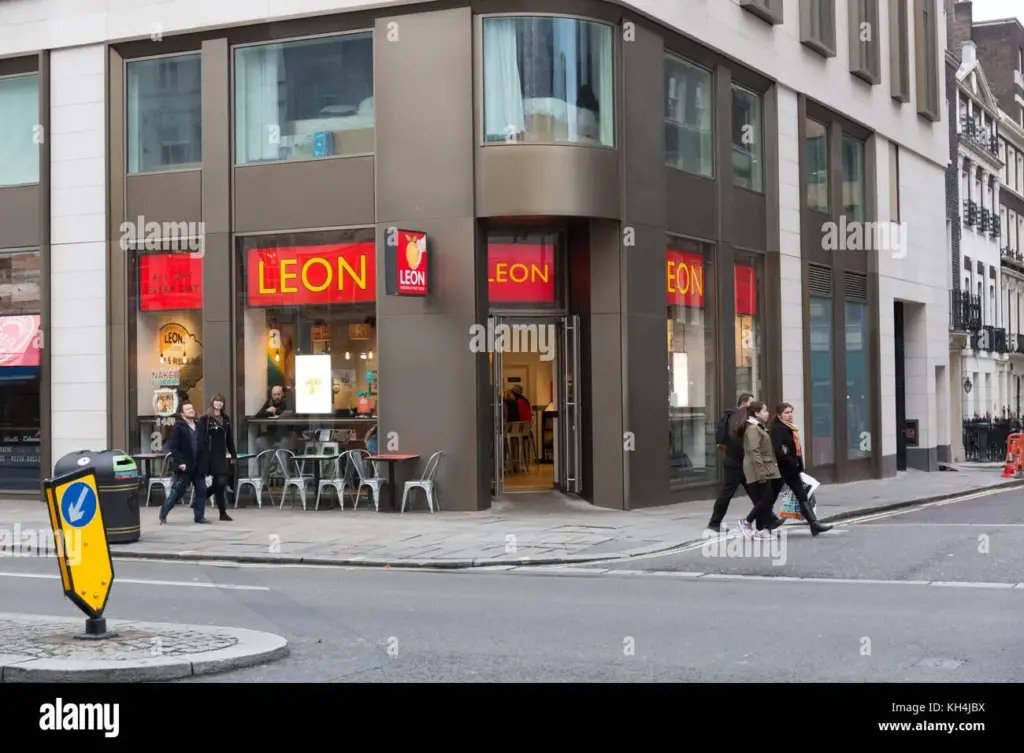
Leon fast food has made headlines recently as it seeks to adapt to the evolving landscape of the hospitality sector, following the closure of 20 locations on the High Street. The CEO, John Vincent, reveals that rising business rates and shifting consumer preferences have prompted this significant change. Despite enduring losses totaling £10 million annually, Leon aims to open new restaurants in high-traffic areas like service stations and airports. As the fast food chain grapples with the challenges posed by increased operational costs, it remains committed to delivering quality meals to a broader audience. With recent news on Leon restaurants showcasing its restructuring efforts, the brand underscores its dedication to overcoming hurdles and redefining its menu for the modern consumer.
Leon, the popular fast food brand known for its healthier offerings, is facing a pivotal moment amidst the ongoing challenges in the restaurant industry. Struggling with financial setbacks and the impact of restaurant closures, this fast-casual chain has enacted changes to adjust to market demands. As it shifts focus towards airport and service station locations, Leon is also reevaluating its identity within the competitive landscape of quick-service restaurants. Amidst the struggles faced by many in the hospitality sector, the conversation surrounding Leon’s future raises important questions about sustainability and consumer expectations in fast food. This transformation reflects broader trends affecting food chains, highlighting the necessity of adaptability in a rapidly changing culinary environment.
The Evolution of Leon Fast Food
Leon has always aimed to be more than just another fast food chain, initially gaining popularity for its unique take on fast food — healthy, wholesome options that challenge the status quo of traditional fast food. Over the years, the rapid expansion and subsequent ownership changes have contributed to a dilution of this vision. Co-founder John Vincent’s recent efforts to refocus the brand have been met with mixed reception as he seeks to revitalize the menu and reestablish Leon’s identity as a provider of high-quality fast food that doesn’t alienate the masses. This reflects a broader trend within the fast food industry where chains must adapt not only to consumer tastes but also to the competitive market landscape.
The journey of Leon fast food illustrates the struggles of many restaurants facing unprecedented challenges. The closures of 20 locations, marking a significant shift in their operations, exemplify the urgent need for strategic realignments in the face of rising costs and evolving consumer expectations. With changes in business rates looming, the focus on durable growth strategies becomes increasingly critical for the brand’s longevity.
Furthermore, the impact of hospitality sector challenges cannot be overstated. As Leon seeks to enhance its presence in service stations, airports, and train stations, it signals an adaptation to shifts in consumer behavior and dining preferences, catering to commuters and travelers who value quality on-the-go meals. This strategic pivot could yield a comeback for Leon, aligning with industry trends that favor quick yet healthier dining options. However, this goes hand in hand with Leon’s internal struggles, as previous owners veered from the core values that originally defined the brand. To reclaim its market position, Leon must reengage customers with its original mission, focusing on community, quality, and accessibility.
Navigating the Hospitality Sector’s Challenges
The hospitality sector is currently navigating tumultuous waters, with many establishments grappling with increased operational costs and regulatory changes. For companies like Leon, the recent announcement of rising business rates means that supporting financial strategies and adapting business models are essential for survival in this challenging environment. As John Vincent highlighted, if these tax pressures continue, it is likely that only those that can compromise on quality will endure — a situation that would defeat the purpose of what establishments like Leon strive to provide: quality fast food accessible to everyone.
Moreover, Leon’s predicament is illustrative of the larger issues plaguing the hospitality sector. The end of business rates relief previously provided during the COVID pandemic has compounded distress for many companies, prompting discussions about the lasting impact of taxation techniques and government intervention. As Leon restructures and pivots its operational strategy, it must remain vigilant about the trends within the hospitality sector, ensuring that it capitalizes on opportunities while navigating these socio-economic challenges.
Then there’s the impending increase in the rateable value of properties — a real jolt to any business’s finances. Leon, facing immense operational expenses, especially in high-rent areas like London, must strategically hone its locations to ensure profitability without compromising its mission. While the government has pledged support to help ease the burdens on hospitality businesses, the breadth and effectiveness of such aid remain to be seen. Leon’s future hinges not only on adapting its menu but also on how effectively it can leverage emerging opportunities within a rapidly changing industry landscape.
Impacts of Business Rates on Fast Food Chains
The implications of increased business rates are particularly acute for fast food chains such as Leon, which have been challenged to maintain profitability while absorbing rising costs. The latest data indicates that many in the sector are reassessing their footprints, with closures in less profitable areas becoming an unavoidable reality. As CEO John Vincent warns, these rising costs may force operators to compromise on their core value propositions, leading to an ironic situation where low-quality offerings may dominate the fast food landscape while premium brands struggle to maintain standards. This raises an important question: will consumers sacrifice quality for convenience as business rates escalate?
Moreover, the consequences of these financial pressures extend beyond individual chains — they pose a threat to the very fabric of the fast food industry. As Leon focuses on high-footfall locations like airports and train stations, it will need to carefully balance the financial obligation of occupying space with the expectation of delivering quality meals. Vincent’s vision to streamline the menu back to its roots is essential for sustaining a competitive edge without succumbing to the price pressures the sector faces. In this context, the support from government initiatives aimed at praising the hospitality sector assumes a more crucial role. Yet the effectiveness of such measures will determine how well businesses like Leon can weather the storm of fluctuations in business rates and operational costs.
Leon’s Menu Revitalization Strategy
In his plans to revitalize Leon’s menu, John Vincent seeks to return to the brand’s original ethos of providing nutritious and accessible fast food. By reemphasizing straightforward offerings—avoiding overly complex or high-end dishes—Vincent aims to reinstate the brand’s core appeal. Such an approach not only aligns with the demands for healthier food options but also allows for operational efficiencies in procurement and preparation, enabling Leon to serve more locations without sacrificing quality. This strategic shift seeks to address past criticisms of the menu being overly complicated, potentially drawing back lapsed customers who felt disconnected from Leon’s evolving identity over the years.
The journey of revitalizing its menu also speaks to the larger dynamics of the fast food industry, where chains must continuously adapt to surveil consumer preferences amid economic pressures. By leaning on its heritage of high-quality offerings that resonate with health-conscious patrons, Leon could effectively differentiate itself in a crowded marketplace. This not only strengthens brand loyalty but builds a sustainable business model that stands firm against the ever-increasing challenges faced by the hospitality sector.
Vincent believes this renewed focus on simplicity is essential for both operational success and overall brand strength. Taking a step back to focus on delivering what Leon does best—wholesome, freshly-prepared meals—will counteract the complexities introduced by previous ownerships. By harnessing insights into consumer trends and employing a menu that prioritizes customer satisfaction and quality, Leon can recommit to its pledge of making great food for the masses, paving the way towards recovery and growth amid changing economic conditions.
Leon Fast Food and the Future of Affordable Dining
As Leon navigates through its transformation process, its commitment to providing affordable dining solutions becomes more paramount than ever. The brand’s future hinges on establishing a balance between maintaining quality and managing costs effectively, especially in the current atmosphere of rising business rates and inflationary pressures. By pursuing locations that cater directly to consumer needs—such as transport hubs—Leon is aligning itself with trends that focus on convenience without sacrificing its health-oriented mission. This strategic decision is particularly significant as consumer behavior shifts toward seeking better quality options in fast food, particularly in environments like airports and service stations where traditional choices often fall short.
This commitment to affordability and quality dining represents a broader movement within the fast food industry. As consumers become increasingly aware of health, sourcing, and sustainability issues, chains like Leon must carefully curate their offerings to meet these demands. By embracing transparency about ingredients and preparation methods, Leon can foster brand trust while ensuring it remains competitive against not only traditional fast food but newer, health-focused competitors entering the space.
Additionally, the successful navigation of these challenges will ultimately determine whether Leon can emerge as a leader in affordable dining amidst economic turbulence. Reinventing the brand while acknowledging its roots may well be the recipe for success, one that could inspire other brands facing inevitable changes brought on by the evolving hospitality landscape. With the right strategy, envisioning a future for Leon that champions both profitability and high-quality dining is not just aspirational—it’s essential for the longevity of the brand.
Addressing the Broader Hospitality Landscape
In light of the various tumultuous pressures on the hospitality industry, Leon’s situation exemplifies the broader challenges that many fast food chains and restaurants are facing today. As government support packages are rolled out to alleviate some of the financial pressures, the effectiveness of these measures remains under scrutiny. For many establishments, including Leon, the immediate concerns stem from what appears to be a disconnect between financial aid and the overarching needs of businesses struggling to remain operational amid tightening budgets and rising costs. Ensuring that these aid packages genuinely address the unique challenges faced by the sector is paramount in creating a sustainable future.
Moreover, the competitive landscape is evolving, and chains must not only adjust to changing economic conditions but also evaluate their operational models. As Vincent pointed out, quality offerings and streamlined operations are critical for survival; thus, adapting to ensure that Leon is not only competitive but also aligned with market trends could revive its fortunes. Continuous engagement with stakeholders in the hospitality sector is vital to address persistent challenges, thereby fostering a more supportive environment that can better endure external pressures. Ultimately, the road ahead for Leon will depend on strategic restructuring and insightful engagements that pave the way for a thriving future.
Government Support and Recovery Strategies
As Leon strives to reposition itself after a series of closures and operational challenges, the role of government support becomes increasingly significant. Chancellor Rachel Reeves’ commitment to assisting the hospitality sector is a welcome initiative; however, the question remains: will this support translate effectively into meaningful change for fast food chains like Leon? Economic interventions must go beyond mere funding to encompass viable long-term strategies that can assist restaurants in adapting to market fluctuations, such as rising business rates and operational costs. Without such comprehensive support, the sustainability of many businesses hangs in the balance, rendering them unable to navigate the complexities of running a restaurant in today’s economy.
Additionally, the emergence of the current crisis has highlighted the disparities within the hospitality sector, shedding light on the necessity for tailored reforms that address the diverse needs of establishments, from local cafes to larger chains like Leon. Implementing strategies that emphasize resilience—such as fostering connections between businesses and their communities—could yield beneficial outcomes. By leveraging government backing effectively, Leon and similar establishments have the potential to reshape their futures in ways that resonate overall; they can champion quality and accessibility while demonstrating the enduring value of the hospitality sector in the evolving marketplace.
Frequently Asked Questions
What changes are happening with Leon fast food restaurants?
Leon fast food is undergoing significant transformations by closing 20 locations on the High Street and opening more restaurants in service stations, airports, and train stations. This strategic shift is a direct response to the increasing business rates and operating costs that have made high street locations less profitable.
How is Leon fast food addressing the challenges in the hospitality sector?
Leon fast food is tackling the challenges in the hospitality sector, such as rising business rates and operational costs, by restructuring its restaurant portfolio. The CEO, John Vincent, highlighted the need for change after the firm appointed administrators, aiming to create a more sustainable approach for the future.
What impact do business rates have on Leon fast food’s operations?
Business rates significantly impact Leon fast food’s operations, particularly on the High Street, where increasing tax burdens contribute to losses exceeding £10 million a year. The end of COVID-related business rates relief adds further strain, prompting Leon to explore more viable locations like airports and train stations.
Why is Leon fast food moving away from High Street locations?
Leon fast food is moving away from High Street locations due to high operating costs and challenging market conditions. CEO John Vincent noted that the profitability of High Street restaurants has diminished, making it necessary to focus on more lucrative venues in travel hubs.
What is Leon fast food’s original mission, and how is it changing?
Leon fast food’s original mission was to provide high-quality, healthy fast food options for everyone, not just for a posh clientele. To realign with its core values, Leon plans to simplify its menu and enhance its brand identity, returning to its roots of serving the best food for the most people.
How is the government supporting Leon fast food and other hospitality businesses?
The government is supporting Leon fast food and other hospitality businesses with a £4.3 billion support package aimed at limiting bill increases. This support, however, has raised concerns among some in the hospitality sector who feel that not enough is being done to address the specific challenges they face.
| Key Point | Details |
|---|---|
| Expansion Plans | Leon will open new restaurants in service stations, airports, and train stations. |
| High Street Closures | 20 locations closed due to rising business rates and overall cost increases. |
| Financial Losses | Leon has reported losses of £10 million annually. |
| Control Changes | CEO John Vincent repurchased the company from Asda last year. |
| Restructuring | The company appointed administrators and is restructuring its 71 restaurants. |
| Government Support | The government has a £4.3 billion support package, focused on limiting cost increases. |
| Market Challenges | High operating costs, especially in London, are straining profitability. |
| Menu Strategy | Vincent plans to simplify the menu and refocus on quality fast food for the masses. |
| Original Mission Lost | Leon has strayed from its initial goal of providing healthy fast-food options. |
Summary
Leon fast food is currently facing significant challenges with the closure of multiple locations on the High Street due to rising costs and a shift in focus away from their original vision. As they plan to expand into more strategic locations such as airports and train stations, the company aims to revitalize its brand by simplifying its menu and returning to its core mission of offering quality fast food for everyone. John Vincent, the CEO, acknowledges the need for clarity and purpose as Leon adapts to the changing market conditions and increasing pressure on hospitality businesses.

