Listen to this article
Reform UK leadership is poised for a significant turnaround under the guidance of Lord Offord, recently announced by Nigel Farage as Scotland’s new leader. With the Scottish Parliament election 2024 on the horizon, Offord’s aim is to galvanize the party’s approximately 12,000 members and attract a fresh wave of supporters from disenchanted voters seeking alternatives to the SNP. The dynamics of the race have intensified, with Farage signaling that their campaign will present a clear choice between SNP and Reform UK ideals. Many argue that Offord’s previous experience in the House of Lords, combined with his new direction, can effectively challenge the SNP’s longstanding dominance in Scotland. As the party gears up for the election, all eyes will be on how Reform UK can transform its political ambitions into concrete results in a landscape traditionally dominated by established parties, fostering an exciting electoral environment.
The leadership of the Reform UK party, now spearheaded by Lord Offord, signifies a pivotal moment in Scottish politics. With a focus on innovating the political narrative, the party is set to contest the upcoming Holyrood election with a vision that resonates with voters disillusioned by the SNP’s long-held power. As Offord rallies support and prepares to engage in the electoral battle, the overarching theme becomes one of transformation and rejuvenation for Reform UK’s positioning in Scotland. The recent integration of high-profile individuals, like Farage and Robert Jenrick, further amplifies this shift as they aim to resonate with constituents yearning for change. In this climate of intense competition, the rivalry between Reform UK and the SNP is expected to reshape the political landscape and energize the electoral discourse.
Nigel Farage Appoints Lord Offord as Scottish Leader of Reform UK
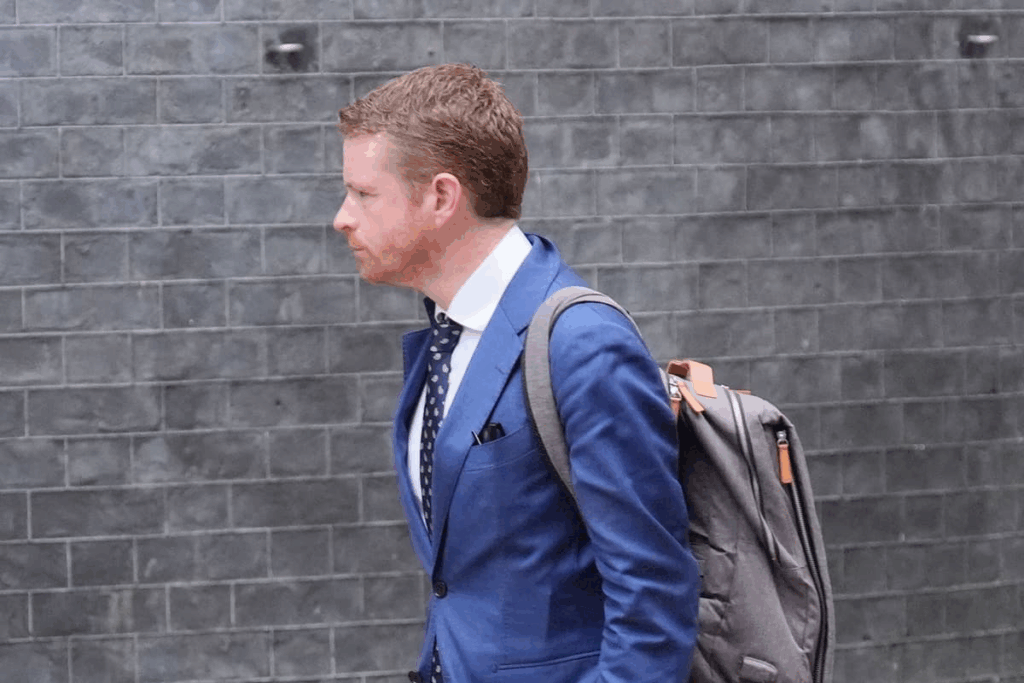
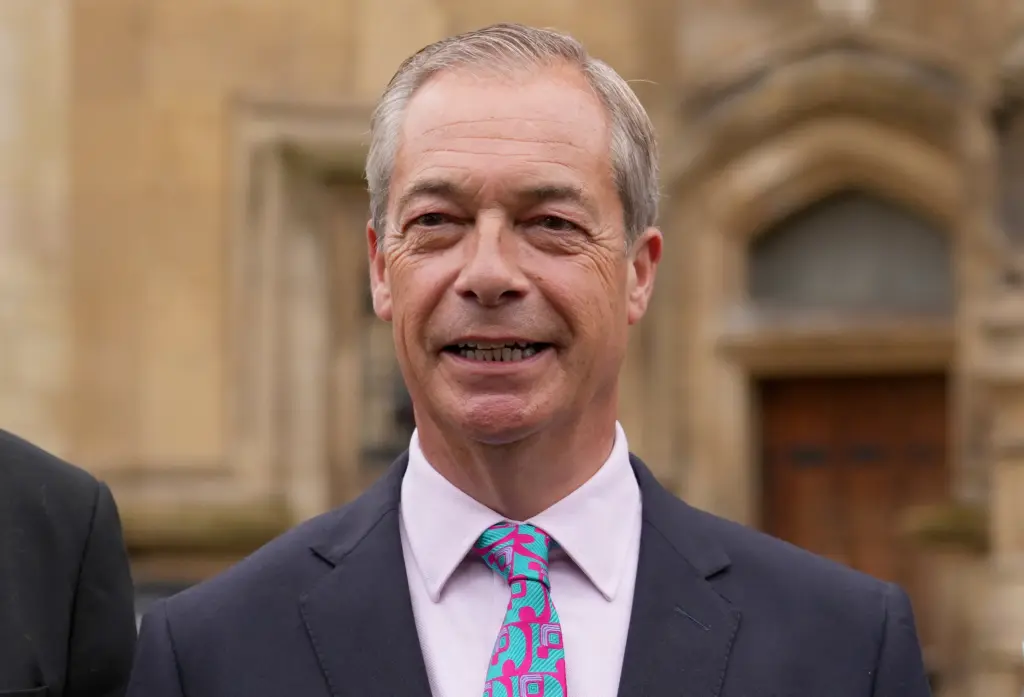
In a pivotal move for Reform UK, Nigel Farage has named Lord Offord as the party’s Scottish leader, aiming for significant impact in the Scottish Parliament election set for May 2024. The announcement was made during an event in Fife, where Farage highlighted Offord’s capabilities and intentions to rejuvenate the party in Scotland. This leadership transition comes at a crucial time, as Reform UK aims to capitalize on the dissatisfaction among Scots regarding the current SNP government, positioning itself as a viable alternative for voters seeking change.
Lord Offord’s recent decision to resign from the House of Lords to contest a seat at Holyrood signifies a strategic shift aimed at challenging the SNP directly. With a party membership exceeding 12,000 in Scotland, Offord’s leadership promises a rigorous campaign that seeks to engage disillusioned voters. Farage’s backing and the influx of candidates trained to represent Reform UK effectively highlight the party’s ambition to disrupt the traditional political landscape in Scotland.
Reform UK and Its Strategy for the Scottish Parliament Election 2024
As the Scottish Parliament election approaches, Reform UK is laying out a strategy focused on positive engagement with voters. Lord Offord has emphasized the party’s commitment to a robust campaign that addresses public concerns without resorting to negative tactics. Given the increased support and organization within the party, including about 100 trained candidates, Reform UK aims to present itself as a fresh alternative amidst the ongoing SNP vs Reform UK debate. The upcoming election is indeed framed as a contest between the well-established SNP and the rising Reform UK, a dynamic that could redefine Scotland’s political future.
In the lead-up to the election, discussions surrounding key legislation, such as proposals to prevent MSPs from also holding seats in Westminster, add layers of complexity to the political landscape. Lord Offord’s previous contributions to campaigns like Vote No Borders during the independence referendum depict him as a seasoned politician well-equipped to navigate these challenges. As Reform UK rallies its members and mobilizes efforts for the upcoming vote, the party seeks to establish itself in direct competition with the SNP while simultaneously appealing to former Conservative supporters disenchanted with their party’s direction.
The Impact of Reform UK on Scottish Political Dynamics
The emergence of Reform UK under Lord Offord could significantly alter the political dynamics in Scotland, especially as the SNP faces criticism for its governance. As voters increasingly voice their dissatisfaction with the status quo, Offord’s leadership presents an opportunity for Reform UK to capitalize on this unrest. His prior experience as a Conservative member brings a distinct perspective, allowing the party to tailor its messaging towards both Conservative and SNP bases, thereby expanding its reach in a competitive electoral landscape.
Additionally, with notable figures like Robert Jenrick joining Reform UK, the party is attempting to solidify its presence as a credible force in Scottish politics. The potential fallout from these shifts within the Conservative Party, coupled with Offord’s strategy to engage a broader electorate, could redefine conventional voting patterns. Reform UK not only positions itself as an alternative to the SNP but also seeks to attract voters who feel abandoned by the Conservative establishment, presenting a formidable challenge as the 2024 elections draw near.
Navigating Controversies: Reform UK and Public Perception
Despite its growing influence, Reform UK faces challenges in shaping public perception, particularly concerning controversies such as the recent allegations of racism tied to one of its advertisements. Lord Offord has publicly acknowledged these setbacks while asserting the party’s commitment to constructive dialogue with voters. Building a transparent narrative while navigating accusations will be crucial for Reform UK as it aims to present a positive vision for Scotland’s future.
Effective communication will be essential as Reform UK seeks to mitigate negative reactions and rally support. By showcasing its policies and resonating with the electorate’s frustrations towards the SNP, the party aims to clear any mired impressions. A focus on the party’s achievements and positive candidate profiles could play a significant role in overcoming initial skepticism and demonstrating its legitimacy as a contender in the forthcoming elections.
Reform UK: Strengthening Party Membership and Candidate Training
With over 12,000 members in Scotland, Reform UK’s groundwork is foundational to its electoral strategy. The commitment to training approximately 100 candidates signifies strategic planning aimed at arming future representatives with the necessary tools to engage effectively with constituents. This initiative not only demonstrates the party’s seriousness about its ambitions but also acts to enhance its credibility among the electorate, especially in contrast to the SNP’s established reputation.
The emphasis on thorough candidate vetting and training reflects Reform UK’s determination to maintain high standards within its ranks. Lord Offord’s leadership will be crucial in guiding these efforts, ensuring that candidates are well-prepared to articulate the party’s platform clearly and convincingly. This proactive approach may reassure voters of Reform UK’s commitment to integrity and quality representation, potentially swaying undecided voters attracted to the notion of political reform.
Conservative Party Responses to Reform UK’s Rise
The rise of Reform UK has prompted varied responses within the Conservative Party, highlighting internal divisions and concerns about party loyalty. Kemi Badenoch’s claims regarding evidence of Robert Jenrick’s plans to defect show the tensions that have emerged in light of Reform UK’s growing popularity. As traditional parties grapple with their identity amid shifting political sentiments, Conservative leaders are increasingly aware of the need to address the collective discontent of Scottish voters.
Amidst these challenges, the Conservative Party’s reputation and leadership are under scrutiny. As Reform UK gains traction, the Conservatives must articulate a clear vision to retain their voter base while acknowledging the emergence of new political forces like Reform UK. The political landscape may very well depend on how effectively established parties respond to challenges posed by emerging candidates and alternate platforms, ultimately resonating with voters who seek change.
Lord Offord’s Leadership Journey and Priorities for Reform UK
Lord Offord’s journey from Conservative minister to the leadership of Reform UK encapsulates a significant ideological shift as he embraces a new political mission. His experience from high-profile ministerial roles equips him with insights that will be vital in addressing the challenges faced by the party in Scotland. As he steps into this pivotal role, Offord prioritizes direct engagement with voters dissatisfied with the SNP, aiming to build a distinct narrative that resonates on a personal level.
In leading Reform UK, Offord focuses on transparency and positive change, attempting to convey the party’s vision as a departure from traditional politics. His commitment to a proactive campaign, emphasizing constructive policies over divisive rhetoric, is designed to draw disillusioned voters from both the SNP and Conservative ranks. By pinpointing voter concerns and articulating Reform UK’s response, Offord positions the party as a relevant and attractive choice in the upcoming electoral landscape.
The Role of Disillusioned Voters in Reform UK’s Strategy
Reform UK’s strategy hinges largely on attracting disillusioned voters from both the Conservative and SNP parties, presenting a unique opportunity to redefine political allegiances in Scotland. This strategy is aimed at individuals frustrated by what they perceive as failures from both traditional parties, offering them a platform to voice their concerns and desires for change. Understanding the nuances of voter sentiment will be crucial as leadership, including Lord Offord, seeks to capture this pivotal electoral demographic.
Engaging these voters requires a nuanced approach, where Reform UK can effectively communicate its message of reform while addressing specific concerns highlighted by the electorate. Offord’s leadership will focus on reinforcing this connection with potential supporters, representing an alternative that prioritizes community feedback and responsive governance. By empowering voters to play a role in shaping policy, Reform UK could leverage this sentiment into a formidable campaign in the run-up to the Scottish Parliament elections.
Anticipating Challenges Post-Election: Reform UK’s Long-Term Vision
As Reform UK prepares for the Scottish Parliament election in 2024, it is crucial to anticipate the challenges that may arise post-election, regardless of the outcome. Establishing a strong foundational presence would involve not only securing seats but also ensuring their representatives effectively engage with constituents and deliver on promised reforms. This long-term vision will require ongoing dialogue and adaptability as the political landscape evolves in response to voter feedback and changing dynamics.
Lord Offord’s proactive leadership is expected to navigate these post-election challenges by maintaining momentum beyond initial electoral success. Building a robust framework for accountability and community engagement will be essential to solidify Reform UK’s position as a legitimate player in Scottish politics. By focusing on long-term strategies that emphasize transparency and responsiveness, the party can sustain its relevance and continue attracting voters disillusioned by traditional political frameworks.
Frequently Asked Questions
What is the role of Nigel Farage in Reform UK leadership?
Nigel Farage plays a pivotal role in Reform UK leadership, having recently unveiled Lord Offord as the Scottish leader. Farage is focused on leading the party towards significant electoral success, particularly in the upcoming Scottish Parliament election 2024.
How is Lord Offord contributing to Reform UK leadership?
Lord Offord, who has resigned from the House of Lords, is stepping up as the Scottish leader of Reform UK. He aims to lead the party’s campaign in the Scottish Parliament election 2024, emphasizing a contest mainly against the SNP.
What strategies is Reform UK employing for the Scottish Parliament election 2024?
Reform UK is focusing on a campaign built around positive messaging and a strong candidate pool, seeking to engage over 12,000 party members in Scotland. This strategic approach aims to resonate with disillusioned voters, moving them away from the SNP.
What does the future look like for Reform UK party members under Lord Offord’s leadership?
Under Lord Offord’s leadership, Reform UK party members are actively involved in training and vetting candidates, with approximately 100 individuals prepared for contesting in the elections. This preparation aims to position the party favorably against the SNP and traditional parties.
How does the recent political climate affect Reform UK and its leadership?
The political climate in Scotland shows signs of change, with many voters dissatisfied with the SNP government. This environment presents an opportunity for Reform UK leadership to attract voters seeking alternatives, bolstered by Farage’s recent recruitment efforts.
What challenges does Reform UK face regarding its leadership and campaign strategy?
Reform UK faces challenges such as internal party dissension within the Conservative Party and controversies surrounding campaign advertisements. The leadership, especially with figures like Lord Offord at the helm, must navigate these issues while appealing to a broad voter base.
Why do some view Lord Offord’s transition to Reform UK as controversial?
Critics view Lord Offord’s transition to Reform UK as controversial because it signals a departure from traditional Conservative values, which has drawn accusations of political opportunism from leaders of opposing parties like the SNP.
What is the significance of Reform UK’s candidate pool for the Scottish Parliament election 2024?
The significance of Reform UK’s candidate pool, with about 100 trained and vetted candidates, lies in its potential to challenge the dominance of the SNP in the Scottish Parliament, appealing to a range of voters disillusioned by existing political options.
| Key Point | Details |
|---|---|
| Leadership Announcement | Nigel Farage introduces Lord Offord as the Scottish leader of Reform UK in Fife. |
| Election Focus | The upcoming Scottish Parliament election in May aims for a significant Reform UK breakthrough. |
| Membership & Support | Reform UK has over 12,000 members in Scotland and is training around 100 candidates for the election. |
| Main Competitors | Lord Offord sees the election primarily as a contest against the SNP. |
| Recent Controversy | A Reform UK advertisement received criticism for being labeled ‘blatantly racist.’ |
| Conservative Party Dynamics | Conflicting messages arise within the Conservative Party related to Robert Jenrick’s potential defection. |
| Political Shifts | Offord’s resignation from the House of Lords represents a shift in traditional Conservative allegiances. |
| Strategic Goals | The campaign emphasizes positive messaging and aims to attract disillusioned voters from both Conservative and SNP backgrounds. |
Summary
Reform UK leadership is poised for a transformative approach in Scottish politics as Lord Offord steps in to challenge the SNP in the May elections. This strategic move, backed by significant membership growth and a well-prepared candidate pool, signals the party’s ambition to attract voters who are seeking alternatives to the current political landscape. With ongoing controversies and internal dynamics within the Conservatives, Reform UK is positioning itself as a viable option for those disillusioned by traditional party politics in Scotland.