Listen to this article
The Iran protests have emerged as a powerful wave of dissent against the clerical regime, igniting international concern and capturing headlines across the globe. Recent reports highlight the alarming case of Erfan Soltani, a young man detained amidst these protests, whose execution was allegedly planned until its last-minute postponement was announced. Human rights organizations like Hengaw have voiced serious concern over the treatment of protesters in Iran and the ongoing death penalty threats, reflecting years of systemic issues within the Iranian judiciary. The latest news has drawn significant attention, especially after U.S. President Donald Trump expressed a willingness to intervene if these human rights violations persist. As the protests spread, so does the call for accountability, with a focus on improving human rights in Iran and transparency within its judiciary system.
In recent weeks, widespread unrest has taken root in Iran, primarily driven by public discontent regarding economic hardship and the authoritative responses of the government. The latest developments include alarming reports about the potential execution of individuals linked to these demonstrations, a situation underscored by the controversial case of Erfan Soltani. The protests reflect a broader desire for change among the populace, with the international community increasingly focused on human rights violations within the country. As the Iranian judiciary faces mounting scrutiny, discussions surrounding the death penalty and its implications resonate deeply among global advocates. Overall, the unrest signifies a critical juncture in Iran’s socio-political landscape, one that could redefine the struggle for justice and reform.
Overview of the Iran Protests
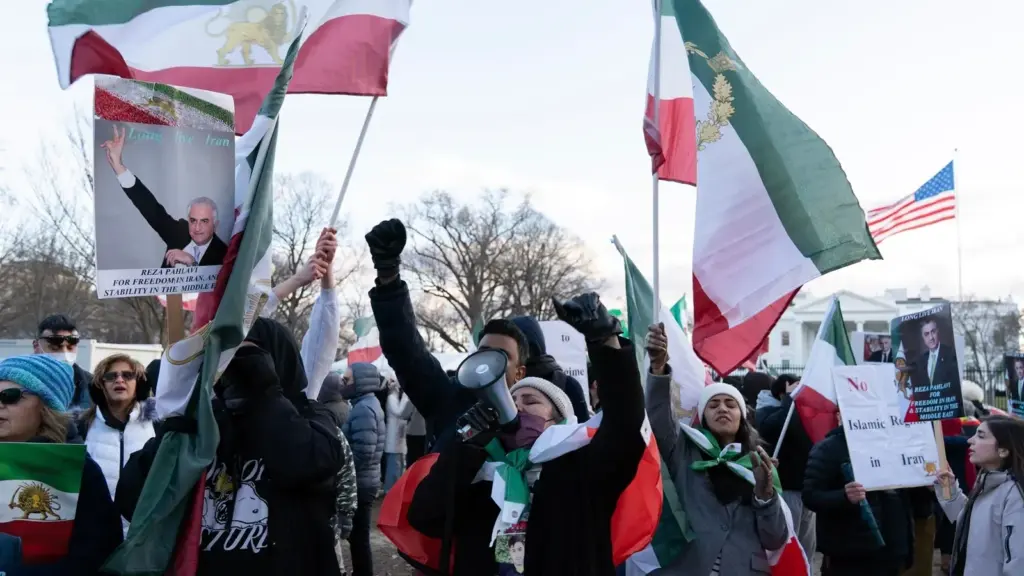
The Iran protests have erupted as a significant social movement responding to a series of grievances, including economic hardship, government corruption, and increasing repression of dissent. Sparked by a strike initiated by shopkeepers in Tehran due to soaring living costs and currency devaluation, the protests have escalated into widespread demonstrations across the nation. The dissent has turned notably political, with slogans like “Death to the dictator” criticizing the clerical establishment and calling for the ousting of Supreme Leader Ayatollah Ali Khamenei.
This wave of protests is noted for its intensity and organization, drawing people from various walks of life into the streets. The demonstrations have been met with a brutal response from the Iranian government, which has deployed security forces and enforced internet blackouts. The atmosphere is fraught with fear as evidence suggests that at least 2,435 protesters have tragically lost their lives, alongside thousands arrested, which raises dire concerns about human rights in Iran and the judiciary’s handling of dissenters.
Erfan Soltani’s Case and Its Implications
The case of Erfan Soltani, a 26-year-old detained during recent protests, highlights the Iranian judiciary’s controversial practices surrounding protests. Reports emerged from human rights organizations, notably Hengaw, indicating that Soltani faced imminent execution related to his alleged activities linked to the protests. However, the judiciary’s denial of scheduling his execution raises questions about the reliability and transparency of Iran’s legal system, where charges such as “colluding against national security” are often leveled at dissenters.
This situation is emblematic of a larger pattern within Iran’s justice system, where the rights of defendants are frequently overlooked. Soltani’s family reported that he had been denied legal representation and was unaware of any formal charges against him. As international scrutiny increases, particularly with statements from figures like US President Trump warning of strong actions against Iranian executions, the case serves as a flashpoint for discussions about human rights in Iran and the power dynamics within its justice system.
Iran’s Death Penalty: A Tool of Repression?
The usage of the death penalty within Iran has long raised concerns among human rights organizations, particularly in cases linked to political dissent. Critics argue that the Iranian regime employs capital punishment not only as a legal consequence but also as a tool of fear, aiming to suppress demonstrations and stifle dissent. The scrutiny over the judiciary’s stance on cases like Erfan Soltani’s underscores an urgent need for reform, as activists point to potential violations of international human rights laws.
Recent reports indicate that the Iranian judiciary has sought to downplay the severity of protest-related charges, asserting that accusations against individuals like Soltani do not warrant the death penalty. However, the persisting atmosphere of fear and repression, coupled with reports of hundreds killed and thousands arrested, casts doubt on these claims and showcases the underlying tension within society. As global attention intensifies, the discourse around the death penalty in Iran continues to fuel calls for accountability and reform in the face of egregious human rights abuses.
International Reactions to Iran’s Protest Crackdown
The international community has closely monitored the Iran protests and subsequent government crackdowns, with various countries expressing their concerns over human rights violations. Prominent global leaders, including US President Trump, have vocally condemned the actions of Iranian authorities, warning against potential executions of protesters and calling for urgent reforms. Trump’s statements reflect a broader apprehension regarding international human rights and the implications of Iran’s actions for regional stability.
Responses from organizations such as the UN and various human rights advocacy groups have underscored the necessity for irrevocable change in Iran’s approach to dissenters. They highlight issues like the denial of legal representation, torture, and extrajudicial killings as part of a systemic problem within the government. As these events unfold, the Saudi-led coalition and Western nations continue to grapple with the ramifications of Iran’s internal strife, raising questions about future diplomatic engagements and sanctions.
The Role of the Iranian Judiciary in Protest Management
The Iranian judiciary plays a crucial role in managing protests, often acting under the influence of political leaders to suppress dissent. Statements by the chief justice advocating for quick trials of alleged rioters illustrate a judiciary operating within a politically charged environment. Such rhetoric raises alarm about the prospects for fair trials, especially given reports that many detainees, including Erfan Soltani, lack access to legal representation and face charges that may not align with the severity of their alleged offenses.
This political interference in judicial processes further complicates the landscape of human rights in Iran. As authorities label reports of executions as fabrications, the judiciary becomes not just a legal institution but a tool for maintaining governmental power. The swift responses to protests through judicial avenues have led critics to propose that Iran’s legal system needs comprehensive reform to align with international human rights standards, ensuring that justice is not merely a function of political expediency.
Human Rights Violations During the Protests
The ongoing protests in Iran have elicited widespread concern regarding human rights violations committed by the state. Reports indicate that security forces have resorted to lethal force to quash dissent, resulting in thousands of deaths and injuries among demonstrators. Furthermore, human rights organizations have documented troubling patterns of arbitrary arrests, torture, and mistreatment of those detained during the unrest. These allegations raised serious doubts about the Iranian government’s commitment to safeguarding civil liberties and protecting its citizens.
The international reaction has been swift, with human rights advocates calling on global leaders to hold Iran accountable for its actions. Activism within and outside Iran has gained momentum, with calls for sanctions against officials implicated in human rights abuses. As more information surfaces about the brutal consequences of the crackdown on protests, the narratives surrounding human rights in Iran become central to understanding the country’s political climate and its future.
The Economic Roots of the Iran Protests
The current wave of protests in Iran is deeply rooted in ongoing economic struggles faced by millions. Skyrocketing inflation, devaluation of currency, and pervasive corruption have led to widespread discontent, which initially sparked the protests among shopkeepers in Tehran. These economic grievances quickly transformed into a broader movement challenging the authority of the government, as individuals from various sectors recognized their collective hardships and sought change.
Activists have emphasized that economic issues are intricately linked to political and social rights, creating an environment ripe for unrest. As protesters demand better living conditions and seek to hold the government accountable for economic mismanagement, the interplay between economic policy and human rights becomes increasingly apparent. The government’s response to this protest surge, characterized by violence and repression, highlights the precarious situation for many Iranians trapped between economic despair and an authoritarian regime.
Global Perspective on Iran’s Human Rights Crisis
The Iran protests and the subsequent government crackdown have attracted global attention, placing Iran’s human rights crisis firmly on the international agenda. Observers and human rights organizations have called for urgent action to address the ongoing violations, urging world leaders to respond with robust diplomatic pressure and sanctions against those in power. This international focus highlights the interconnectedness of human rights advocacy and geopolitical relations, prompting considerations of how nations engage with Iran amid its internal strife.
As countries such as the United States voice concerns and propose strong actions, they must balance their foreign policy objectives with a commitment to human rights. The situation demands an informed approach that not only addresses immediate humanitarian needs but also seeks to foster long-term structural changes within Iran. By spotlighting the plight of individuals like Erfan Soltani and the systemic issues within the judiciary, the global community can push for accountability and pave the way for a more equitable and rights-respecting Iran.
Future Trajectories for Iran’s Civil Society
The protests in Iran have rekindled hopes for a more vibrant civil society, where citizens can express their discontent without fear of retribution. The courage displayed by protesters is indicative of a growing desire for democratic reforms, highlighting the potential for an empowered populace. As calls for justice and accountability continue to resonate, there is an increasing recognition that a resilient civil society may be the key to instigating meaningful change from within.
However, the road ahead is fraught with challenges, particularly as the government remains committed to suppressing dissent. Maintaining momentum while adhering to the principles of peaceful protest will be crucial for the success of any civil movements. Support from global institutions and human rights organizations will be vital in ensuring that the voices of the Iranian people are amplified. The future trajectory of Iran’s civil society remains uncertain, but the growing unrest signals an undeniable shift towards greater demands for accountability and change.
Frequently Asked Questions
What is the latest news about the Iran protests and Erfan Soltani’s case?
The latest news regarding the Iran protests highlights concerns for Erfan Soltani, a 26-year-old arrested amid the unrest. Following reports of his potential execution, the Iranian judiciary stated no execution was scheduled, claiming the charges against him do not warrant the death penalty. Human rights organizations continue to monitor his situation closely.
What is the Iran judiciary’s stance on the death penalty related to recent protests?
The Iran judiciary has denied plans to execute individuals arrested during the recent protests, claiming that the charges, such as ‘colluding against national security’ and ‘propaganda activities,’ do not entail capital punishment. This follows widespread concerns over the execution of protesters, as emphasized by human rights organizations.
How have human rights in Iran been affected by the recent protests?
Human rights in Iran have come under significant scrutiny due to the recent protests, with reports indicating numerous fatalities and arrests of demonstrators. Organizations like Hengaw and HRANA have documented serious abuses, including potential executions and denial of legal representation for arrestees like Erfan Soltani.
What has President Trump stated about potential US action regarding the Iran protests?
President Trump has warned Iran against executing protesters amid ongoing unrest, stating he would take ‘very strong action’ if executions occurred. His comments reflect international pressure on Iran to halt violent repression against demonstrators and ensure human rights are upheld.
What sparked the recent protests in Iran, and what are protesters demanding?
The recent protests in Iran were sparked by shopkeepers in Tehran striking against rising living costs and declining currency value. The movement quickly escalated, with protesters chanting slogans against the clerical establishment and calling for regime change, targeting Supreme Leader Ayatollah Ali Khamenei.
What has been the response of Iranian authorities to the protests?
Iranian authorities have responded to the protests with lethal force and widespread arrests. Chief Justice Gholam-Hossein Mohseni-Ejei has called for expedited trials and punishment of those involved in acts of violence during the protests, while the government has restricted internet access to control the dissent.
| Key Point | Details |
|---|---|
| Execution Denial | Iran’s judiciary denies scheduling the execution of Erfan Soltani, arrested during recent protests. |
| Delay in Execution | Hengaw reports Soltani’s execution has been postponed, yet his safety is uncertain. |
| International Response | US President Donald Trump expresses relief about the postponement and warns Iran against executions. |
| Charges Against Soltani | Soltani is charged with activities against national security, not punishable by death. |
| Protests Background | Protests triggered by economic issues and led to broad discontent with Iran’s clerical regime. |
| Deaths and Arrests | At least 2,435 protesters killed and 18,470 arrested since the beginning of the unrest. |
Summary
Iran protests have captured international attention as tensions rise amid governmental crackdowns. The judiciary’s denial of scheduling Erfan Soltani’s execution, amid serious allegations and concern for his safety, indicates the government’s struggle to maintain control over the narrative. Protests, ignited by economic struggles, have become a widespread condemnation of the regime, resonating with calls for change. With significant loss of life and extensive arrests reported, the situation remains volatile as both domestic and international responses continue to evolve.