Listen to this article
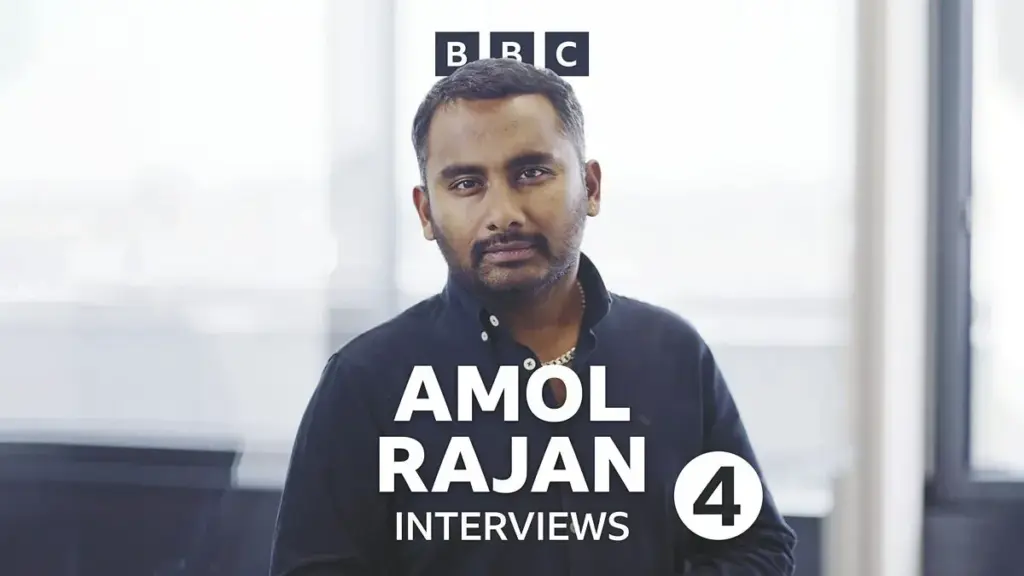
Amol Rajan’s departure from BBC Radio 4’s Today programme marks a significant shift in the landscape of British radio. The noted broadcaster has decided to leave his position to embark on a new journey in the creator economy, establishing his own company while continuing his relationship with the BBC through shows like University Challenge. This recent announcement has sent waves through Amol Rajan news circles, creating buzz around potential changes in the flagship programme’s lineup. Rajan, who has anchored Today for nearly five years since March 2021, emphasized his excitement about this career pivot, despite acknowledging the challenges that come with leaving a beloved platform. As the BBC navigates these media presenter changes, listeners are left curious about who will step into Rajan’s influential role in the upcoming Today programme changes.
The news of Amol Rajan stepping away from his role on the flagship BBC Radio 4 Today programme signals yet another evolution in the world of broadcasting. As Rajan prepares to dive into the entrepreneurial realm, he remains committed to his BBC roots through various projects like the Radical podcast. His transition reflects a broader trend in media where personalities are increasingly pursuing opportunities beyond traditional roles, often influenced by the dynamics of the creator economy. With multiple presenter shifts in recent years, the programme is at a junction, raising questions about the future direction it will take. As avid listeners await announcements for Rajan’s successor, the impact of his departure continues to resonate within the BBC and beyond.
Amol Rajan’s Departure from Radio 4’s Today Programme
Amol Rajan has officially announced his departure from BBC Radio 4’s Today programme, a significant change in the realm of BBC broadcasting. After nearly five years at the helm, Rajan is poised to embark on a new venture as he launches his own company. This move, which he considers a leap into the ‘Great Digital Narnia of the creator economy’, signifies a shift not only in his career but also in the landscape of media presentation. His commitment to explore entrepreneurial opportunities reflects a growing trend among media presenters who are looking to capitalize on the burgeoning creator economy.
Rajan’s exit comes amidst a series of presenter changes at Radio 4’s Today programme, which has seen notable transitions in recent years. The BBC has yet to announce who will succeed him, reflecting a period of uncertainty. While Rajan has confirmed his continued association with the BBC through hosting roles on shows like University Challenge, his announcement leaves listeners and colleagues reflecting on the impact of his dynamic on-air presence. The departure highlights the evolving nature of broadcasting talent, particularly as new digital platforms emerge.
The Impact of Rajan’s Tenure on BBC Radio 4
During his time as the host of the Today programme, Amol Rajan shaped discussions with his unique style and intellectual curiosity. Colleagues and audiences alike will remember him for his ability to engage with a wide array of topics while bringing a fresh perspective to current affairs. His praise for the Today team, calling them ‘the best of the best’, showcases his appreciation for the collaborative nature of broadcasting and the role of media presenters in shaping public discourse, especially in a flagship programme known for its journalistic integrity.
Rajan’s influence on the programme also resonates with listeners who have observed the recent changes in the presenter lineup. With Emma Barnett’s arrival and Rajan’s departure following other prominent presenters like Mishal Husain, it signifies a time of transformation for the Today programme. As the BBC evolves its editorial strategy to stay relevant in a rapidly changing media environment, Rajan’s legacy of intellectual energy serves as a benchmark for future presenters stepping into this influential role.
The Rise of the Creator Economy and Its Implications for Media
Amol Rajan’s decision to venture into the creator economy aligns with broader trends across the media industry, where traditional boundaries are increasingly blurred by digital innovation. The creator economy represents a paradigm shift, allowing media professionals to harness their personal brands, cultivate audience engagement, and generate revenues outside conventional media structures. Rajan’s enthusiasm for this new direction reflects a growing recognition among presenters to adapt and explore opportunities within this expanding digital landscape.
As the media landscape becomes more diverse with the emergence of independent creators and influencers, Rajan’s transition symbolizes the potential for new forms of storytelling and audience interaction. This shift may impact traditional outlets like the BBC, compelling them to rethink their approaches in attracting audiences, especially younger demographics who are drawn to personalized and accessible content. Such changes stress the importance of adaptability and innovation in the field of media presentation as professionals navigate the intertwining worlds of traditional broadcasting and new media.
Continuity at the BBC: Rajan’s Ongoing Involvement
Despite Amol Rajan’s departure from the Today programme, he has made clear that he will continue his association with the BBC through other lucrative roles. His commitment to remain involved, particularly as the host of University Challenge and a podcast creator, illustrates a blend of traditional broadcasting with modern digital platforms. This continuity at the BBC is vital, ensuring that audiences receive a consistent mix of programming while also allowing presenters like Rajan to expand their creative horizons.
Rajan’s ongoing involvement with key BBC productions not only showcases his dedication to the institution but also emphasizes the critical role that experienced presenters play in maintaining the quality and integrity of BBC programming. With the network facing competition from various alternative media sources, retaining veteran talent like Rajan helps the BBC uphold its reputation as a leading provider of high-quality content. Thus, while the changes may bring new faces to the forefront, the seasoned voices in the BBC remain essential to its ethos.
Presenter Changes on BBC Radio 4’s Today Programme
The departure of Amol Rajan is part of a broader trend of presenter changes within BBC Radio 4’s Today programme. With each transition, the programme undergoes a period of transformation, shaping the landscape of British radio and reflecting the evolving tastes of its audience. Following Rajan, Emma Barnett’s recent appointment signifies a new chapter not only for the show but also for audiences who have been accustomed to established presenters. These changes prompt listeners to re-evaluate their connections with the programme and how new voices may bring different perspectives to the news discussion.
Moreover, frequent presenter changes can suggest a response to audience preferences and the need for the programme to adapt efficiently. While it may be a significant adjustment for loyal listeners, the arrival of fresh voices like Barnett’s can invigorate the programme with renewed energy and ideas. This represents an ongoing commitment to ensuring that today’s news remains relevant and engaging for a diverse listening audience, positioning BBC Radio 4’s Today as a dynamic force in British media.
Amol Rajan’s Contributions to Media and Journalism
Amol Rajan’s departure from the Today programme marks the end of an impactful chapter in his media career. Having served as the media editor for BBC News before his role on Today, Rajan has brought a distinctive voice and perspective to journalism. His ability to connect with audiences on pressing issues, underpinned by his extensive background, has paved the way for him to become a respected figure in broadcasting. His various media ventures reflect a profound commitment to insightful journalism while promoting a culture of inquiry among the public.
Rajan’s legacy is not just about news presentation but also about fostering a deeper understanding of media’s role in society. As he steps into the creator economy, his endeavor illustrates how journalists can expand their influence beyond traditional platforms. By engaging directly with audiences in innovative ways, Rajan exemplifies how media professionals can adapt to the changing marketplace while maintaining journalistic integrity and authenticity. This evolution is not only significant for Rajan but for the future of journalism as a whole.
Reflecting on Rajan’s Time as Host
As Amol Rajan steps down from his role as host, it’s essential to reflect on his contributions and the legacy he leaves behind. Over nearly five years, Rajan has gained a reputation for addressing complex topics with humor and intelligence, effectively engaging a diverse audience on BBC Radio 4’s flagship programme. His presence has undoubtedly transformed the programme’s dynamic, engaging both seasoned listeners and newcomers alike.
The impact of Rajan’s tenure is evident not only through his interviewing style but also through the themes he championed during his time. His commitment to covering a wide range of topics from politics to cultural discussions has enriched the programme’s content. Moreover, his ability to bring humor into serious discourse has made important topics more accessible. As listeners bid farewell to Rajan, they acknowledge how his contributions have shaped their listening experience, and the standards for future presenters as they continue the legacy of the Today programme.
The Future of BBC Radio 4’s Today Programme
With Amol Rajan’s departure, the BBC Radio 4’s Today programme faces an uncertain yet promising future. The network must now navigate the challenges of finding a suitable replacement who can maintain the high standards set by Rajan and his predecessors. As the media landscape continues to shift, this moment presents both challenges and opportunities for the programme’s editorial team. The Today programme’s evolution must align with contemporary audience expectations while preserving its trusted journalistic values.
The introduction of new presenters could pave the way for fresh ideas and perspectives, potentially attracting a new demographic of listeners. This is especially crucial in an era where the competition for audience attention intensifies due to the rise of digital platforms and personalized media content. As BBC Radio 4 explores this transition, it will be vital for the programme to adapt to these changes while preserving the essence that has made it a staple in British journalism.
Conclusion: The Legacy of Amol Rajan at BBC Radio 4
In conclusion, Amol Rajan’s departure from BBC Radio 4’s Today programme marks a pivotal moment in both his career and the future of the show itself. His voice will be missed in discussions that shape public understanding, but his ongoing contributions to the BBC signify that he remains a pivotal part of the institution. As he embraces his role as an entrepreneur in the creator economy, audiences can look forward to seeing how his innovative spirit continues to inspire others in the media landscape.
Rajan’s time at the Today programme has left an indelible mark on its format and ethos, fostering a culture of inquiry that is essential for a healthy democracy. His legacy will inspire both current and future presenters to challenge norms and engage critically with news and society. As the BBC continues to navigate the evolving media world, Rajan’s influence will undoubtedly linger, guiding the direction of how stories are shared and consumed in the future.
Frequently Asked Questions
Why is Amol Rajan leaving BBC Radio 4’s Today programme?
Amol Rajan is departing the BBC Radio 4’s Today programme to launch his own company within the creator economy. He expressed excitement about this new venture while continuing to work with the BBC in different roles, including hosting University Challenge.
What will happen to Amol Rajan’s position on BBC Radio 4’s Today programme after his departure?
The BBC has not yet announced who will succeed Amol Rajan as the presenter of the Today programme. They have indicated that an announcement regarding his replacement will be made “in due course.”
What roles will Amol Rajan continue to have with the BBC after leaving Radio 4’s Today programme?
After leaving the Today programme, Amol Rajan will still be associated with the BBC, hosting the quiz show University Challenge and the Radical podcast, showcasing his on-going commitment to the broadcaster.
How long has Amol Rajan been hosting the Today programme before his departure?
Amol Rajan has been the host of the BBC Radio 4’s Today programme for nearly five years, having started in March 2021.
Who are some notable presenters that have left the Today programme recently?
Amol Rajan is the third presenter to leave the BBC Radio 4’s Today programme in the past two years, following Mishal Husain and Martha Kearney.
What did Amol Rajan say about his departure from the Today programme?
Amol Rajan described leaving the Today programme as potentially ‘mad’ but expressed his excitement about entering the creator economy, indicating a strong desire to explore new opportunities.
What do recent presenter changes signify for BBC Radio 4’s Today programme?
The recent presenter changes, including Amol Rajan’s departure, reflect a period of transition and evolution within BBC Radio 4’s Today programme, with new presenters such as Anna Foster and Emma Barnett joining the team.
What was Amol Rajan’s role before joining the Today programme on BBC Radio 4?
Before transitioning to the Today programme, Amol Rajan served as the media editor for BBC News and was known for his appearances on shows like The One Show and filling in for presenters on BBC Radio 2.
How did the BBC react to Amol Rajan’s departure from the Today programme?
The BBC’s editorial staff, including Today editor Owenna Griffiths and Radio 4 controller Mohit Bakaya, praised Amol Rajan for his intellectual agility and the unique energy he brought to the Today programme.
What does Amol Rajan mean by ‘Great Digital Narnia’ in his statement?
Amol Rajan referred to the ‘Great Digital Narnia’ as an exciting metaphor for the opportunities within the creator economy, implying a vast landscape of creativity and innovation that he is eager to explore after leaving the Today programme.
| Key Point | Details |
|---|---|
| Departure Announcement | Amol Rajan has announced his departure from BBC Radio 4’s Today programme to start his own company. |
| Continued BBC Involvement | Although leaving Today, Rajan will continue working with the BBC on other projects like University Challenge and the Radical podcast. |
| Duration on Today | Rajan hosted the Today programme for nearly five years, beginning in March 2021, succeeding John Humphrys. |
| Future Plans | Rajan expressed eagerness to explore the creator economy and build his own company, referring to it as ‘the great digital Narnia.’ |
| Praise from Colleagues | Colleagues and management have praised Rajan’s intellect, humor, and contributions during his tenure on the programme. |
| Presenter Changes | Amol Rajan is the third presenter to leave Today in two years, following Mishal Husain and Martha Kearney. |
| Replacement Announcements | An announcement regarding Rajan’s replacement is expected in due course, with Anna Foster already taking over for Husain. |
Summary
Amol Rajan’s departure from Radio 4’s Today programme marks a significant transition, as he moves on to establish his own company while still engaging with the BBC on other projects. Having served as the presenter for nearly five years, Rajan’s exit reflects the changing dynamics within the programme, following recent presenter changes. His enthusiasm for venturing into the creator economy illustrates a broader trend of media professionals seeking new opportunities beyond traditional broadcasting. Rajan’s contributions were celebrated by colleagues, emphasizing the impact he had on the Today programme, and his departure will be felt across the BBC community. As the search for his successor unfolds, listeners look to maintain the high standards that Rajan upheld during his tenure.