
Listen to this article
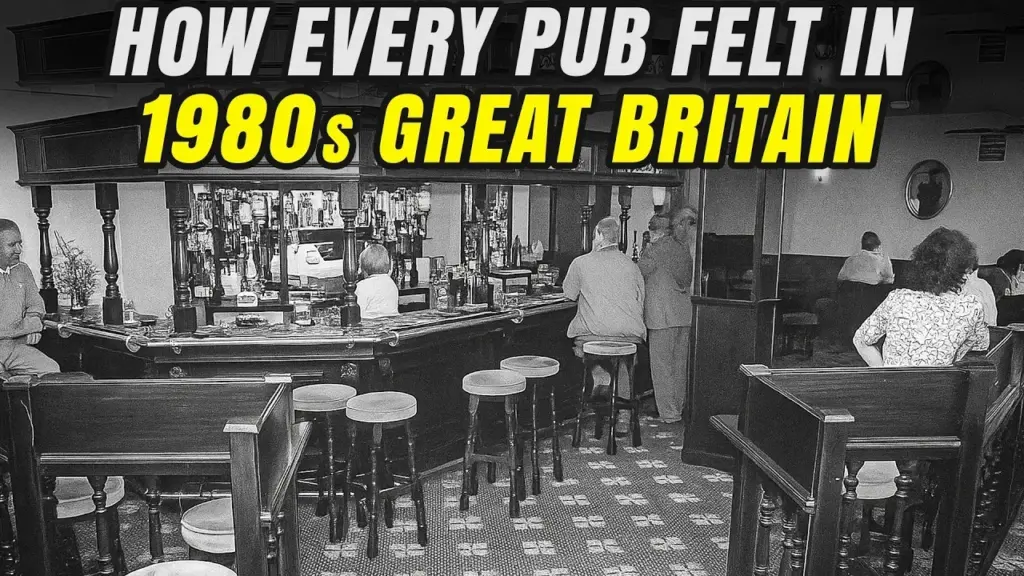
Pub culture in the 1980s was a vivid reflection of the era’s social dynamics and emerging youth trends. The 1980s pub scene served as a vibrant backdrop for the burgeoning Thatcherite hedonism, where youthful exuberance collided with the stark realities of class and race. In London nightlife, pubs transformed into melting pots where diverse groups could experience social mixing, breaking down the barriers of tradition and formality. For many from areas like Battersea, it was a pivotal moment that allowed young people to explore new identities and build connections beyond their council estate roots. The Dome, a central fixture in this transformation, was not just a pub; it symbolized the shifting tides of youth culture and the allure of mingling with a different social class.
Exploring the social environment of drinking establishments in the 1980s reveals a fascinating tapestry of interactions and cultural shifts. During this period, the drinking landscape was not merely about consuming alcohol; it became an essential means for young people to forge new friendships and discover their identities. The vibrant nightlife offered a stage for social engagement, and Brexit-era pubs played a crucial role in facilitating encounters between individuals from varied backgrounds. This era was marked by an explosion of new sounds and styles, particularly in cities like London, where the energy of the streets met the evolving tastes of a generation. As a result, 1980s pub culture became the heartbeat of a society in transition, reflecting the aspirations and challenges of a whole generation.
The Evolution of the 1980s Pub Scene
The 1980s marked a pivotal period for the pub scene in the United Kingdom, especially influenced by the broader social climate and the economic policies of the Thatcher government. Pubs evolved from mere drinking establishments into vibrant social hubs, accommodating diverse groups and fostering social mixing among individuals from various backgrounds. With the rise of what has been termed ‘Thatcherite hedonism,’ pubs began to reflect the ethos of the time, characterized by a new sense of freedom and reinvention following years of social changes. Many young people, like those from Battersea, started seeing pubs not just as places for excessive drinking but as venues for social engagement and cultural exchange.
In areas like Battersea, the transformation of the pub dynamic was palpable, as traditional neighborhood pubs adapted to the increasing interest from a younger crowd seeking more than just a pint. The newfound appeal of pubs attracted a mix of clientele: from working-class locals to trendsetters from affluent backgrounds. This blending of cultures in a pub environment was revolutionary, contributing to a vibrant London nightlife that was less about division and more about exchange and interaction. The experience of visiting pubs became a rite of passage for many, allowing them to explore different facets of British society while ultimately growing beyond the initial barriers of class and race.
Thatcherite Hedonism and its Impact on Youth Culture
Thatcherite hedonism, a term often used to describe the prevailing attitude during Margaret Thatcher’s tenure as Prime Minister, encapsulated a lifestyle focused on individualism, consumerism, and personal pleasure. For many youths in the 1980s, especially those from working-class backgrounds, this shift meant gaining access to spaces previously deemed inaccessible, like pubs in affluent neighborhoods. The Dome, for example, became a symbol of this newfound freedom, where young people from different walks of life could congregate, share experiences, and participate in the budding cultural movements of the era, such as rare groove and hip-hop.
For individuals like Maurice Mcleod and his friends from the Battersea council estate, encountering this form of hedonism was eye-opening. They found themselves mingling with the ‘wild children of the wealthy,’ challenging preconceptions about class, wealth, and social expectation. As they navigated this new social landscape, pubs became a crucial part of their cultural identity, a place not only to drink but also to form connections and forge friendships. The experiences gained during these formative years blended music, lifestyle, and a sense of belonging, bridging the sometimes wide gap between different youth cultures.
Battersea Youth Culture: The Heartbeat of London Nightlife
Battersea, known for its rich cultural tapestry, was a significant contributor to London’s nightlife in the 1980s. The youth culture emerging from these council estates was characterized by a fusion of styles and influences, notably in music and fashion. Groups of friends, such as Maurice and his circle, began defining themselves through a mix of Jamaican influence and British eccentricity, from the fashion they wore to the music they embraced. Their meetings at venues like the Dome were more than just about drinking; they were about carving out a space where identity could be explored and expressed outside the usual, often limiting, community environment.
The vibrancy of Battersea youth culture was essential not just for the area but for the broader London scene. It represented a microcosm of the city’s struggles and triumphs during a decade marked by economic change and social upheaval. The social mixing in pubs allowed for groundbreaking interactions between different demographic groups, resulting in a unique cultural exchange that influenced music scenes and fashion trends across the capital. Opening the doors to such cultural interactions created an environment ripe for collaboration and creativity, ultimately reshaping the social landscape of London nightlife.
Social Mixing: Breaking Barriers in the Pub Environment
Social mixing in pubs during the 1980s served as a powerful catalyst for change within communities. Venues like the Dome allowed individuals from divergent backgrounds to come together, sharing spaces that were historically divided along class lines. This change was especially evident in cities like London, where the influx of new social dynamics transformed not only how cities were experienced but who experienced them. Pubs became meeting points where friendships were forged across social divides, leading to richer, more inclusive environments that were welcoming to all.
This phenomenon was particularly meaningful for young people like those from Battersea, who were seeking to expand their horizons beyond the confines of their backgrounds. Relationships formed in these spaces often transcended traditional boundaries, allowing for a more nuanced understanding of identity and community. The impact of this social mixing is evident in how cultural norms evolved over the decade, encouraging a more integrated society and paving the way for future generations to continue breaking down barriers through shared experiences in public settings.
Meeting Spaces: Pubs as Catalysts for Cultural Exchange
The role of pubs, particularly in the 1980s, transformed significantly as they became important meeting spaces for various subcultures. The Dome was pivotal in this shift, acting as a microcosm of London’s dynamic cultural landscape. It played host to an array of individuals—from the affluent seeking leisure to the local youth looking for a sense of belonging. This cultural exchange not only enriched the nightlife but also broadened the social landscape for those who frequented these venues, fostering an environment where music, fashion, and art could flourish.
Moreover, the inclusive nature of pubs during this period encouraged creativity and experimentation. They allowed young people from different backgrounds to learn from one another, appreciate different musical influences, and develop new styles of dress and behavior. The informal setting of a pub provided a safe space for dialogue and connection that was often lacking in more formal social settings. As friends gathered, new friendships formed, and new cultural understandings developed, making pubs a cornerstone of community cultural life in the 1980s.
The Legacy of the 1980s Pub Culture
The pub culture that thrived in the 1980s has left a lasting legacy on contemporary British society. The notions of social mixing and cultural exchange that began at venues like the Dome have continued to evolve, creating a more diverse and inclusive atmosphere in pubs across London and beyond. Today’s pub-goers enjoy not only a space to socialize but also a reflection of the rich tapestry of cultures that make up modern Britain. The interactions that took place during this vibrant era paved the way for a more accepting environment where different backgrounds could coexist and thrive.
Additionally, the influence of 1980s pub culture is evident in the way modern pubs market themselves. Many establishments are now designed to cater to diverse audiences, hoping to recreate the sense of community and connection felt in those formative years. Live music events, art showcases, and inclusive policies are reflections of the dynamic interactions that first took root in the 1980s, emphasizing the pub as a versatile space for cultural exchange that continues to inspire and welcome all.
Reflections on Youth Identity in the 1980s
The narrative surrounding youth identity in the 1980s is intricately tied to the experiences of those navigating life through their local pubs. For many young people, including Maurice Mcleod, these venues became spaces where they could explore who they were amid the socio-economic changes shaping the country. Through interactions with different social classes in the pubs, individuals began to develop a stronger sense of self, often reflecting on their backgrounds while embracing new identities. This exploration was crucial in defining youth culture at the time, showcasing a generation eager to break free from societal expectations.
Moreover, the connections made within pubs helped to stabilize and redefine cultural identities. Be it through music, fashion, or shared experiences, the collaborations formed in these settings prompted a broader acceptance of diversity among youth. The friendships forged in the dimly lit corners of pubs played a significant role in shaping the youth subcultures of the time, allowing individuals to celebrate their uniqueness while also finding common ground with others. Reflecting on these experiences today reveals the continued evolution of youth identity, rooted in the interactions and shared spaces established during this vibrant decade.
Music and the Pub: Soundtracks of Social Change
Music has always played a crucial role in the pub culture of any era, and the 1980s was no exception. Within establishments like the Dome, the soundtracks of the time—ranging from jazz-funk to hip-hop—were integral to the experience of social mixing. These pubs not only provided a place to drink but also served as venues for discovering new music and participating in the cultural movements of the time. The vibrant sounds reflected the attitudes of the youth, echoing the spirit of freedom and expression that defined the decade.
The direct link between music and the pub environment enriched the social fabric of the time, as friends gathered to enjoy live performances or simply discuss the latest hits. The mixing of genres resonated deeply with diverse crowds, creating a shared experience that transcended the boundaries of class and background. Music facilitated a form of communication; it broke down barriers and united groups, whether they were from Battersea or the affluent neighborhoods nearby. This dynamic not only transformed the nightlife of London but also solidified the pub’s role as a cultural hub in the social landscape of the 1980s.
Navigating Class Structures through Pub Culture
Pubs in the 1980s were often a mirror reflecting the class structures of British society. Established locals could be wary of newcomers, especially those from different socio-economic backgrounds engaging with their spaces. However, venues like the Dome facilitated a significant shift in this dynamic. By attracting a diverse crowd, the pub scene began to blur the lines that typically segregated different social classes. This evolution marked a significant change in how young people viewed their identities and the society around them.
As people from various backgrounds frequented pubs together, they created environments where shared experiences overshadowed class distinctions. For many youths, such as those from Battersea, these interactions were a way of challenging preconceived notions about wealth, success, and social connection. This active navigation of class structures through pub culture allowed for a new understanding of community and identity that resonated deeply beyond the walls of the pubs, affecting attitudes and relationships in broader society. Engaging with those from different backgrounds promoted a more compassionate perspective that fostered social cohesion and understanding.
Frequently Asked Questions
What was the role of pubs in the 1980s pub scene in London?
In the 1980s pub scene in London, pubs served not just as drinking establishments but also as vibrant social hubs. They became spaces for social mixing, where people from different backgrounds converged, particularly in areas like Battersea, challenging preconceptions about local youth culture and creating new avenues for interaction.
How did Thatcherite hedonism influence pub culture in the 1980s?
Thatcherite hedonism significantly impacted pub culture in the 1980s by promoting a lifestyle focused on enjoyment and excess. Pubs like the Dome became symbols of this era, where affluent youth mingled with locals, encouraging a shift in nightlife dynamics that embraced both celebration and the breaking down of traditional barriers between social classes.
What was the impact of Battersea youth culture on the 1980s pub scene?
Battersea youth culture had a profound effect on the 1980s pub scene, as local youth began to redefine how they engaged with nightlife. Initially detached from traditional pub settings, groups eventually found in venues like the Dome a place for social interaction and cultural exchange, influencing music trends and fashion while fostering connections across communities.
How did social mixing in pubs change the nightlife experience in the 1980s?
Social mixing in pubs during the 1980s transformed the nightlife experience by creating opportunities for diverse social interactions. Pubs became melting pots where different cultural groups, including the ‘raggas’ and ‘trendies’ from Battersea, could converge, leading to a richer cultural fabric and shared experiences among the youth of the time.
What challenges did young people from working-class backgrounds face in the 1980s pub scene?
Young people from working-class backgrounds in the 1980s faced significant challenges in the pub scene, including perceptions of hostility and aggression. Many, like those from Battersea, initially viewed pubs as unsafe spaces dominated by rougher crowds. However, this perspective began to shift as they discovered pubs like the Dome, which offered a more welcoming environment for socializing and connecting with others.
How did music influence the 1980s pub culture in London?
Music played a vital role in shaping the 1980s pub culture in London, particularly in establishments frequented by the youth of Battersea. Genres like hip-hop and rare groove were popular among local groups, transforming pubs into venues where music and nightlife intersected, facilitating new forms of social expression and community building among young people.
What types of youth subcultures were present in the 1980s London pub scene?
The 1980s London pub scene reflected diverse youth subcultures, particularly in neighborhoods like Battersea. Key groups included ‘raggas,’ who embraced Jamaican influences and sound systems, and ‘trendies,’ who favored jazz-funk and fashion. These subcultures often intersected and influenced each other, contributing to the dynamic and evolving nightlife of the era.
Why was the Dome considered significant in 1980s pub culture?
The Dome was significant in 1980s pub culture as it symbolized a bridge between socioeconomic classes, attracting both local youth and affluent patrons. Its eclectic atmosphere offered a unique environment for social mixing and interaction, allowing people from different backgrounds to connect, redefine their identities, and experience nightlife in a new light.
In what ways did the experience of young Black individuals in the 1980s pub scene differ from their white counterparts?
The experience of young Black individuals in the 1980s pub scene often differed significantly from their white counterparts, as many faced barriers and perceived hostility in traditional settings. However, places like the Dome provided an opportunity for them to engage in social activities, form friendships, and break down racial divides, ultimately enriching the overall pub culture of the era.
| Key Points |
|---|
| Maurice Mcleod’s perspective on pubs as a Black youth from a Battersea council estate in the 1980s. |
| The Dome was viewed as a symbol of Thatcherite hedonism and a gathering place for socialites. |
| Mcleod’s initial perception of pubs was negative, associating them with aggression and exclusion. |
| Introduction of pubs as social venues occurred during his time in Richmond College. |
| Mcleod describes the Dome as his ‘gateway’ to a different social class and lifestyle. |
| The youth culture was divided between ‘raggas’ and ‘trendies’, with Mcleod identifying as a ‘trendie’. |
| The Dome helped Mcleod confront and dismantle personal biases towards wealthy individuals. |
Summary
Pub culture in the 1980s played a significant role in shaping social interactions and perceptions, particularly for those from different backgrounds. Maurice Mcleod’s experiences at the Dome highlighted how a simple pub could serve as a microcosm of wider societal changes. Initially seen as intimidating, the pub transformed into a welcoming space that bridged the gap between class divides. The interactions at such venues allowed for a deeper understanding of wealth and success, challenging preconceived notions and fostering friendships across cultural lines.