Listen to this article
The Bayeux Tapestry relocation to the UK has sparked a heated debate among art critics and conservationists alike. This monumental piece, measuring over 70 meters long and dating back more than 900 years, is set to be displayed at the British Museum in London for a limited time starting in September. Renowned artist David Hockney has labeled the move as ‘madness,’ voicing concerns about the potential risks involved in transporting such a historically significant artifact. As plans progress, the tapestry’s fragile state raises alarms over its safety during transit and the adequacy of insurance provisions, with experts citing the potential for irreversible damage. With the British Museum asserting that it possesses a world-leading conservation team, the question remains: can the honor of hosting the Bayeux Tapestry truly outweigh the risks of its relocation?
The planned movement of the famous embroidered narrative known as the Bayeux Tapestry to the British Museum has ignited discussions around the preservation of cultural heritage. Hockney’s vehement objections highlight the tapestry’s unparalleled historical importance and the risks associated with its transport from its home in Normandy. Critics fear that despite modern conservation techniques, the inherent fragility is at risk of deterioration during this transition. As the tapestry’s upcoming exhibition aims to draw attention to its artistry and narrative, the logistics of borrowing such an ancient piece raise essential questions about its care and protection. With an insurance value placed at a staggering £800 million, the art community watches closely to see if this relocation could jeopardize a masterpiece that encapsulates a vital moment in European history.
David Hockney on the Madness of Relocating the Bayeux Tapestry
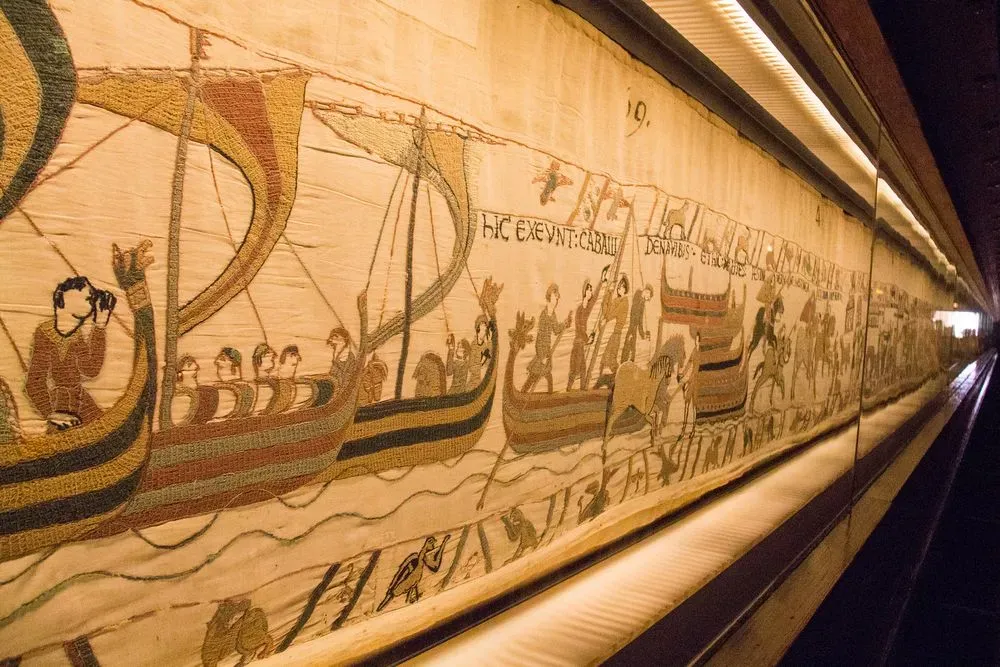
Renowned artist David Hockney has expressed vehement opposition to the planned relocation of the Bayeux Tapestry, deeming the move ‘madness’ due to the considerable risks involved. This magnificent 70-meter-long embroidery, which chronicles the historical events of the Battle of Hastings in 1066, is both a cultural treasure and a fragile piece of history. Hockney emphasizes that the tapestry, over 900 years old, could suffer irreparable damage during transportation, stating, ‘Some things are too precious to risk.’ His concerns echo those of several French experts, who argue that this significant artwork should remain in its home, the Bayeux Museum, where it has been preserved under optimal conditions for centuries.
The implications of moving the Bayeux Tapestry reverberate beyond artistic concerns to include cultural heritage. Hockney’s views highlight the tapestry’s unparalleled narrative value and its status as one of Europe’s most important historical artifacts. As discussions about its transportation intensify, the challenges posed by its old linen backing and the delicate wool embroidery threads have come under scrutiny. Hockney argues that any attempt to roll or handle it in a new environment could lead to substantial damage, thus asserting that relocating such a priceless piece should not be taken lightly.
Transportation Risks of the Bayeux Tapestry
As the Bayeux Tapestry prepares for its journey to the British Museum, the risks associated with its transportation are a focal point of concern. Hockney’s comments raise alarms about the vulnerability of the tapestry’s ancient materials, backed by recent studies indicating that age has compromised the linen and made the embroidery threads fragile. Moving the tapestry, which is insured for £800 million, illustrates the inherent tensions between valuing an item in monetary terms versus recognizing its immeasurable cultural and artistic worth. It’s crucial for stakeholders to prioritize the tapestry’s safety throughout this process to prevent any potential harm.
Moreover, the logistics involved in transporting such a historical piece must be addressed with utmost diligence. The transportation of artifacts, especially those of significant historical importance like the Bayeux Tapestry, demands engagement with seasoned conservators well-versed in the intricacies of handling fragile textiles. The British Museum has claimed expertise in managing similar artifacts, yet critics remain skeptical of the appropriateness and safety of this undertaking. Ensuring that both the tapestry’s condition and its historical integrity are preserved should be paramount as the impending relocation date approaches.
The Historical Significance of the Bayeux Tapestry
The Bayeux Tapestry is not just an artistic masterpiece; it is a vital historical document that provides insights into the events surrounding the Norman Conquest. Created in the 11th century, the tapestry serves as an invaluable record, depicting various scenes that culminate in the Battle of Hastings. With 58 distinct scenes, it presents a rich narrative populated by over 600 characters and numerous animals, offering a glimpse into medieval life and warfare. Its historical significance makes it a cultural artifact that merits preservation—not only as art but also as a testament to a pivotal moment in European history.
Furthermore, the collective memories embodied in the Bayeux Tapestry highlight the intertwining of art and narrative in societal identity. By narrating the tale of William the Conqueror’s ascent to the English throne, the tapestry provides context for understanding centuries of historical legacy that shaped Britain and beyond. This cultural link emphasizes why relocating such a vital piece of history—and one that many experts deem too fragile for movement—poses considerable risks, including the potential to alter the perception of historical narratives associated with it.
Insurance and Protection for the Bayeux Tapestry
The Bayeux Tapestry has been insured for an astonishing £800 million, reflecting its monumental importance in the cultural landscape. However, as David Hockney pointed out, such monetary evaluations may fall short of truly representing the tapestry’s value. Hockney argues that despite the lofty insurance figure, the tapestry is ultimately ‘priceless,’ showcasing the complexities involved in ascribing financial worth to historical artifacts. This creates a pivotal discussion around the effectiveness of insurance in safeguarding the tapestry during its impending relocation to the British Museum.
The insurance policy is one safety net, but it’s critical to also consider comprehensive protective measures during the tapestry’s transport. Beyond financial coverage, ensuring that its physical integrity during handling and transit is preserved is essential. The British Museum asserts that it has extensive experience in managing fragile artifacts; however, the ongoing dialogue among conservators, art historians, and the public demonstrates that a multi-faceted approach to safeguarding such important artifacts is essential as the relocation date approaches.
The Role of the British Museum in Relocating the Bayeux Tapestry
As the British Museum prepares to showcase the Bayeux Tapestry, the role of the museum becomes increasingly pivotal in framing its narrative for modern audiences. The institution positions itself as a leader in conserving and exhibiting world heritage, claiming an adeptness in managing similar historical works. However, detractors like Hockney argue that the motivations behind the tapestry’s relocation extend beyond preservation to include commercial interests, such as attracting visitor numbers and boosting revenue. This raises important questions about the priorities of cultural institutions in excelling at both exhibition and preservation.
The British Museum has pledged to collaborate closely with conservators and experts from France, aiming to address concerns over potential damage during the transportation process. While they boast a wealth of experience in handling ancient textiles, their assurances are continually met with skepticism by critics. The museum’s commitment to maintaining safety and condition while showcasing significant artifacts like the Bayeux Tapestry is paramount, as it represents not just the museum’s reputation but also the cultural legacy of the tapestry itself.
French Perspectives on the Bayeux Tapestry’s Journey
The forthcoming relocation of the Bayeux Tapestry has sparked considerable discourse among French art experts and officials. Many of them echo Hockney’s concerns regarding its fragility and the potential risks accompanying transportation. Their apprehensions stem from an intrinsic understanding of the tapestry’s historical significance and the delicate nature of its materials. These voices contend that relocating the tapestry, even temporarily, is an unnecessary gamble, advocating instead for its continued preservation in Bayeux, where it has historically thrived under carefully controlled conditions.
In a show of cultural diplomacy, French officials dismiss fears surrounding the tapestry’s fragility, directly countering assertions that it is too vulnerable for transport. Their stance illustrates a complex interplay of national pride and cultural heritage, with the tapestry symbolizing more than just art; it represents France’s rich history and artistic legacy. As the discussion continues, it becomes increasingly significant to reconcile these differing views and ensure the tapestry’s journey reflects mutual respect for its cultural heritage.
The Journey of the Bayeux Tapestry: Logistics and Conservation
The logistics involved in relocating the Bayeux Tapestry highlight the intricate planning required to ensure its safe journey from the Bayeux Museum to the British Museum. This undertaking involves numerous specialists in conservation, ensuring the tapestry is prepared for all stages of transportation, from dismounting and packing to transit and reinstallation. Given the tapestry’s fragility and historical significance, it is essential that every detail is meticulously managed to mitigate any risks associated with its relocation.
Furthermore, effective communication and collaboration between French and British conservators are critical. By sharing expertise and insights into the tapestry’s preservation needs, both parties aim to ensure the tapestry’s condition remains uncompromised throughout its transient state. As experts prepare for the move, the focus remains on strategies for safely navigating the tapestry’s passage without altering the delicate fibers or structural integrity that have preserved its story for nearly a millennium.
Cultural Exchange: The Impact of the Bayeux Tapestry’s Relocation
The relocation of the Bayeux Tapestry is poised to stimulate cultural exchange between the UK and France, showcasing pivotal moments in shared history. By presenting this masterpiece in the British Museum, there is an opportunity for visitors from around the world to engage with a significant narrative that has shaped both British and French heritage. Although many celebrate this moment as a leap towards cultural solidarity, the tapestry’s vulnerability remains a pressing concern voiced by artists and historians alike.
As artifacts travel across borders for exhibitions, questions about ownership, preservation, and cultural representation arise. The Bayeux Tapestry serves as a poignant case study in the delicate balance between honoring the significance of historical works while promoting international appreciation. It raises ongoing dialogues about the responsibilities of museums, emphasizing their role not just as custodians of art but as facilitators of cultural exchange that honors the artworks’ historical contexts.
Frequently Asked Questions
What are the risks associated with the Bayeux Tapestry relocation?
The Bayeux Tapestry relocation poses several risks, primarily related to its fragility. Artist David Hockney expressed concerns that the tapestry, which is over 900 years old, could sustain damage during transportation. Issues such as the aged linen backing and delicate wool embroidery threads make it susceptible to stress and harm during handling, which Hockney described as ‘madness.’ Experts believe that rolling, unrolling, or improperly handling the tapestry could lead to irreversible damage.
Why is the Bayeux Tapestry considered historically significant?
The Bayeux Tapestry is regarded as one of the most significant pieces of medieval art, depicting the events of the Norman conquest of England in 1066. This 70-meter-long embroidery tells a narrative story with 58 scenes and over 600 characters, offering historians insight into the socio-political climate of the time. Its detailed illustrations not only make it an important artistic achievement but also a crucial historical document, showcasing the transition of power from Harold Godwinson to William the Conqueror.
How will the British Museum ensure the safety of the Bayeux Tapestry during its relocation?
The British Museum has a world-leading conservation team specializing in handling and caring for fragile artifacts like the Bayeux Tapestry. They are working closely with conservators and specialists in France to guarantee the tapestry’s safe transportation. The museum has extensive experience in moving ancient artifacts, employing meticulous processes to minimize risks during relocation. While some concerns exist regarding the tapestry’s vulnerability, the museum emphasizes that the condition and safety of the artwork are their top priorities.
What insurance measures are in place for the Bayeux Tapestry during its loan to the UK?
The Bayeux Tapestry is insured for an estimated £800 million by the UK Treasury for the duration of its loan to the British Museum. However, artist David Hockney has downplayed the significance of this monetary valuation, stating that the tapestry is ‘priceless.’ The insurance serves as a financial safeguard against potential damage that might occur during transportation and exhibition, but it cannot replace the artwork’s cultural and historical value.
What prompted concerns from artists and experts regarding the Bayeux Tapestry’s relocation?
Concerns from artists and experts regarding the Bayeux Tapestry’s relocation stem from its fragility and historical value. Figures like David Hockney argue that transporting such a delicate and precious piece of art could jeopardize its integrity. Hockney and other critics fear that handling and moving the tapestry may lead to damage due to factors like its weakened materials from age. Additionally, there are apprehensions about the motivations behind the relocation, with some viewing it as a publicity stunt for the British Museum rather than a respectful preservation effort.
| Key Point | Description |
|---|---|
| David Hockney’s Criticism | Describes relocating the tapestry as ‘madness’ and highlights the risks of damage during transportation. |
| Tapestry Details | The tapestry is 70 meters long, over 900 years old, and narrates events of the Battle of Hastings. |
| British Museum’s Response | Director Nicholas Cullinan assures that conservation experts will handle the tapestry carefully. |
| Concerns from French Experts | Many French art experts find the tapestry too fragile for safe transportation. |
| Hockney’s Personal Connection | Hockney has visited the tapestry more than 20 times in three years and views it as priceless. |
| Insurance Value | The tapestry is insured for £800 million; however, Hockney believes it’s priceless. |
| Transportation Concerns | Hockney discusses the risks of rolling and handling, which could cause irreversible damage. |
| Loan Agreement | The tapestry is on loan until July 2027 for the renovation of the Bayeux Museum. |
| Exchange of Artifacts | British treasures will also be loaned to French museums reciprocally. |
Summary
The Bayeux Tapestry relocation has sparked significant debate, particularly with artist David Hockney labeling it as ‘madness.’ This ancient masterpiece is set to be loaned to the British Museum, raising concerns about its safety during transit. Opposing views highlight the tapestry’s cultural significance and fragility, suggesting that its safe preservation should take precedence over ambitious exhibition plans. The dialogue surrounding the Bayeux Tapestry relocation reflects broader issues of art conservation and the responsibilities of institutions in safeguarding our cultural heritage.