
Listen to this article
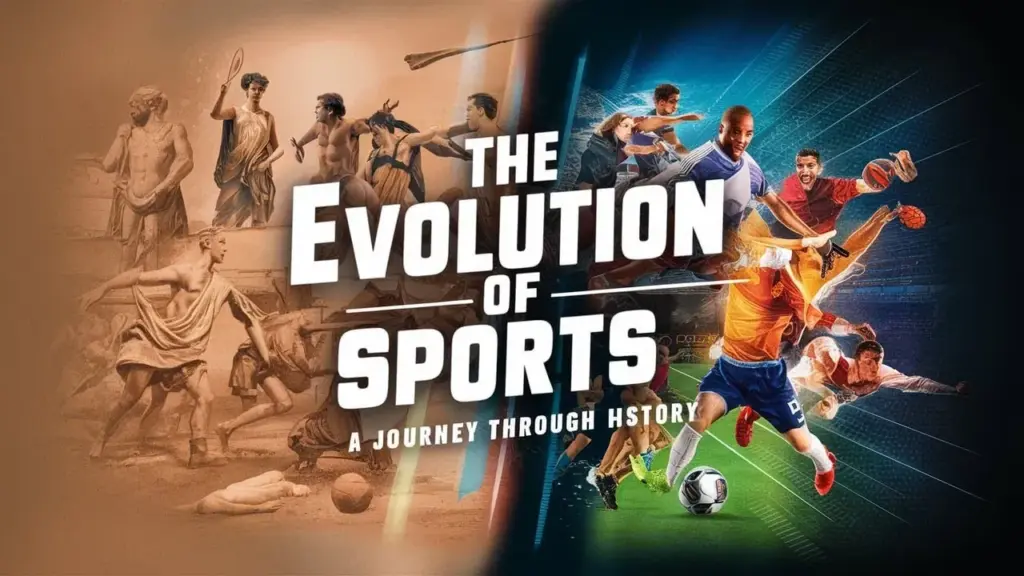
The evolution of sport is a captivating reflection of human history, showcasing our innate desire for competition and community. From ancient sports rooted in traditions of honor and celebration, to the modern dynamics of professional athletics, every era has stamped its unique mark on how we engage in sports today. The historical trajectory has witnessed key developments, such as the establishment of the Olympic Games, which symbolize not only athletic excellence but also the cultural unity among nations. As we journey through the past, we unveil stories of sports commercialization and how these changes have revolutionized the way we experience and interact with various forms of athletics. Today, the emphasis on inclusive sports and global participation highlights the continuously evolving landscape, making it essential to understand the rich tapestry that is the history of sports.
The development of athletic pursuits, known as the history of sports, encompasses the transformation of physical competitions throughout the ages. From early traditional events that showcased strength and skill in ancient civilizations to contemporary athletic competitions characterized by their level of organization and management, the journey is rich and diverse. As we explore the scenes of past games and rituals, we encounter the rise of the Olympic Games, which not only celebrates individual accomplishments but also fosters international camaraderie. The progression into modern athletics brought forth the commercialization of sports, seeing athletes emerge as public figures beyond just their competitive capabilities. Meanwhile, the gradual incorporation of inclusive sports reflects a shifting mindset towards acceptance and diversity, steering the athletics world towards a more holistic approach in the years to come.
The Historical Journey of Sports
The historical journey of sports reflects complexity and richness, spanning thousands of years from ancient traditions to contemporary practices. This evolution is marked by pivotal events, cultural shifts, and technological advancements that have shaped how sports are perceived and played today. From the ancient civilizations that hosted festivals of athletic prowess to the establishment of formalized leagues, the ways in which we engage with sports have transformed continuously. One defining moment was the Olympics’ revival in the late 19th century, which tied modern sports to their ancient origins, blending historical significance with the aspirations of a new generation.
The development of sporting competitions through the ages has also been influenced by societal values. Early sports were often intertwined with ritualistic and community aspects, serving purposes beyond mere entertainment. For instance, the Roman arena games were not only contests of strength but spectacles that reinforced social hierarchies. As we moved into the Renaissance, a renewed appreciation for classical antiquity ignited excitement for sports, leading to the formation of athletic schools and standardized competitions, paving the way for the organized sports we see today.
Key Milestones in the Evolution of Sport
Key milestones in the evolution of sport reveal a pattern of significant transformations in the way sports are organized and enjoyed. The establishment of rules and regulations signified a shift from informal play to structured competition. With the formation of governing bodies in the 19th century, sports began to adopt more formal structures, creating uniformity in how games were played. The introduction of international competitions, including the FIFA World Cup and the Olympics, marks another pinnacle where sports transcended cultural boundaries, promoting global unity through athletic achievement.
Another major milestone was the advent of broadcasting technology, which revolutionized access to sports. The ability to transmit games live to audiences around the world democratized sports viewership, allowing fans who could not attend events in person to experience the thrill and excitement remotely. This era set the stage for today’s commercialization of sports, where media partnerships and brand sponsorships create a dynamic link between sports and popular culture, amplifying the reach and influence of athletics.
Modern Athletics and Global Competitions
Modern athletics stands as a testament to the organizational advancements and global reach of sports. Over the past century, major global competitions like the Olympics and World Cups have not only showcased top athletes but also emphasized values such as perseverance and friendship across nations. These events inspire participation at both amateur and elite levels, leading to a surge in athletic programs worldwide and influencing how young athletes develop their skills and ambitions.
The role of professional leagues cannot be understated; they have created opportunities for players to engage with fans, generate revenue, and gain recognition on global platforms. Sports like basketball and soccer have seen phenomenal growth, fueled by international broadcasting agreements and the digital age. Nowadays, talented athletes are celebrated not just for their capabilities on the field, but for their dedication to inspiring the next generation, emphasizing the importance of hard work and tenacity in the journey of athletic excellence.
Technological Advances in Sports
Technological advances continue to redefine the landscape of sports, impacting everything from how athletes train to how fans experience games. Innovations such as performance analysis tools, advanced equipment, and health monitoring devices have allowed athletes to optimize their training regimens and improve their performance significantly. Wearable technologies, for instance, have revolutionized how coaches analyze gameplay and strategize training methods, significantly enhancing athletic performance.
Moreover, technology enhances the viewing experience for fans, with virtual reality and augmented reality bringing immersive experiences right into homes. The capacity to watch sports from multiple angles and perspectives has deepened fan engagement, fostering a closer connection between athletes and their audience. As we venture into the future, emerging technologies such as artificial intelligence and machine learning promise to manage sports insights, refining not just the way sports are played but how they are perceived as an essential aspect of human culture.
Commercialization of Sports
The commercialization of sports has transformed the athletic field into a multi-billion dollar industry with implications for athletes, fans, and brands alike. Sponsorships, advertising deals, and merchandise sales have turned sports figures into global icons. Leading brands recognize the marketing potential in associating with successful athletes, often resulting in lucrative partnerships. This economic evolution has not only changed the financial landscape for professional athletes but also altered how local games are financed and celebrated.
Additionally, the rise of social media has facilitated direct interaction between athletes and fans, creating vibrant communities centered around sports. Athletes leverage platforms to share their experiences, brand collaborations, and inspire their followers, shaping the culture of sports fandom in unprecedented ways. The impact is such that we now witness athletes influencing trends, lifestyles, and public opinions, indicating that sports’ commercialization, while financially beneficial, also carries significant societal implications.
The Rise of Inclusive Sports
In recent years, the rise of inclusive sports reflects society’s broader commitment to diversity and accessibility in athletics. The emergence of adaptive sports and initiatives that promote gender equality has transformed the sports landscape, making it more welcoming for all individuals, irrespective of their physical abilities or gender identities. The Paralympic Games, for example, not only showcase the capabilities of athletes with disabilities but challenge normative perceptions about athleticism and competition.
The increased visibility of women’s sports has also contributed to this shift, as grassroots organizations and national federations work to promote female participation at all levels. This movement not only empowers women athletes but enriches the diversity of talent in competitive sports, creating rivalries that inspire future generations to pursue their athletic dreams, and fostering a sense of shared community among diverse groups.
Ancient Sports and Their Impact
Ancient sports form the backbone of modern athletics, demonstrating how societal values and community engagement have always been intertwined with physical competition. The origin of organized sports can be traced back to events held in ancient Greece, such as the Olympic Games, which celebrated not only individual feats of strength but also the cultural identity of the city-states. These competitions fostered a sense of unity among participants and spectators, influencing modern sports’ communal aspect.
Additionally, the traditions initiated in ancient sports have laid the groundwork for various disciplines practiced today. Many contemporary sporting events echo the practices, rituals, and values established by ancient societies. For instance, various athletic events trace their lineages back to competitions held in arenas where athletes showcased their skills, thus creating a legacy that continues to develop and adapt to contemporary contexts.
Women’s Role in Sports’ Evolution
The evolution of sports has been significantly affected by the contributions of women, challenging previous gender norms and inspiring a new generation of female athletes. Historically, women’s participation in sports was often limited, facing societal resistance and institutional barriers. However, the women’s rights movement in the 20th century sparked increasing opportunities for female athletes, culminating in the establishment of competitive events tailored specifically for women, including women’s sections in previously male-dominated competitions.
Today, the visibility and success of female athletes across various sports are more pronounced than ever. Events such as the Women’s World Cup and the women’s division of the Olympics have heightened awareness and appreciation for women’s contributions in sports. As a result, sports agencies now emphasize gender equality in sponsorship, leadership roles, and visibility, fostering a more inclusive sporting culture that celebrates diversity and empowers female athletes.
Future Trends in Sports
Looking to the future, sports are on the brink of continual transformation driven by various emerging trends. The rise of digital platforms is accelerating the change in how sports are consumed and engaged with, pushing traditional sports to innovate to retain audiences. Esports, for instance, represents a burgeoning sector, drawing millions of participants and spectators, blurring the lines between conventional sports and digital competition.
As society becomes more conscious of inclusivity, the future of sports will likely embrace greater diversity, ensuring all voices are represented and engaging broader audiences. Innovations around technology, such as blockchain for fan engagement and ticketing, could also redefine how sports are monetized and experienced. The importance of sustainability is another trend that may reshape sports management, as more organizations prioritize environmental responsibility to foster community and respect for the planet.
Frequently Asked Questions
What is the evolution of sport from ancient to modern times?
The evolution of sport traces back to ancient competitions like the Olympic Games in Greece, which began in 776 B.C. with events such as running and wrestling. Over centuries, sports evolved through the Roman Empire’s adaptations, the Middle Ages’ folk games, and the 19th century’s formalization of modern athletics. Today, we see sports influenced by technology and global events, shaping a diverse athletic landscape.
How did ancient sports influence modern athletics?
Ancient sports, particularly those from Greece and Rome, laid the groundwork for modern athletics. The Olympic Games established competitive structures and a spirit of sportsmanship that continue to be celebrated today. Modern athletics has borrowed events, rules, and a sense of international competition from these early examples.
What role did the Olympic Games play in the evolution of sport?
The Olympic Games have been pivotal in the evolution of sport, marking a revival of athletic competition in the 19th century inspired by ancient practices. They symbolize unity and peace, drawing global audiences and promoting international goodwill, thus influencing modern athletics significantly.
How has sports commercialization affected the evolution of sport?
Sports commercialization has transformed the evolution of sport by introducing corporate sponsorships and athlete endorsements, significantly increasing revenue streams and marketability. This shift has turned athletics into a lucrative industry and influenced how sports are presented and experienced globally.
What technological advancements have impacted the evolution of sport?
Technological advancements have revolutionized the evolution of sport by enhancing training methods, improving athlete performance, and increasing safety standards. Innovations like instant replay, sports analytics, and advanced equipment have transformed how fans engage with sports and how athletes train.
How have extreme sports contributed to the evolution of sport?
Extreme sports have expanded the definition of athletic competition, contributing to the evolution of sport by attracting younger audiences and diversifying participation. This shift has led to greater recognition of various athletic forms, emphasizing innovation and risk in the realm of sports.
What significance does inclusion and diversity hold in the evolution of sport?
Inclusion and diversity are central to the evolution of sport as they enhance representation and participation across different demographics. Movements advocating for gender equality and LGBTQIA+ inclusion have fundamentally reshaped the athletic landscape and contributed to the overall growth and acceptance of diverse sports.
How did the Middle Ages influence the evolution of sport?
During the Middle Ages, sports saw a shift towards folk games dictated by local customs, leading to the evolution of sport through informal competitions. Jousting and archery became popular, illustrating how societal values impacted athletic practices, reflecting changes that continued into the Renaissance and beyond.
What impact has globalization had on the evolution of sport?
Globalization has greatly influenced the evolution of sport by facilitating the international exchange of sporting practices, promoting major events like the FIFA World Cup and the Olympics. This interconnectedness has not only expanded fandom but also encouraged diverse participation in sports across worldwide audiences.
How have modern sports evolved to include adaptive and para-sports?
Modern sports have evolved significantly to include adaptive and para-sports, reflecting a growing commitment to diversity and inclusion. This shift has encouraged the participation of athletes with disabilities, showcasing their abilities in athletics and fostering a more inclusive sports culture worldwide.
| Period | Key Developments | Cultural Impact |
|---|---|---|
| Ancient Beginnings | Emergence of sports in ancient Egypt and Mesopotamia; establishment of the Olympic Games by the Greeks in 776 B.C. | Reflected physical prowess, civic pride, and religious devotion. |
| Roman Influence | Adapted Greek sports; emphasis on team sports and gladiatorial contests; rise of grand arenas. | Shift in values led to decline in some sports with the rise of Christianity. |
| Middle Ages | Decline of organized sports; emergence of folk games linked to local customs; rise of jousting and archery. | Folk sports reflected local cultural identities. |
| 19th Century | Industrialization led to structured leagues and governing bodies; rise of organized sports such as football, rugby, and cricket. | Standardization of rules formed competitive sports culture. |
| 20th Century | Globalization through media; advancements in training and technology; opening up of extreme, women’s, and Paralympic sports. | Transcended borders, uniting fans and cultures. |
| Commercialization | Rise of sponsorships and endorsements; athletes became global celebrities; emergence of esports. | Entertainment industry crossover, redefined athletic culture. |
| Inclusion and Diversity | Increased focus on gender equality, racial inclusivity, and accessibility in all forms of sports. | Societal shift towards embracing diverse forms of athletic competition. |
Summary
The evolution of sport has traversed a remarkable path, showcasing how athletic competitions have changed and adapted throughout history. From the ancient rituals of the Olympic Games to the commercialization and globalization of modern sports, each era has brought about significant developments that reflect societal values. Today, sports encompass not only traditional competitions but also a commitment to inclusion and diversity, inviting a broader range of participation and representation. Understanding the evolution of sport gives us a deeper appreciation for its cultural significance and its enduring role in shaping human experiences.

