Listen to this article
The Al-Udeid air base withdrawal marks a significant shift in military strategy as the US and UK troops reduce their presence in Qatar amidst escalating tensions in the Middle East. Reports indicate that this decision follows a precautionary assessment by US President Donald Trump, who is contemplating actions against Iran in light of its violent crackdown on anti-government protests. With personnel reductions occurring alongside regional military shifts, the withdrawal highlights the complexities surrounding US-UK military collaborations in the region, particularly concerning Iran’s actions that threaten stability. The Qatari government has acknowledged these moves as essential responses to current military tensions, emphasizing their commitment to maintaining security for their citizens. As military strategies evolve, the international community watches closely, especially given the fraught landscape of Trump Iran relations and ongoing protests in Iran.
The recent decision to reduce personnel at the Al-Udeid air base signals a pivotal moment for Western military involvement in the Gulf region. With the withdrawal of troops from this key strategic location, the US and UK appear to be recalibrating their military footprint against a backdrop of increasing unrest in Iran. This dramatic shift aligns with broader discussions around military de-escalation in response to regional provocations, particularly the Iranian government’s harsh crackdown on demonstrators. Meanwhile, the implications of this reduction extend beyond immediate troop numbers; it also reverberates through diplomatic ties and military strategies, potentially affecting the stability of Middle Eastern military tensions and international security frameworks. Observers of the situation are closely monitoring how these developments could influence future relations, particularly given the precarious nature of Trump Iran relations and the protests that have significantly challenged Iran’s leadership.
Understanding the Al-Udeid Air Base Withdrawal
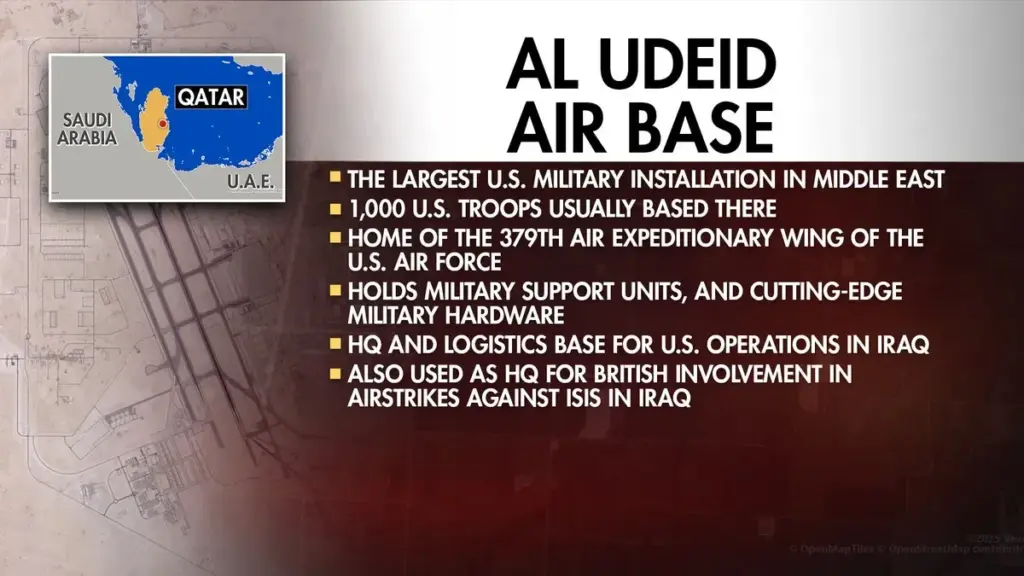
The Al-Udeid air base withdrawal marks a significant shift in the military strategy of the US and UK in the Middle East. This decision comes in light of increasing tensions with Iran, particularly in response to its harsh crackdown on anti-government protests. As US President Donald Trump weighs potential military options, the partial withdrawal is seen not only as a precautionary measure but also as a demonstration of the evolving dynamics within the region. With around 10,000 US personnel stationed at Al-Udeid, any changes in troop levels are closely monitored by diplomats and defense analysts alike.
Moreover, the Qatari government has expressed its commitment to maintaining security amidst these adjustments. Officials have stated that they prioritize the safety of their citizens and residents, adopting necessary measures to protect their critical infrastructure. Although specifics regarding the number of personnel being withdrawn remain vague, the implications for both US and UK military presence in the region are substantial, especially as they navigate these complex geopolitical waters.
Qatar Military Withdrawal and Its Implications
The Qatar military withdrawal signals broader implications for regional stability, given the pivotal role that Al-Udeid air base plays in US operations within the Middle East. As the home base for air operations against ISIS and various other military initiatives, any reduction in personnel could influence future US efforts in countering regional threats. Furthermore, the move is perceived as a reaction to current geopolitical tensions, particularly concerning Iran and its aggressive stance against internal dissent.
As the situation unfolds, it is essential to consider how the Qatari government will navigate these changes. There will likely be an emphasis on diplomatic engagements to mitigate any impact on bilateral relations with Western allies while ensuring internal security. With US and UK personnel reduction taking place, the potential for Iran’s heightened military assertiveness could pose challenges not only to Qatar but also to regional security as a whole.
Current US-UK Coordination Amid Military Personnel Reduction
Amid the military personnel reduction in Qatar, US-UK coordination remains crucial for maintaining a united front against threats posed by Iran. As the US reduces its military footprint, it is imperative that both countries align their strategies to address the challenges stemming from Tehran’s actions, especially in light of ongoing protests. The military withdrawal must not hinder their collective interests in safeguarding regional stability in the Middle East.
The UK’s decision to also withdraw some military staff reflects a shared caution regarding escalating military tensions in the region. As official communication regarding personnel changes remains limited for operational security reasons, maintaining transparency and cooperation between the US and UK is vital for global partners monitoring the situation closely. The repercussions of reduced personnel must be managed efficiently to ensure that military capabilities remain effective in responding to any provocations from Iran.
Iran Protests Crackdown: Implications for Regional Security
The crackdown on protests in Iran has intensified, resulting in the loss of over 2,400 lives, raising concerns about human rights violations and potential foreign intervention. The Iranian government’s response to dissent underscores the fragility of regional stability, which is further exacerbated by the US’s threats of military action against Tehran. The severity of the Iranian response signals a willingness to retaliate against perceived external aggressors, complicating the security landscape for neighboring countries.
The US’s vocal stance against the Iranian crackdown has created a precarious situation, where calls for intervention may provoke further military tensions in the region. As protests escalate and Iran faces international condemnation, any moves by the US or UK could be seen as escalating the situation, pushing Iran to adopt a more aggressive posture. It’s crucial for international stakeholders to tread carefully, recognizing the delicate balance between advocating for human rights and managing geopolitical stability.
Middle East Military Tensions Escalate Under Current Circumstances
Recent events have led to escalating military tensions across the Middle East, particularly as the US considers its approach to Iran’s crackdown on protests. The current geopolitical landscape is fraught with challenges as military withdrawals take place alongside threatening rhetoric from US officials. Such volatility raises the stakes for diplomatic solutions, given that any military escalation could trigger widespread conflict in the region.
In addition, the interconnectedness of regional actors means that misunderstandings or miscalculations can easily lead to broader conflicts. For instance, Iran’s threats to retaliate against potential US attacks could provoke preemptive actions from the US, increasing the potential for military clashes. Thus, the current context requires a careful strategy focused on de-escalation and heightened diplomatic engagement to avoid exacerbating existing tensions.
Trump-Iran Relations: A New Phase of Tension
The relationship between the US, led by President Trump, and Iran has entered a new phase amidst growing military tensions and discussions surrounding the protest crackdown. Trump’s administration has been vocal about its intent to impose significant consequences on Iran for its actions, intensifying the rhetoric surrounding US interventions. This stance not only impacts diplomatic relations but also exacerbates the potential for military conflict in the Middle East.
In navigating these complex relations, it’s worth considering the implications for peace in the region. Trump’s approach towards Iran suggests a willingness to engage in aggressive military posturing, but the effectiveness of such strategies remains contested. As the situation evolves, the repercussions of the US’s hardline policies may lead to a cycle of retaliation, further diminishing the prospects for diplomatic resolutions.
Impacts of the Qatari Military Presence on Regional Stability
The presence of Qatari military installations, particularly the Al-Udeid air base, plays a pivotal role in maintaining regional stability in the Middle East. As tensions rise, Qatar’s strategic partnership with the US and UK contributes to a critical security framework that counters threats from Iran and other regional adversaries. The implications of any changes in military presence can significantly influence power dynamics, not only in Qatar but across the entire region.
Additionally, Qatar’s ability to navigate its relationships with both Western allies and neighboring countries is vital for regional diplomacy. Continued cooperation and military engagement will be essential as the geopolitical landscape shifts. The Qatari government remains focused on securing its borders and upholding national security objectives amid the uncertainties presented by the US and UK personnel adjustments.
Monitoring the Evolving Situation in the Middle East
As the situation in the Middle East evolves, careful monitoring of events is essential to understanding the implications of military personnel withdrawals, particularly in Qatar. With tensions mounting between the US and Iran, and the ongoing crackdown on protests, the necessity for timely information and analysis cannot be overstated. Observers must track developments closely and assess their consequences for regional stability and security.
Moreover, the actions taken by the US and UK in response to Iran’s domestic unrest will be a defining factor in the trajectory of future interactions within the region. By understanding the nuances of these developments, international stakeholders can be better equipped to engage meaningfully with the evolving dynamics, ensuring that responses are proportionate and conducive to long-term peace.
Future Prospects for US-UK Military Strategy in the Middle East
The future prospects of US-UK military strategy in the Middle East are uncertain, especially in light of the withdrawal from the Al-Udeid air base. As both nations reevaluate their military commitments in the region, strategic alignments will need to adapt to the growing threats from regional powers, particularly Iran. This transitional phase may lead to redefined military roles and cooperative efforts aimed at mitigating security challenges.
Furthermore, the evolving geopolitical context necessitates that both the US and UK adopt a flexible approach to their military strategies. While maintaining a strong presence remains critical, the focus should also shift towards diplomatic engagement and conflict prevention. Strengthening alliances and fostering collaborative security arrangements with regional partners may prove essential in navigating the complexities of the Middle East’s security landscape.
Frequently Asked Questions
What is the significance of the Al-Udeid air base withdrawal in terms of Qatar military withdrawal?
The Al-Udeid air base withdrawal represents a strategic reduction of US and UK military personnel in Qatar, influenced by escalating tensions in the Middle East and potential military actions against Iran. This decision serves as a precautionary measure amid concerns over Iran’s crackdown on protests and its threat of retaliation, highlighting Qatar’s key role in regional military dynamics.
How does the USUK personnel reduction at Al-Udeid air base affect Middle East military tensions?
The US-UK personnel reduction at Al-Udeid air base may heighten Middle East military tensions by signaling reduced American military presence, which could embolden nations like Iran. As the US reassesses its approach amid growing unrest and threats of retaliation, this withdrawal may alter regional security balances and provoke responses from Iran regarding protests and military interventions.
How are the Iran protests crackdown and the Al-Udeid air base withdrawal connected?
The Iran protests crackdown and the Al-Udeid air base withdrawal are connected through the US’s strategic military decisions in response to Iran’s violent suppression of dissent. The base house personnel ready to respond to regional crises, and their withdrawal reflects the US’s cautious stance amid increasing calls for intervention against Iran’s harsh policies.
What are the implications of Trump’s Iran relations on the Al-Udeid air base withdrawal?
Trump’s Iran relations significantly impact the Al-Udeid air base withdrawal, as his administration considers military action in response to Iran’s crackdown on protests. The partial withdrawal of military personnel from the base in Qatar can be seen as a preparatory move amid fluctuating diplomatic tensions, underscoring the ongoing complexities in US-Iran relationships.
What measures is Qatar taking in light of the Al-Udeid air base withdrawal due to regional tensions?
In light of the Al-Udeid air base withdrawal, Qatar is reinforcing its commitment to national security by implementing necessary measures to safeguard its citizens and critical infrastructure. The Qatari government is preparing for potential escalations while ensuring the stability of military installations within the country.
What does the US’s response to Iran imply for future Al-Udeid air base operations?
The US’s response to Iran, including threats of military intervention regarding the ongoing protests, suggests that future Al-Udeid air base operations might be adjusted based on regional stability. If tensions escalate, the US may need to reconsider its presence and operational strategy at Al-Udeid to ensure readiness in potential conflict scenarios.
Are there any expectations of troop movements after the Al-Udeid air base personnel reductions?
Following the Al-Udeid air base personnel reductions, there are currently no indications of significant troop movements reminiscent of past tensions, such as those preceding Iranian strikes. While some personnel have been instructed to leave, strategic military operations appear to remain stable for now.
| Key Point | Details |
|---|---|
| Partial Withdrawal | The US and UK are reducing personnel at Al-Udeid air base as a precautionary measure in response to regional tensions. |
| Al-Udeid Air Base | Al-Udeid is the largest US military base in the Middle East, currently housing 10,000 personnel along with 100 UK staff. |
| Reason for Withdrawal | The withdrawal is influenced by US concerns over Iran’s actions against anti-government protests. |
| Iran’s Response | Iran has threatened retaliation should the US act against them, increasing regional tensions. |
| Casualties | Reports indicate over 2,400 anti-government demonstrators have died in the recent crackdown by Iranian authorities. |
| Safety Measures | Qatar emphasizes it will take measures to ensure the security of its citizens and military assets. |
| US Warnings | The US has advised its personnel to limit travel to military installations in the region amidst rising tensions. |
Summary
The recent Al-Udeid air base withdrawal signifies a strategic repositioning of US and UK military personnel amidst escalating tensions in the Middle East, particularly due to Iran’s violent crackdown on anti-government protests. This move, described as a precautionary tactic, aims to address rising regional conflict and bolster security measures in the face of potential threats. As the situation develops, further assessments are necessary to understand the broader implications for military operations in the region.