Listen to this article
Global temperatures have become a focal point in the discussion on climate change effects, raising alarms about the planet’s future. Recent reports indicate that while 2025 did not reach the scorching heights of 2024, the influence of the La Niña weather pattern has not been enough to override the alarming trend of rising global temperatures. In fact, the last three years have set unprecedented temperature records, continuously pushed higher by rampant carbon emissions worldwide. As extreme weather events become the new normal, scientists caution that without drastic measures to cut emissions, the repercussions of our actions will lead to even more alarming temperature increases. The urgency to address this issue is critical, as it not only threatens ecosystems but also humanity’s well-being on a warming planet.
The topic of rising atmospheric temperatures is increasingly crucial, as fluctuations in climate have significant implications for our planetary health. With the planet experiencing shifts that impact weather patterns and contribute to a series of catastrophic environmental events, understanding these temperature dynamics has never been more vital. The recent phenomenon of La Niña, which has introduced a temporary cooling influence, cannot mask the long-term warming trend intensified by anthropogenic factors. As we grapple with the consequences of escalating carbon emissions, we must confront the reality that exceptional weather occurrences are a direct result of these climatic alterations. In this light, comprehending the broader implications of temperature changes offers insight into the future of our environment and the urgent need for action.
Understanding Global Temperatures: A Closer Look
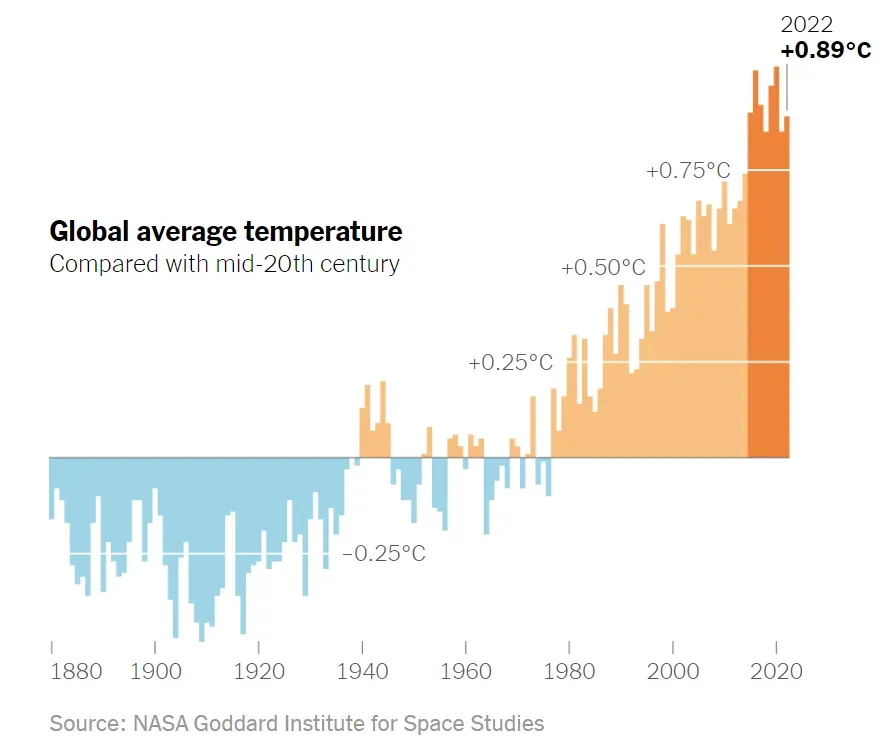
In recent years, global temperatures have become a crucial focal point in the dialogue surrounding climate change. Data from the European Copernicus climate service shows that in 2025, global temperatures did not surpass the extreme highs recorded in 2024, largely due to the naturally occurring La Niña weather pattern. However, it’s important to note that the last three years still marked the warmest recorded period in history, drawing further concern among climate scientists. The ongoing rise in global temperatures is not just a statistical anomaly but a reflection of the long-term trend driven by increasing carbon emissions and changing weather patterns.
The context of these temperature changes becomes clearer when considering the historical average—globally, 2025 was noted to be 1.4°C higher than pre-industrial levels, which highlights the sustained impact of human activities on climate. As various climate organizations adjust their calculations of pre-industrial temperatures, one undeniable fact remains: the planet is warming. With the contributions of greenhouse gases continuing to rise, the relationship between human activities and climate change is becoming increasingly evident.
The Impact of La Niña on Global Climate Patterns
La Niña, a weather phenomenon resulting from cooler ocean temperatures in the Pacific, plays a significant role in global climate patterns and is particularly influential in moderating temperatures. In the mid-2020s, La Niña contributed to a slight cooling effect, suppressing extreme heat compared to the previous year when El Niño conditions dominated. However, even with La Niña’s moderating influence, the global temperature in 2025 remained alarmingly warm compared to historical averages, raising concerns about the broader implications of climate variability.
Experts, including Dr. Zeke Hausfather, emphasize the importance of understanding La Niña’s effects within the larger context of climate change. While La Niña typically leads to cooler conditions, the fact that the last three years set new temperature records—even during a La Niña phase—reflects underlying trends driven by carbon emissions. This suggests that while these natural phenomena bring temporary relief from warming, they are overshadowed by the more significant impacts of human-induced climate factors.
Extreme Weather Events: The New Normal?
As global temperatures continue to rise, the frequency and intensity of extreme weather events are becoming more pronounced. In 2025, events such as the raging fires in Los Angeles and Hurricane Melissa serve as stark reminders of the toll that climate change is taking on our planet. Scientists attribute these extreme occurrences, at least in part, to the ongoing ramifications of climate change fueled by rising carbon emissions. Each extreme weather incident not only disrupts local ecosystems but also highlights the urgent need for climate action to mitigate further impacts.
The correlation between warming temperatures and extreme weather is a significant concern for climate scientists. They warn that as average global temperatures increase, we are likely to see even more severe weather events in the coming years. The data has already showcased the troubling pattern of record-breaking temperatures and intensified storms linked to climate change. Failing to address the underlying causes of these changes, such as high carbon emissions and inadequate climate policies, may mean that extreme weather events will become the new norm.
Breaking Temperature Records: A Call for Urgent Action
The last several years have shattered numerous global temperature records, escalating the urgent call for immediate climate action. According to Copernicus data, every month in the past three years has set new temperature records, reflecting an alarming trend in global warming. Scientists warn that unless there is a significant reduction in greenhouse gas emissions, the international commitment to limiting the global temperature rise to 1.5°C may become unattainable. The reality is that without transformative policy measures and a concerted effort to reduce emissions, we may face severe consequences for both our climate and ecosystems.
As we stand on the precipice of potentially breaching critical climate thresholds, the need for comprehensive climate strategies becomes increasingly clear. Experts emphasize the collaborative efforts required from governments, industries, and individuals to mitigate climate change. This includes adopting sustainable practices, increasing renewable energy use, and implementing policies that prioritize environmental protection. Only through decisive action can we hope to reverse current trends and safeguard the future of our planet.
Climate Change Effects: What Lies Ahead
The effects of climate change are increasingly evident as we confront rising global temperatures and their associated consequences. These effects extend beyond mere temperature increases, manifesting in the form of shifting weather patterns, water scarcity, and changes in wildlife habitats. The longer we allow carbon emissions to escalate unchecked, the more severe these consequences will become, potentially leading to catastrophic environmental shifts. With projections indicating that the global average could surpass critical thresholds by the end of the decade, the urgency for comprehensive climate action is paramount.
Looking ahead, it is essential to understand that the challenges brought about by climate change will require adaptive solutions. Regions that previously experienced steady weather may begin to witness unpredictable conditions, impacting agriculture, water supply, and local economies. As climate patterns evolve, communities must be equipped to respond to these new realities. Planning and prioritizing resiliency measures are crucial for mitigating the long-term impacts of climate change on both human health and the environment.
Carbon Emissions: The Driving Force of Climate Change
Carbon emissions are widely recognized as the primary driver of climate change, fundamentally altering the Earth’s climate systems. Understanding the role of these emissions is crucial, particularly as global temperatures continue to set alarming new records. The Met Office highlights that the correlation between rising emissions and temperature increases is inescapable. As carbon dioxide levels in the atmosphere continue to rise due to industrial activities, the planet is locked into a cycle of warming. Scientific evidence is mounting, demonstrating that without aggressive reductions in emissions, we will continue to witness extreme weather and significant ecological changes.
To combat the negative effects linked to carbon emissions, effective strategies must be deployed at both policy and individual levels. Governments around the globe are called upon to establish ambitious targets for emission reductions, transitioning towards sustainable energy solutions and fossil fuel alternatives. Meanwhile, individuals can play their part by adopting more environmentally friendly practices, from reducing energy consumption to supporting green initiatives. The path forward is steep, but through collective action, we can mitigate the impacts of carbon emissions and pave the way towards a more sustainable future.
Long-Term Warming Trends: Understanding Our Future
As scientists project long-term warming trends, it becomes increasingly critical to comprehend their implications for future generations. Projections indicate that the last three years of heightened temperatures, despite variations due to natural phenomena like La Niña, may be a precursor to even warmer conditions. Climate experts suggest that the persistent heat signals a continued threat to both ecological systems and human societies worldwide. Understanding that these temperature trends are largely influenced by human activity places added responsibility on our shoulders to respond effectively to climate change.
The ramifications of ongoing warming depend on our collective actions. Scientists maintain that while we face challenges, the future remains malleable. By implementing aggressive measures to limit carbon emissions and transitioning to sustainable practices, society holds the key to influencing the extent of warming. Emergency interventions such as increasing renewable energy sources and enforcing stricter environmental regulations are steps needed to secure a healthier planet for future inhabitants. Balancing economic growth with climate action is a critical aspect of ensuring our planet’s viability for generations to come.
Mitigation Strategies for Climate Resilience
Implementing robust mitigation strategies is essential for building resilience against the ongoing impacts of climate change. As global temperatures continue to rise and extreme weather events become more frequent, it is imperative for governments and organizations to adopt comprehensive approaches to reduce greenhouse gas emissions. This includes setting targets for lowering emissions and investing in renewable energy technologies. By harnessing wind, solar, and other alternative sources of energy, we can diminish our reliance on fossil fuels, thereby significantly reducing carbon emissions and their associated climate impacts.
Moreover, adaptation is a crucial component of the climate action strategy. Communities must focus not only on reducing emissions but also on preparing for the changes that have already begun. Developing infrastructure that can withstand extreme weather and incorporating climate considerations into urban planning will enhance community resilience. Furthermore, fostering public awareness about the impacts of climate change and promoting sustainable practices can mobilize collective action. Together, these efforts can create a more resilient future, minimizing the adverse effects of climate change on societies and ecosystems.
Raising Awareness of Climate Change: The Role of Education
Raising awareness about climate change is vital for empowering individuals and communities to take meaningful action. Education plays a significant role in disseminating knowledge about the environmental challenges we face, including rising global temperatures, carbon emissions, and extreme weather events. Through educational programs and public campaigns, individuals can learn how their actions contribute to climate change and what steps they can take to mitigate its effects. By fostering a greater understanding of the science behind climate change, we can inspire a movement towards sustainable practices and policies.
Furthermore, engaging local communities in climate education programs can enhance their resilience to environmental changes. Schools, organizations, and governments should work collaboratively to develop initiatives aimed at educating people about climate risks and adaptation strategies. This not only equips future generations with the knowledge necessary to navigate an increasingly volatile climate but also encourages community involvement in sustainability efforts. By prioritizing climate education, we can nurture a more informed population dedicated to combating climate change and preserving the planet for future generations.
Frequently Asked Questions
How do global temperatures influence climate change effects?
Global temperatures are a key factor in climate change effects, as rising temperatures lead to more extreme weather events, loss of ecosystems, and increased frequency of heatwaves. The long-term warming trend indicates that human activities, primarily carbon emissions, are driving significant changes in climate patterns worldwide.
What impact does La Niña have on global temperatures?
La Niña tends to lower global temperatures as it brings cooler ocean temperatures in the Pacific, which can counteract the warming from carbon emissions. In 2025, the cooling influence of La Niña played a role in preventing temperatures from reaching 2024 levels, yet it still remained significantly higher than decades prior due to persistence of climate change.
How are carbon emissions related to rising global temperatures?
Carbon emissions from fossil fuel burning increase greenhouse gas concentrations in the atmosphere, which leads to higher global temperatures. Studies show that without significant reductions in these emissions, we will continue to set new temperature records and exacerbate climate change impacts.
What are the recent temperature records indicating about global warming?
Recent temperature records indicate that the past three years have been the warmest ever recorded globally, which brings us closer to the critical threshold of 1.5°C above pre-industrial levels. This trend, driven by carbon emissions, showcases the urgent need for international climate action to limit global warming.
How do extreme weather events correlate with global temperatures?
Extreme weather events, such as fires and hurricanes, have been linked to rising global temperatures caused by climate change. For instance, the Los Angeles fires and Hurricane Melissa in 2025 are believed to have been intensified by ongoing climate warming, demonstrating the direct impact of higher global temperatures on weather patterns.
What role do researchers predict for global temperatures in the future of climate policy?
Researchers predict that global temperatures will continue to rise unless there are drastic reductions in carbon emissions. If current trends persist, we could exceed the 1.5°C threshold set by international climate agreements, leading to more severe climate impacts and necessitating urgent policy responses to mitigate these changes.
Why is monitoring global temperatures crucial for climate change adaptation?
Monitoring global temperatures is crucial as it helps scientists understand long-term warming trends and their implications for climate action. By tracking temperature changes, governments can better formulate policies to adapt to climate change, mitigate its effects, and build resilience in vulnerable communities.
| Key Points |
|---|
| Global temperatures in 2025 were influenced by La Niña, which resulted in cooler temperatures compared to 2024, yet remained substantially higher than a decade ago. |
| The past three years have recorded the highest global temperatures ever, inching towards dangerous climate targets. |
| The global average temperature in 2025 was over 1.4°C above pre-industrial levels. |
| Extreme weather events, exacerbated by climate change, continued, including wildfires and hurricanes. |
| Future warming and extreme weather patterns are linked to rising greenhouse gas emissions. |
| The reported data suggests the potential to exceed the 1.5°C rise target by the end of the decade. |
| Long-term warming is primarily due to human activity, but yearly variability is influenced by natural weather patterns like El Niño and La Niña. |
| Despite La Niña’s cooling effects, sustained high temperatures raise concerns among scientists about ongoing climate trends. |
| Solutions exist: mitigating emissions and adapting to climate changes can influence future outcomes. |
Summary
Global temperatures are a critical indicator of climate change, and the data from 2025 shows a persistent upward trend despite the temporary cooling effects of natural weather phenomena like La Niña. The alarming rate at which temperatures are rising underscores the urgency for immediate action to curb greenhouse gas emissions. As scientists project that we may exceed the crucial 1.5°C target by the end of the decade, it is clear that global temperatures are not just numbers; they represent the pressing reality of climate instability, extreme weather, and the dire need for global cooperation to combat climate change.