
Listen to this article
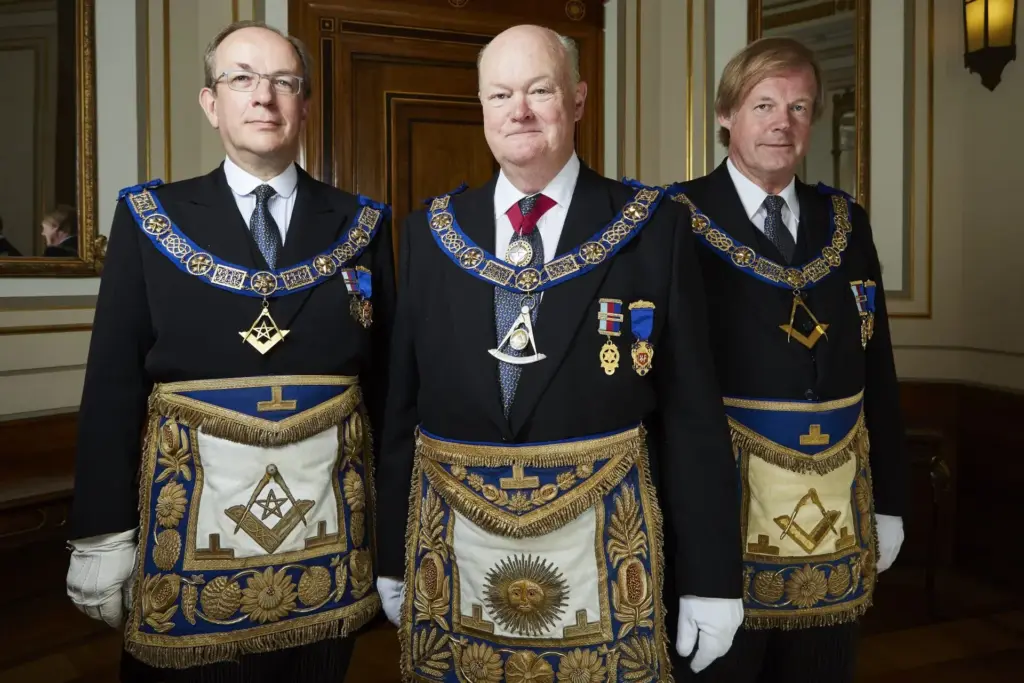
Freemasons have long been shrouded in mystery and intrigue, capturing the imagination of many while drawing criticism and controversy from various quarters. Recently, this secretive fraternal organization found itself at the center of a public debate as more than 300 Metropolitan police officers disclosed their membership under a new policy. The policy requires police personnel to declare affiliations to groups like Freemasonry, sparking discussions on police integrity and transparency. Organizations representing Masons have pushed back against the policy, citing allegations of discrimination and violation of privacy rights. With a high court judge now reviewing a potential legal challenge, the implications of Freemason membership on police conduct and public perception remain deeply relevant in today’s discourse.
The complex relationship between law enforcement and fraternal organizations, particularly those with hierarchical structures, raises important questions about accountability and ethics. In recent times, police associations with groups such as the Freemasons have sparked intense scrutiny and debate, particularly regarding the transparency of Freemason membership disclosure. Controversies in policing often center around the idea of secretive affiliations, leading to concerns over potential biases and conflicts of interest. As more officers reveal their ties to such factions, discussions surrounding the need for regulation and disclosure gain momentum. This ongoing discourse not only highlights the challenges facing modern policing but also the broader implications for public trust in these hierarchical organizations.
Understanding the Freemason Membership Disclosure Debate
The recent requirement for Metropolitan police officers to disclose their affiliation with Freemasons and other hierarchical organizations has sparked a significant amount of debate and controversy. With over 300 officers having already complied, the disclosure policy aims to ensure transparency and accountability within the police force. However, it raises concerns regarding privacy, discrimination, and the broader implications of religious affiliations for public servants. Critics, including several organizations representing Freemasons, argue that this policy could be seen as a breach of human rights, potentially leading to a chilling effect on police officers’ personal lives and affiliations.
As the legal challenge unfolds in the high court, the implications of this policy are being closely scrutinized. The organizations contesting the policy argue that the requirement affects not only Freemasons but also members of various religious or spiritual groups, which could lead to questions surrounding equality and fairness under employment law. The Metropolitan Police’s stance emphasizes restoring public trust, particularly in light of allegations surrounding corruption linked to Masonic membership. Ultimately, this debate revolves around the balance between transparency in policing and the safeguarding of individual rights.
The Impact of Police Affiliation with Freemasons
The affiliation between police officers and the Freemasons has historically raised concerns about the integrity and impartiality of law enforcement. Critics often refer to the potential for conflicts of interest, suggesting that Masonic ties could influence decision-making or create a culture of secrecy within the ranks. This concern has led to increased scrutiny, particularly among the Metropolitan police, which has recently mandated that officers disclose such affiliations. The central question remains: does membership in a hierarchical organization like the Freemasons inherently compromise the ethical duties of a police officer?
Supporters of the Freemasons argue that the organization promotes community service and ethical behavior, traits that are essential for law enforcement. They emphasize that not all members engage in corrupt practices, and the blanket policies that punish all based on association may not be justified. As investigations continue into the individual circumstances of Masonic involvement in police affairs, it is crucial to differentiate between the personal and professional lives of officers, maintaining that one does not necessarily reflect on the other.
Freemasonry Controversy and Public Perception
The ongoing controversy surrounding Freemasonry within the Metropolitan police has implications for public perception of law enforcement agencies. The notion that a secretive organization could have influence over police conduct raises alarming questions for citizens regarding their safety and trust in the system. Accusations of impropriety tied to Masonic membership have further fueled public skepticism, leading to calls for more comprehensive disclosures and oversight. As police forces aim to distance themselves from any appearance of bias or corruption, the necessity for transparency becomes increasingly critical.
However, it is essential for the Metropolitan police to navigate this controversy carefully. While pushing for transparency in reporting Masonic affiliations, they must also consider the voices of the Freemasons who assert that the policy may lead to discrimination against certain religious ideals. Striking a balance between transparency and protecting the rights of individual officers is paramount to maintaining both public trust and officer morale.
Exploring Hierarchical Organizations in Policing
Hierarchical organizations like the Freemasons have long been present within various sectors, including law enforcement. The structure of these organizations often resembles that of police forces themselves — both typically operate under strict disciplinary guidelines and a commitment to their members. This similarity raises questions about whether officers who are members of such organizations are able to maintain impartiality or whether their allegiance may hinder their professional obligations. The emergence of disclosure policies within the Metropolitan police is an effort to address these complex issues.
However, it is important to recognize that not all hierarchical affiliations pose an inherent risk to law enforcement integrity. Many officers may belong to community organizations that promote civic engagement and ethical behavior. Policymakers and law enforcement leaders must evaluate these affiliations on a case-by-case basis rather than casting a wide net that may unjustly affect personal freedoms and professional identities.
Legal Challenges to Freemason Membership Policy
The legal challenge initiated by the United Grand Lodge of England and other Masonic organizations against the Metropolitan police’s disclosure policy raises essential considerations about the interplay between law, ethical governance, and personal freedoms. The high court’s involvement in assessing the legality of mandatory disclosures signals that the matter extends beyond mere administrative policy; it touches on foundational rights related to association and belief. The judge’s comments suggest that while the disclosure itself has initiated compliance amongst officers, the implications for privacy and religious expression remain contentious topics.
As legal arguments unfold, crucial questions arise about what constitutes a justifiable requirement for disclosure of affiliations. Is the policy designed to safeguard public interest, or does it inadvertently act as a tool for marginalizing specific demographics within the workforce? Jurisprudence in this area will significantly influence how similar policies are crafted in the future, setting a precedent for how law enforcement engages with membership in such influential organizations.
Community Response to Freemasonry in Law Enforcement
Community response to the increased visibility of Freemason membership among police officers is varied, with some viewing it as a necessary step towards accountability while others express concerns over privacy and discrimination. Community members are increasingly aware of the complexities surrounding policing organizations and their affiliations, pressing for transparency and ethical conduct from their law enforcement agencies. As these discussions unfold, they become part of broader conversations about trust, integrity, and the importance of protecting various community members’ rights.
Feedback from community forums and public opinion emphasizes the need for policing structures that reflect accountability without imposing undue burdens on officers. Conversations about Freemason membership reveal a community divided between those seeking rigorous standards of disclosure and those advocating for individual rights to privacy and freedom of association. As the Metropolitan police balances these demands, the future of such policies may ultimately depend on understanding community sentiment and the need for collaborative dialogue.
The Role of Associations in Police Accountability
Associations such as the Freemasons have historically influenced career trajectories and networking opportunities for individuals within the police force. Understanding the role these affiliations play in fostering connections is crucial for fostering accountability within law enforcement. As organizations like the Freemasons come under scrutiny, the essential function they serve in professional development must not be overlooked. Policymakers should consider how to promote accountability while ensuring that affiliations do not limit career prospects for officers.
However, the relationship between professional associations and accountability is complex. While members might gain mentorship and resources through these organizations, the fear of perceived bias due to these affiliations is growing. As police departments implement policies requiring membership disclosure, it is critical that they also encourage a culture of openness that allows officers to engage with their affiliations positively while remaining sensitive to public concerns about bias in policing.
Future Considerations for Freemason Membership Policies
As the legal proceedings regarding the Metropolitan police’s Freemason membership policy unfold, it is clear that any future guidelines will need to consider both the rights of police personnel and public perceptions of justice and impartiality. Policymakers face the challenging task of creating a policy framework that fosters transparency without infringing on individual freedoms. The discussion surrounding Masonic affiliations serves as a catalyst for broader conversations about how best to integrate ethical principles in policing today.
Moving forward, it will be essential to monitor public sentiment and legal outcomes related to Freemasonry and law enforcement. Building a policy that reflects a commitment to accountability while still respecting personal beliefs and affiliations can help reinforce public trust. The ongoing dialogues among stakeholders, policymakers, and the community will be crucial in shaping effective policies that balance these often-competing interests.
Lessons from International Models of Policing
Examining how other countries handle affiliations between police forces and organizations like the Freemasons can provide valuable lessons for the Metropolitan police. Many nations have adopted comprehensive policies to ensure that law enforcement remains above reproach while allowing officers to maintain personal affiliations freely. Understanding the successes and challenges faced in these global contexts will inform how England addresses similar dynamics, potentially offering strategies to balance transparency with privacy rights.
International models can illustrate different degrees of scrutiny placed upon police affiliations with secret organizations. The approaches taken elsewhere may aid in formulating guidelines that respect the autonomy of organizations like the Freemasons while tackling public concerns about bias. Ultimately, leveraging insights from various policing models can contribute to a more equitable and effective framework for managing personal affiliations within law enforcement agencies.
Frequently Asked Questions
What is the significance of Freemason membership disclosure in the Metropolitan police?
Freemason membership disclosure in the Metropolitan police is significant because it aims to address concerns about transparency and public trust. The policy requires officers to declare affiliations with hierarchical organizations like the Freemasons to ensure accountability and mitigate any potential influence on police conduct.
How does police affiliation with Freemasons impact public trust and credibility?
Police affiliation with Freemasons can impact public trust and credibility by raising concerns about impartiality and potential corruption. Transparency through Freemason membership disclosure is seen as a necessary step for restoring confidence in law enforcement, especially in light of allegations surrounding Masonic influence.
What are the implications of the Freemasonry controversy for law enforcement agencies?
The Freemasonry controversy poses implications for law enforcement agencies as it challenges their integrity and public perception. Ongoing legal actions regarding membership disclosure policies underscore the balance between personal rights and the need for transparency, raising questions about how hierarchical organizations like the Freemasons may influence police operations.
Why are hierarchical organizations like Freemasons subject to disclosure policies in policing?
Hierarchical organizations like Freemasons are subject to disclosure policies in policing to enhance transparency and prevent conflicts of interest. The Metropolitan police’s approach aims to identify potential biases that could arise from secretive affiliations, thus promoting accountability within the force.
What legal actions are being taken regarding Freemason membership disclosure in the Metropolitan police?
Legal actions regarding Freemason membership disclosure in the Metropolitan police involve a challenge to the policy by organizations representing Masons, who argue that it constitutes religious discrimination. The high court is currently considering whether to grant an injunction to halt the policy, reflecting ongoing debates about individual rights versus institutional transparency.
How do Masonic organizations perceive the Metropolitan police’s disclosure policy?
Masonic organizations perceive the Metropolitan police’s disclosure policy as a form of religious discrimination and an infringement on human rights. They contest the necessity of such a policy, arguing it unfairly targets members based on their affiliation with a society requiring a religious belief.
What steps are being taken to evaluate the Metropolitan police’s policy on Freemason membership?
Steps to evaluate the Metropolitan police’s policy on Freemason membership include reviewing the representations made by Masonic groups and considering the potential retraction of the controversial decision. This evaluation reflects the police’s commitment to balancing transparency with safeguarding the rights of their officers.
How may allegations of Masonic influence affect police procedures?
Allegations of Masonic influence may affect police procedures by prompting stricter regulations on membership disclosures and oversight. Awareness of potential conflicts of interest stemming from Freemason affiliations could lead to reforms aimed at enhancing ethical standards and public confidence in policing.
| Key Points | Details |
|---|---|
| Legal Challenge | High court judge examining a challenge against a policy requiring police officers to declare Masonic affiliations. |
| Response from Freemasons | Organizations representing Freemasons are seeking an injunction, claiming the policy is discriminatory and breaches human rights. |
| Compliance Statistics | Over 300 Metropolitan officers and staff have reported their Masonic affiliations as mandated by the policy. |
| Metropolitan Police’s Stance | The police believe that the policy restores public trust and improves perception of impartiality within the force. |
| Masonic Influence Allegations | There are ongoing investigations into possible Masonic influence in police misconduct and corruption allegations. |
| Public Opinion | A survey indicated that two-thirds of police respondents support the declaration policy. |
| Concerns Raised | Freemasons argue only 5% of staff participated in the survey and consider the policy discriminatory. |
Summary
Freemasons are at the center of a significant legal debate concerning the Metropolitan Police’s new policy mandating officers to disclose affiliations with hierarchical organizations. This development has sparked controversy and complicated discussions about discrimination and transparency within law enforcement. While many officers recognize the importance of maintaining public trust, the Freemason organizations argue that the policy infringes on personal rights and religious freedoms. As this legal situation unfolds, the implications for the perception and operations of the Freemasons within the police force remain profound.