
Listen to this article
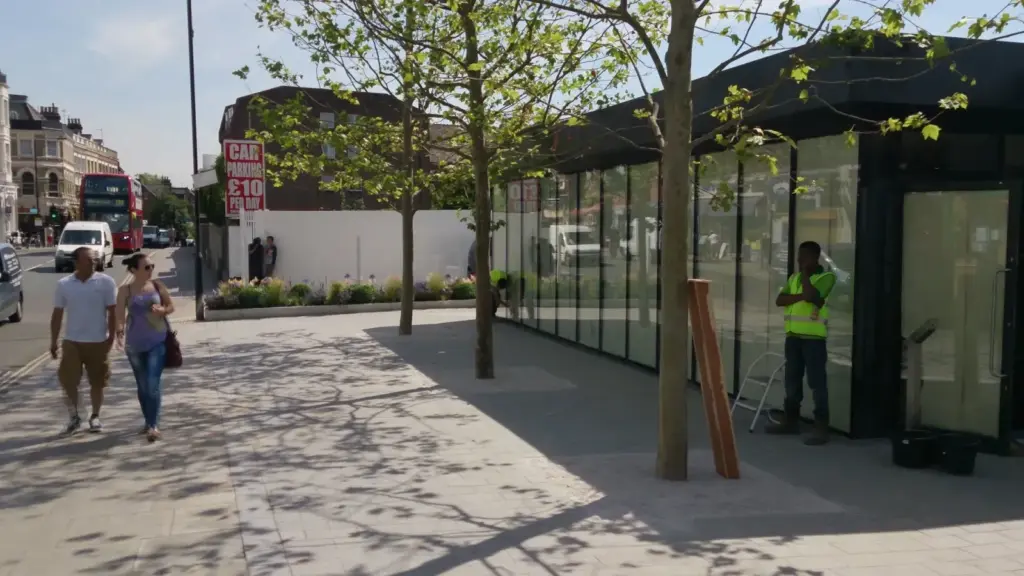
The West Hampstead pavement dispute has sparked significant concern among local residents due to the hazardous and uneven pavement conditions along West End Lane. Often likened to a ski jump, this slanted walkway poses risks for vulnerable pedestrians, particularly those with mobility issues or those pushing prams. The ongoing contention primarily involves Camden Council and the developers, Astir Living and A2Dominion, who are at odds over accountability for the pavement’s dangerous state. The council has taken steps to rectify the issue following pressure from residents and local representatives, but the developers claim the responsibility lies with the council’s lack of timely action regarding pavement safety. As the community anxiously anticipates the necessary repairs, the interplay of local governance and construction challenges continues to play out in this ongoing saga of West Hampstead’s pavement concerns.
The disagreement over pavement conditions in West Hampstead has brought to the forefront critical issues regarding public safety and infrastructural accountability. Known for its steep gradients reminiscent of a ski slope, the uneven surface presents serious challenges for pedestrians, particularly families and older adults navigating West End Lane. This precarious situation has led to rising frustrations among West Hampstead residents, who have voiced their concerns over the management of Camden Council and the responsible development companies. Meanwhile, the ongoing construction projects by Astir Living and A2Dominion have come under scrutiny for their role in exacerbating the situation through inadequate planning and execution. As residents hope for a resolution to these Camden Council pavement issues, the focus remains on ensuring that future developments prioritize pedestrian safety above all.
Understanding the West Hampstead Pavement Dispute
The West Hampstead pavement dispute has captured the attention of local residents and council officials due to safety concerns regarding an excessively slanted walkway. This issue arose following the construction of a large apartment complex known as West Hampstead Central. Homeowners, including elderly citizens and families with strollers, have reported difficulties navigating the uneven pavement, likening it to a ski jump. This situation prompted residents to voice their concerns to Camden Council, sparking a year-long debate about accountability and responsibility between the council and developers Astir Living and A2Dominion.
Camden Council attributed the responsibility for the problematic pavement to the developers, who counterclaimed that the council’s inaction contributed to the situation. Residents have expressed frustration, questioning why repairs took so long despite the clear risks associated with the slanted pavement. The ongoing dispute highlights the need for clearer communication and collaboration between local authorities and developers to ensure public safety is not compromised during large-scale construction projects.
Issues with Uneven Pavement in West Hampstead
The uneven pavement in West Hampstead presents significant safety risks, especially for those who are elderly or less steady on their feet. Complaints from the community have indicated that the slanted walkways along West End Lane make traversing the area perilous. With many residents echoing fears that the incline resembles a ski jump, it is clear that immediate action is required. A growing number of individuals have described navigating this slope as a daunting task, and it has become a significant topic of discussion in the local area.
Local officials, including Labor councillor Sharon Hardwick, have acknowledged the community’s concerns and maintained that the developers should be held accountable. Councillor Hardwick emphasized the need for safety by stating, “If you’re unsteady on your feet or have a pushchair, you really need to navigate it.” In light of these dangers, it is essential that developers adhere strictly to construction guidelines to avoid similar issues in the future.
Camden Council’s Role in Pavement Safety
As the responsible highway authority, Camden Council is tasked with ensuring the safety and accessibility of public walkways, including those surrounding new developments like West Hampstead Central. Their responsibility encompasses approving any structural changes to pavements and addressing any safety concerns that arise during the planning and construction phases. The controversy surrounding the slanted pavement reflects broader challenges faced by local governments in balancing community needs with developer interests.
In this case, Camden Council’s spokesperson admitted that the slope should never have occurred, stressing their intervention to rectify the situation. They reiterated that under the Section 106 agreement, it was the developers’ duty to fund necessary repairs. However, the tug-of-war between council and developers has raised questions about accountability, communication, and the timely addressing of safety hazards that may affect everyday residents.
Responsibility of Developers: Astir Living and A2Dominion
Developers Astir Living and A2Dominion have found themselves at the center of the West Hampstead pavement dispute, facing criticism from both the council and local residents. While they assert that the council is responsible for the ongoing pavement issues, they have also paid substantial sums toward highway improvements. Chris Ives, managing director at A2Dominion, explained the complexities surrounding the pavement situation, insisting their temporary reinstatement of the stonework was a necessary measure while awaiting council-approved permanent plans.
However, this claim is met with skepticism from the community and local officials, who argue that the developers should have better managed the situation. Maintaining clear lines of communication between the developers and the council could potentially prevent future disputes like this, ensuring that hazardous situations are resolved quickly and safety remains a priority.
Resolutions and Future Steps for West End Lane
In response to the ongoing concerns regarding the slanted pavement, Camden Council has confirmed that work to address the issue has finally commenced. With the goal of leveling and resurfacing the hazardous walkway on West End Lane, they intend to conduct these repairs promptly, with an expected completion date set for mid-February. This proactive approach is anticipated to drastically improve safety and accessibility for pedestrians navigating the area.
Furthermore, the involvement of external contractors like BT Openreach illustrates the collective efforts required to resolve the pavement issues effectively. By lowering underground telecom chambers prior to the pavement repairs, the council is prioritizing thorough solutions that tackle the underlying problems. Residents will be hopeful that these changes will restore walkability and alleviate fears surrounding the uneven surface on West End Lane.
Community Impact of the Pavement Issues
The pavement issues in West Hampstead have significantly impacted the local community, exacerbating concerns among residents. Many have expressed anxiety over the potential accidents waiting to happen, particularly for vulnerable groups such as the elderly and parents with young children. This ongoing discourse highlights an essential aspect of urban planning: the need to consider the impacts of development projects on foot traffic and community safety.
When sidewalks become hazardous, it not only affects mobility but can also deter visitors and diminish the overall appeal of the neighborhood. Local advocacy for safer pedestrian environments has become increasingly important, with residents unifying to demand improvements. Their voices serve as a reminder that urban development should not come at the expense of community safety and accessibility.
Ensuring Slanted Pavement Safety in the City
As the controversy surrounding the West Hampstead pavement continues, it shines a light on the critical importance of slanted pavement safety in urban areas. City planners and developers are urged to anticipate the implications of their designs on pedestrian experience, particularly in high-traffic locations. Solutions must account for diverse populations who may face barriers due to uneven surfaces.
Establishing clear guidelines for construction projects can help prevent future occurrences of dangerous slants and uneven pathways. Local governments must commit to collaborating with developers to ensure the safety of all public walkways, creating an urban landscape that prioritizes accessibility and convenience for every citizen.
The Role of Local Residents in Advocating for Change
The West Hampstead pavement dispute highlights the essential role local residents play in advocating for change. Activism and community engagement are crucial components in holding developers and local authorities accountable. As residents organized and voiced their concerns to Camden Council, they emphasized the need for immediate action regarding the uneven pavement, illustrating how citizen involvement can influence governmental decisions.
Local voices have the power to shape urban policies and bring attention to critical issues affecting communities. In this instance, the collective outcry about the slanted pavement represents not just a demand for repair, but a broader desire for thoughtful, inclusive urban development that ensures safety and accessibility for all.
Looking Ahead: Future Development and Infrastructure Improvements
The resolution of the West Hampstead pavement dispute opens the door for future discussions regarding development and infrastructure improvements in Camden. With lessons learned from the uneven pavement fiasco, both residents and officials are keen on ensuring that urban growth aligns with community needs and standards for safety. By fostering open dialogue and emphasizing accountability, future projects can integrate better infrastructural practices.
Additionally, this situation serves as a case study for other urban developers, illustrating the importance of adherence to safety regulations and prompt response to community feedback. As Camden Council moves to enhance the west end of the lane, a proactive and collaborative approach can promote more successful outcomes in urban planning, making neighborhoods like West Hampstead safer and more navigable for everyone.
Frequently Asked Questions
What is the West Hampstead pavement dispute about?
The West Hampstead pavement dispute revolves around the dangerously slanted pavement on West End Lane, created during the West Hampstead Central project by developers Astir Living and A2 Dominion. The slope, described as akin to a ski jump, raised safety concerns for pedestrians, prompting a year-long argument over responsibility for repairs between the Camden Council and the developers.
How does the uneven pavement in West Hampstead affect safety?
The uneven pavement in West Hampstead presents significant safety hazards, particularly for the elderly and those with mobility issues. Local residents have expressed concern that the steep incline makes it challenging to navigate, leading to fears of falls or accidents, especially for those unsteady on their feet or using pushchairs.
What actions are being taken by Camden Council regarding the pavement issues in West Hampstead?
Camden Council has begun rectifying the pavement issues in West Hampstead following a year of disputes. They confirmed that work started on leveling and resurfacing the pavement after determining that the developers, Astir Living and A2 Dominion, failed to adhere to approved plans, resulting in the hazardous slope.
Who is responsible for the slanted pavement safety in West Hampstead?
The responsibility for the slanted pavement safety in West Hampstead has been contested between Camden Council and the developers, Astir Living and A2 Dominion. While the council attributed the blame to the developers for the improper work, the developers claimed that the council’s inaction contributed to the problem. Ultimately, Camden Council is in charge of the footpath and is taking steps to correct the situation.
What has been the response from local residents regarding the West Hampstead pavement issues?
Local residents in West Hampstead have been vocal about their concerns regarding the unsafe pavement. Many, including councillor Sharon Hardwick, have reported an influx of emails from residents worried that the slanted path poses serious dangers, particularly for vulnerable populations such as the elderly and those with mobility challenges.
What led to the construction problems related to West Hampstead pavement?
The construction problems related to the West Hampstead pavement stemmed from a failure of the developers, Astir Living and A2 Dominion, to maintain alignment with their original plans during the development of the West Hampstead Central project. This negligence led to an unacceptable slope that necessitated intervention from Camden Council.
How long is the expected timeline for correcting the pavement issues in West Hampstead?
The timeline for correcting the pavement issues in West Hampstead is expected to extend to mid-February, as preparations are underway to lower an underground telecoms chamber before Camden Council’s teams can begin the leveling and resurfacing work.
What is the significance of the Section 106 legal agreement in context of West Hampstead pavement?
The Section 106 legal agreement is significant in the context of the West Hampstead pavement as it outlines that the developers, Astir Living and A2 Dominion, are responsible for covering the costs related to repairs of the pavement. This stipulation is key in resolving the ongoing dispute about accountability for the hazardous slope.
How did the West Hampstead Central project affect the pavement on West End Lane?
The West Hampstead Central project significantly affected the pavement on West End Lane by introducing a steep and uneven surface, which raised safety concerns among residents. This severe incline resulted from construction practices that deviated from approved plans, leading to a hazardous situation for pedestrians.
What measures are being taken to ensure pavement safety at West Hampstead?
Measures being taken to ensure pavement safety at West Hampstead include Camden Council’s intervention to level and resurface the problematic slope. Additionally, BT Openreach is involved in lowering underground utilities to facilitate these repairs, which are vital for creating a safe walking environment for the community.
| Key Point | Details |
|---|---|
| Slope Issue | Unacceptable pavement slant on West End Lane compared to a ski jump, causing navigation issues for residents. |
| Responsible Parties | Camden Council blames developers A2 Dominion and Astir Living; developers deny liability, citing council inaction. |
| Action Taken | Work to rectify the hazardous slope commenced, aiming for completion by mid-February. |
| Community Concerns | Local residents, including labor councillor Sharon Hardwick, express concerns for safety, especially for the elderly and those with pushchairs. |
| Financial Aspect | The development project was estimated at £120 million, with developers having contributed £67,000 towards highway works. |
| Future Steps | BT Openreach to lower underground telecoms chamber, followed by council’s leveling and resurfacing of the pavement. |
Summary
The West Hampstead pavement dispute highlights significant safety concerns related to the dangerously slanted pavement on West End Lane, reminiscent of a ski jump. After months of contention between Camden Council and developers A2 Dominion and Astir Living, it has been confirmed that corrective measures are finally underway. The community has voiced urgent concerns, emphasizing the dangers posed to vulnerable pedestrians. With work expected to conclude by mid-February, all parties are being urged to find a resolution to prevent such issues from arising in future developments.