Listen to this article
CAR-T therapy represents a revolutionary leap in leukemia treatment, harnessing the body’s own immune system to fight B-cell acute lymphoblastic leukemia (B-cell ALL). Recently approved by NHS England, this groundbreaking leukemia therapy has given hope to many patients struggling with this aggressive form of cancer. It involves modifying immune cells, specifically T-cells, to better recognize and destroy cancerous cells, thereby paving the way for advanced immunotherapy advancements. Reports indicate that patients undergoing CAR-T therapy have experienced significant remission rates and improved survival times, making it a beacon of hope in the realm of NHS cancer treatment. As thousands of patients across the country look forward to benefiting from this innovative approach, CAR-T therapy is set to redefine the standards of cancer care.
Chimeric Antigen Receptor T-cell therapy, commonly known as CAR-T therapy, is a cutting-edge immunological treatment designed to combat various forms of hematological malignancies, including certain leukemias. This pioneering approach utilizes genetically engineered T-cells, tailored from a patient’s own biological material, to precisely target and obliterate cancerous cells. With its integration into the NHS cancer treatment portfolio, this novel therapy has sparked significant interest among both researchers and patients alike. Its successful application signifies a major breakthrough in the realm of innovative cancer therapies, particularly for those facing the challenges of B-cell acute lymphoblastic leukemia. As we witness advancements in medical science, CAR-T therapy emerges as a cornerstone of hope and possibility for a healthier future.
Understanding CAR-T Therapy: A Breakthrough in Leukemia Treatment
CAR-T therapy, or Chimeric Antigen Receptor T-cell therapy, represents a revolutionary advancement in the field of leukemia treatment. This innovative form of immunotherapy involves modifying a patient’s own T-cells so they can better identify and attack cancer cells. For patients diagnosed with aggressive forms of leukemia, such as B-cell acute lymphoblastic leukemia (B-cell ALL), CAR-T therapy has shown promising results, pushing the boundaries of traditional cancer treatments. It offers hope where conventional therapies such as chemotherapy and stem cell transplants may fall short, providing an urgently needed alternative for patients facing a dire prognosis.
The experience of patients like Oscar Murphy, who described his CAR-T treatment as ‘fantastic’ and ‘very sci-fi,’ underscores the transformative potential of this therapy. Since receiving CAR-T therapy at Manchester Royal Infirmary, Oscar has embarked on a new journey, where his modified immune cells serve as powerful allies against his cancer. As NHS England opens up access to CAR-T therapy for adults with B-cell ALL, many patients can now look forward to longer lives and better quality of life, thanks to this groundbreaking approach to leukemia treatment.
The Role of Immunotherapy Advancements in Cancer Care
Immunotherapy is revolutionizing cancer care, particularly with advancements like CAR-T therapy. This approach harnesses the body’s immune system to fight cancer more effectively than traditional treatments. By genetically modifying T-cells to target specific cancer markers, immunotherapy is making significant strides in eliminating tumors, particularly in cases of aggressive diseases such as leukemia. With studies indicating that CAR-T therapy can lead to remissions in a notable percentage of patients, its role in modern oncology continues to expand.
As more healthcare providers adopt immunotherapy as part of their treatment protocols, patients are benefiting from innovative options that may lead to extended survival rates and improved outcomes. Institutions like the NHS are now prioritizing immunotherapy advancements, ensuring that treatments like CAR-T therapy are available to eligible patients. This shift signifies a crucial turning point in leukemia treatment, propelling research and development that could pave the way for additional groundbreaking therapies.
The Impact of NHS Cancer Treatment Innovations
The National Health Service (NHS) has been at the forefront of cancer treatment innovations, especially with the introduction of CAR-T therapy for B-cell acute lymphoblastic leukemia. By funding this cutting-edge therapy, the NHS is not only enhancing the standard of care available to patients but also exemplifying its commitment to incorporating the latest research findings into clinical practice. The approval for CAR-T therapy marks a watershed moment in cancer treatment, demonstrating the NHS’s proactive stance in offering its patients access to revolutionary therapies that might otherwise be unavailable.
With an estimated 50 patients set to benefit annually from this approved treatment, the NHS aims to ensure equitable access to life-saving therapies across its facilities. This initiative also reflects a growing recognition of the need for personalized medicine approaches in oncology, as treatments like CAR-T therapy can be tailored to individual patients, increasing the likelihood of successful outcomes. Such innovations signal a future where patients with aggressive leukemia can hope for remission and recovery, redefining what is possible in cancer care.
The Promise of Personalized Medicine in Leukemia Treatment
Personalized medicine is revolutionizing leukemia treatment with tailored therapies aimed at individual patient needs. CAR-T therapy is a prime example of this approach, as it utilizes the patient’s own T-cells, modified to better identify and eradicate cancer cells. This customization not only enhances the effectiveness of the treatment but also minimizes side effects traditionally associated with more generalized therapies like chemotherapy. Patients can expect a treatment plan specifically designed for their cancer profile, leading to improved response rates and better overall outcomes.
As healthcare advances toward more personalized treatment modalities, the implications for individuals battling diseases like B-cell ALL become increasingly positive. The unique nature of CAR-T therapy means that each patient’s treatment is uniquely suited to them, which can lead to improved remission rates and longer survival times. This shift toward personalized medicine signifies a new era in oncology, where patients can receive targeted therapies that align closely with their specific disease characteristics, ultimately rebuilding hope in the fight against cancer.
Long-Term Outcomes Following CAR-T Therapy
The promising outcomes associated with CAR-T therapy are shifting perceptions around long-term survival in leukemia patients. Clinical trials show remarkable efficacy, with around 77% of treated patients achieving remission and a significant portion remaining cancer-free after several years. This elevated success rate transforms CAR-T into a viable first-line treatment option for patients who previously faced grim prognoses. The potential for years of survival is a transformative concept for patients and their families, providing renewed hope and motivation in the fight against leukemia.
Patients like Oscar Murphy who experience successful treatment outcomes echo the importance of chemotherapy advancements in shaping future treatment protocols. Following CAR-T therapy, long-term health monitoring remains crucial, as patients will benefit from ongoing assessments to ensure sustained remission. While CAR-T therapy can yield immediate results, understanding the continuing effects of this living drug is vital not just for individual patients but for refining treatment strategies that can enhance life expectancy and quality of life for all individuals facing leukemia.
Exploring Clinical Trials and Their Impact on Treatment Efficacy
Clinical trials play a pivotal role in assessing the efficacy and safety of innovative treatments such as CAR-T therapy. These studies not only verify the treatment’s benefits but also contribute to the overall understanding of how it can be optimized for various leukemia types, including B-cell acute lymphoblastic leukemia. Participation in clinical trials can offer patients early access to cutting-edge therapies that may significantly alter their treatment landscape, showcasing the strategic importance of research in the continuous evolution of cancer care.
As more patients enroll in clinical trials, the resulting data helps refine the methodologies that guide future therapeutic approaches. The success of CAR-T therapy in trials, with impressive remission rates, illustrates the necessity of such studies in creating effective treatment pathways. By supporting ongoing research, the medical community can enhance existing protocols and discover new combinations of therapies that target leukemia, ultimately leading to improved patient outcomes and experiences.
Advancements in Genetic Modification Techniques for Cancer Treatment
The development of genetic modification techniques has revolutionized cancer treatment, particularly in the application of CAR-T therapy. This innovative approach involves reprogramming a patient’s T-cells to recognize and target leukemia cells specifically. Enhanced by advancements in genetic engineering, these modified cells can now distinguish between healthy and cancerous cells, significantly increasing therapy efficacy while reducing collateral damage to normal tissues.
As researchers explore new genetic modification methods, the potential for improved accuracy and efficiency in CAR-T therapy expands. Such innovations contribute to creating more robust treatments that can be adapted to various cancers, including B-cell ALL, making them a vital area of study in oncology. This focus on genetic modification not only opens new doors for targeted therapies but also fosters an environment of continuous improvement in cancer treatment protocols.
The Future of Leukemia Treatments: What Lies Ahead
The future of leukemia treatments appears optimistic, particularly with the introduction of CAR-T therapy as a standard treatment option. Ongoing research and clinical trials will continue to shape this ever-evolving landscape, focusing on improving treatment accessibility and efficacy for patients. As health systems like the NHS engage in expanding their offerings, it is anticipated that more patients will benefit from cutting-edge therapies that significantly enhance survival rates and quality of life.
In addition, advancements in cancer research—fueled by the success of CAR-T therapy—will likely inspire the development of newer, more sophisticated treatment modalities. Innovations in immunotherapy, targeted agents, and genetic therapies are just a few arenas exploring their potential application in leukemia and other cancers. As we look to the future, the emphasis on patient-centered care will remain paramount, ensuring that every individual has access to therapies that are safe, effective, and tailored to their unique condition.
Patient Experiences: Embracing Hope and Transformation
For patients like Oscar Murphy, the journey through leukemia treatment is often fraught with uncertainty, making the success of CAR-T therapy particularly meaningful. Oscar’s positive experience and hopeful outlook serve as inspiring reminders of the resilience inherent in the human spirit. His remarks about the treatment being ‘fantastic’ and akin to something out of science fiction reflect the transformative nature of this new way of treating leukemia, embracing the possibility of a brighter future.
Patient experiences are vital in shaping public perceptions about innovative therapies. As stories like Oscar’s emerge, they can motivate other patients battling similar diagnoses to explore treatment options that offer them a chance for remission and recovery. The emotional and psychological impacts of successful treatments foster a hopeful narrative of survivorship, where individuals can aspire to lead fulfilling lives post-cancer treatment, cherishing their dreams and aspirations with renewed vigor.
Frequently Asked Questions
What is CAR-T therapy and how does it work for leukemia treatment?
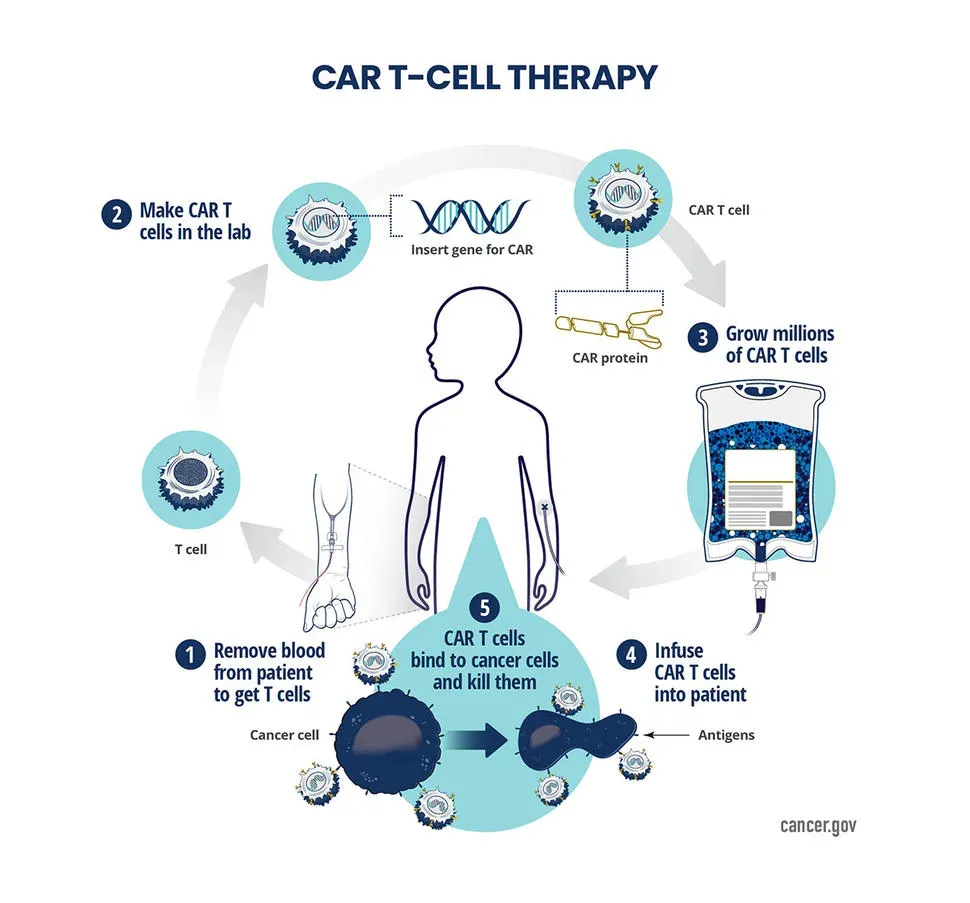
CAR-T therapy, or Chimeric Antigen Receptor T-cell therapy, is an innovative form of immunotherapy that utilizes the patient’s own genetically modified T-cells to target and destroy cancer cells. In leukemia treatment, especially for conditions like B-cell acute lymphoblastic leukemia (B-cell ALL), CAR-T therapy reprograms T-cells to recognize cancer-specific antigens, enabling a tailored attack on the malignant cells.
Who can benefit from CAR-T therapy for leukemia treatment?
CAR-T therapy is primarily aimed at patients with specific types of leukemia, including B-cell acute lymphoblastic leukemia (B-cell ALL) and certain lymphomas. Approved by NHS England, it is available for individuals, particularly adults, who have experienced relapses or do not respond to standard treatments. Approximately 50 patients are expected to benefit from this groundbreaking leukemia therapy annually.
How effective is CAR-T therapy in treating B-cell acute lymphoblastic leukemia?
CAR-T therapy has shown remarkable efficacy in treating B-cell acute lymphoblastic leukemia. Clinical trials indicate that 77% of patients achieved remission, with half remaining cancer-free after three and a half years. This groundbreaking leukemia therapy offers an average extension of life by 15.6 months compared to other treatments.
What are the side effects of CAR-T therapy compared to traditional leukemia treatments?
CAR-T therapy tends to have fewer and less severe side effects than traditional leukemia treatments, such as chemotherapy. As noted by Dr. Eleni Tholouli, who treated Oscar Murphy, CAR-T therapy is safer and more effective, presenting a revolutionary approach to treating aggressive forms of blood cancer.
Is CAR-T therapy available through the NHS for leukemia patients?
Yes, CAR-T therapy is available through the NHS for certain types of leukemia, including B-cell ALL. Recently approved funding facilitates its use across multiple centers in England, marking a significant advancement in NHS cancer treatment options for suitable patients.
What makes CAR-T therapy a ‘living drug’ for leukemia treatment?
CAR-T therapy is referred to as a ‘living drug’ because it involves modifying a patient’s own T-cells to fight cancer. Once infused back into the patient, these engineered CAR T-cells remain active in the body, continuously targeting and attacking cancer cells long after the initial treatment.
Can CAR-T therapy be considered a cure for leukemia?
While CAR-T therapy offers hope for remission and significantly improves survival rates in leukemia patients, it is currently not guaranteed as a cure. However, the potential for long-term remission means it is a groundbreaking approach that could change the outcomes for many patients facing aggressive forms of leukemia.
| Key Point | Details |
|---|---|
| Patient Experience | Oscar Murphy described his CAR-T therapy as ‘fantastic’ and ‘very sci-fi’ after receiving treatment at Manchester Royal Infirmary. |
| Cancer Diagnosis | Oscar was diagnosed with B-cell acute lymphoblastic leukemia (B-cell ALL) in March 2025 and faced a relapse after previous treatments. |
| CAR-T Therapy Effectiveness | 77% of patients in clinical trials achieved remission with CAR-T therapy, and the average extension of life was 15.6 months. |
| Safety and Side Effects | According to Dr. Eleni Tholouli, CAR-T therapy is safer and presents fewer side effects than traditional treatments. |
| Accessibility | NHS England has approved CAR-T therapy funding for various centers, expecting to treat around 50 patients yearly. |
| Innovative Technology | CAR-T therapy involves reprogramming T-cells to target cancer cells, transforming them into CAR T-cells for enhanced effectiveness. |
| Future Prospects | Experts predict CAR-T therapy may become a first-line treatment for aggressive blood cancers in the future. |
| Emotional Impact | Oscar expressed a strong desire for a normal life after treatment, highlighting the personal stakes involved. |
Summary
CAR-T therapy represents a revolutionary advancement in cancer treatment, offering new hope for patients battling aggressive forms of leukemia. This innovative approach utilizes genetically modified immune cells to specifically target and destroy cancer cells, significantly improving treatment outcomes and overall survival rates. Oscar Murphy’s inspiring journey through CAR-T therapy illustrates the life-changing potential of this immunotherapy, equipping patients with the tools needed to combat their diseases effectively. As NHS England expands access to CAR-T therapy and its applications broaden, more individuals may benefit from this cutting-edge treatment, paving the way for a brighter future in cancer care.