Listen to this article
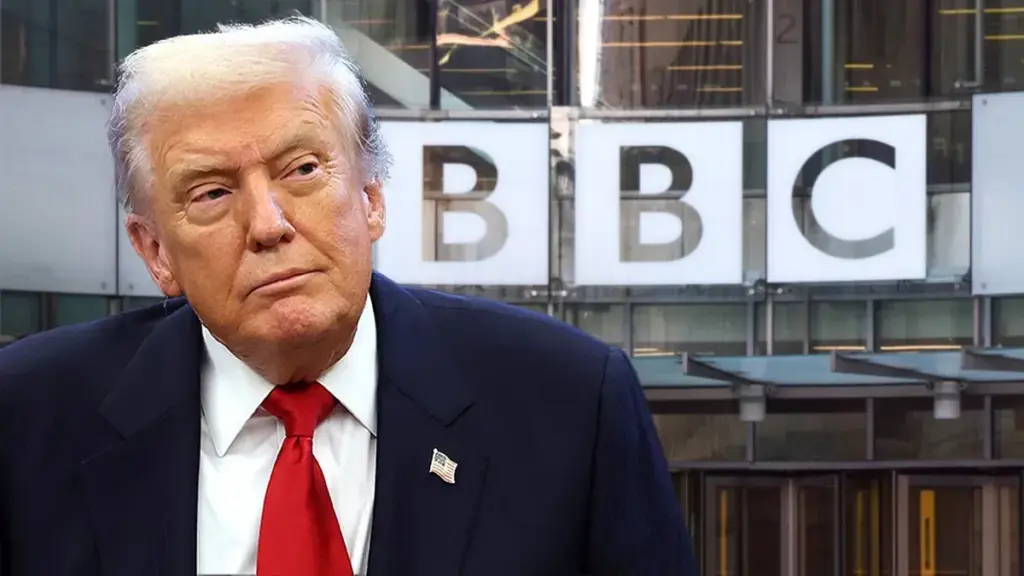
In a sensational development, the Trump lawsuit against the BBC has captured headlines around the world, highlighting the former president’s legal struggles with the media giant. This defamation case centers on allegations that a Panorama documentary misrepresented his January 6 speech, igniting a fierce controversy that has implications for free speech and journalistic integrity. Trump is pursuing a multi-billion dollar claim, arguing that the editing of his speech directly harmed his reputation and violated trade practices law. Meanwhile, the BBC is preparing to file a motion to dismiss the lawsuit, citing a lack of personal jurisdiction and improper venue in Florida. As both sides brace for what could become a lengthy Trump legal battle, the nuances of this case are set to play a pivotal role in how media is held accountable for its portrayals of public figures.
The recent clash between Donald Trump and the British Broadcasting Corporation marks a notable episode in the broader narrative of media accountability. The lawsuit, rooted in concerns about alleged defamation through the editing of a pivotal speech given on January 6, encapsulates the tensions between powerful political figures and the media. Questions are being raised surrounding the corporation’s editorial decisions in their Panorama segment, as well as the implications of their actions for journalistic practices going forward. As the BBC prepares its defense against Trump’s claims, which include disputing the contextual integrity of the footage and the harm it supposedly inflicted upon him, the upcoming legal proceedings could reshape the landscape of media and political discourse in unprecedented ways.
Overview of Trump’s Legal Battle Against the BBC
Donald Trump has initiated a legal confrontation against the BBC, citing defamation related to the editing of his January 6, 2021, speech in a Panorama documentary. The former president’s lawsuit seeks billions in damages, claiming that the broadcaster violated multiple legal provisions. This high-profile case has garnered significant media attention, raising questions about the intersection of media portrayal, public figures, and the legal ramifications of perceived defamation.
In the documents submitted to the court, Trump argues that the BBC’s edits to his speech misrepresented his intentions and contributed to unwarranted harm to his reputation. On the other hand, the BBC stands firm in its defense, contending that the case should be dismissed on jurisdictional grounds and that Trump’s claims lack the necessary legal foundations. Such disputes often prompt a deeper examination of the boundaries between free speech and media responsibility.
Understanding the BBC’s Motion to Dismiss
The BBC plans to file a motion to dismiss the lawsuit brought forward by Donald Trump, arguing that the Florida court lacks jurisdiction over the matter. They contend that the legal claims presented in Trump’s lawsuit are without substantiation and assert that no actionable defamation occurred as the Panorama documentary was not broadcasted in the United States. This perspective draws attention to the intricacies of international media laws and how they apply to local jurisdictions.
Moreover, the BBC argues that Trump’s contentions about harm are unfounded. They highlight that Trump’s chances of re-election remained strong after the documentary aired, questioning the legitimacy of his claims regarding the alleged negative impact of the edited speech. This argument points to the significance of demonstrating actual harm in defamation cases, a critical factor that could lead the court to side with the BBC.
The Trump Panorama Controversy Explained
The controversy surrounding the Panorama documentary specifically focuses on how Donald Trump’s January 6 speech was edited. Critics of the program, including Trump, allege that the edits falsely imply he incited violence. This interpretation has fueled Trump’s multi-billion dollar defamation lawsuit against the BBC, as he believes that the broadcasting of the edited content has severely damaged his public image.
On the flip side, the BBC acknowledges that the edits led to a misinterpretation but firmly denies that they rise to the level of legal malice necessary for a defamation claim. The case highlights the complexities of media editing and the implications it holds for public figures, especially in politically charged contexts. In such instances, the narrative construction can hold profound repercussions, necessitating careful scrutiny of the balancing act between free expression and responsible journalism.
The Impact of the January 6 Speech on Trump’s Litigation
Donald Trump’s January 6 speech is at the heart of the ongoing legal schism with the BBC. The speech, delivered prior to the Capitol rioting, has been a focal point for various interpretations, leading to legal challenges and public discourse on accountability. Trump contends that the way his words were presented in the documentary casts him in an unjust light, warranting substantial monetary compensation.
This pivotal moment not only sparked the controversy surrounding the BBC’s portrayal of Trump but also reignited discussions on the responsibilities of media outlets in reporting politically sensitive events. The case prompts key questions about how snippets or edited segments, particularly those depicting contentious political rhetoric, can influence public perception and the challenges that arise when individuals seek justice through litigation.
Legal Ramifications of the BBC’s Editing Choices
The editing decisions made by the BBC for the Panorama documentary carry significant legal implications in light of the defamation claims from Trump. By choosing to present a specific segment of Trump’s speech, the BBC inadvertently influenced public interpretation of his message, thus becoming the subject of scrutiny in a legal setting. This situation exemplifies the potential consequences media organizations face when they selectively edit content from public figures.
As the case progresses, the court’s decisions will likely hinge on whether the editing clearly constitutes defamation under applicable laws. The BBC’s response, including its acknowledgment that the edits created a misrepresentation, could influence the outcomes of both this case and wider compliance standards in journalistic integrity. Media entities must balance compelling storytelling with ethical considerations to avoid similar legal challenges.
Scrutiny of Media Responsibility in Public Narratives
The Trump lawsuit against the BBC raises critical concerns about media responsibility and accountability in shaping public narratives. As news organizations navigate the complex landscape of political reporting, the challenge lies in presenting content that accurately reflects reality without contributing to misinformation. Trump’s allegations suggest that media portrayal can have dire consequences for public figures, highlighting the need for transparency and ethical practices.
In this climate, media outlets are called to engage in self-reflection concerning their editorial practices, especially when dealing with inflammatory topics such as the January 6 insurrection. The court’s judgment on this case could set a precedent for how defamation claims interact with media freedom, emphasizing the importance of balanced reporting and the long-lasting effects that the portrayal of public events can have on individuals and society.
Examining the Allegations of Defamation and Malice
Defamation claims hinge on whether statements made can reasonably be interpreted as false and harmful. In Trump’s case, alleging that the BBC acted with ‘actual malice’ becomes critical in proving his lawsuit against them. The contention lies in whether the broadcaster knew that its edits would lead to misrepresentation and public backlash, a key consideration in determining liability.
Legal experts suggest that establishing the threshold of malice is challenging, implying that Trump’s legal team faces a tough battle ahead. The emphasis on actual harm is also scrutinized, as Trump’s position may become jeopardized if the court finds insufficient evidence that the edits from the Panorama program caused tangible damage to his reputation.
The Future Consequences of the BBC’s Legal Defense
As the BBC prepares to defend itself against Donald Trump’s lawsuit, the outcome of this legal battle could ripple through the media landscape. Should the BBC succeed in its motion to dismiss, it may embolden other media agencies to continue exercising editorial discretion without the fear of extensive litigation. Conversely, a ruling against the BBC could lead to cautious reporting, particularly in politically charged environments.
This case also has broader implications beyond just Trump and the BBC. It could inspire similar lawsuits from other public figures who feel targeted by biased media portrayal. As the boundaries of truth in reporting are tested, the balance between protected speech and responsible journalism will remain under examination, shaping how future cases involving media coverage and public statements are approached.
Potential Timeline for the Trump BBC Lawsuit
The timeline for resolving the Trump lawsuit against the BBC presents another layer of complexity. Initially filed in a Florida court, pending motions such as those to dismiss can prolong the litigation process substantially. Suggestions for a trial date in 2027 indicate that this legal battle may stretch into the foreseeable future, raising questions about the stamina required for both parties involved.
Ongoing legal proceedings not only extend the timeline but can also affect public sentiment and perceptions surrounding the parties involved. As the case unfolds, the media narrative will likely shift, possibly impacting public opinion about Trump and the BBC alike. Stakeholders, including the public, the media, and legal entities, will be keenly observing how this situation develops and what precedents it sets for the intersection of media reporting and legal accountability.
Frequently Asked Questions
What is the basis of Trump’s lawsuit against the BBC concerning the Panorama documentary?
Donald Trump’s lawsuit against the BBC centers on alleged defamation linked to the editing of his January 6 speech in a Panorama documentary. He claims that the edit misrepresented his statements, leading to substantial damage to his reputation.
What is the BBC’s response to Trump’s defamation claims in the Panorama controversy?
The BBC plans to file a motion to dismiss Trump’s defamation claims, arguing that the Florida court lacks jurisdiction and that the documentary did not air in the US, therefore not causing any harm to Trump. They maintain that his claims lack merit.
What legal arguments will the BBC use in their motion to dismiss Trump’s defamation lawsuit?
In its motion to dismiss the defamation lawsuit, the BBC will argue that the court lacks personal jurisdiction over the broadcaster and that Trump has failed to state a valid claim. They also assert that the documentary did not defame Trump and that he has not shown actual harm resulting from its airing.
How did the BBC’s Panorama program edit Trump’s January 6 speech, and why is it controversial?
The Panorama program edited Trump’s January 6 speech to include a clip that many believe misconstrued his message as inciting violence. The controversy arises from how this edit gave the mistaken impression of Trump calling for immediate violent actions, which the BBC has acknowledged could be misleading.
What were the implications of the leaked internal BBC memo regarding the Trump Panorama controversy?
The leaked internal BBC memo criticized the editing of Trump’s January 6 speech in the Panorama documentary, leading to the resignation of high-ranking BBC officials. This controversy may impact public perception of the BBC’s editorial processes and the integrity of its news programming.
What potential outcomes could arise from Trump’s legal battle against the BBC?
Possible outcomes from Trump’s legal battle against the BBC could include dismissal of the lawsuit, a ruling in favor of the BBC on defamation grounds, or potential settlement developments. The proposed trial date indicated for 2027 suggests a lengthy legal process ahead.
Did the Panorama program air in the United States, and how does this influence the lawsuit?
The BBC asserts that the Panorama program did not air in the United States, which significantly influences the lawsuit. Trump’s claims hinge on the notion that international broadcasts affect U.S. citizens, but the BBC’s argument questions the validity of jurisdiction in this case.
Why did Trump file a multi-billion dollar lawsuit against the BBC, and what does he seek?
Trump filed a multi-billion dollar lawsuit against the BBC seeking damages for defamation, stemming from how his January 6 speech was portrayed in the Panorama documentary. He believes the edit harmed his reputation and public standing.
What are the key statements made by Trump during his January 6 speech related to the BBC lawsuit?
During his January 6 speech, Trump made statements like, “We’re going to walk down to the Capitol, and we’re going to cheer on our brave senators…” and later declared, “And we fight. We fight like hell.” Controversy arose over how these statements were edited and presented in the BBC’s Panorama program.
Can Trump prove that the Panorama documentary caused him actual harm, according to the BBC’s legal defense?
According to the BBC’s legal defense, Trump has not demonstrated any actual harm resulting from the Panorama documentary, pointing out that he was re-elected after it aired and secured Florida with a substantial majority.
| Key Point | Details |
|---|---|
| BBC’s Motion to Dismiss | The BBC plans to file a motion to dismiss Trump’s lawsuit, claiming lack of personal jurisdiction and improper venue. |
| Trump’s Lawsuit | Filed for defamation and billions in damages against the BBC for editing his speech from January 6, 2021. |
| Response to Claims | The BBC apologizes for the edit but denies defamation and asserts the program did not air in the US. |
| Defamation Basis | BBC argues Trump hasn’t shown actual harm from the documentary, which aired after his re-election. |
| Documentary Editing Controversy | An internal memo criticized the edit of Trump’s speech, leading to resignations within BBC management. |
| Trial Date | If the case proceeds, a proposed trial date is set for 2027. |
Summary
The Trump lawsuit against the BBC centers on his claims that the editing of his January 6 speech in a Panorama documentary constitutes defamation. As the BBC prepares its defense by moving to dismiss the case based on jurisdictional concerns and lacks of evidence for harm, this legal battle highlights ongoing tensions between media portrayals of political figures and the implications of defamation law. With a trial tentatively set for 2027, the unfolding developments will be critical for both Trump and the BBC in the realm of public discourse and media responsibility.