Listen to this article
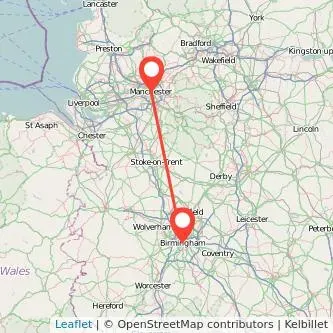
The Birmingham to Manchester rail link is poised to become a pivotal element in the UK’s infrastructure strategy, as the government prepares to unveil its plans for this much-anticipated connection. Once a part of the ambitious HS2 news, this route is now being tied into the promising initiatives under the Northern Powerhouse Rail framework. With increasing congestion on the West Coast mainline, the need for efficient transport solutions between these key cities is more critical than ever, resonating strongly with the latest Manchester transport updates. The project not only promises to enhance connectivity but also aims to stimulate economic growth in the region amidst the broader UK rail plans 2023. As stakeholders, including Mayor Andy Burnham, rally behind the proposal, the prospect of a new Birmingham rail project is steadily gaining momentum, despite the hurdles faced in previous endeavors.
The upcoming rail connection bridging Birmingham and Manchester is set to reshape travel dynamics in the north of England, delivering on long-held aspirations for improved transit options. Often referred to as a vital addition to the Northern Powerhouse initiative, this line’s inception follows a series of stalled high-speed rail proposals, including those linked to the controversial HS2 project. As the call for better transportation networks intensifies, this link could soon facilitate quicker journeys and bolster the regional economy. Furthermore, as government discussions continue, insights into broader UK rail strategies underscore a commitment to upgrading connections across northern cities. Stakeholders are eager to see how the revival of these plans will materialize, with expectations that they will significantly elevate the standard of rail travel in the UK.
Understanding the Birmingham to Manchester Rail Link Proposal
The proposed Birmingham to Manchester rail link is an ambitious project set to enhance connectivity between two of England’s major cities. Following the initial plans for the HS2 high-speed rail line, which included this crucial connection, recent governmental statements indicate a renewed interest in establishing a direct rail route between Birmingham and Manchester. However, with Rishi Sunak’s administration scrapping the segment of HS2 that linked the two cities, the future of this proposal remains uncertain. While current plans for Northern Powerhouse Rail aim to improve rail infrastructure across the North, it appears the Birmingham to Manchester link is likely to be developed well after the completion of NPR.
As urban centers evolve, the necessity for effective transportation networks becomes increasingly apparent. The proposed rail link has the potential to alleviate congestion on the West Coast main line, opening up new avenues for economic growth and regeneration. City Mayor Andy Burnham’s support for such initiatives underscores the importance placed on better transport solutions, aligning with broader UK rail plans for 2023, which prioritize enhancing rail services to stimulate regional economies. Despite the excitement surrounding the proposal, the timeline for the direct rail connection remains vague, causing concern for stakeholders who desire prompt action.
Northern Powerhouse Rail: Transforming Transportation in the North
The Northern Powerhouse Rail (NPR) initiative is a game-changing approach to regional connectivity in Northern England. By aiming to link key cities through advanced rail infrastructure, NPR is designed to facilitate quicker and more efficient travel, thereby enabling increased economic interaction between regions. Although the government has faced scrutiny due to repeated delays in finalizing NPR plans, the commitment to improving rail links remains a priority. Analysts suggest that the successful implementation of NPR could significantly enhance not only travel times but also the economic landscape across the North.
Critics point out, however, that the delays serve as a reminder of the challenges facing major infrastructure projects in the UK, especially in light of the HS2 debacle, which has been marred by ballooning costs and setbacks. Shadow Rail Minister Jerome Mayhew has voiced concerns about aligning the high aspirations of Northern Powerhouse Rail with realistic delivery timelines. The overarching vision of a connected Northern England remains vital and is seen as crucial for balanced national growth. With ongoing discussions and developments expected, all eyes are on how and when these delayed rail plans will materialize.
The Impact of HS2 on Future Rail Developments
High-Speed 2 (HS2) has been positioned as a cornerstone of Britain’s rail infrastructure expansion, designed to reduce travel times between major cities, including a significant Birmingham to London segment. However, the escalating costs and protracted timelines associated with HS2 have raised questions about its feasibility and overall effectiveness. With the price tag already in the hundreds of billions, many are now worried about the implications this might have on other rail projects, especially those like the Birmingham to Manchester rail link that rely on public funding and governmental support.
As HS2’s challenges unfold, there is an increasing call for more transparent project management and accountability within the Department for Transport. Particularly, ensuring that lessons learned from HS2 are applied to future projects, including Northern Powerhouse Rail, is essential. Stakeholders within the rail industry are advocating for a more strategic approach to the planning and execution of rail developments across the UK, emphasizing that avoiding previous mistakes could lead to a smoother rollout of much-needed infrastructure improvements, enhancing connectivity for residents and businesses alike.
Challenges Facing the Birmingham to Manchester Rail Link
Despite the potential benefits of a Birmingham to Manchester rail link, significant challenges remain. The administrative and financial hurdles associated with large-scale rail projects can lead to prolonged timelines and unforeseen complications. With previous iterations of rail policies facing criticism, there is a recognized need for careful planning to ensure the viability of this new proposal. Critics are especially concerned about how these challenges compare with ongoing issues surrounding HS2, where budget overruns and construction delays have created a ripple effect on public and governmental trust.
Additionally, regional stakeholders have pointed to the lack of concrete timelines and ample detail surrounding the developments of the Birmingham to Manchester link. Without a clear path forward, it is challenging to maintain momentum and faith in the project. The recent delays surrounding the Northern Powerhouse Rail initiative also cast a shadow on the timelines for any new developments, highlighting the need for a more robust strategy in tackling the logistical aspects of rail connection and infrastructure growth in northern England.
Economic Implications of Enhanced Rail Links
The prospect of enhanced rail links between Birmingham and Manchester holds significant economic promise, especially in relation to the broader objectives of the Northern Powerhouse initiative. By facilitating faster and more reliable travel between key economic hubs, the proposed rail link could create new opportunities for businesses, enhance job creation, and stimulate local economies. The connectivity fostered by such infrastructure projects often leads to increased productivity and innovation, benefiting industries across multiple sectors in both cities.
However, realizing this economic potential requires overcoming existing constraints and securing commitment from both public and private sectors. Initial investments, long-term planning, and stakeholder engagement are all critical factors that influence the feasibility of these rail improvements. As UK rail plans for 2023 evolve, ensuring that investment flows into these essential projects becomes pivotal for driving economic transformation and ensuring that regions outside of London receive the attention and infrastructure improvements they need to thrive.
The Role of Government in Rail Infrastructure Development
Government involvement plays a crucial role in the success of rail infrastructure projects, such as the proposed Birmingham to Manchester rail link. As the primary funder and policy maker, the government’s decisions directly impact the planning, execution, and evaluation of such large-scale initiatives. Recent history with HS2 has showcased the complexities of managing public infrastructure projects, leading to calls for greater transparency and more rigorous cost management approaches to avoid repeating past mistakes.
In addition to funding, effective government leadership is pivotal for rallying public support and garnering the necessary political backing for new rail schemes. The announcement around the Birmingham to Manchester rail link, as part of the Northern Powerhouse plans, will be closely watched to assess how seriously the government is taking transport infrastructure improvements. It is essential that they prioritize long-term strategic vision over short-term political pressures to ensure that rail developments serve not only immediate needs but also future generations.
Public Sentiment and Support for the Rail Link
Public sentiment plays a vital role in determining the viability of transportation infrastructure projects like the Birmingham to Manchester rail link. Local communities, business leaders, and regional governments are typically vocal about their needs for reliable transport solutions, which can translate into significant public support. The government’s ability to tap into this sentiment can often dictate the success or challenges faced during the planning and implementation phases of such projects.
Support from influential leaders, such as Greater Manchester’s Mayor, further underscores the importance of regional advocacy and buy-in for improving rail connectivity. When citizens recognize the potential benefits that enhanced rail links might bring—such as job access, increased trade opportunities, and reduced travel times—they are more likely to support infrastructure investments. Ongoing public engagement and transparent communication from the government will be critical to ensure that community input is considered as plans for the Birmingham to Manchester rail link evolve.
Comparative Analysis of UK Rail Projects
Comparing the Birmingham to Manchester rail link with other UK rail projects provides valuable insights into the unique challenges and opportunities presented by each initiative. For instance, while HS2 has encountered considerable hurdles with budget overruns and timeline extensions, regional projects under the Northern Powerhouse umbrella have faced their own set of obstacles, primarily regarding government funding and public support. Understanding these differences is essential for stakeholders looking to advocate for better planning and execution of future rail projects.
Moreover, the experiences of other countries in developing efficient rail networks can offer lessons for the UK. Countries such as Japan and France, with their established high-speed rail systems, provide benchmarks for successful project delivery that UK policymakers can draw upon. As the government proceeds with its rail plans, incorporating best practices gleaned from international successes may help to identify effective strategies for overcoming the challenges posed by the Birmingham to Manchester link and ultimately ensure the realisation of ambitious transport goals.
Future Prospects for Rail Connectivity in the UK
The future of rail connectivity within the UK, particularly for projects like the Birmingham to Manchester rail link, remains dynamic and full of potential. As patterns of travel change and the need for enhanced transport options becomes clearer, the government must adapt its approach to ensure that its rail infrastructure meets the demands of both urban and rural populations. With the Northern Powerhouse Rail initiative potentially reshaping the landscape of Northern England, the Birmingham to Manchester link could serve as a key element in fulfilling the broader vision of interconnected regions.
Looking ahead, there is hope that the integration of sustainable practices, technological innovation, and strategic partnerships will drive the future of UK’s rail connectivity. Community feedback and responsiveness to stakeholder concerns will play an instrumental role in shaping plans that are both feasible and beneficial. By focusing on reinforcing regional networks and addressing current transportation challenges, policymakers can pave the way for an inclusive and efficient rail system that meets the needs of all citizens.
Frequently Asked Questions
What is the status of the Birmingham to Manchester rail link project?
The Birmingham to Manchester rail link project is currently in the planning stages, following the government’s announcement to focus on Northern Powerhouse Rail (NPR). Although details are scarce, a new connection is expected to be developed after the completion of NPR, potentially taking decades. This initiative aims to enhance rail links across Northern England, supporting economic growth outside of London.
How does the Birmingham to Manchester rail link relate to Northern Powerhouse Rail?
The Birmingham to Manchester rail link is an integral part of the broader Northern Powerhouse Rail (NPR) initiative aimed at improving connections between major northern cities. As NPR progresses, plans for this new rail link will be explored further, optimizing travel times and contributing to regional economic growth.
When can we expect updates on the Birmingham to Manchester rail link?
Anticipated updates on the Birmingham to Manchester rail link and the Northern Powerhouse Rail project have faced delays due to ongoing reviews and cost concerns. Therefore, significant announcements regarding timelines or developments are not expected imminently, with some estimates suggesting that major progress may not be seen for years.
What challenges does the Birmingham to Manchester rail link face from the HS2 project?
The Birmingham to Manchester rail link faces scrutiny and challenges stemming from the HS2 project’s extensive delays and budget overruns. Insiders have indicated a cautious approach to avoid similar pitfalls, emphasizing the need for careful planning and realistic expectations in light of HS2’s costly mistakes.
Who supports the Birmingham to Manchester rail link initiative?
The proposal for a new rail link connecting Birmingham and Manchester has received support from key figures, including Greater Manchester Mayor Andy Burnham. Local leaders recognize the importance of improved rail infrastructure for fostering regional connectivity and economic development within the Northern Powerhouse framework.
What are the potential economic impacts of the Birmingham to Manchester rail link?
The proposed Birmingham to Manchester rail link is expected to have significant economic impacts by reducing travel times between major cities, facilitating better access to jobs, and enhancing regional connectivity. This initiative aligns with the broader goals of Northern Powerhouse Rail, which aims to boost the northern economy and improve infrastructure.
How does the Birmingham to Manchester rail link fit into UK rail plans for 2023?
In UK rail plans for 2023, the Birmingham to Manchester rail link is highlighted as a future priority within the Northern Powerhouse Rail strategy. While immediate development may be delayed, the rail link is seen as essential for addressing congestion, improving capacity, and advancing the government’s ambitions for national rail connectivity.
What lessons are being learned from the HS2 project regarding the Birmingham to Manchester rail link?
The Birmingham to Manchester rail link project is leveraging lessons learned from the HS2 initiative, particularly concerning budget management and project timelines. The government aims to proceed with a more cautious and transparent approach in developing new rail connections to avoid the complications that have hindered HS2’s progress.
| Key Points |
|---|
| The UK government plans to build a new rail link between Birmingham and Manchester, previously part of HS2, which was cancelled by the current administration. |
| Confirmation expected for Northern Powerhouse Rail (NPR), which includes new rail links across northern England. |
| Mayor of Greater Manchester supports new rail connection, emphasizing its importance for regional growth. |
| HS2 faced delays and significant budget overruns, causing concerns regarding the management of rail projects. |
| Previous announcements on Northern Powerhouse Rail plans were postponed due to cost concerns, leading to doubt about future developments. |
| Criticism aimed at Labour’s ability to follow through on rail promises, with opponents fearing NPR may not materialize. |
Summary
The Birmingham to Manchester rail link is poised to be a major step in enhancing connectivity across the North of England. Following the government’s cancellation of the HS2 route segment, attention has shifted towards developing a new rail connection that not only promises to ease congestion but aims to boost regional economies. While the link is still in its planning stages, the anticipated Northern Powerhouse Rail initiative could provide a framework for its realization. Ensuring that this project comes to fruition will be crucial, as it addresses long-standing issues of rail travel in northern England, heralding a new era of growth and opportunity.