
Listen to this article
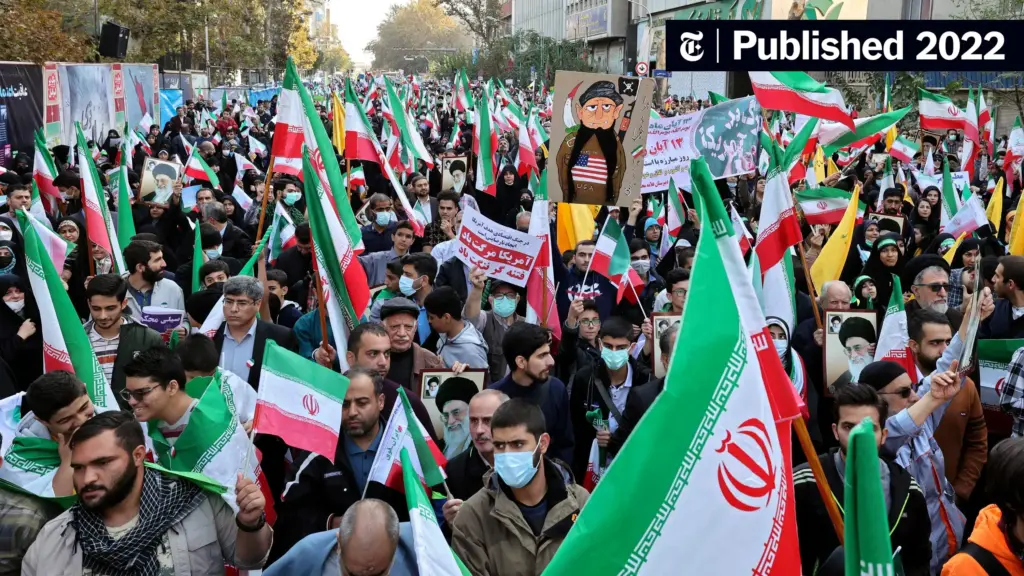
The ongoing Iran regime protests underscore a critical moment in the struggle against the Islamic Republic, as citizens express their disillusionment with oppressive governance and deteriorating living conditions. Since September 2023, widespread demonstrations have erupted, fueled by frustration over harsh sanctions on Iran and the economic toll they impose on everyday families. Amidst this unrest, the Iranian Revolutionary Guards Corps (IRGC) play a significant role in suppressing dissent, demonstrating the regime’s determination to maintain control. Many observers fear that unless the regime collapses under this mounting pressure, the aspirations of a free Iran may remain unfulfilled. As global tensions rise and sanctions persist, the fight for change intensifies, igniting hope for a brighter future during these turbulent times.
The protests challenging the Islamic authority in Iran are part of a broader phenomenon of civil unrest seen across the nation. Following years of economic strife and geopolitical tensions, citizens are increasingly organizing to voice their discontent with the ruling regime. The presence and actions of the Iranian Revolutionary Guards, tasked with quelling dissent, reveal the regime’s commitment to preserving its power at any cost. As international tensions surrounding sanctions on Iran continue to rise, the likelihood of systemic change prompts discussions about the potential for an eventual regime collapse. By examining these dynamics, we can better understand the motivations driving the ongoing demonstrations and the implications they hold for Iran’s future.
The Dynamics of Iran Regime Protests
The ongoing Iran regime protests have sparked significant debates regarding the potential for change within the country. Recent unrest has indicated a rising tide of dissent with protesters openly challenging the authority of the Islamic regime. However, historical context shows that while protests have frequently erupted in Iran, the revolutionary fervor that could lead to the downfall of the regime remains unfulfilled. As seen in 2023, frustrations stemming from economic grievances and political repression have fueled these protests, showcasing the critical role of public discontent in driving social movements.
One crucial factor influencing the dynamics of these protests is the impact of the Iranian Revolutionary Guards Corps (IRGC). This powerful arm of the regime is tasked with suppressing dissent through force, demonstrating their could to maintain order amidst chaos. The IRGC is pivotal to the regime’s survival, directing efforts not only to quell protests but also to monitor and control narratives that could threaten the regime’s legitimacy. This stark reality reveals obstacles that the protesters face, suggesting that the regime’s ability to adapt and repress dissent might outpace the passionate calls for change.
Economic Fragility: A Catalyst for Dissent
The deteriorating economic conditions in Iran have breathed life into the protest movements, marking an essential catalyst for public dissent. As sanctions on Iran have compounded the country’s economic woes, the 2023 protests have been driven largely by the high inflation rates and severe public frustration over diminishing living standards. With food prices soaring above 70%, many Iranians find it increasingly challenging to make ends meet. The discontent sparked by these economic difficulties underscores the relationship between financial instability and civil unrest, making it a central theme in the ongoing protests.
Furthermore, the global response to Iran’s nuclear ambitions, including sanctions reinstated by the UK, Germany, and France, has exacerbated local frustrations. Protests — whether urban or rural — echo the voices of citizens disillusioned with the regime’s failures to provide basic necessities. The Iranian economy’s fragility is not just a backdrop to the protests; it is a primary motivator for the people demanding systemic change. As the economic decline persists, the protests may evolve, shifting towards demands for accountability from the regime and increasing pressure on leaders to enact reforms.
The Role of the Iranian Revolutionary Guards in Quelling Protests
The Iranian Revolutionary Guards Corps (IRGC) plays a critical role in maintaining the Islamic regime’s authority and suppressing any dissenting voices. Tasked with defending the regime’s ideology, the IRGC has become synonymous with the oppression of protest movements. Reports from the streets reveal the Guards engaging in violent crackdowns on demonstrators, showcasing the lengths they are willing to go to in order to uphold the current regime. The steadfast loyalty of the IRGC to the supreme leader bolsters their capacity to extinguish protests before they gain momentum, revealing a concerning barrier to any calls for change.
This relationship between the IRGC and ongoing protests underscores the complex power dynamics within Iran. The Guards not only enforce political control but also intertwine their interests with the central tenets of the regime’s ideology. Their involvement in economic operations adds another layer to their influence, positioning them as both protectors and beneficiaries of the regime’s survival. As long as the IRGC remains a formidable force, the potential for achieving a successful and sustained protest movement faces severe limitations.
International Impacts on Iran’s Protest Dynamics
The international landscape plays a formative role in shaping the dynamics of protests in Iran. With looming sanctions on Iran and potential military actions from foreign adversaries, the people of Iran are increasingly feeling the impact of global politics on their daily lives. This reality complicates the protesters’ efforts, as attempts to achieve autonomy and self-determination become entangled with broader geopolitical conflicts. The regime’s capacity to deflect blame for internal strife onto external forces further complicates the dialogue, often manipulating public sentiment against perceived foreign enemies.
Moreover, international negotiations regarding Iran’s nuclear program have profound implications for the protests. The potential for sanctions relief creates a double-edged sword; while it could provide much-needed economic assistance, it may also enable the regime to strengthen its oppressive measures against dissent. The balance of hope and despair as Iranian citizens navigate their struggles reveals a nuanced relationship between local grievances and international actions, suggesting that a sustainable resolution in Iran might require coordinated efforts addressing both domestic and foreign issues.
Leadership Challenges Among Iranian Protesters
One significant hurdle for the Iran regime protests is the lack of cohesive leadership among the disparate groups opposing the government. This fragmentation weakens the movement, as potential leaders struggle to galvanize the significant public dissatisfaction into a unified front capable of challenging regime authority effectively. Attempts by figures such as the eldest son of the Shah to emerge as a figurehead highlight the obstacles posed by legacy and external perceptions, complicating efforts to rally support behind a singular cause.
Effective leadership could amplify the voices of Iranians calling for systemic change, but so far, the absence of a central figure or organization has hindered the movement. With the regime continuing to exploit this disorganization, protesters find it increasingly challenging to transition from sporadic uprisings to a sustained campaign for reform. Without a unified strategy or credible leadership that resonates with diverse factions of society, the protests risk stagnation, pointing to the crucial need for a collective vision to facilitate impactful change.
Lessons from Historical Regime Changes in the Middle East
History offers valuable lessons regarding potential regime change in Iran. The swift downfalls of leaders such as Hosni Mubarak in Egypt and Bashar al-Assad in Syria serve as cautionary tales and frameworks for Iranian protestors. These examples illuminate the importance of organized opposition movements and the critical role of military and security forces in determining the outcome of protests. In instances where armed forces switched allegiance to populist uprisings, rapid regime change followed, emphasizing the necessity for a well-organized strategy among the Iranian populace.
However, Iran’s unique geopolitical context complicates the likelihood of similar scenarios unfolding. The deep-rooted control and influence wielded by the IRGC over both military and civilian life serve as a robust barrier against internal overthrow. While many Iranians look to the past as a blueprint for potential success, the particularities of the Iranian situation suggest that any successful movement would require not only mass mobilization but also a significant transformation in the loyalty of the security forces to the regime.
The Impact of Sanctions on Protest Movements
Sanctions imposed on Iran play a pivotal role in exacerbating grievances that fuel protests and civil unrest. As economic pressures mount, including soaring inflation and currency devaluation, the Iranian populace feels the weight of both domestic and international factors. Sanctions have limited Iran’s ability to engage economically on a global stage, leading to scarcity of essential goods and essentials. This climactic strain on ordinary Iranians has become a potent rallying point; with protests emerging from the urgency of survival, individuals are compelled to voice their frustration.
However, the complicated relationship between sanctions and regime stability exemplifies the dual-edged nature of such measures. While sanctions can instigate protests by highlighting government failure, they can also fortify regime narratives that promote national unity against perceived external threats. Consequently, while sanctions are intended to pressure the regime, they can inadvertently consolidate power and loyalty among hardline factions within the country, illustrating the complex dynamics at play in Iran’s sociopolitical landscape.
How Public Sentiments Shift in Response to Pressure
Public sentiment in Iran is deeply influenced by the interplay of internal governance and external pressures. As the regime faces mounting criticism due to the economic crisis aggravated by sanctions, individuals may express their dissent with increased ferocity. The last few weeks of protests reveal a heightened awareness among the Iranian populace regarding the potential for change, largely influenced by the backdrop of authoritarian decay witnessed in other nations. The experience of recent protests may foster a sense of urgency and connectedness among citizens, framing their plight in a shared narrative of resistance against oppression.
However, the fluctuating nature of public sentiment poses challenges for sustained engagement in protest movements. As visible dissent wanes under the weight of oppression, individual frustrations may give way to resignation, leading to cycles of intensified protests followed by droughts of mobilization. Thus, capturing and translating these sentiment shifts into actionable strategies becomes crucial for reformists, particularly in a socio-political climate where personal safety and the desire for security often take precedence over collective dissent.
Future Perspectives on Iran’s Path to Reform
Looking ahead, the future of the Iran regime protests is contingent upon various interwoven threads, including international relations, economic reform, and most critically, the resolve of the Iranian people. Potential shifts toward diplomatic engagement could provide an opportunity for dialogue, yet achieving meaningful change hinges on the ability to unify different factions of the opposition and to present a coherent vision for the future. As the regime exhibits resilience, the stakes for protesters will only continue to rise, necessitating platforms that foster empowerment and mobilization.
Furthermore, cultivating aware and strategic leadership will be imperative for harnessing the available public discontent into effective frameworks for resistance. As history reveals, transformative movements require synergy between the populace and its leaders; understanding this dynamic will serve as a compass for Iranian reformists in navigating the uncertain terrain ahead. In the broader context, the balance between hope and despair will dictate not only the survival of the protests but also the trajectory of the Iranian regime in the coming years.
Frequently Asked Questions
What are the main causes of the Iran regime protests in 2023?
The Iran regime protests in 2023 have been primarily fueled by widespread discontent regarding the country’s economic struggles, exacerbated by sanctions on Iran and high inflation rates. Additionally, the harsh suppression of civil liberties by security forces, particularly the Iranian Revolutionary Guards (IRGC), has also triggered public outrage and mobilization against the regime.
How have sanctions on Iran influenced the 2023 regime protests?
Sanctions on Iran have severely impacted the economy, leading to soaring food prices and unemployment, which contribute to the ongoing protests. The reinstatement of sanctions following the collapse of the 2015 nuclear deal has intensified hardships for ordinary Iranians, further catalyzing the protests against the Islamic regime.
What role do the Iranian Revolutionary Guards play in suppressing protests?
The Iranian Revolutionary Guards (IRGC) play a crucial role in enforcing the regime’s authority and suppressing protests. They are responsible for quelling dissent through intimidation and violence, ensuring the regime’s grip on power by coercively managing any public unrest, including during the current wave of Iran regime protests.
Is the Iranian regime on the brink of collapse due to the protests?
While the Iran regime protests have certainly placed significant pressure on the government, experts suggest that the regime is not yet on the brink of collapse. The loyalty of the security forces, including the IRGC, and a lack of organized leadership among protesters indicate that the regime remains resilient for the time being.
What happened during the Iran protests of 2023?
The Iran protests of 2023 are marked by widespread demonstrations against the Islamic regime, driven by economic grievances and calls for political reform. Protesters have faced violent crackdowns from security forces, particularly the IRGC and Basij militia, leading to significant unrest and a communication blackout in certain areas.
Can international negotiations help alleviate the situation in Iran?
International negotiations could potentially provide the Iranian regime with some breathing room by easing sanctions, which may alleviate economic pressures. However, meaningful negotiations would require credible engagement with powers like the US, where past threats from former president Trump complicate the prospects for a resolution amid ongoing protests.
How are Iranian protesters organizing in 2023?
In 2023, Iranian protesters face challenges in organizing due to repression and disorganization among their ranks. While there have been calls for leadership, a cohesive movement has not fully emerged, which continues to hinder the potential for more significant change amid the protests against the regime.
What lessons can the Iranian regime learn from other countries regarding regime change?
The Iranian regime may look to examples like Syria and Tunisia, where internal dissent led to regime change when security forces sided with protesters. The current lack of unified leadership among Iranian protesters does not yet pose an imminent threat to the regime, but the clerics and military could draw caution from these historical instances.
| Key Points |
|---|
| The Iranian regime is still at the gradual stage of decline, not at the sudden collapse stage. |
| Protests have surged due to a combination of sanctions and economic distress, as food price inflation soared over 70%. |
| Loyalty of security forces, including the IRGC and Basij, has prevented the regime’s collapse. |
| The regime’s leadership remains firm despite external threats and protests. |
| The lack of organized leadership among protesters is a key challenge for achieving regime change. |
| Negotiations with the US, although unlikely, may provide temporary relief for the Iranian regime. |
Summary
Iran regime protests have gained significant momentum due to the economic struggles faced by the Iranian population. Despite this unrest, the regime appears to be resilient, with loyal security forces maintaining control. Opponents of the regime continue to hope for an eventual shift towards a sudden collapse, rather than the slow decline observed thus far. To accelerate this process, both internal and external pressures need to intensify, along with the emergence of credible leadership among the protesters.

