Listen to this article
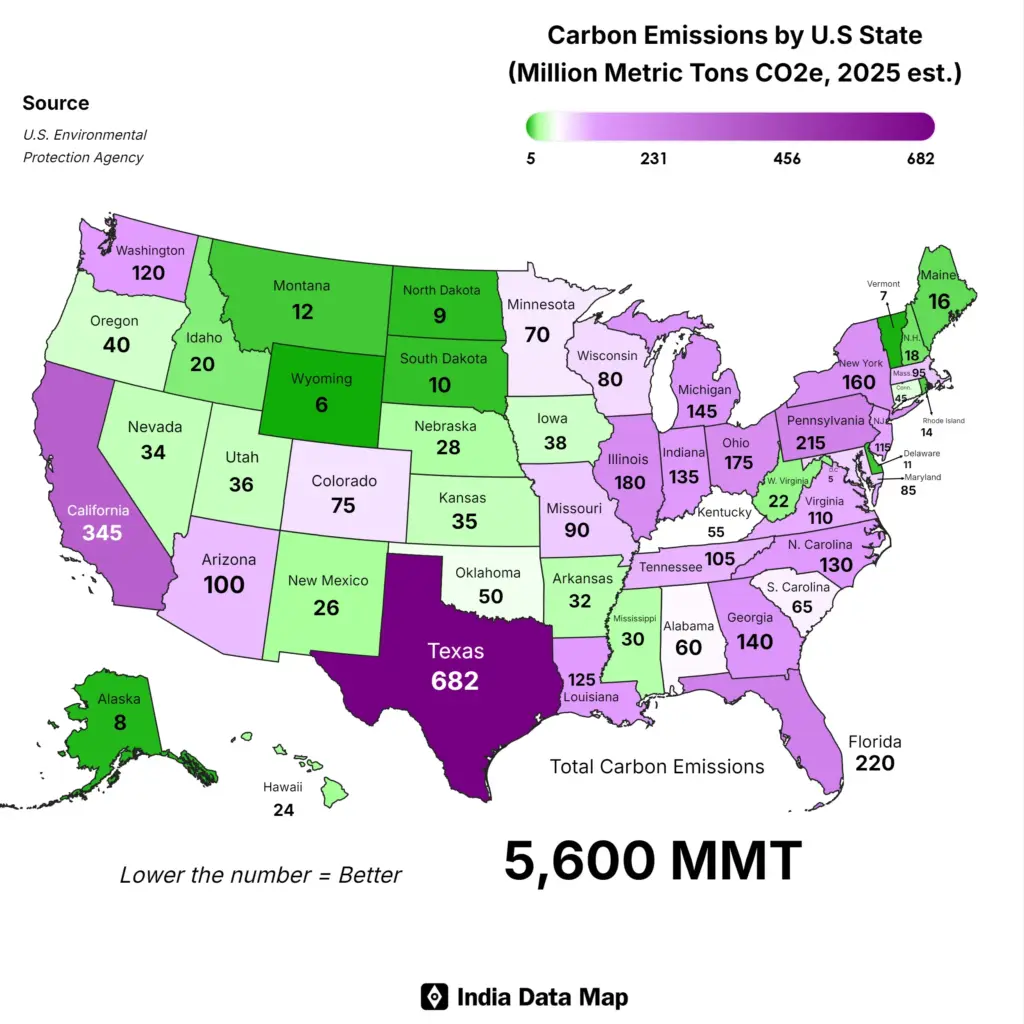
As we delve into the issue of US emissions 2025, a concerning trend emerges, reflecting a rise in planet-warming gases for the first time in three years. A harsh winter, coupled with a significant increase in coal usage, fuels concerns over the sustainability of US energy consumption trends. With power demands from burgeoning data centers and the cryptocurrency mining industry surging, the energy landscape is shifting dramatically. Despite advances in renewable energy growth—such as a 34% increase in solar power—overall greenhouse gas emissions climbed by 2.4%, showcasing the complex relationship between energy strategies and emissions outcomes. This raises critical questions about how policy decisions will shape the future of emissions in a rapidly evolving energy sector for the next few years.
In examining the emissions landscape for the United States in 2025, we encounter a pivotal moment marked by increasing greenhouse gas levels, driven largely by the demands of various high-energy industries. The cold snap of early 2025 exacerbated reliance on conventional heating methods, leading to greater fossil fuel consumption. Moreover, the expansion of data centers and cryptocurrency activities has significantly impacted power demand, thus prompting a notable upswing in coal utilization amidst fluctuating natural gas prices. While strides towards renewable energy adoption are apparent, such as the acceleration of solar energy deployment, it remains overshadowed by the resurgence of fossil fuels. This interconnected network of energy practices and regulatory influences poses urgent questions regarding the trajectory of environmental impact in the coming years.
US Emissions 2025: A Troubling Increase
As we enter 2025, the United States is seeing a rise in greenhouse gas emissions, a stark contrast to the declines witnessed over the past few years. The increase marks a troubling return to higher emissions levels, primarily influenced by extreme weather and surging energy demands. Specifically, the cold weather in early 2025 prompted a significant uptick in home heating usage, particularly fossil fuels like natural gas. This shift away from lower-emission alternatives has exacerbated the emissions trend despite the ongoing growth in renewable energy sources.
In addition to colder temperatures boosting the reliance on fossil fuels, there has been a marked surge in energy consumption driven by the intensifying demand from data centers and cryptocurrency mining operations. The cooling demand from homes and commercial entities directly correlates to increased emissions, as the power grid grappled with meeting these heightened energy requirements. Consequently, this multifaceted approach to addressing the energy crisis resulted in a 2.4% increase in emissions—throwing into question the sustainability of the US’s energy policies moving forward.
The Rise of Coal Usage in 2025: Causes and Implications
Surprisingly, coal has seen a resurgence in usage within the United States as of 2025, marking a notable 13% increase compared to the previous year. This increase is primarily attributed to the dramatic rise in natural gas prices coupled with increased energy demand. As energy providers faced constraints in meeting power needs—especially with the energy-intensive operations of data centers—coal became a more viable option again. This shift highlights the complexities of energy economics in the US, where fossil fuels, which appeared to be in decline, have made a surprising comeback as a response to market dynamics.
Moreover, analysts have pointed out that the interruption in the retirement of coal plants reflects broader economic pressures. Power companies are holding off on electricity generation transitions, resulting in older coal-fired plants continuing to operate. The unexpected rise in coal usage raises questions about the commitment to renewable energy goals and the long-term implications for carbon emissions. As the trend in coal usage suggests, the current situation indicates a challenging trajectory for the US’s clean energy ambitions in the near future.
Data Center Power Demand: Driving Force Behind Emissions
The explosion of data centers across the United States has become a significant contributor to the country’s energy demands and resulting emissions. As digital services proliferate, and with more businesses relying heavily on cloud computing, data centers have emerged as integral players in the power landscape. The surge in energy consumption driven by these facilities has prompted criticism regarding their environmental impact, particularly concerning the increased greenhouse gas emissions associated with their operation.
This unprecedented growth in data consumption is anticipated to persist, with energy demands steadily increasing. Analysts argue that the need for energy-efficient practices within these centers is more crucial than ever. However, the operational requirements of many data centers still rely heavily on fossil fuels, thus complicating the transition towards greener energy. As the sector continues to grow, stakeholders are faced with the challenge of balancing technological advancement with environmental responsibility.
Cryptocurrency Mining Emissions: An Unseen Impact
Cryptocurrency mining has emerged as a major factor in the increasing energy demands within the United States, particularly in 2025. The computational power required for mining various cryptocurrencies results in a substantial consumption of electrical energy, often sourced from non-renewable energy supplies. As a consequence, experts are raising alarms over the carbon footprint associated with mining activities, which considerably contributes to rising US emissions.
The high energy requirements of cryptocurrency mining not only exacerbate the already significant power needs but also contribute to a concerning reliance on fossil fuels such as coal. This trend indicates a complex interplay between technology, finance, and environmental sustainability. Without industry changes favoring greener alternatives, the future of cryptocurrency mining may pose substantial challenges to achieving national carbon reduction goals.
Renewable Energy Growth Amid Rising Emissions
Despite recent increases in emissions, the growth of renewable energy in the US remains noteworthy. In 2025, solar energy saw a remarkable growth rate of 34%, marking the fastest expansion since 2017. This rapid adoption of renewable sources highlights efforts to combat climate change, reflecting a broader trend of shifting energy sources toward more sustainable solutions. Solar, wind, and other renewable technologies are fundamental to building a cleaner energy grid.
However, this growth is juxtaposed with the increased emissions driven by fossil fuels, creating a complex narrative about the US energy landscape. While investments in renewables signal progress, these advancements are not enough to counterbalance the upsurge in fossil fuel usage amid heightened energy needs. Landing energy transition strategies effectively will be critical for the country to align with its climate commitments amidst the growing pressures from natural gas and coal.
Natural Gas Prices and Their Impact on Energy Choices
The dramatic rise in natural gas prices has been a significant catalyst for changes in energy consumption patterns throughout 2025. As natural gas became increasingly expensive, energy producers made the strategic decision to revert to coal, which had been sidelined due to favorable natural gas availability in past years. This shift underscores the volatility of market dynamics and the resulting impact on greenhouse gas emissions.
The market’s reaction to energy pricing fluctuations illustrates a larger trend potentially stymying progress toward cleaner energy sources. With coal regaining ground due to economic pressures, the future trajectory of US emissions could be altered significantly. Addressing these challenges requires a comprehensive energy strategy that integrates renewable technologies while managing the economic implications of fossil fuel dependence.
Electric Vehicles: A Silver Lining in Emissions Trends
While total US emissions saw an uptick in 2025, the rise in electric and hybrid vehicles on the roads presents a glimmer of hope for environmental progress. With a reported increase of 25% in hybrid vehicle adoption compared to the previous year, it indicates a trend toward more sustainable transportation solutions. This shift is increasingly crucial, as the transportation sector remains one of the largest contributors to overall emissions in the country.
However, the impact of electric vehicles on emissions is complex. While there has been a notable increase in hybrid adoption, the transportation sector overall has not experienced significant emissions reductions. The continued growth in road traffic and transportation activity poses challenges that must be effectively addressed to harness the full potential of electric vehicles. Fostering advancements in infrastructure and increasing the availability of charging networks will be key in sustaining this momentum towards reducing emissions in the transportation industry.
Future Forecast: Trends in US Energy Consumption
Looking ahead, the trends in US energy consumption demonstrate a multifaceted challenge. The data shows that while renewable energies are experiencing growth, the forces driving up coal and natural gas consumption cannot be ignored. Addressing these trends will require proactive policy-making aimed at incentivizing cleaner energy alternatives and discouraging reliance on fossil fuels, which significantly impede emission reduction goals.
As energy demands continue to evolve—fueled by factors like cryptocurrency mining, data center operations, and weather fluctuations—developing a comprehensive energy strategy that encompasses both economic viability and environmental sustainability is more critical than ever. The decisions made in the coming years will shape the trajectory for US emissions levels and the overall energy landscape.
Frequently Asked Questions
What are the factors contributing to US emissions in 2025?
In 2025, US emissions have risen mainly due to an increase in coal usage, which surged by 13% to meet the growing electricity demands driven by data centers and cryptocurrency mining. Additionally, colder temperatures led to a higher consumption of natural gas for heating, contributing to overall greenhouse gas emissions increasing by 2.4%.
How is renewable energy growth impacting US emissions in 2025?
Despite significant growth in renewable energy in 2025, particularly a 34% increase in solar power, overall US emissions rose due to heightened fossil fuel consumption, especially coal and natural gas, to meet surging demands from data centers and cryptocurrency mining.
What is the current trend in coal usage in the US as of 2025?
Coal usage in the US has seen a resurgence in 2025, marked by a 13% increase. This rise is attributed to the high demand for electricity amid increased cooling from data centers and cryptocurrency mining operations, coupled with elevated natural gas prices.
How does cryptocurrency mining relate to US energy consumption trends in 2025?
Cryptocurrency mining has significantly fueled US energy consumption trends in 2025, contributing to increased electricity demand in regions like Texas and the Ohio Valley. This rise in power demand is one of the key factors leading to higher emissions as coal and natural gas usage grew to supply this demand.
Why did US coal consumption increase in 2025 despite a long-term decline?
US coal consumption increased in 2025 due to a combination of factors, including higher natural gas prices making coal more competitive and rising energy demands from data centers and cryptocurrency mining. This marked only the second annual increase in coal usage in over a decade, signaling a potential revival.
What is the role of data centers in increasing US emissions in 2025?
Data centers are a significant factor in the rise of US emissions in 2025. Their exponential growth has led to higher electricity demands, which are being met by both renewable and fossil fuels, leading to increased coal usage as utilities adjust to the demand while facing high natural gas prices.
What trends in renewable energy were observed in the US in 2025?
In 2025, the US witnessed a remarkable growth of 34% in solar energy, marking the fastest rate of increase since 2017. However, this growth was counterbalanced by emissions rising due to continuing coal and natural gas usage driven by increased power demands.
How are transportation emissions in the US trending in 2025?
Transportation emissions in the US have remained essentially unchanged in 2025, despite a rise in road traffic volumes for five consecutive years. This stability is largely attributed to the increased adoption of hybrid and electric vehicles.
What impact did political policies have on US emissions in 2025?
The policies of the Trump administration reportedly had little meaningful impact on the rise in US emissions in 2025. The report suggested that rising emissions were largely driven by industrial demands, particularly linked to the rapid growth of data centers and cryptocurrency mining.
Is the increase in US emissions in 2025 expected to continue?
Given the persistent demand growth in sectors like data centers and cryptocurrency operations, the increase in US emissions seen in 2025 may not be a temporary spike, indicating a trend that could likely continue if energy consumption patterns remain unchanged.
| Key Points | Details |
|---|---|
| US Emissions Rise | For the first time in three years, US emissions of greenhouse gases increased by 2.4% in 2025. |
| Heating Fuel Consumption | Colder weather led to a nearly 7% increase in natural gas and fossil fuel consumption for heating. |
| Coal Use | Coal consumption surged by 13% in 2025, driven by higher energy demands and gas prices. |
| Solar Power Growth | Solar power growth increased by 34% in 2025, marking the fastest growth rate since 2017. |
| Transport Emissions | Transportation remains the largest source of emissions, but overall emissions were stable due to increased use of hybrid and electric vehicles. |
| Policy Impact | Current policies are not expected to significantly impact emissions in 2025, despite Trump’s administration efforts. |
| Data Center Demand | The growth of data centers and cryptocurrency operations is a major factor driving energy demand. |
Summary
US emissions in 2025 illustrate a concerning trend of rising greenhouse gas releases after a period of decline. A surge in natural gas and coal usage, alongside growing energy demands from data centers and low temperatures, contributed to this increase. Despite a significant uptick in solar energy production, the overall emissions growth signals challenges in the ongoing efforts to stabilize and reduce US emissions moving forward.