Listen to this article
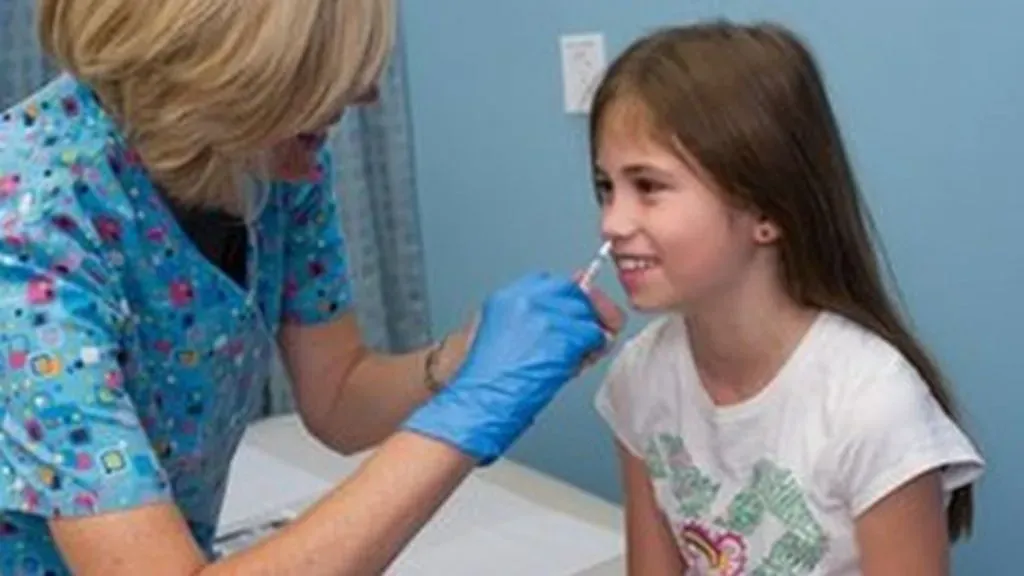
The children’s flu vaccine is a vital tool in protecting young lives during flu season. As highlighted by the harrowing experience of a young boy who spent weeks in intensive care due to flu complications, the importance of flu vaccination for children cannot be overstated. With flu hospitalization rates on the rise in communities like Devon, parents are urged to prioritize vaccine uptake statistics for their kids. Ensuring that children are vaccinated not only helps to protect children from flu but also safeguards those with underlying health conditions. By taking action and getting their kids vaccinated, families can significantly reduce the risks associated with this potentially serious illness.
When discussing the flu shot for kids, it’s essential to recognize the broader significance of vaccinating young individuals against seasonal viruses. This preventative measure, often referred to as childhood influenza immunization, plays a crucial role in public health, particularly in minimizing hospital admissions due to flu-related complications. Parents must understand that flu can impact not only children with special health considerations but also healthy kids, leading to severe illness. Encouraging families to prioritize their children’s health by seeking flu vaccinations can dramatically influence community health outcomes. With increasing cases of flu reported, the conversation around pediatric immunization is more critical than ever.
The Importance of the Children’s Flu Vaccine
Vaccination plays a critical role in safeguarding the health of children, particularly during flu season. The children’s flu vaccine is designed to protect youngsters from severe illness caused by influenza, which can lead to hospitalization and other serious complications. With children being one of the most vulnerable groups, ensuring they receive their flu shot can considerably decrease the risk of flu-related hospital visits. Parents must understand that the vaccine not only protects their child but also contributes to the overall betterment of public health by promoting herd immunity within the community.
Recent statistics reveal significant disparities in vaccine uptake, particularly among at-risk demographics. Many families remain unaware of the flu vaccine’s availability and the essential protection it offers against common seasonal viruses. The UKHSA has emphasized the importance of bolstering vaccine uptake statistics, as approximately only half to two-thirds of children with long-term health conditions are getting vaccinated. This gap serves to highlight the importance of education and outreach to ensure that all children, regardless of health status, receive the protection they need from the flu.
Protecting Children from the Flu: The Parental Responsibility
As parents, it is our foremost duty to protect our children from potential health risks, including the flu. The example of Joel’s experience serves as a poignant reminder that influenza can escalate into life-threatening conditions, particularly for children with underlying health issues like Down’s syndrome. It is crucial for parents to recognize the symptoms of flu and seek immediate medical attention if their child’s health deteriorates. Early intervention can make a significant difference in outcomes.
Furthermore, emphasizing the importance of flu vaccination is essential to prevent tragedies similar to Joel’s case from occurring. Parents should not only be aware of the benefits of vaccinating their children but also take proactive measures in ensuring their vaccination schedules are maintained. It is advisable to consult healthcare providers about the children’s flu vaccine to understand how it fits within the broader context of their child’s health and well-being.
Recent Trends in Flu Hospitalization and Vaccine Uptake
In the face of rising flu hospitalization figures in areas like Devon, it becomes increasingly urgent for families to prioritize flu vaccinations. Recent data indicates an alarming increase in flu cases which correlates directly with a rise in hospital admissions. This trend highlights an urgent need for improved awareness and accessibility of the flu vaccine, particularly among vulnerable populations. It also reflects the ongoing battle against misinformation surrounding vaccinations.
Efforts to enhance vaccine uptake statistics should focus on community outreach, as many parents may not realize the scale of the flu threat or the ease of access to vaccination services. Public health campaigns need to effectively communicate not only the availability of the vaccine but also success stories like Joel’s recovery post-flu, which can encourage other families to take these preventative measures seriously. By increasing awareness and education surrounding the flu and its vaccine, we can take proactive steps towards reducing hospitalizations and protecting our children’s health.
Addressing the Challenges in Flu Vaccination for Children
Despite the proven benefits of the children’s flu vaccine, challenges persist in achieving widespread vaccination. Many parents cite concerns and misconceptions about vaccine safety as barriers to immunization. Public health consultants have identified that, although certain regions boast high vaccine uptake rates, there remains a significant proportion of families who are miss out due to lack of information or accessibility. This is particularly true among specific groups such as pregnant women and children with long-term health conditions.
To combat these challenges, healthcare providers and public health organizations must enhance communication strategies to emphasize the safety and efficacy of the flu vaccine. Utilizing personal testimonies and relatable experiences can greatly influence perceptions and encourage parents to vaccinate their children. Parents are also encouraged to actively seek information and advocate for their child’s health, ensuring they are making informed decisions regarding flu vaccinations.
Understanding the Risks of Flu Hospitalization
It is often underestimated how serious influenza can be for children, leading to hospitalization in some cases, even when flu vaccination rates are high. Dr. Niamh Lynch’s insights reflect the gravity of flu infections, pointing out that while hospitalization due to flu is relatively uncommon, it can happen to otherwise healthy children. Factors such as age, underlying conditions, and community infection rates can all increase risks, emphasizing the need for widespread flu vaccination.
Awareness of the warning signs of severe flu illness is also crucial. Symptoms can escalate quickly, leading to significant consequences if not monitored. Parents must take the responsibility to watch for signs and act promptly. Collaborating closely with healthcare providers to keep up with seasonal vaccinations is key in protecting children from potential hospitalization due to flu.
The Role of Public Health in Fighting Flu Infection
Public health officials play a vital role in promoting the importance of flu vaccination across communities. By actively advocating for vaccine accessibility and awareness, they aim to protect the most vulnerable populations. Campaigns aimed at increasing vaccine uptake statistics help to inform parents about the crucial need for flu vaccination in children, particularly in light of recent trends showing rising flu cases and hospitalizations.
Through targeted educational initiatives, health professionals strive to dispel myths and misinformation surrounding flu shots, encouraging families across various demographics to get vaccinated. It’s crucial to ensure that even those with pre-existing health conditions don’t fall through the cracks in vaccine coverage. Successful public health strategies can greatly mitigate the risks associated with influenza, protecting children and ensuring overall community health.
The Benefits of Timely Vaccination for Children
Timely vaccination has significant benefits for children, especially when it comes to the flu. Vaccines are designed to help the body build immunity against infection before exposure. By ensuring that children receive their flu vaccine on schedule, parents can help mitigate the risks of illness during flu season. Being proactive about vaccinations not only protects individual health but also contributes to broader community immunity.
Additionally, early vaccination has been shown to result in lower rates of flu hospitalization. When children are vaccinated before flu season peaks, the chances of severe illness and subsequent hospital visits decreases substantially. With the flu virus’s ability to mutate and create new strains, parents should keep abreast of vaccination guidelines to ensure their children receive up-to-date vaccinations.
Community Awareness: A Vital Tool Against Flu
Community awareness is essential in the fight against flu infections and can play a significant role in increasing vaccination rates among children. Awareness initiatives can help clarify the importance of flu vaccination and provide information about where families can access services. Engaging with local healthcare providers, schools, and community organizations can foster an environment that prioritizes health and equips families with the knowledge they need.
Such collaborations can also encourage discussions surrounding health issues and help dispel common myths surrounding vaccines, making it easier for parents to make informed decisions. Community leaders can create targeted outreach programs that focus on areas with low vaccine uptake. By addressing barriers to accessibility and empowerment, communities can contribute to a healthier future for children.
Encouraging Flu Vaccine Uptake through Education
Education is a powerful tool in driving flu vaccine uptake among children and their families. Comprehensive educational efforts can inform parents about the importance of preventing flu-related illnesses through vaccination. As evidenced by Joel’s story, the potential consequences of not vaccinating can severely impact children’s health and quality of life, making it imperative for educational initiatives to reach as many families as possible.
Healthcare providers are pivotal in this education process, serving not only as providers of the vaccine but also as a source of valuable information. By addressing parents’ concerns, dispelling myths about vaccine safety, and providing clear, concise information, healthcare providers can help build trust with the community. This connection can effectively encourage families to prioritize flu vaccinations, making a significant impact on the health of children and reducing hospitalizations.
Frequently Asked Questions
What is the importance of flu vaccine for children?
The flu vaccine is crucial for children as it helps protect against serious flu-related complications such as hospitalizations. Vaccination can significantly reduce the risk of severe illness, especially in vulnerable children like those with underlying health conditions.
How can the children’s flu vaccine protect children from flu-related illnesses?
The children’s flu vaccine offers essential protection by preparing their immune system to fight the virus effectively. By getting vaccinated, children reduce their risk of contracting the flu, thereby lower the chances of severe illness and hospitalization associated with flu infections.
What are the vaccine uptake statistics for children’s flu vaccination in the UK?
Vaccine uptake statistics indicate that while the south west has some of the highest vaccination rates for children’s flu vaccine in the UK, certain groups, especially those with long-term health conditions and pregnant women, have lower participation rates. It’s vital to encourage higher uptake to protect all children from flu.
Why is the flu vaccination important for children with health conditions?
The flu vaccination is especially important for children with health conditions, such as Down’s syndrome, as they are at a higher risk for severe complications like flu hospitalization. Vaccination helps safeguard their health and prevent serious, life-threatening situations.
What can happen if children do not receive the flu vaccine on time?
If children do not receive the flu vaccine on schedule, they risk being unprotected against the flu virus, which can lead to severe infections, complications, and potential hospitalizations. As seen in instances like Joel’s, timely vaccination can prevent serious health issues.
How often should children receive the flu vaccine?
Children should receive the flu vaccine annually, ideally before the flu season begins, to ensure optimal protection. This is particularly important for school-age children and those with specific health conditions who are more susceptible to severe flu outcomes.
What warning signs should parents look for to indicate severe flu in children?
Parents should watch for warning signs such as high fever, difficulty breathing, persistent cough, or any sudden changes in their child’s health status. Recognizing these symptoms early can lead to timely medical intervention and potentially avoid severe complications from flu.
How does flu vaccination help prevent flu hospitalization in children?
Flu vaccination helps prevent flu hospitalization in children by equipping their immune system to fight against the virus. This proactive measure reduces the likelihood of developing serious complications that often lead to hospitalization.
What age groups are eligible for the children’s flu vaccine in the UK?
The children’s flu vaccine in the UK is offered to children aged two to three years old, school-age children from Reception to Year 11, and those with certain long-term health conditions, ensuring those at higher risk are adequately protected.
| Key Points |
|---|
| Parents of one boy urge vaccination after severe flu illness. |
| Joel spent 3 weeks in intensive care due to flu complications. |
| Flu can lead to serious health issues, even in healthy children. |
| Vaccination is vital to prevent hospitalizations from flu. |
| The flu vaccine is available for children aged 2-3, school-age, and with health conditions. |
| Recent surge in flu hospitalizations reported in Devon. |
Summary
The children’s flu vaccine is essential to protect young ones from the potentially severe illness caused by influenza. Parents should be aware of the risks associated with the flu, as demonstrated by Joel’s experience, and the importance of timely vaccination. Ensuring children receive their flu vaccine can significantly reduce the chances of hospitalization and serious health complications. Let’s prioritize our children’s health by getting them vaccinated against the flu!