
Listen to this article
The Trump tariffs have become a central aspect of the former president’s trade policy, stirring a mixture of hope and fear among businesses in the United States. These import taxes, originally designed to bolster American manufacturing and address the longstanding trade imbalance, are now embroiled in a contentious legal landscape following a Supreme Court tariffs ruling that could change everything. As the legal battles surrounding Trump tariffs unfold, many are speculating about the potential ramifications, including the possibility of a US tariffs refund that may burden the economy with millions of dollars in payouts. Trump’s messaging suggests that the stakes are high, with claims that a reversal could plunge the nation into a financial mess. The upcoming verdict could redefine not only tariffs but also how the administration navigates international trade in the future, leaving many anxious about the outcome and its implications for the broader economy.
In discussions about trade taxes, often referred to as import duties or levies, the extent of the Trump trade policy has garnered significant attention. The ongoing legal challenges to these tariffs, notably the Supreme Court’s impending ruling, highlight the complexities of enforcing such taxes amidst accusations of overreach. Critics argue that national legislators, not the executive branch, should determine tax regulations, questioning the legality of the measures introduced under Trump’s administration. As businesses await clarity on these trade imbalance tariffs, many are concerned about the potential for refunds and the complications they could bring. The debates surrounding these tariffs underscore broader questions about how America approaches global trade relations and economic strategy moving forward.
The Implications of Trump Tariffs on US Businesses
The Trump tariffs have placed a significant financial burden on many businesses across the United States. According to the latest data, the tariffs imposed have disrupted supply chains, leading to increased costs for raw materials and finished goods. Small businesses, in particular, have been vocal about the adverse impacts on their operations, with many struggling to absorb the increased expenses. As they grapple with heightened operational costs, some companies have reported a shrinking profit margin that complicates their ability to remain competitive in both domestic and global markets.
Moreover, the uncertainty surrounding the future of these tariffs has caused delays in business expansion and investment decisions. Investors are wary, and many businesses are holding back on projects while they await the Supreme Court’s ruling. The potential for a refund process, as mentioned by Trump, only adds to the complications, creating a scenario where businesses may hesitate to make commitments or changes until the legal landscape becomes clearer.
Understanding the Supreme Court’s Role in Tariff Legislation
The upcoming Supreme Court decision regarding the Trump tariffs represents a pivotal moment in US trade policy. Historically, the Supreme Court has often served as the arbiter of disputes over the boundaries of executive power, particularly relating to legislation such as the International Emergency Economic Powers Act (IEEPA). The case at hand asks whether the president can unilaterally impose tariffs without Congressional approval, a fundamental question that could redefine the scope of executive authority in trade matters.
Legal scholars have noted that this ruling could set a precedent for how future administrations approach tariff implementation and trade negotiations. If the Court rules against Trump, it would signal a clear limitation on presidential power concerning trade tariffs, potentially leading to a shift in how the government manages trade relations. This movement could also force Congress to take a more active role in tariff regulations and challenge the traditional norms surrounding foreign asset taxation and trade policy formulation.
Potential Outcomes of the Tariff Legal Battles
The legal challenges to the Trump tariffs can lead to several outcomes, each with far-reaching implications for the US economy. Should the Supreme Court side with the plaintiffs, the administration would face a monumental task in refunding the billions collected through these tariffs, which may destabilize federal revenue streams. Additionally, businesses awarded refunds may still experience the long-term impact of financial disruption caused by the tariffs, which are designed to protect domestic industries while potentially harming international trade relations.
Conversely, if the Court upholds the tariffs, it would reinforce the authority of the executive branch in matters of international commerce and trade. This would not only solidify Trump’s trade policy but could further exacerbate tensions with trading partners who view these tariffs as unfair trade practices. Ultimately, the decision will resonate beyond mere financial implications; it could shift perceptions on America’s place in the global market and influence future negotiations regarding trade imbalances.
Evaluating Trump’s Trade Policy in Light of the Tariff Dispute
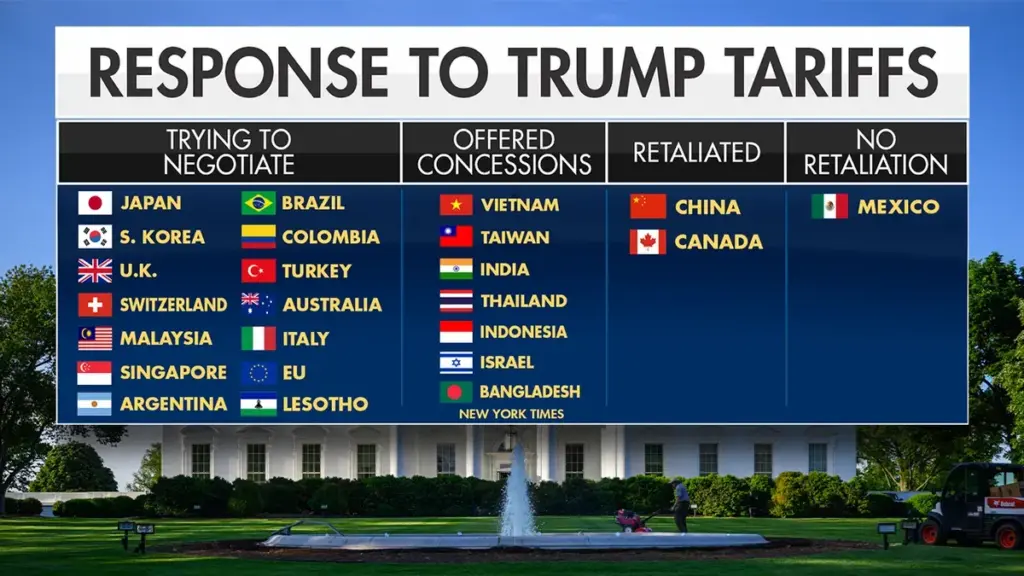
Trump’s trade policy, especially his approach to tariffs, has been met with mixed reception. Advocates argue that such tariffs are essential for rebalancing the trade deficit and supporting American manufacturing, which has seen a significant decline over the years. Nonetheless, critics contend that the imposition of tariffs has created a retaliatory cycle, where affected countries retaliate with their own tariffs, leading to escalated tensions and a potential trade war.
The case now in the hands of the Supreme Court reflects the culmination of these policies in practice. Moreover, it also brings to light the larger conversation about the effectiveness of tariffs as a tool for achieving Trump’s trade objectives. The outcome of the legal challenges may well influence future presidents’ willingness to employ similar tactics, setting critical benchmarks for trade policy formulation and execution moving forward.
The Complexity of the Tariff Refund Process
One of the most complex aspects of the ongoing legal battle over Trump tariffs is the potential refund process. If the Supreme Court rules against the administration, it could create a multitude of challenges regarding the logistics of administering refunds to businesses and consumers. Trump himself has emphasized that executing such refunds would be a logistical nightmare, arguing that it would involve significant administrative effort and potentially years of legal wrangling to determine who is eligible for refunds and how much they would owe.
Additionally, there are concerns about the financial implications for the federal government. The revenue generated by the tariffs has provided a critical stream of funding, and refunding these amounts could lead to significant budgetary shortfalls. This scenario would compel the government to consider cutting spending in other areas or finding new revenue sources, thus complicating the fiscal landscape even further. The complexity and potential fallout from the refund process have made it a focal point of debate within this legal dispute.
Legal Perspectives on the Authority of Tariffs
The legal challenges surrounding Trump tariffs hinge on the interpretation of the IEEPA and the extent of presidential power regarding tariff imposition. Critics of the tariffs argue that under the Constitution, only Congress holds the authority to levy taxes like tariffs. They contend that this overreach not only violates the separation of powers but also endangers the very fabric of American democracy by expanding executive power beyond its intended scope.
Should the Supreme Court agree with this perspective, it could effectively halt the execution of the current tariff regime and require Congressional involvement in any future tariff negotiations. Such a ruling could reshape executive trade powers entirely, forcing future administrations to navigate a much more complex legislative process when considering any form of tariff implementation.
The Repercussions for International Trade Relationships
The outcome of the Supreme Court’s ruling on Trump tariffs could have significant repercussions for international trade relationships. Allies and trading partners have closely monitored the situation, especially given the unconventional approach of leveraging tariffs as a means to address trade imbalances. A ruling against Trump could embolden countries that have been adversely affected to propose new trade agreements or retaliatory measures, further complicating international relations.
On the other hand, affirming Trump’s tariffs may solidify the current stances of affected nations, pushing them to retaliate even harder, thus exacerbating trade tensions. This could lead to a fragmented global market that restricts trade flows and hinders economic growth across multiple sectors, ultimately impacting consumers and businesses on both sides of the equation.
The Future of Tariffs Beyond Trump
Regardless of the Supreme Court’s decision, the broader lesson around tariffs is likely to persist beyond Trump’s administration. This legal battle has highlighted the precariousness of relying on tariffs as a tool for trade policy, suggesting a profound need for more thoughtful, sustainable approaches to correcting trade imbalances and fostering economic growth. Policymakers may need to reevaluate strategies that prioritize dialogue and collaboration over confrontation through tariffs.
Moving forward, the implications of this case could inspire a more comprehensive discussion about the framework of US trade policy. As the world enters a new era of global commerce, the evolution of tariff laws and regulations will be critical for ensuring that they meet the dynamic needs of both domestic producers and international partners while respecting the legal bounds established by the Supreme Court.
Public Sentiment and Impact of Trump Tariffs
Public sentiment regarding the Trump tariffs has been mixed, with many Americans either supporting or opposing the policies based on how they directly affect their livelihoods. While some believe these tariffs are essential for protecting jobs in American manufacturing, others argue that they have led to rising prices and diminished purchasing power. Surveys and studies have shown that as the legal battles have unfolded, public perception increasingly reflects skepticism around the effectiveness of tariffs as a tool for sustaining economic stability.
Moreover, the threat of refunds and the uncertainty of the legal process have also fueled anxiety among consumers and businesses alike. Those concerned about the financial implications of these tariffs are closely watching the developments, as the final ruling will undoubtedly influence not only economic outlooks but also everyday spending and consumer behavior across the country.
Frequently Asked Questions
What are the implications of the Supreme Court tariffs ruling on Trump’s trade policy?
The Supreme Court’s ruling on Trump’s tariffs could significantly impact his trade policy by either upholding or striking down the legality of the tariffs imposed under the International Emergency Economic Powers Act. If the tariffs are ruled illegitimate, it may lead to substantial refunds for businesses and alter the administration’s approach to trade negotiations.
How could US tariffs refund complicate the economy if Supreme Court tariffs are struck down?
If the Supreme Court declares Trump’s tariffs unconstitutional, the resulting US tariffs refund process could be problematic, creating a financial mess with complexities in determining amounts owed, affected parties, and payment logistics, as emphasized by Trump himself.
What legal battles surround Trump tariffs and their authority?
Trump tariffs are currently subject to legal battles, with several small businesses and states challenging the president’s authority to impose these tariffs. Opponents argue that Congress, not the president, holds the power to levy taxes, raising significant constitutional questions about Trump’s trade policy.
What are the potential consequences of a Supreme Court ruling against Trump tariffs?
Should the Supreme Court rule against Trump tariffs, the consequences could include the need for a US tariffs refund, limitations on future trade options, and intensified financial strain on the government, which could diminish Trump’s capacity to negotiate trade deals effectively.
How have Trump’s tariffs affected the trade imbalance in the US?
Trump’s trade policy, which includes the implementation of tariffs, aims to correct the trade imbalance by encouraging domestic manufacturing. However, critics argue that these tariffs may not have significantly improved the trade deficit, contradicting the president’s claims regarding their effectiveness.
| Key Point | Details |
|---|---|
| Supreme Court Ruling | Trump warns of a significant mess if tariffs are struck down. |
| Legal Challenges | Lower courts ruled Trump lacked authority to impose global tariffs. |
| Financial Stakes | The needed refund process could take years and burden the economy. |
| Constitutional Authority | Opponents argue that only Congress can impose taxes, not the President. |
| Impact on Businesses | Many US businesses hope for the tariffs to be declared illegal due to adverse effects. |
| Potential Outcomes | If tariffs are invalidated, the Trump administration may resort to alternative legislation allowing lower tariffs. |
| Trump’s Stance | Trump claims a loss would weaken the US and create a financial mess for years. |
Summary
Trump tariffs have become a contentious issue as the Supreme Court prepares to rule on their legality. The outcome could have far-reaching implications for both the economy and the authority of the President regarding trade policies. Should the Court strike down the tariffs, the repercussions of a refund process could result in significant chaos, undermining businesses that have already been affected by these additional taxes. The contentious debate raises questions about the extent of presidential power in economic matters, making the ruling a pivotal moment in Trump’s administration.

