Listen to this article
Choosing the best sport for your child can feel like a daunting task, yet it plays a vital role in shaping their physical health, social skills, and self-esteem. Parents often find themselves navigating a myriad of options, from team sports like soccer and basketball to individual pursuits like swimming and tennis. This youth sports guide aims to simplify the process by providing valuable insights and parenting tips for sports selection. Understanding your child’s interests and abilities is crucial to ensuring they not only enjoy their chosen activity but also thrive in it. In this comprehensive guide, we’ll explore essential factors to help you make an informed decision about choosing sports for children.
Determining the most suitable athletic activity for your child involves a thoughtful assessment of their preferences and abilities. Parents must consider their child’s enthusiasm for various recreational options, whether they lean towards collaborative team sports or prefer solitary athletic pursuits. By evaluating their physical capabilities and social preferences, families can find engaging pastimes that contribute to their child’s overall development. This guide will delve into effective strategies for selecting appropriate sports in a manner that resonates with your child’s unique personality and lifestyle. Ultimately, the goal is to facilitate a journey that nurtures their interests and fosters a lifelong love for physical activity.
Understanding Your Child’s Interests in Sports
Identifying your child’s interests is the cornerstone of choosing the best sport for them. Every child has unique preferences and inclinations that can significantly influence their enjoyment and success in sports activities. Engage them in discussions about what activities excite them and consider arranging visits to local sports events. By observing their reactions to different sports, you can gauge their enthusiasm and willingness to participate.
Moreover, involving your child in the decision-making process not only makes them feel valued but also increases the likelihood of their commitment to the sport they choose. Whether they lean towards team sports such as soccer or basketball or favor individual sports like tennis or martial arts, it’s crucial to support their passions. This alignment between their interests and the chosen sport can foster a love for physical activity that promotes their overall well-being.
Assessing Your Child’s Physical Abilities for Sports
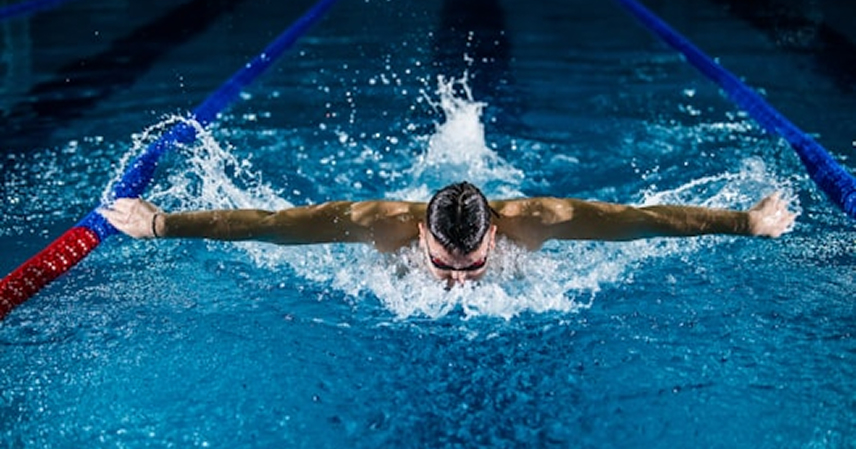
Evaluating your child’s physical capabilities is essential when it comes to selecting the right sport. Each sport demands different skills, and recognizing where your child excels can help in making a more informed choice. For example, if your child shows exceptional speed and agility during playtime, they might thrive in sports like track and field or soccer. Conversely, if they have remarkable endurance, activities like swimming or cross-country running might be ideal.
It’s also beneficial to have a conversation with coaches or physical education teachers who can provide valuable insights into your child’s strengths. They can identify which sports would suit your child’s abilities while making sure they are developmentally appropriate. Keep in mind that optimal sports choices can enhance your child’s chances of not only excelling but also enjoying their experience, which is paramount in the world of youth sports.
The Social Environment of Youth Sports
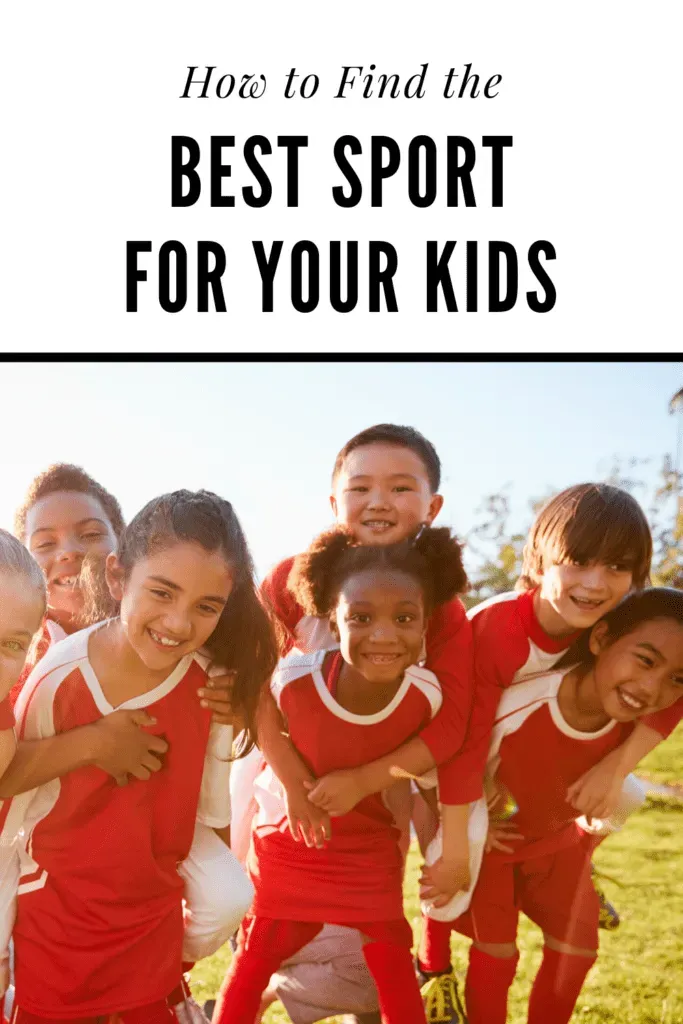
The social dynamics of a sport can heavily influence your child’s experience and development. Team sports such as soccer and basketball often provide a rich environment for children to learn teamwork, social skills, and the importance of collaboration. If your child enjoys interacting with peers, these sports may offer the camaraderie and friendships they crave, boosting their self-esteem and social skills.
On the other hand, individual sports such as tennis or gymnastics allow children to develop self-motivation and personal responsibility. These can be beneficial for kids who thrive on individual achievement and prefer to compete against their own standards. Understanding your child’s comfort level and social preferences will assist you in making the right decision regarding their involvement in sports.
Commitment Levels Required for Different Sports
When selecting a sport for your child, it’s crucial to consider the time and commitment each sport demands. Different sports come with varying levels of practice, games, and travel commitments, which can affect family schedules. For instance, full-season sports such as hockey may require extensive travel and consistent practice throughout the year, whereas activities like baseball might only demand a few months of engagement.
Discussing time commitments openly with your child will help ensure they are on board with the expectations of their chosen sport. Understanding how much time they’re willing to dedicate to practices and games can prevent burnout and frustration, ultimately leading to a more enjoyable experience for everyone involved.
Prioritizing Safety in Youth Sports
Safety should be a paramount consideration when selecting a sport for your child. Research each sport’s safety records and ensure that proper safety equipment is available—this includes helmets for cycling, padding for contact sports, and appropriate footwear for running or soccer. By prioritizing safety, you not only protect your child’s physical health but also give them the confidence to participate without fear of injury.
Additionally, it’s vital to choose programs with qualified coaching staff who emphasize safe practices and injury prevention techniques. Attending training sessions that focus on skill development in a secure environment can reduce the chances of accidents and contribute to a healthier sporting experience for your child.
Encouraging Trials of Different Sports
Before committing to a specific sport, encouraging your child to try various activities can be highly beneficial. Many local sports organizations offer introductory sessions or clinics that allow children to sample different sports. This not only alleviates the pressure of competition but also provides them the opportunity to discover their interests and abilities.
Trial programs can be particularly beneficial for children who are still exploring their preferences. By experimenting with a few sports, they can develop a taste for what they enjoy most, ensuring that when they do commit, it is to something they genuinely love. This exploration phase can also foster a more positive and long-lasting relationship with physical activity.
Learning from Other Parents and Coaches
Connecting with other parents and coaches can provide invaluable insights into the sports landscape your child is entering. Engaging in discussions about their experiences can help you gather information on various programs, their demands, and the quality of coaching involved. This network can serve as a supportive community that offers recommendations and helps to ensure your child finds a suitable fit.
By overhearing their successes and challenges, you can better navigate the options available to your child and make informed decisions. Networking with experienced families can also create an environment of shared learning, enhancing your approach to sports parenting and ensuring your child’s experience is as rewarding as possible.
Supporting Your Child Through Their Sports Journey
Once your child has chosen a sport, your support is crucial to their continued enjoyment and success. Attend their games to demonstrate your investment in their interests and celebrate their achievements with them, regardless of the outcome. Reinforcing the principle that participation and enjoyment outweigh winning creates a positive atmosphere where they can thrive.
Fostering a positive mindset is essential. Encourage resilience, reminding them that setbacks are part of growth. Your supportive words can instill confidence in your child, driving them to engage passionately with their sport and develop a lifelong love for physical activity.
Choosing the Best Sport for Your Child: A Summary
In conclusion, choosing the best sport for your child involves a careful evaluation of their interests, physical abilities, social environment, and commitment levels. This process is not just about finding a sport, but rather about setting the stage for your child’s overall development, fostering their love for physical activity, and allowing them to acquire essential life skills.
By being invested in the journey—from exploring options to providing ongoing support—you can ensure that your child experiences the benefits of sports, including improved physical health, enhanced self-esteem, and the development of social skills. With your encouragement, they will not only find the right sport but also enjoy a fulfilling and enriching athletic journey.
Frequently Asked Questions
How to Choose the Best Sport for Your Child based on their interests?
Understanding your child’s interests is essential when choosing the best sport for your child. Consider whether they enjoy teamwork or individual activities. Introducing them to various sports can help gauge their preferences.
What are the best sports for kids to match their physical abilities?
Assessing your child’s physical abilities is crucial. Some kids excel in agility-based sports while others may favor endurance activities. Observing their play and consulting with coaches can provide insights into the best sports for kids that match their strengths.
How does the social environment impact choosing sports for children?
The social atmosphere of a sport plays a significant role in choosing sports for children. Team sports promote cooperation and camaraderie, while individual sports foster personal achievement. Understanding your child’s social needs can help find the right fit.
What time commitment should I consider when choosing youth sports for my child?
When selecting youth sports, it’s essential to evaluate the time commitment involved. Some sports have shorter seasons, while others may require year-round dedication. Discuss with your child to understand their willingness to commit to practice and games.
How do safety considerations influence the decision of what sport to choose for children?
Safety should be a priority in choosing a sport for your child. Investigating equipment requirements, coaching quality, and the injury statistics of the sport can help ensure their safety while participating in the chosen activity.
Can trying different sports before committing help in choosing the best sport for your child?
Absolutely! Allowing your child to try different sports through local leagues or introductory classes can provide a clearer picture of what sport best suits their interests and abilities, making it easier to choose the best sport for your child.
What role do parents play in helping their child choose a sport?
As a parent, your support is vital in helping your child choose a sport. By discussing their interests, attending games, and encouraging them through ups and downs, you can assist them in making a satisfying choice that promotes enjoyment and participation.
What are some good resources for a youth sports guide when choosing a sport for my child?
A comprehensive youth sports guide typically includes recommendations from coaches, feedback from other parents, and resources highlighting various sports’ requirements and commitments. Engaging with local sports organizations can also provide helpful information.
How to select the right sport considering my child’s age and developmental stage?
Choosing the best sport involves considering your child’s age and developmental stage. Younger children benefit from sports focused on skill development, while older kids may thrive in more competitive environments. Matching the sport to their maturity level is key.
Why is it important to talk to other parents and coaches before choosing a sports activity for my child?
Talking to other parents and coaches provides valuable first-hand experiences regarding the demands and quality of different sports programs. Their insights can help guide you toward making an informed decision that best supports your child’s sports journey.
| Factors to Consider | Description |
|---|---|
| Child’s Interests | Identify whether your child prefers team or individual sports. |
| Physical Abilities | Observe play and consult coaches to assess strengths. |
| Social Environment | Evaluate if the sport is team-oriented or individualistic. |
| Time Commitment | Determine how much time your child can dedicate to practice and games. |
| Safety Considerations | Research safety regulations and injury statistics in the sport. |
| Trial Opportunities | Encourage your child to try different sports before a commitment. |
| Consulting Others | Talk to parents and coaches for insights and feedback. |
| Encouragement | Support and celebrate your child’s participation and progress. |
Summary
How to choose the best sport for your child involves understanding their interests, assessing their physical abilities, and considering the social environment of the sport. It is crucial to evaluate the potential time commitment and ensure that safety is prioritized. Encouraging your child to experience a variety of sports can greatly enhance their enjoyment and help you make a well-informed decision. By providing support throughout their sports journey, you not only help them find the right fit but also foster an environment that promotes confidence, teamwork, and healthy habits.